


Why Choose This Fiber to Ethernet Media Converter for Your Network?
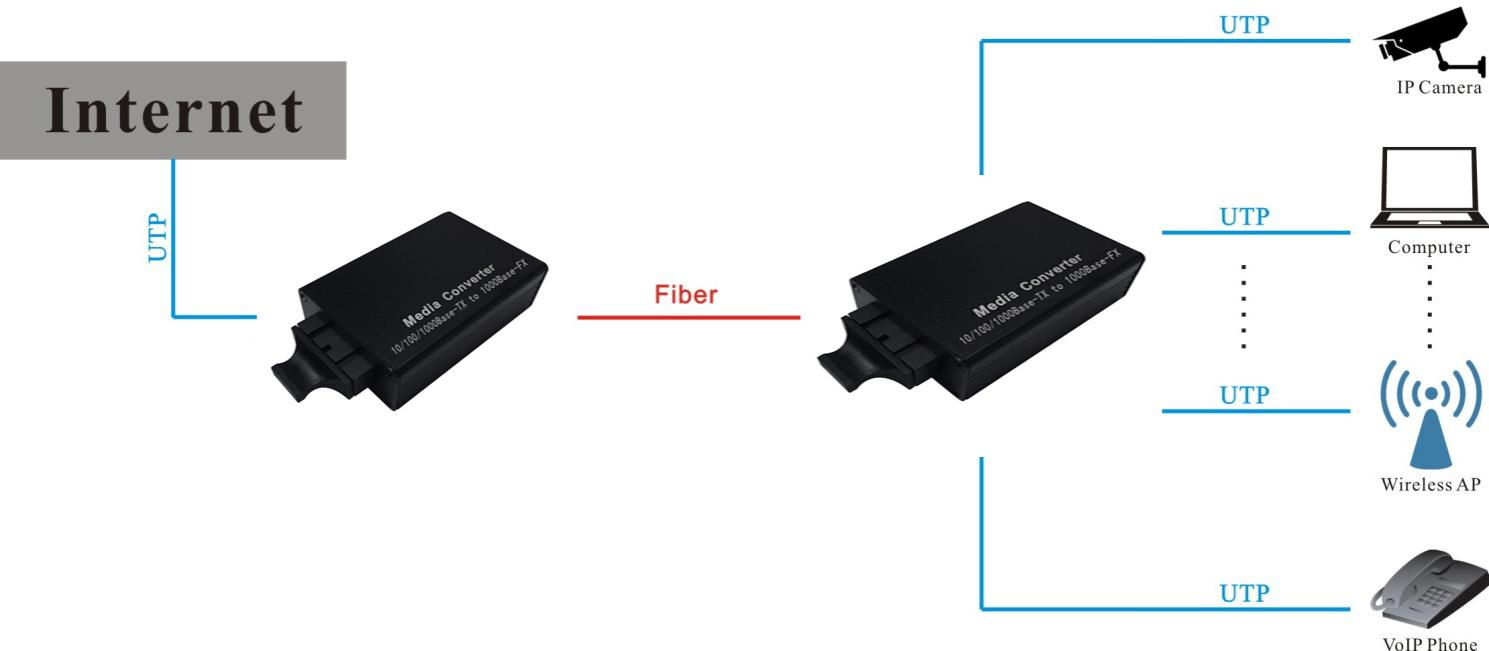
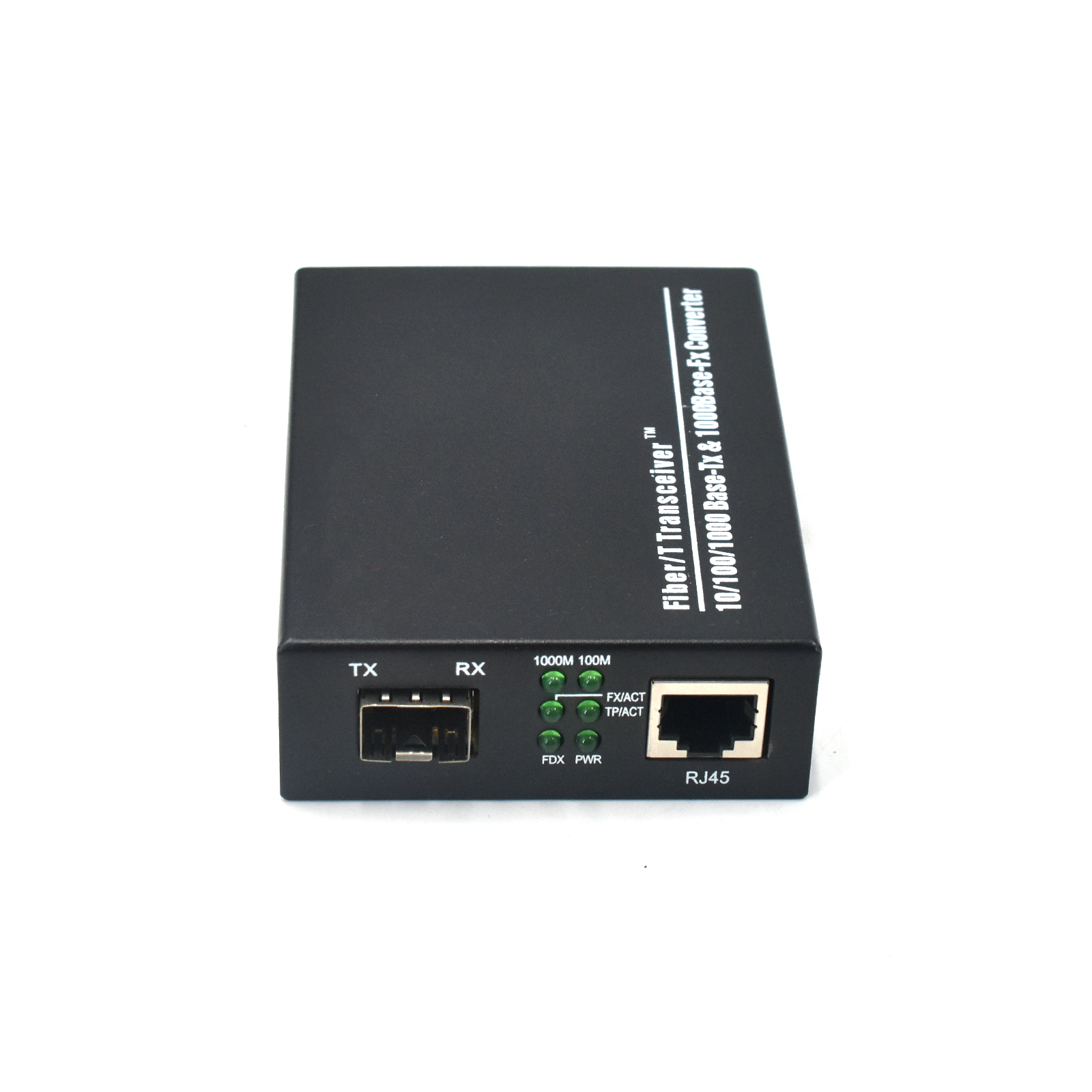
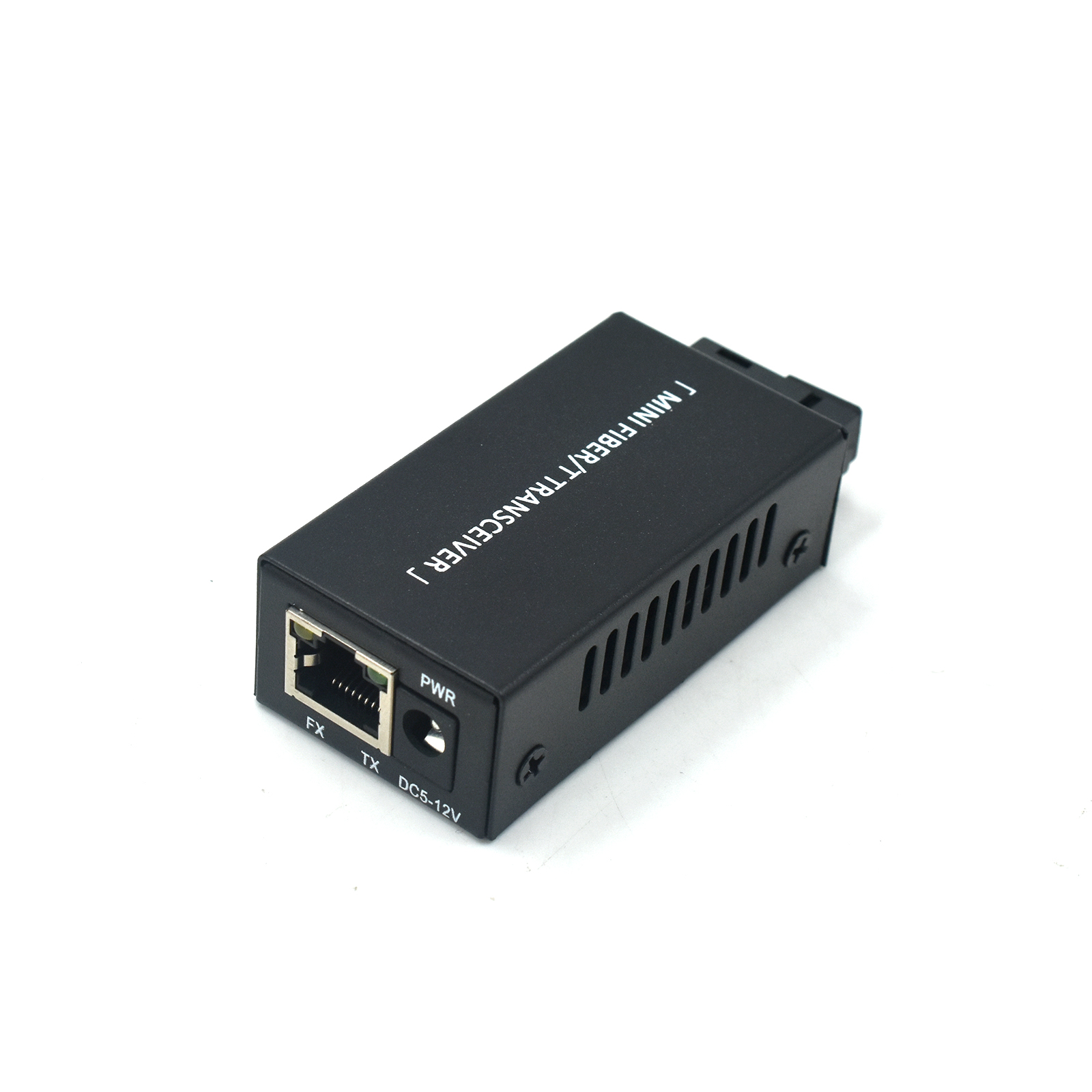
If you’re working on a project that demands reliable long-distance data transmission—say, linking a remote surveillance camera to your control room or connecting two office buildings across a campus—you need something that just works without adding complexity. That’s exactly what this Gigabit fiber to ethernet media converter does. It takes the standard copper Ethernet signal from your switch or router and converts it into a light-based signal that travels through single-mode fiber, giving you a clean, interference-free link up to 120 kilometers away.
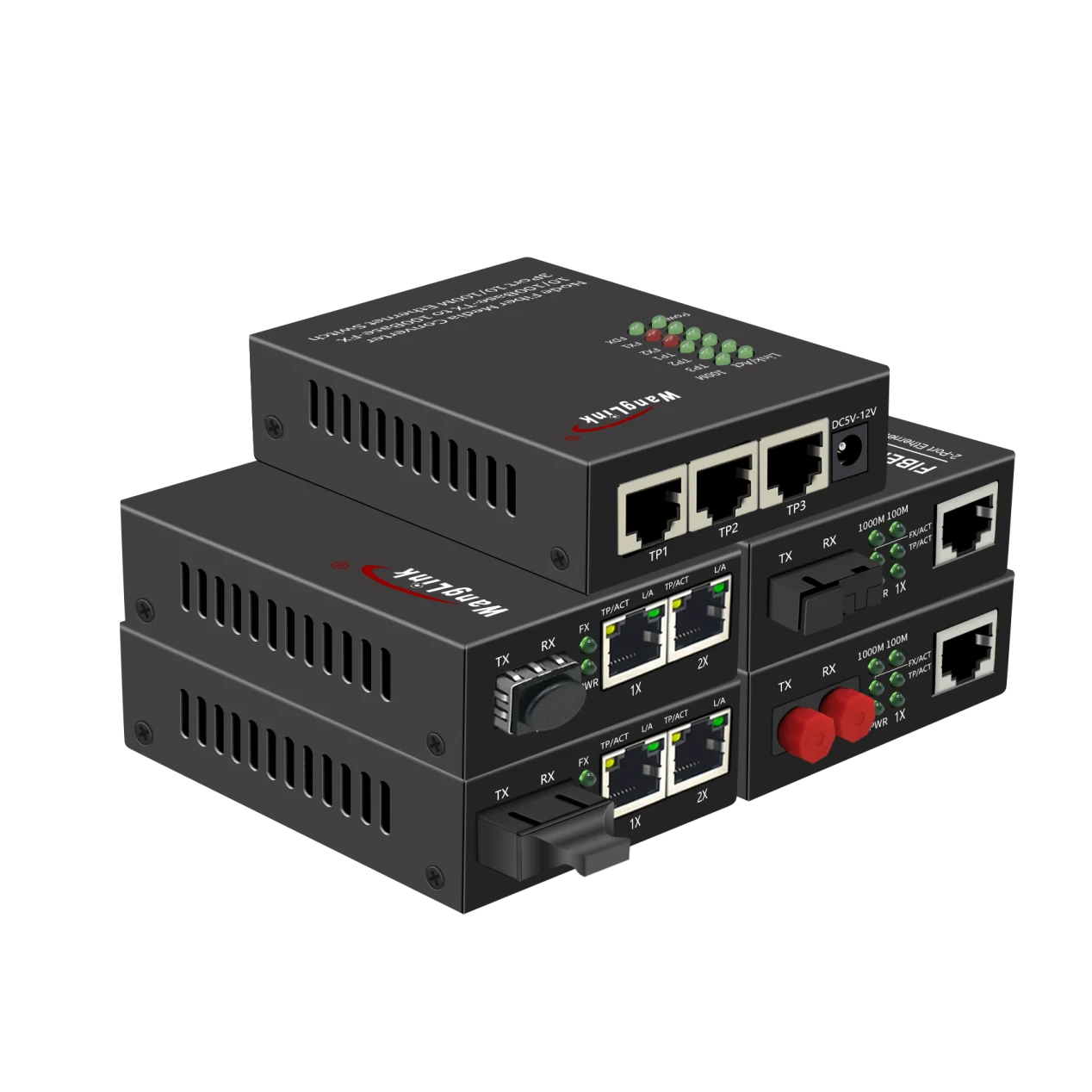
What sets this converter apart is its no-fuss design. There’s no software to configure, no VLANs to set up. Just plug the fiber cable into the SC (or LC, if you ordered that option) port, connect your RJ45 device to the 10/100/1000Base-T port, and power it up. The store-and-forward switching engine keeps packet loss low and latency under 5 microseconds, which matters a lot when you’re streaming real-time video or running time-sensitive process control systems. And because it uses an imported ASIC chipset paired with a quality laser transceiver, the signal stays strong even in environments with electrical noise or temperature swings from -10°C to 70°C.
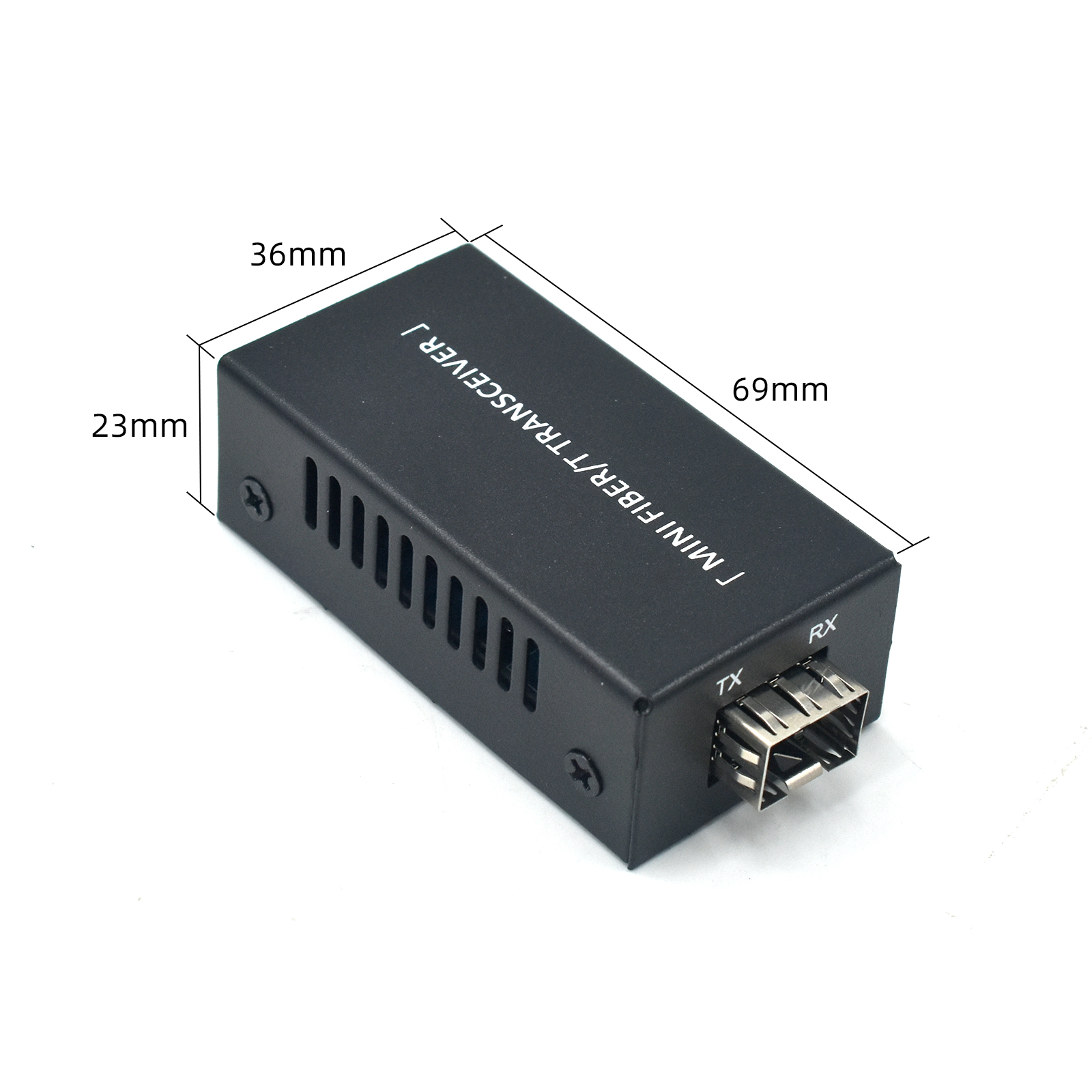
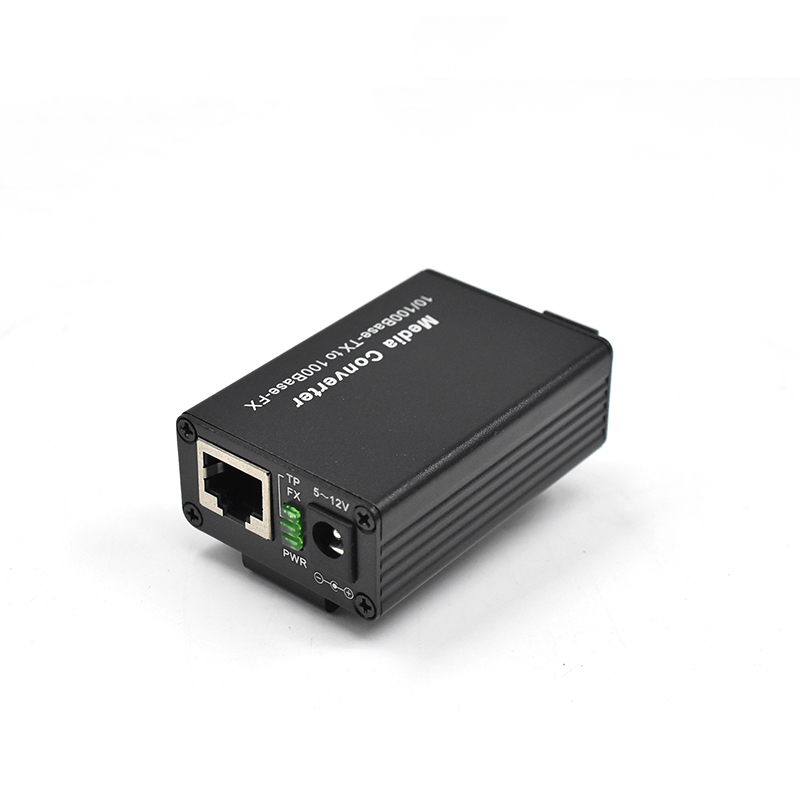
Who actually uses these fiber to ethernet media converters? We see them deployed in power automation control systems, safe city projects, airport surveillance, and even subway control systems. The common thread is the need to bridge a long gap—often several kilometers—without signal degradation. The compact metal housing (69mm x 36mm x 23mm) means it fits neatly in a small junction box or on a desktop shelf, and the total power draw is only 5W, so you won’t worry about heat buildup or high electricity bills.
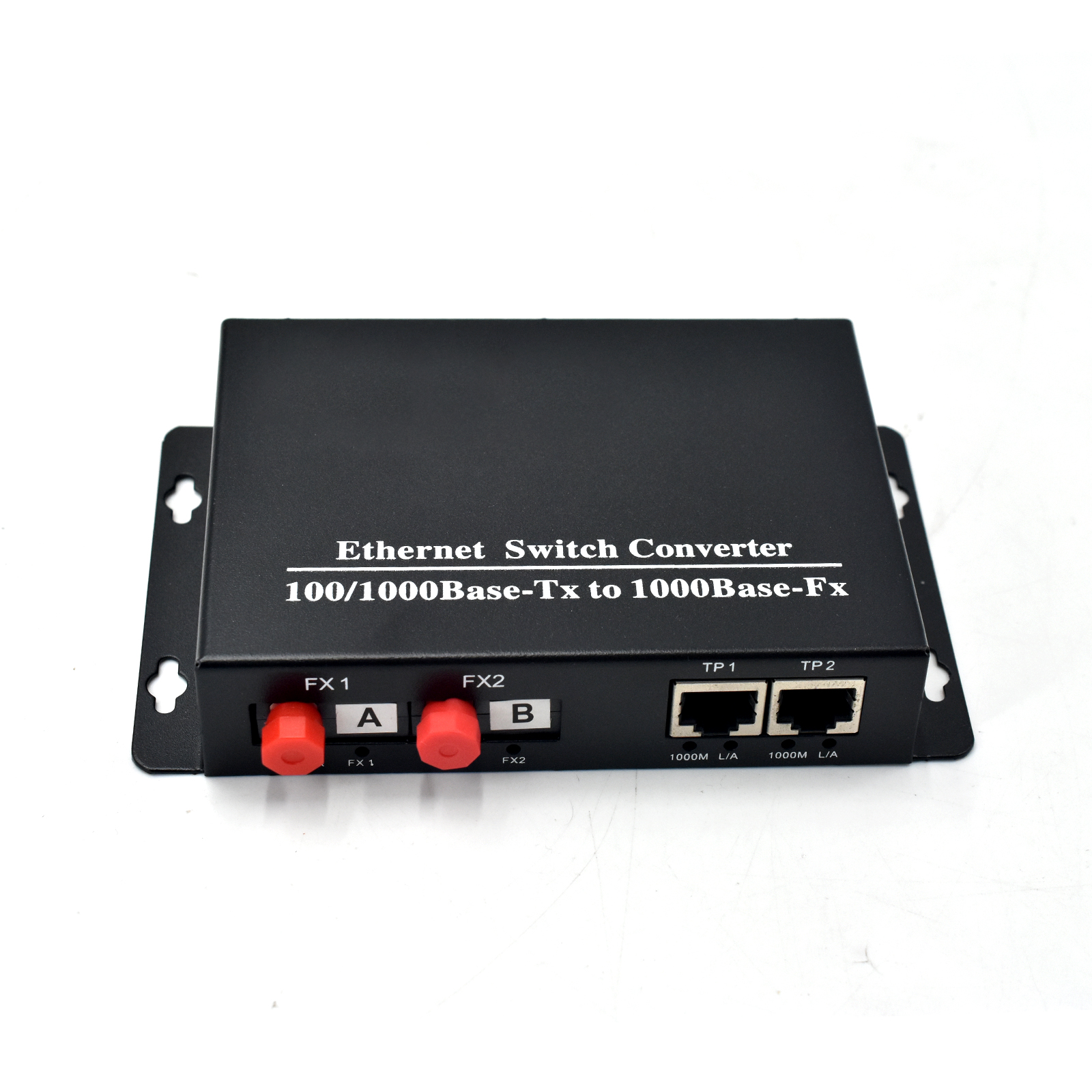
One thing to note: since this is an unmanaged media converter, it’s best paired with another identical unit (sold in pairs) or a fiber-capable switch on the other end. For single-fiber single-mode links, make sure you connect the TX1310 and RX1550 ends correctly—the instructions in the box walk you through that. For typical dual-fiber setups, it’s even simpler: just match the RX/TX labels.
Bottom line: if you need a cost-effective, rock-solid way to convert fiber to ethernet and push your network farther, this converter delivers without the fluff or the price tag of managed alternatives. It’s built for the real world where uptime and simplicity matter more than fancy features.