


Extend Your Network with Power – A Practical Fiber Media Converter with PoE
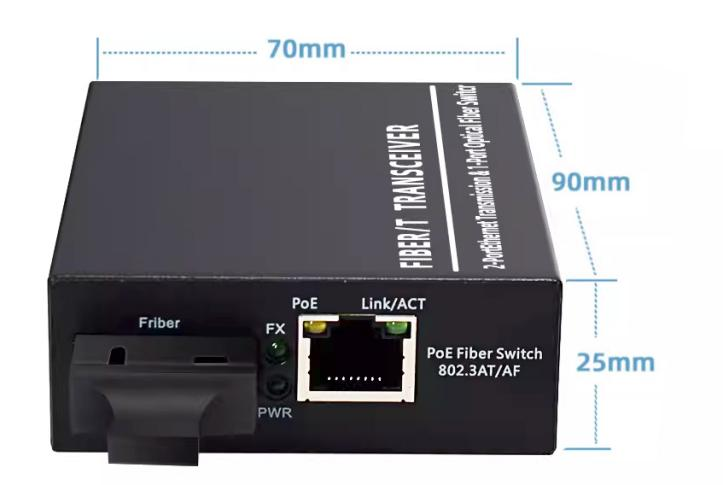
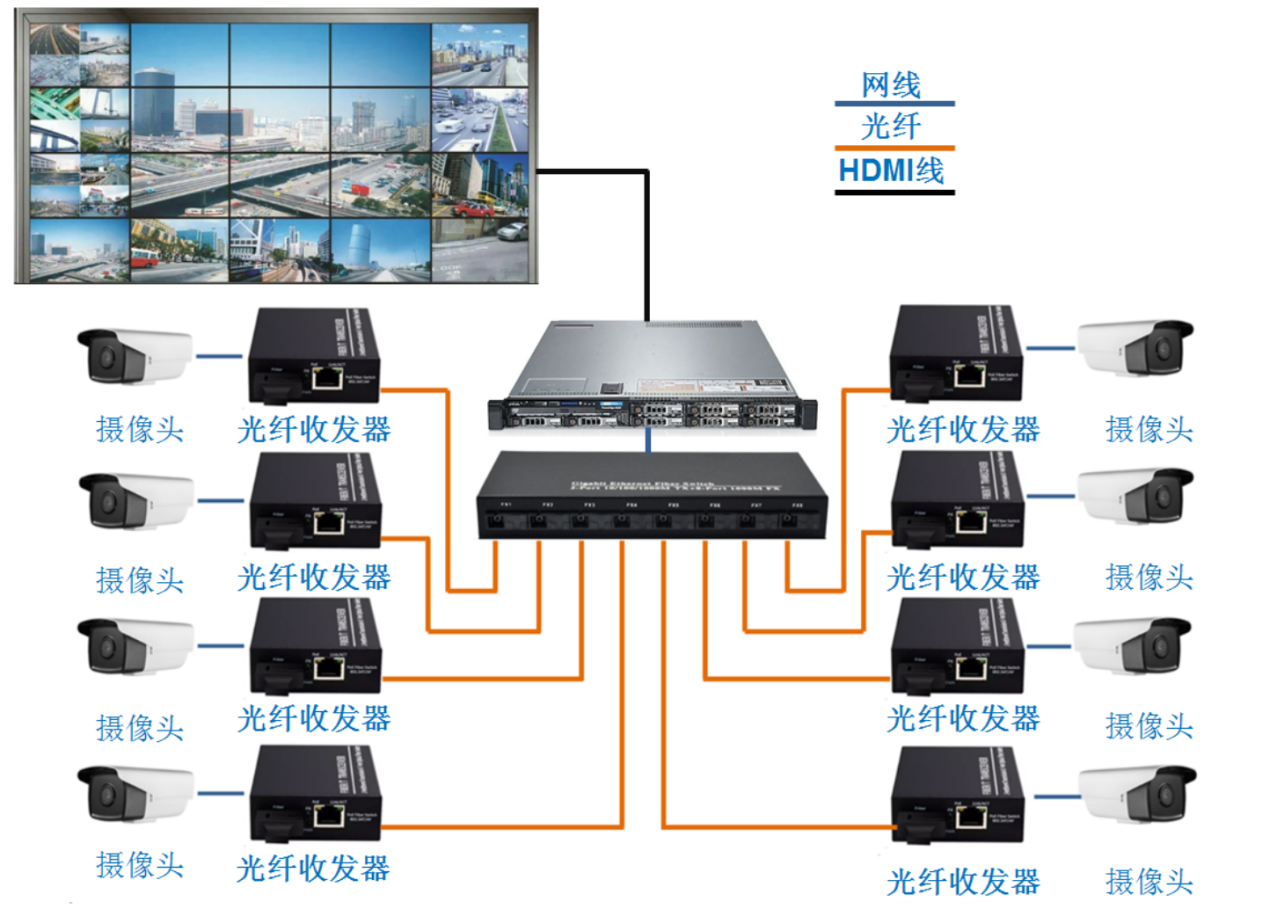
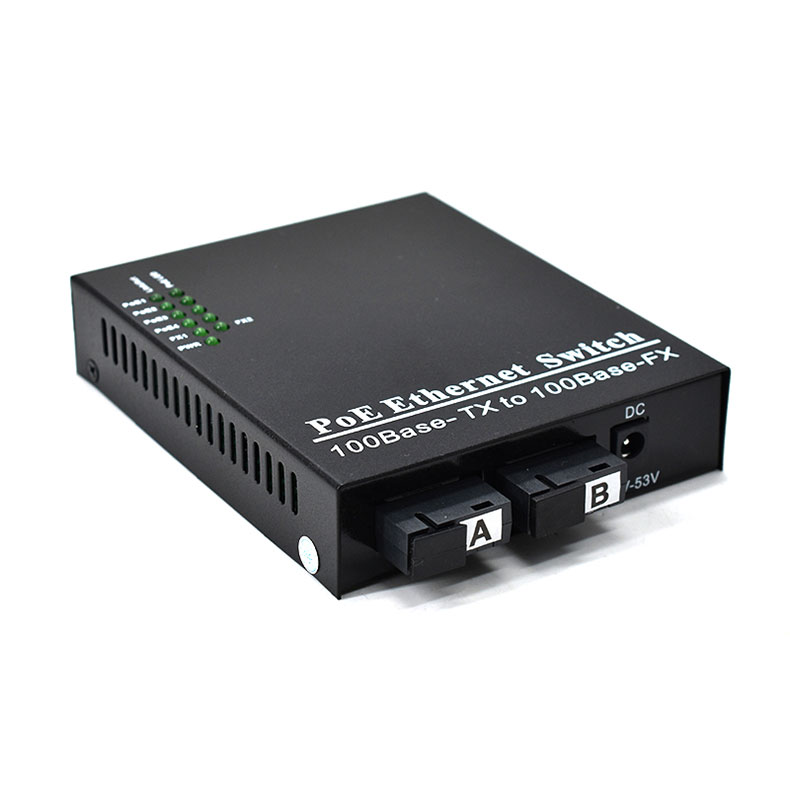
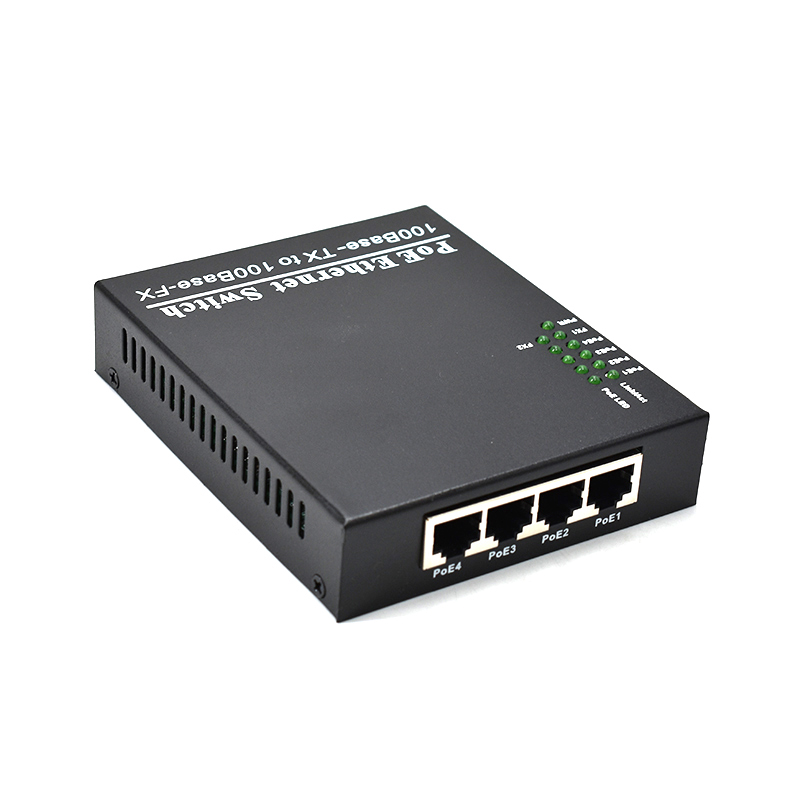
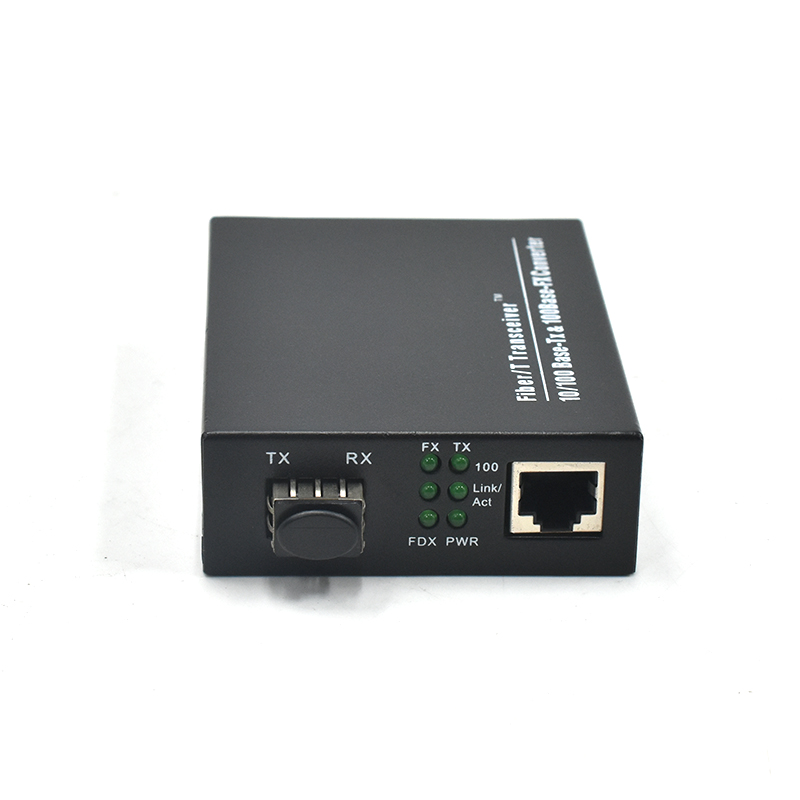
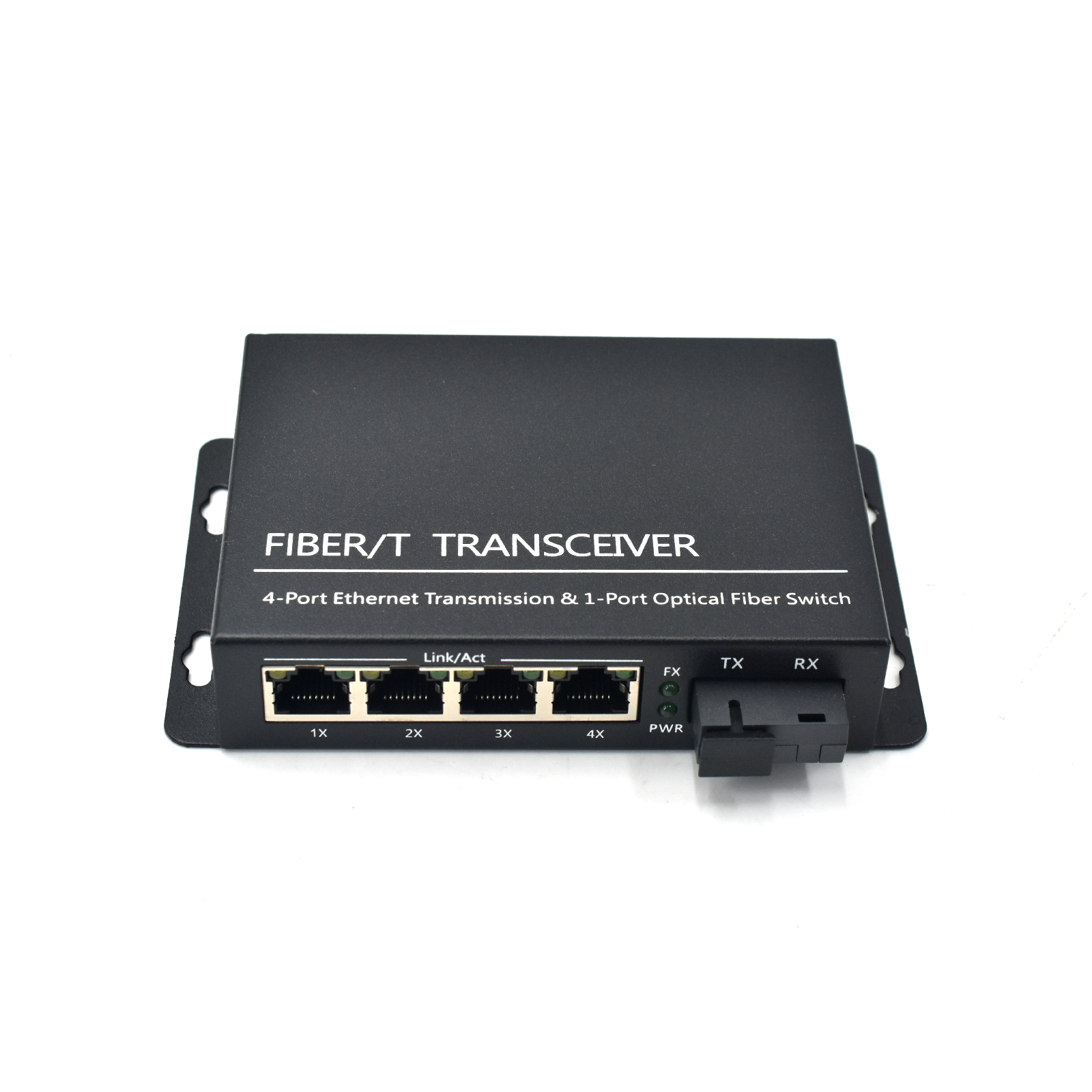
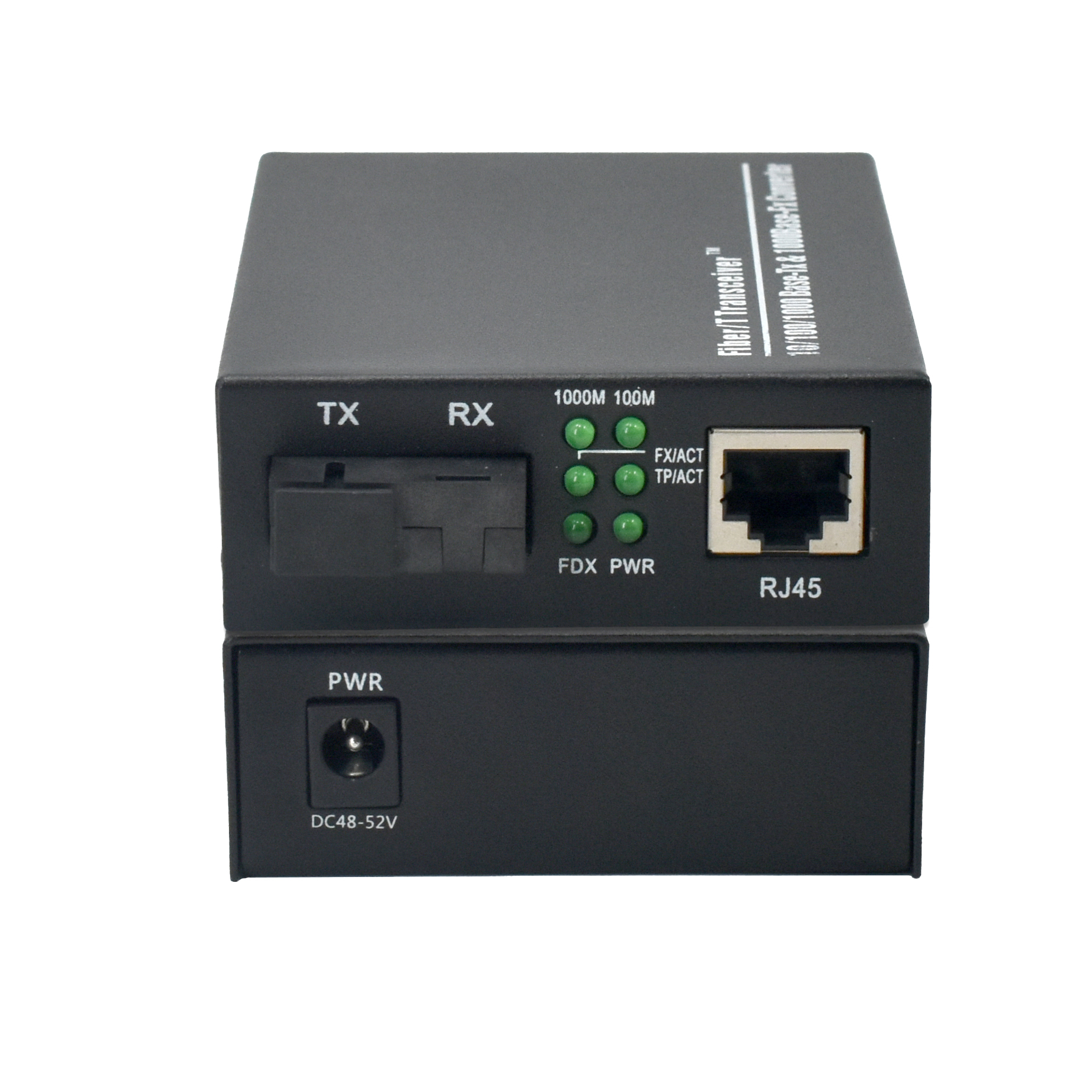
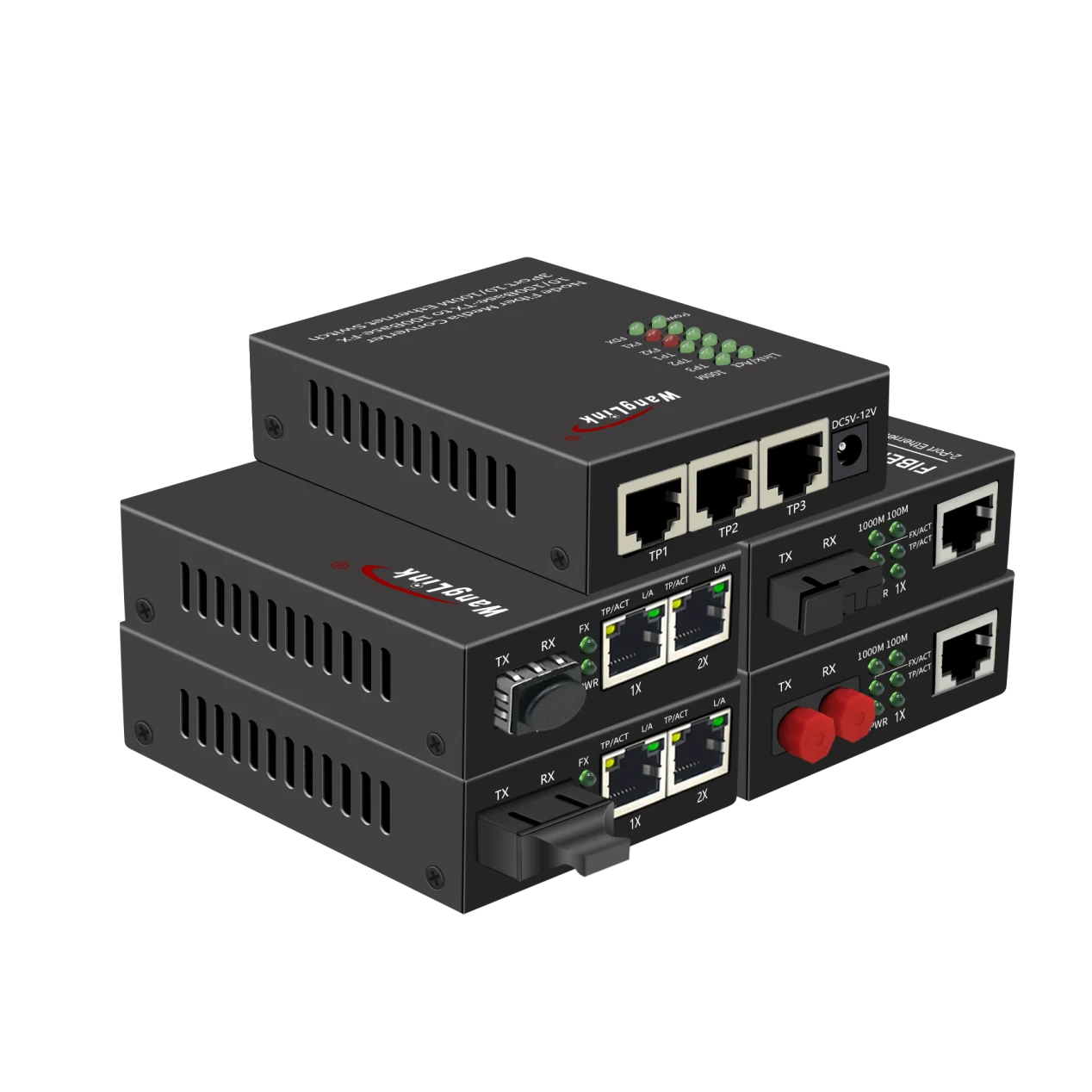
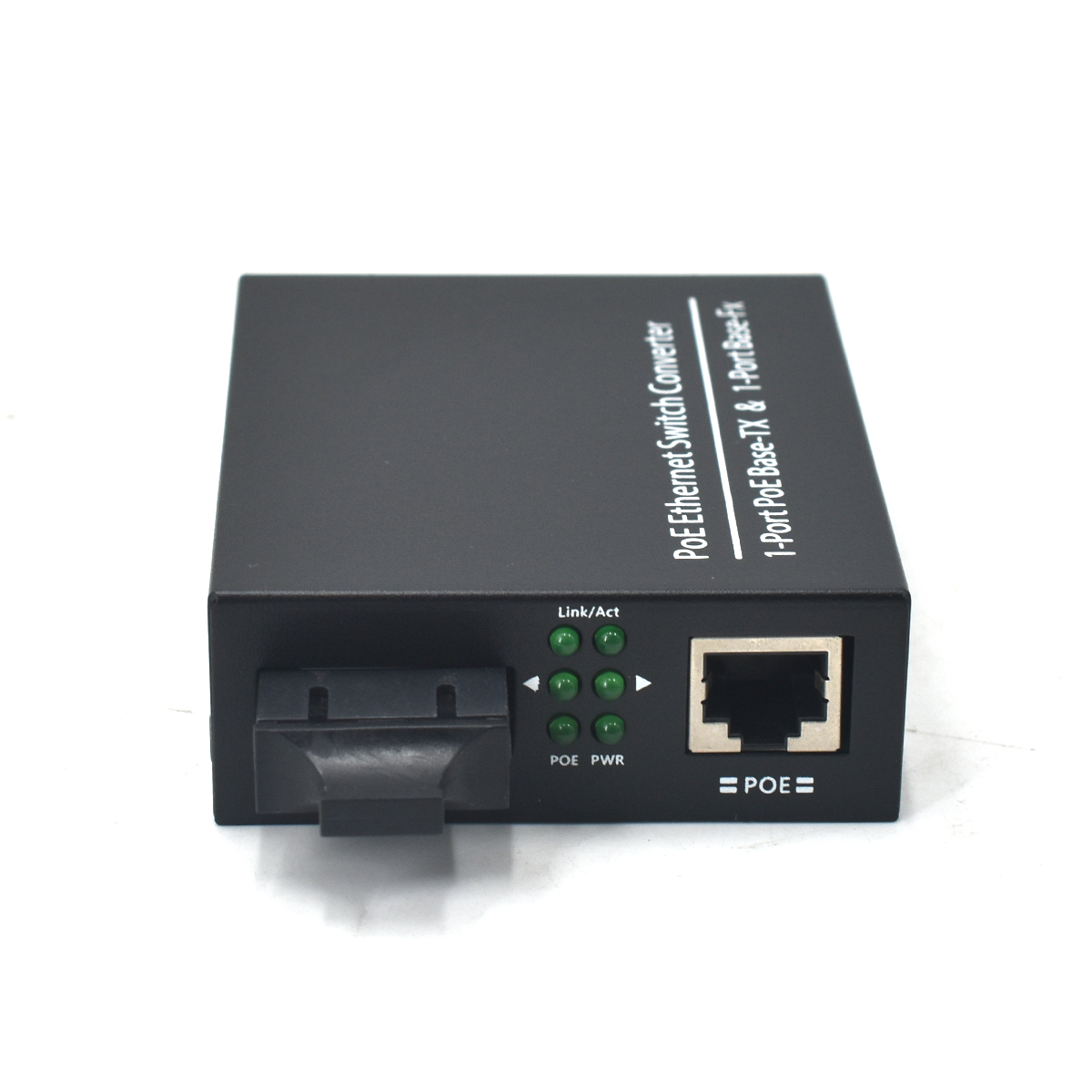
If you’re running IP cameras, Wi-Fi access points, or VoIP phones in a hotel, supermarket, or small office, you’ve likely run into two problems: distance limits of copper Ethernet and the need to power devices at the remote end. This unmanaged fiber media converter with PoE solves both in one compact box. It takes a standard 10/100Base-TX connection from your switch, converts it to 100Base-X fiber, and provides up to 30W of IEEE 802.3af/at PoE power on the RJ45 port to the attached device. No separate power injector or power outlet required at the camera side – just one cable.
The unit automatically detects PoE compatibility before delivering power, so plugging a non-PoE laptop or printer won’t damage it. With plug-and-play setup, you can deploy it in minutes without touching any configuration menu. The metal housing acts as a heatsink, keeping the low-power chipset cool even in enclosures or outdoor cabinets where ambient temperature hits 60°C. For smaller deployments where cost and simplicity matter most, this is a straightforward way to bridge fiber backbone with PoE endpoints.
Who Should Use It?
IT administrators in small to medium businesses, security integrators installing CCTV networks in retail stores or residential complexes, and network technicians who need to extend IP surveillance beyond the 100-meter Ethernet limit. It’s also a good fit for connecting a remote PoE device across a campus or between buildings where fiber is already in place.
Key Capabilities at a Glance
- Fiber + PoE in one device – no separate media converter and injector needed, saving rack space and cabling cost.
- 30W PoE+ output – powers high-draw devices like PTZ cameras or outdoor APs with ease.
- Auto-sensing & auto-negotiation – supports half/full duplex and MDI/MDI-X on the copper side, and speed detection on fiber.
- Metal chassis with natural cooling – reliable in environments where fans collect dust or fail.
- Plug-and-play zero config – ideal for quick deployments where IT staff may not be on-site.