

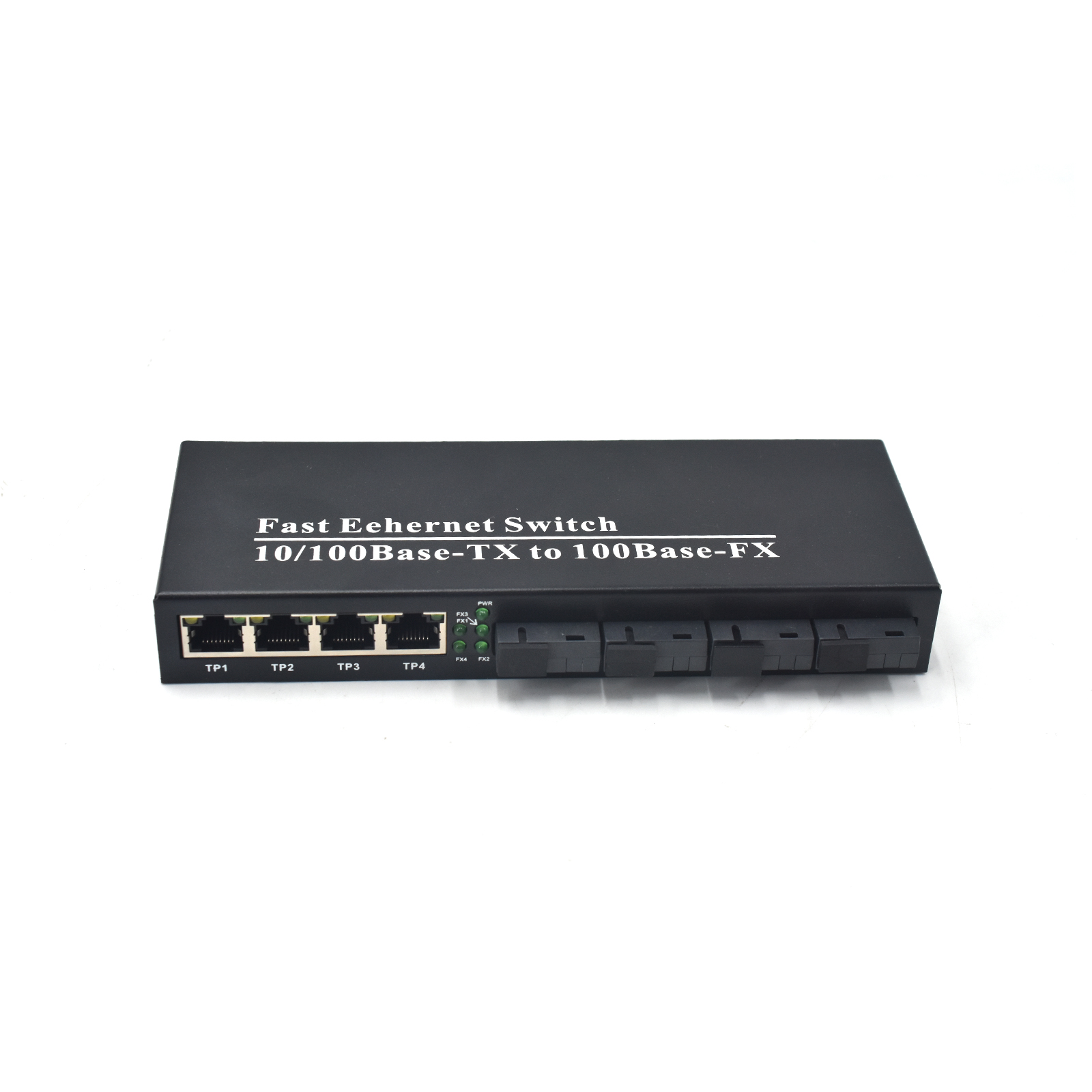
Extend Your Copper Network with Fiber – No Config Required
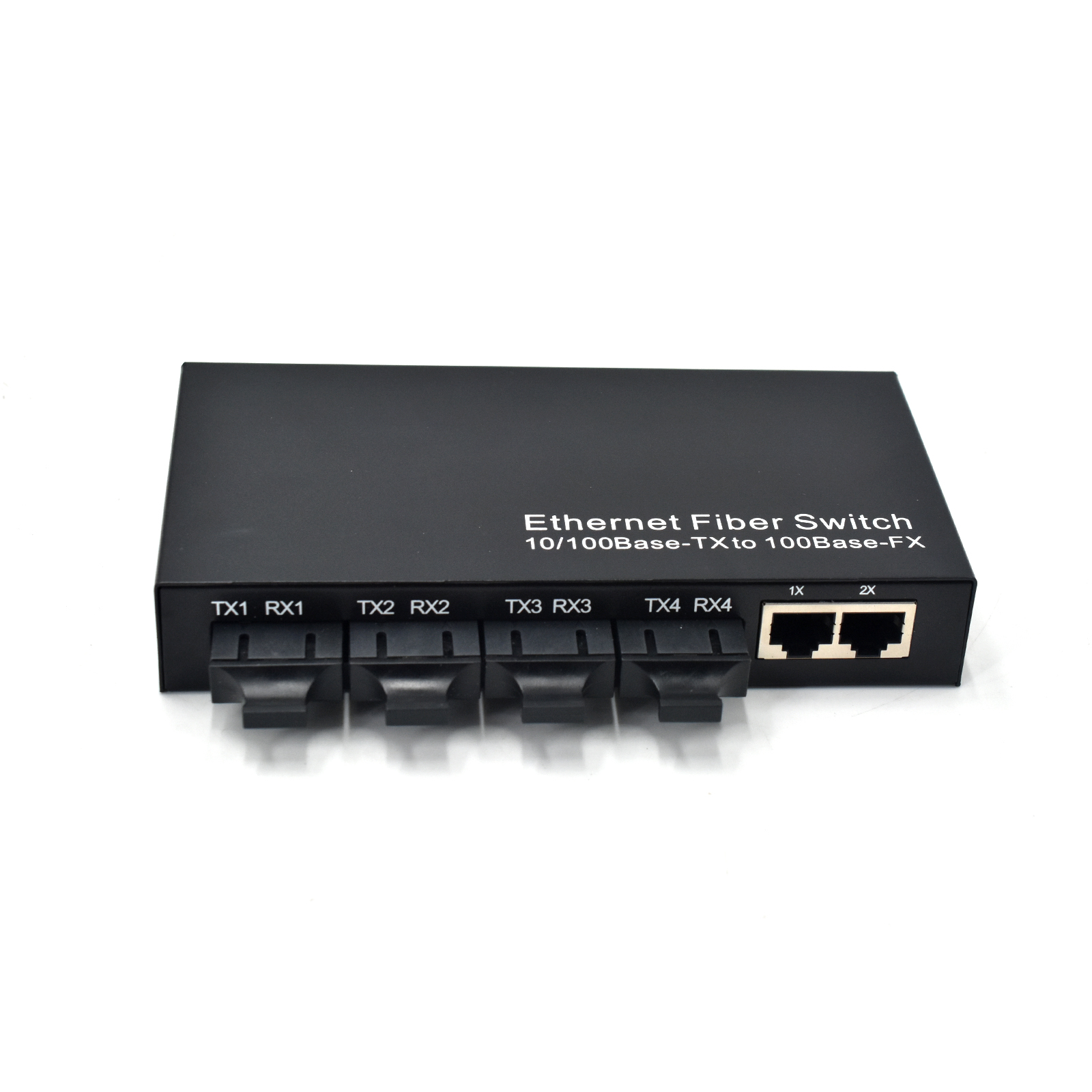
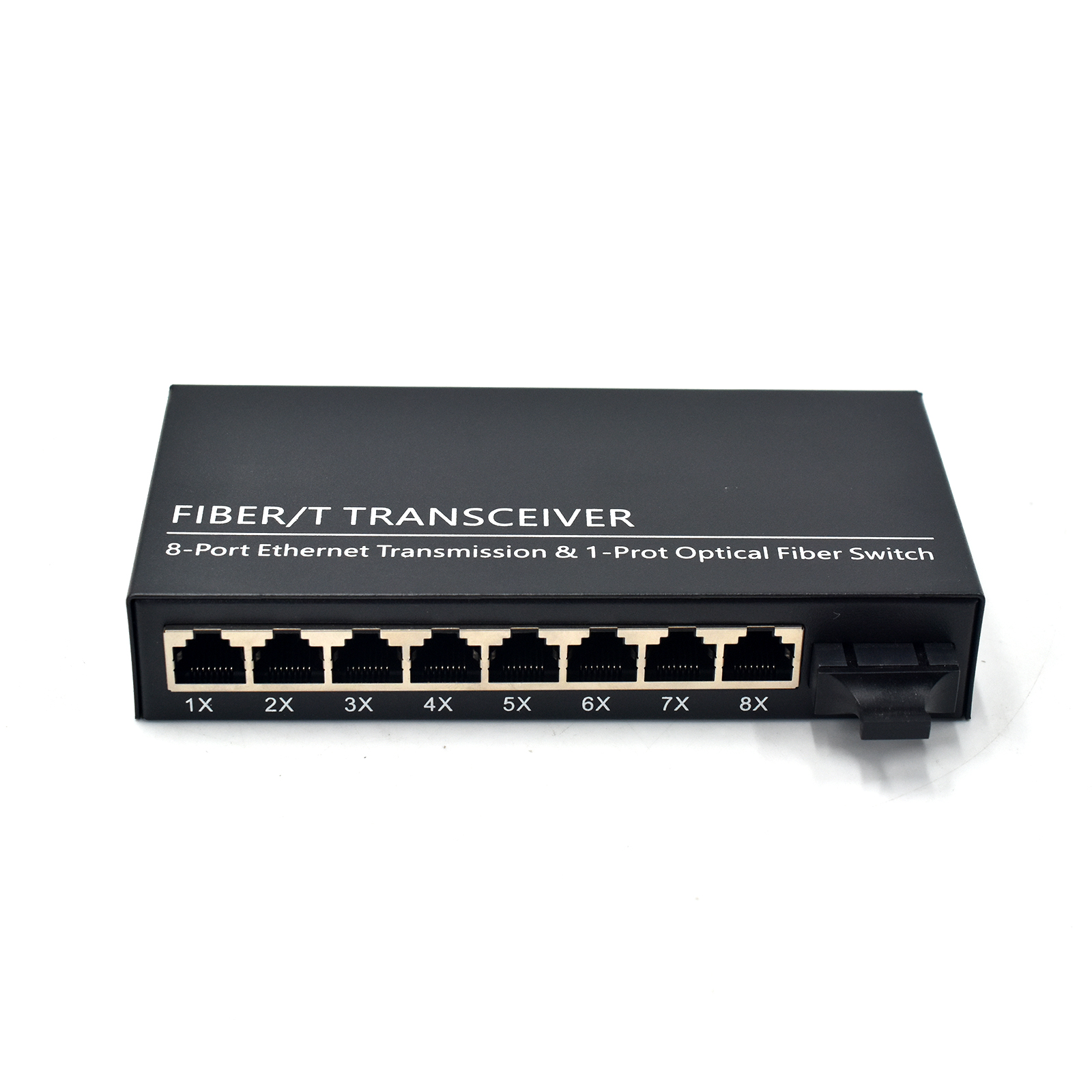
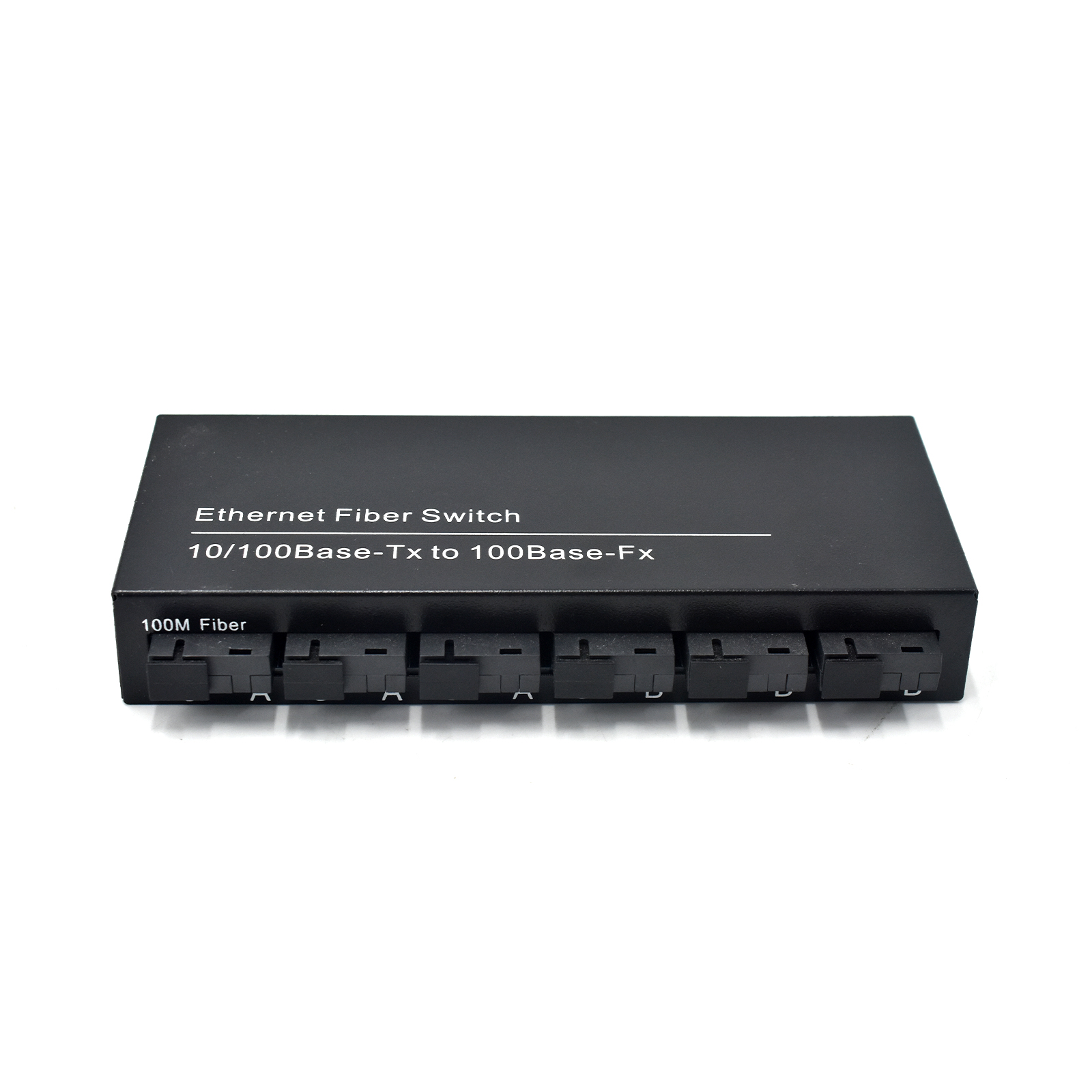
If you’re dealing with distance limits on twisted-pair cables or need to run a stable link across a campus, a warehouse, or between buildings, this copper fiber media converter gives you a straightforward way to bridge 100Base-TX copper segments and 100Base-SX/LX fiber optics. It’s not a full-blown managed switch – it’s a purpose-built, unmanaged device that handles the conversion in hardware, so you can focus on getting your network live instead of chasing CLI commands.
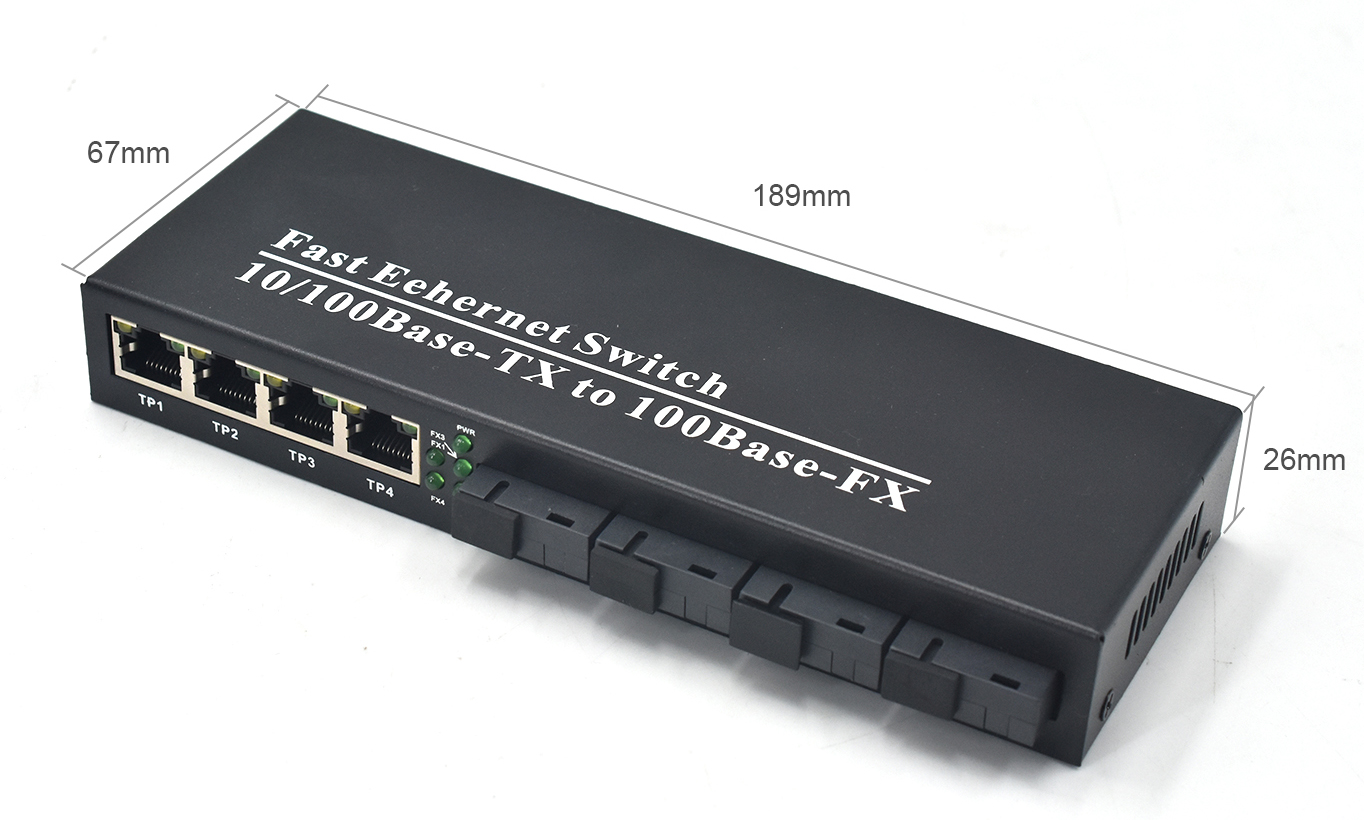
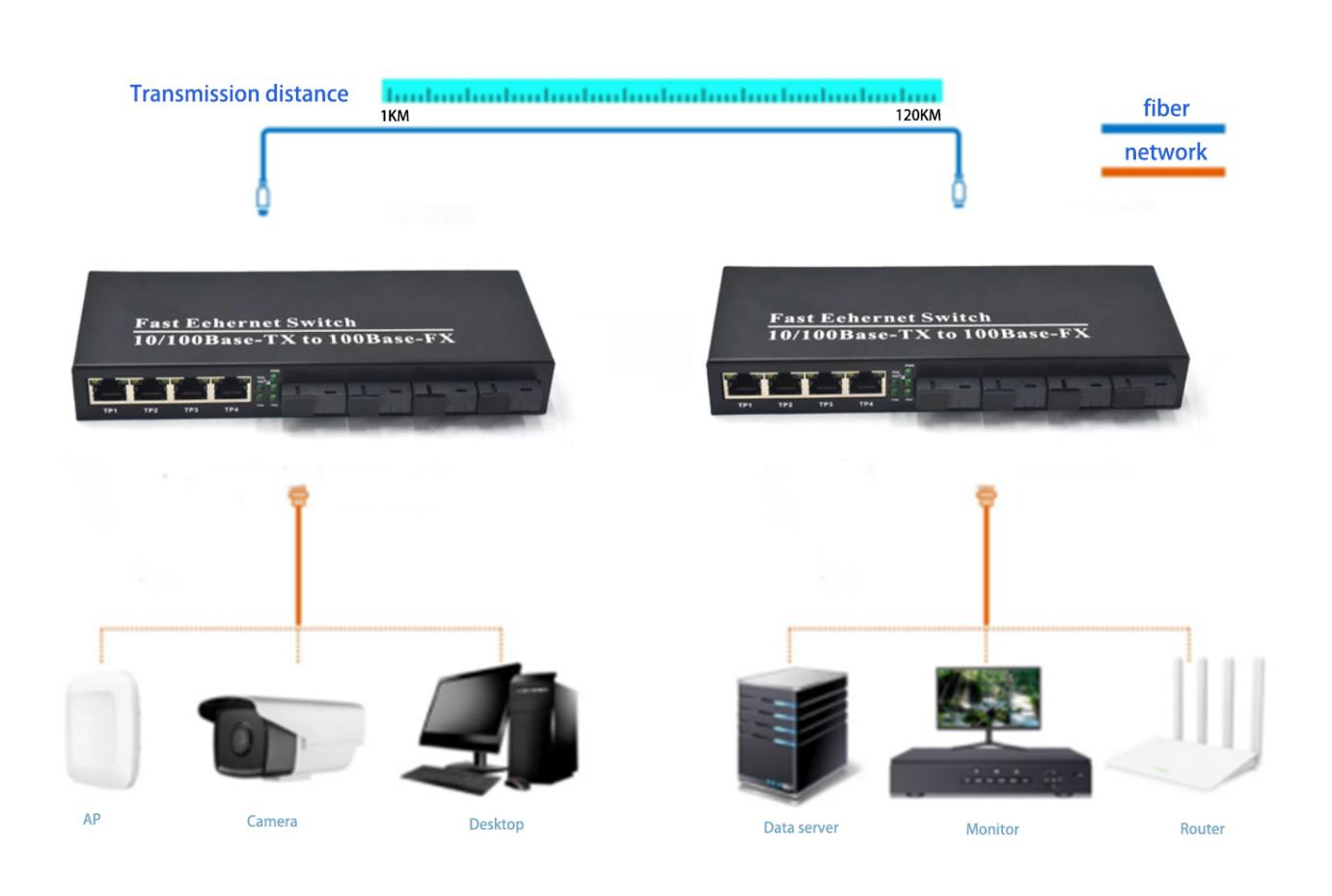
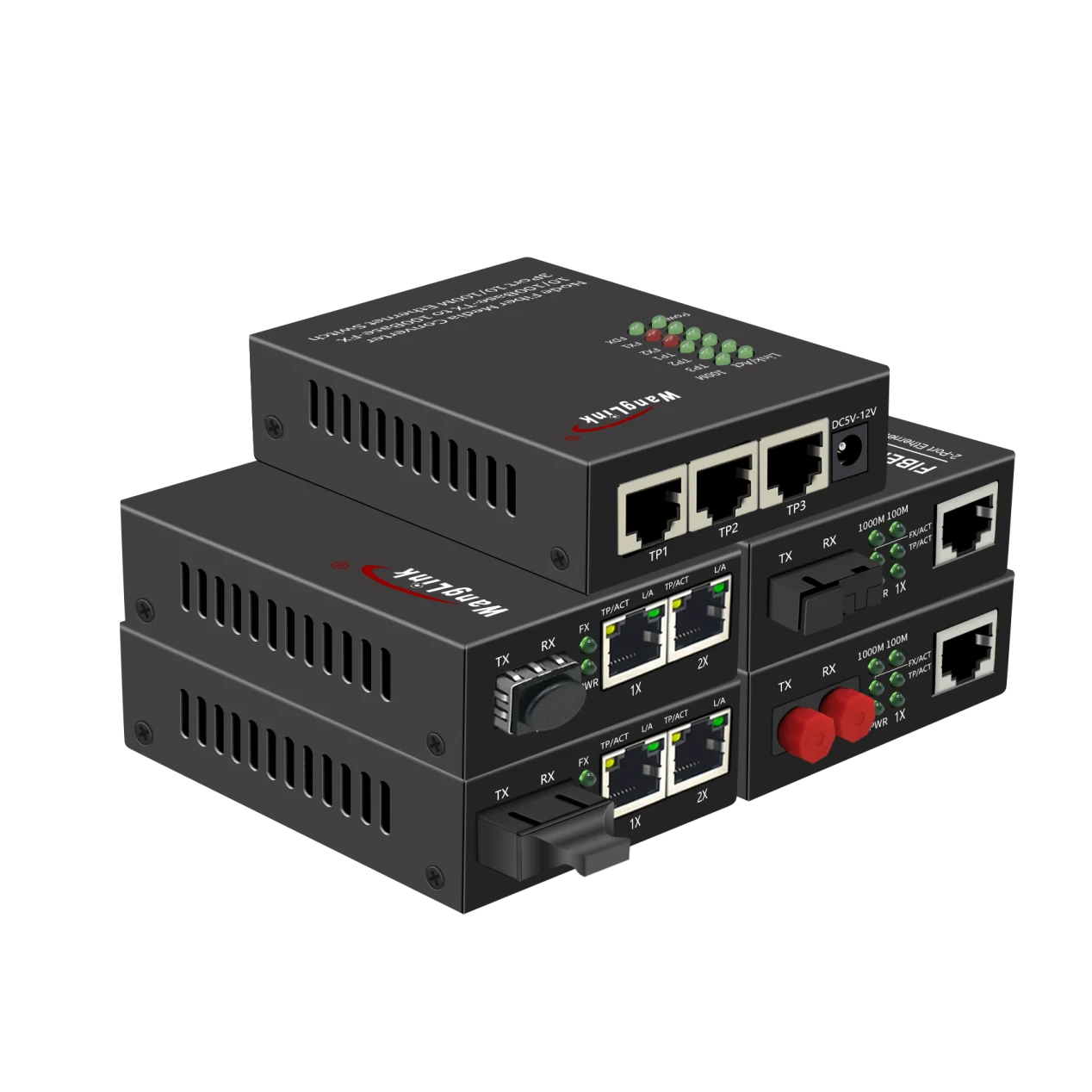
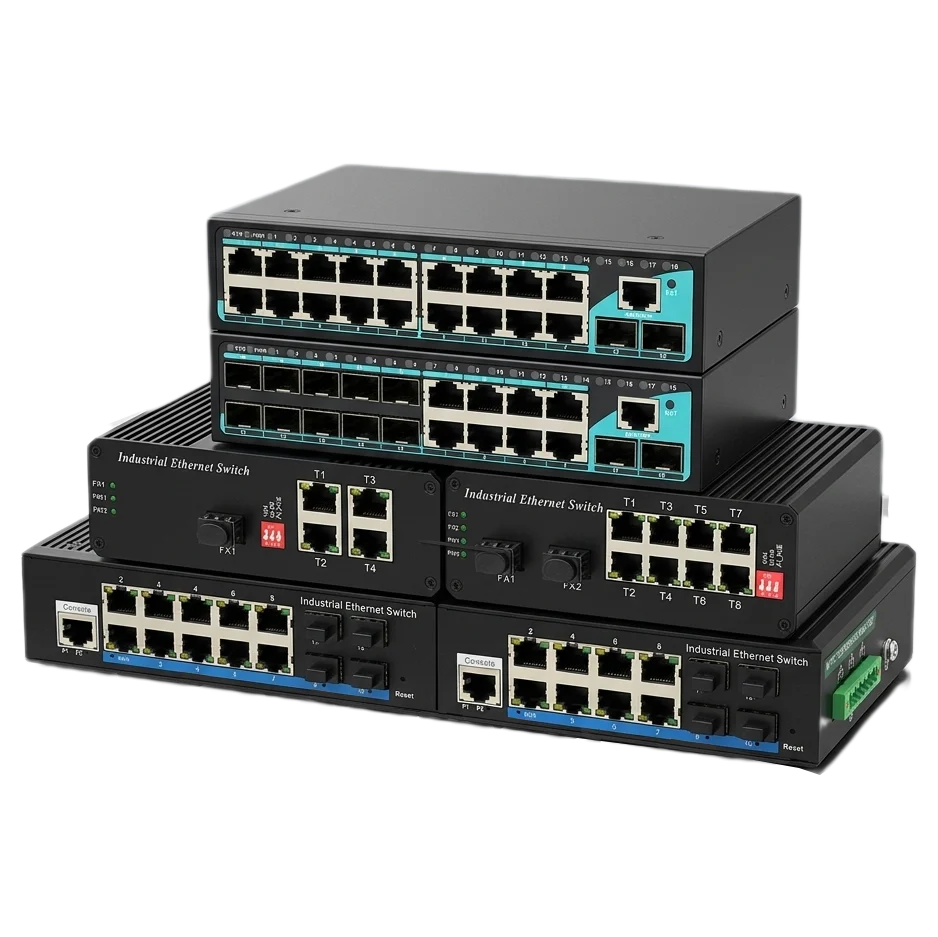
The unit packs four 10/100Mbps auto-negotiating RJ45 ports and four 155M SC fiber ports. Each copper port supports auto MDI/MDI-X and full/half duplex, so you can plug in any modern device – a surveillance camera, an access point, or a workstation – without worrying about cable types. The fiber side gives you reach from 550 meters (multi-mode) all the way up to 120 kilometers (single-mode), making it a solid choice for long-haul links between remote switches or connecting a remote office back to the main data center.
One standout feature is the one-click VLAN mode. Flick the switch and ports 1-4 become isolated from each other while still communicating with the fiber ports. This provides physical-layer isolation – handy for keeping customer traffic separate in multi-tenant setups or for segmenting security cameras without buying a managed switch.
Heat management is handled by the all-metal casing, which dissipates heat naturally – no fan, no noise, and less dust buildup. The power draw stays under 3W, so even in a cramped wiring closet or an unventilated cabinet, it won’t cook itself. Installation is desktop or wall-mount, and the compact size (189×67×26mm) means it fits behind a desk or on a DIN-rail adapter plate.
Who benefits most? IT admins managing small-to-mid-size networks that need to connect distant endpoints, system integrators deploying IP surveillance over long cable runs, and facility managers looking for low-maintenance fiber-to-the-desk solutions. The copper fiber media converter role here is clear: it extends copper Ethernet over fiber without adding complexity.