

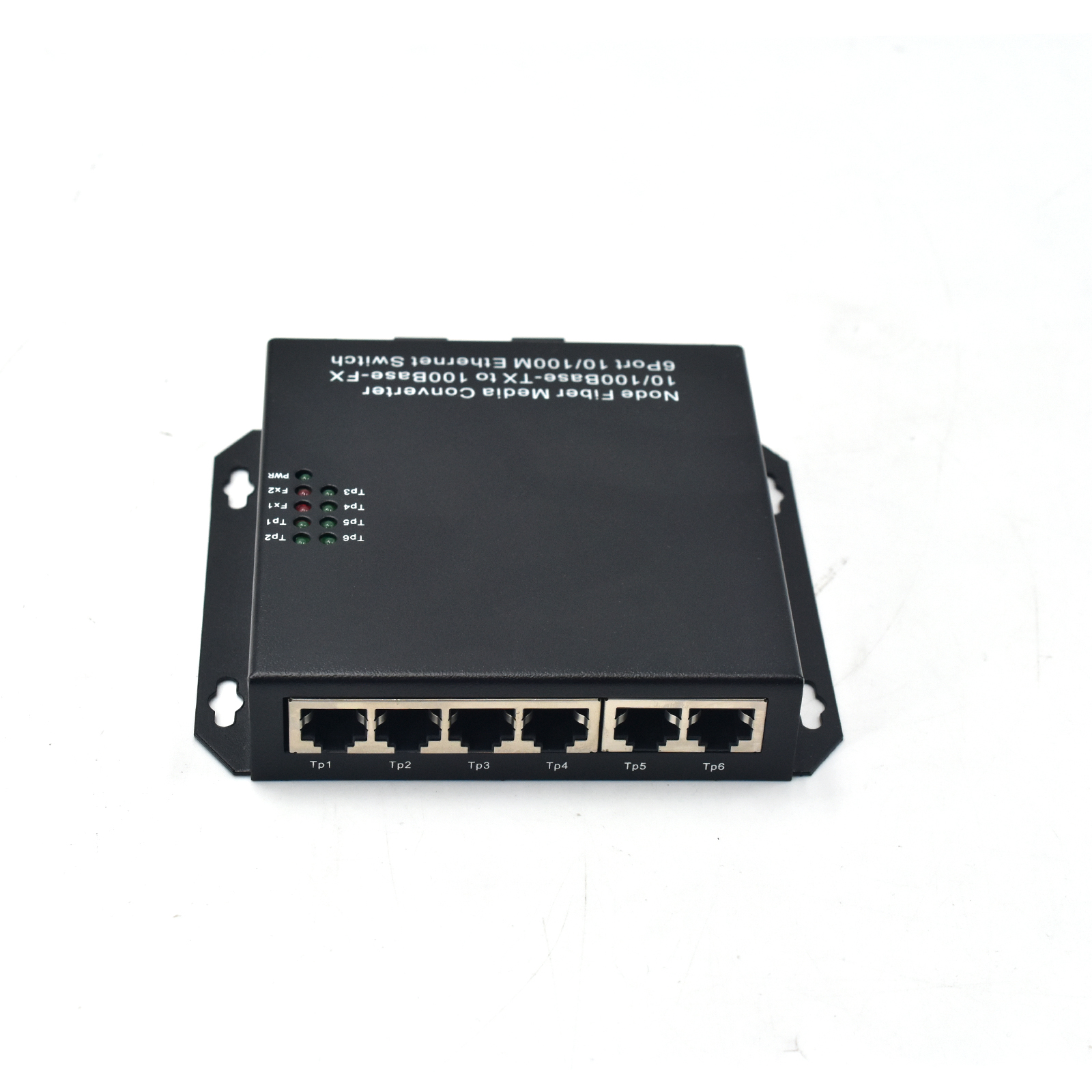
Single Mode Single Fiber Media Converter for Long-Reach Connections
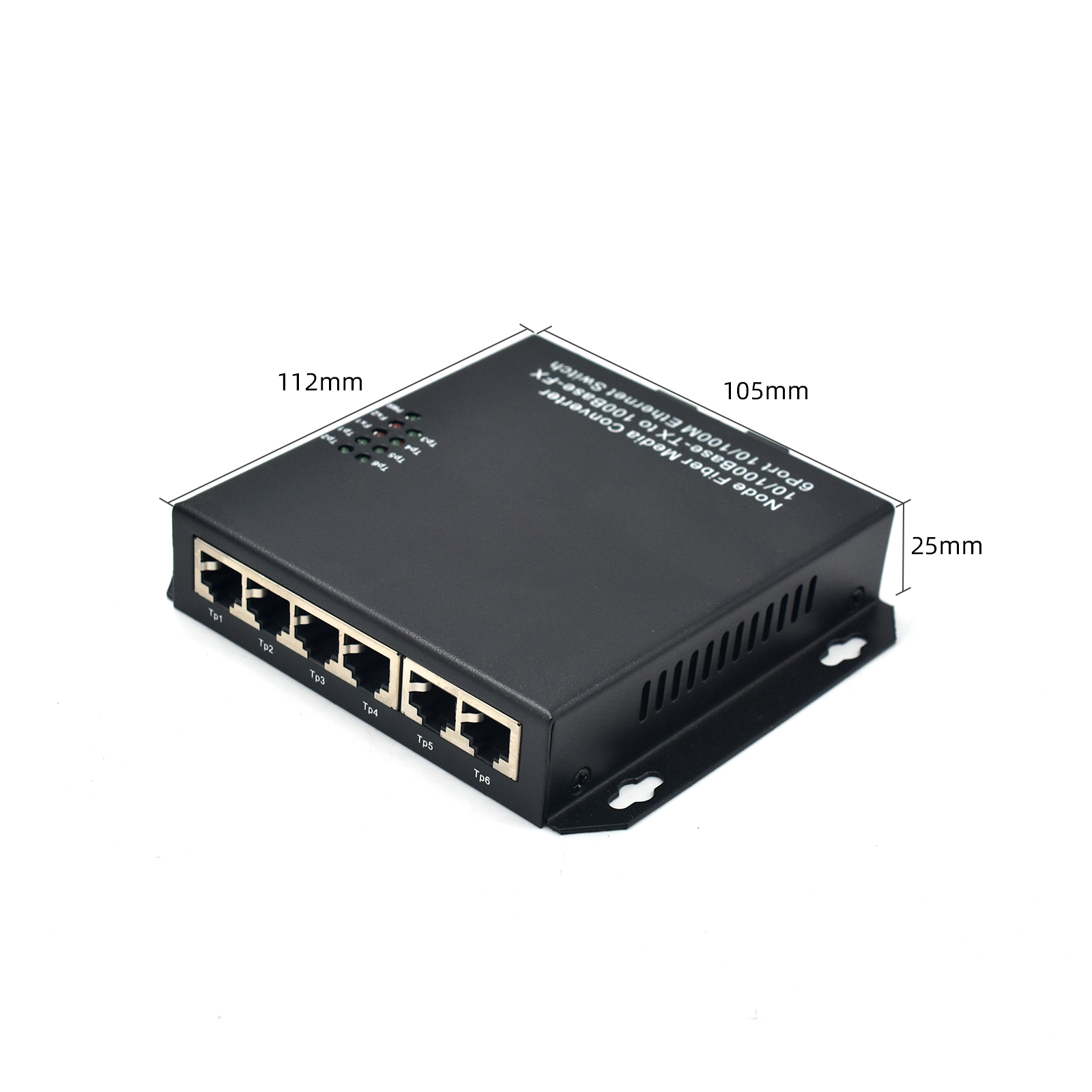
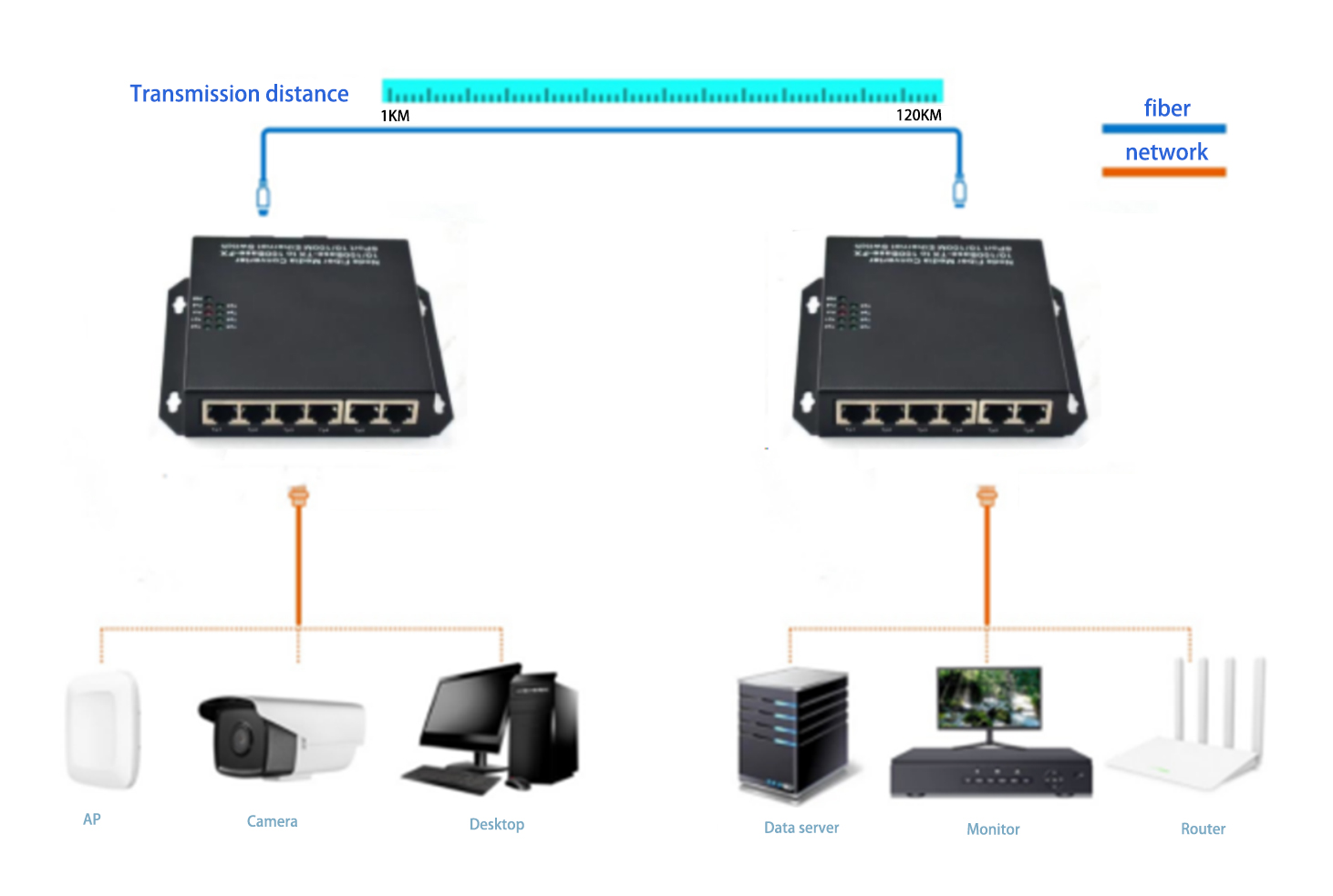
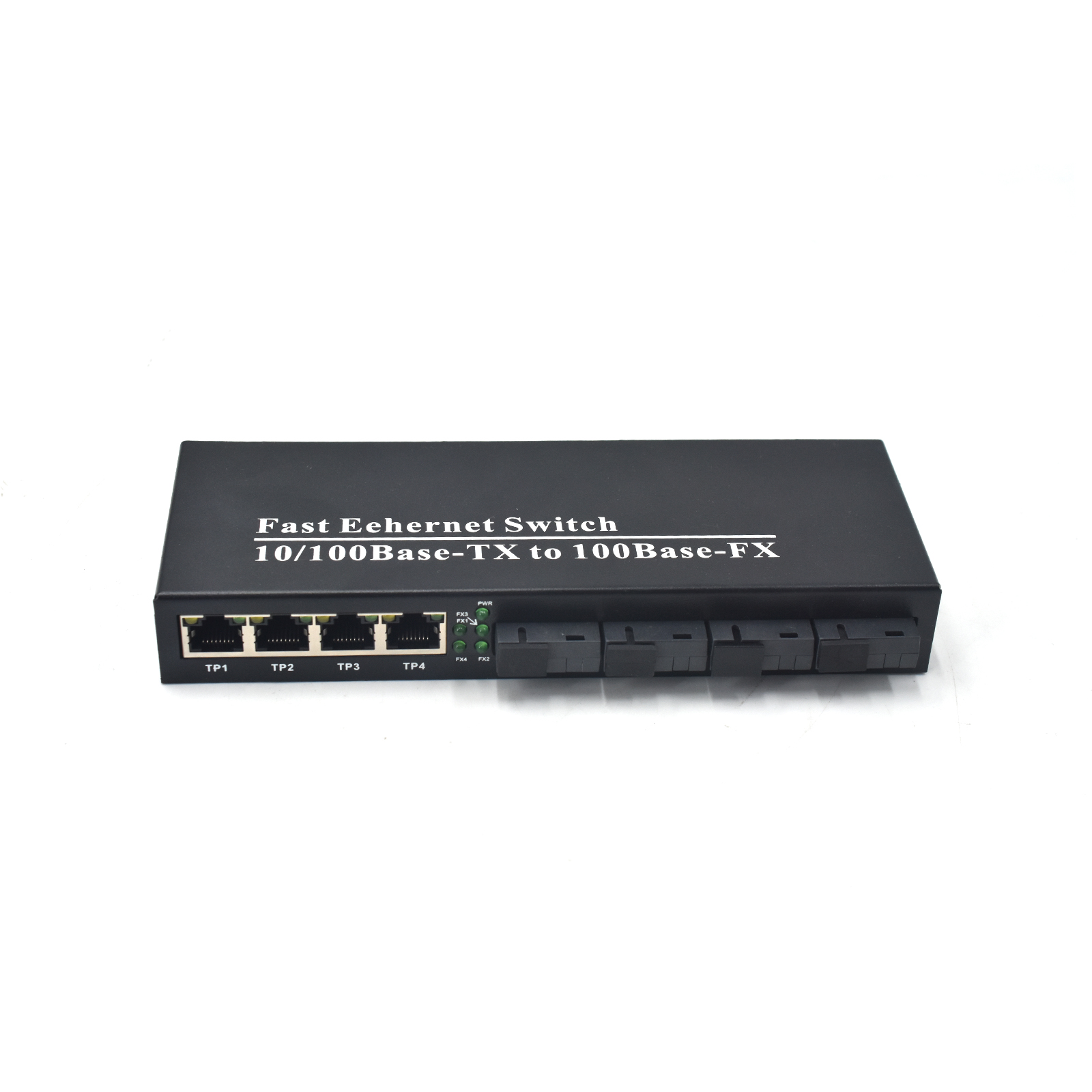
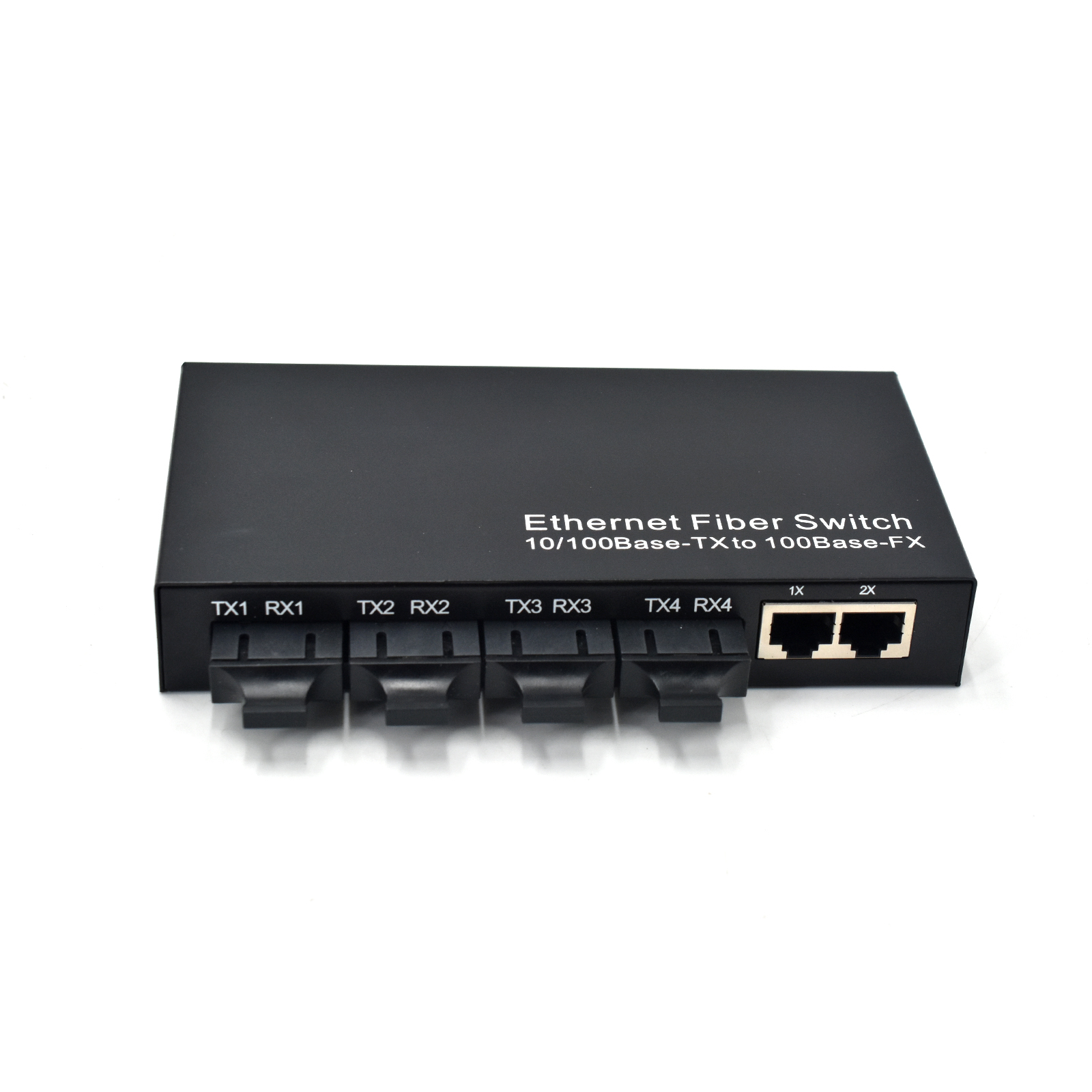
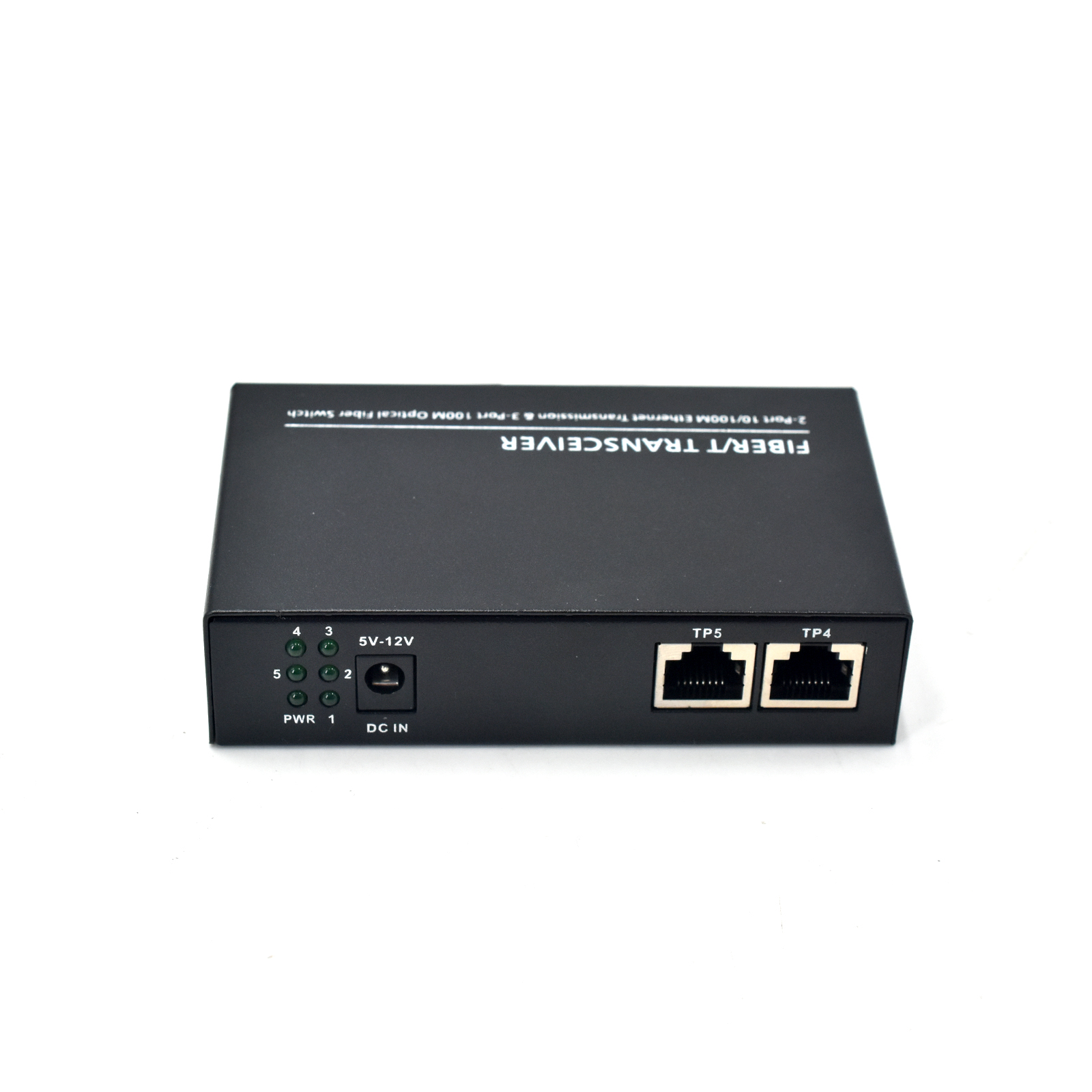
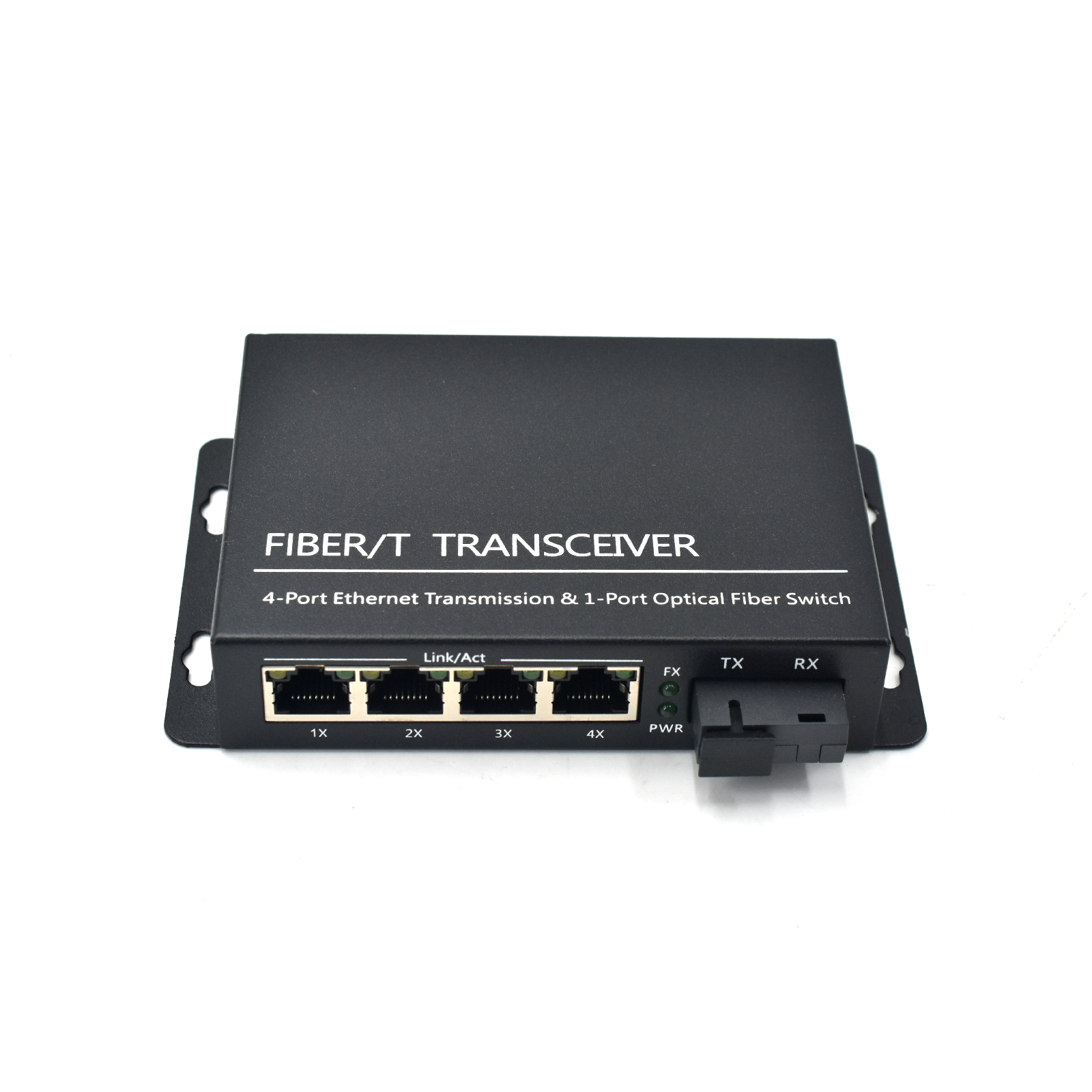
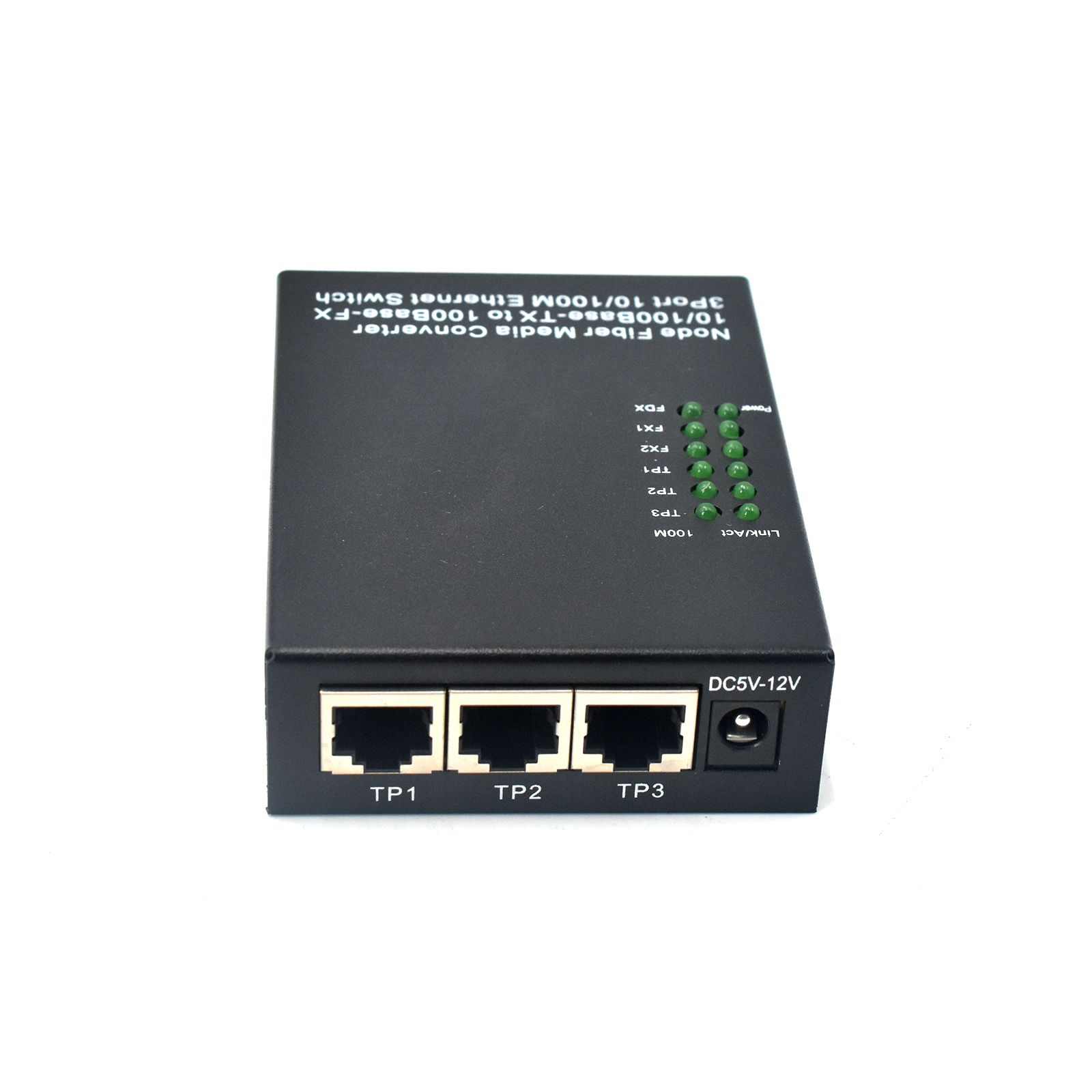
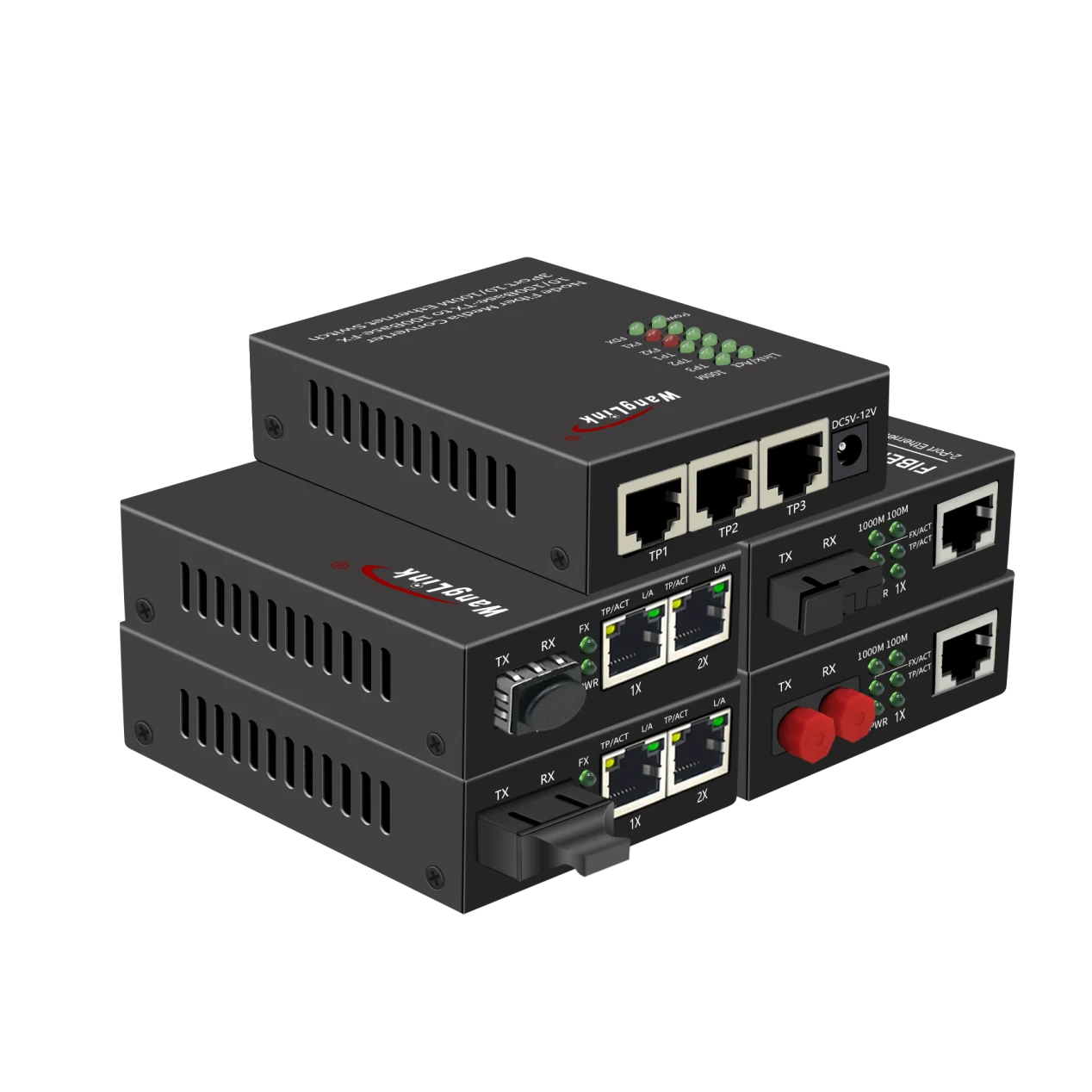
When you need to push Ethernet beyond the 100-meter copper limit, this single mode single fiber media converter gets the job done without extra setup fuss. It bridges six 10/100Base-TX twisted-pair ports to two 100Base-X SC fiber ports, letting you connect remote cameras, extend office LANs, or link separate buildings using existing single-mode fiber. The whole thing is built around a metal housing that sinks heat naturally — no fan, no noise, no dust intake.
What makes this unit a fit for IT admins and small business owners is the zero-configuration approach. Plug in power, connect your copper devices to any of the six auto-negotiating ports, patch in the fiber uplink, and the link comes up. Auto MDI/MDI-X on every copper port means you don’t have to hunt for crossover cables. Each port forwards at wire speed, so even when you’re pushing IP surveillance streams or file transfers across the fiber run, you won’t see buffer bloat or dropped frames.
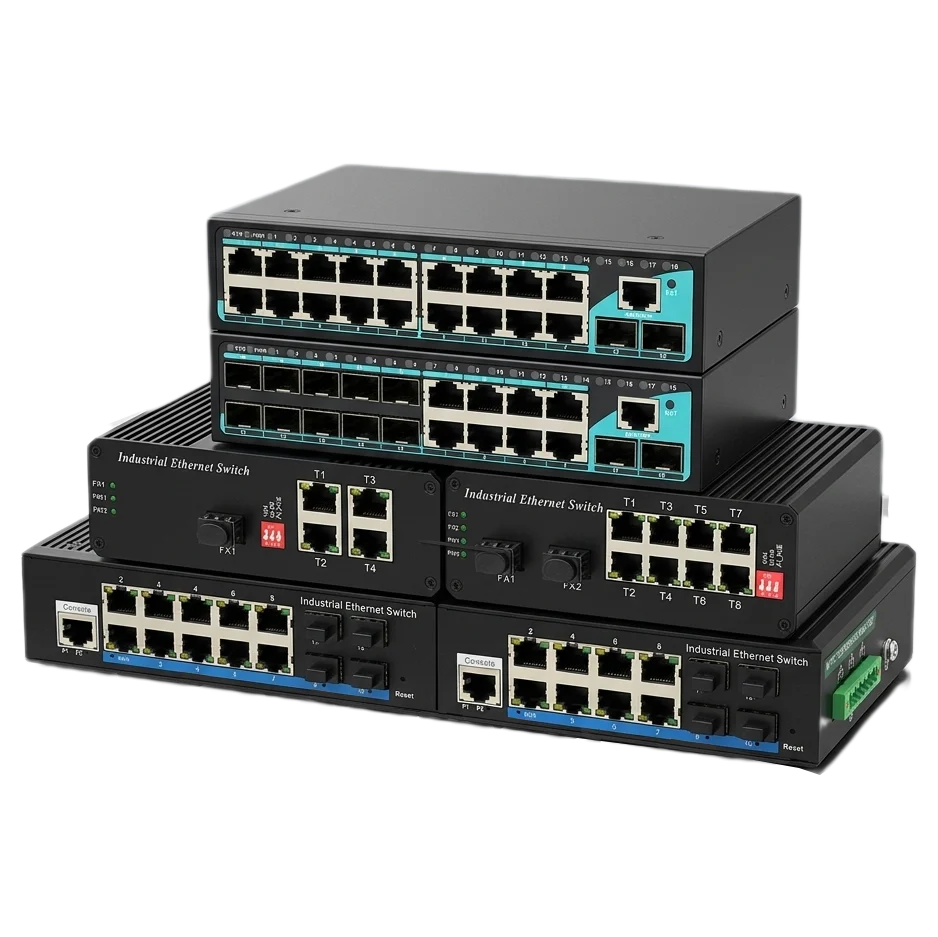
For field deployments — think factory floors, warehouse IP cameras, or campus expansions — the compact metal case can sit on a desk or be screwed to a wall. The wide power input (5V–12V DC) gives you flexibility if you’re using a local power supply or a centralized DC bus. And because it consumes under 3W, heat buildup is minimal even in enclosed junction boxes. Just keep the ambient temperature between -10°C and +60°C and this converter will run 24/7.
- Six 10/100Mbps copper ports with auto-negotiation and auto-MDI/X
- Two 100Base-X SC fiber ports (multi‑mode up to 2km, single‑mode up to 120km)
- Supports 2K MAC table, 768Kbit packet buffer, and jumbo frames up to 2048 bytes
- Store‑and‑forward switching with 1.6Gbps backplane bandwidth
- Metal shell, fanless natural cooling, desktop or wall‑mount installation
If your project calls for a reliable, no‑code way to convert copper Ethernet to single mode single fiber — and you don’t want to babysit the hardware — this media converter covers the basics well. It’s especially handy for extending network reach in remote monitoring, inter‑building trunking, or rural broadband distribution.