Executive Summary
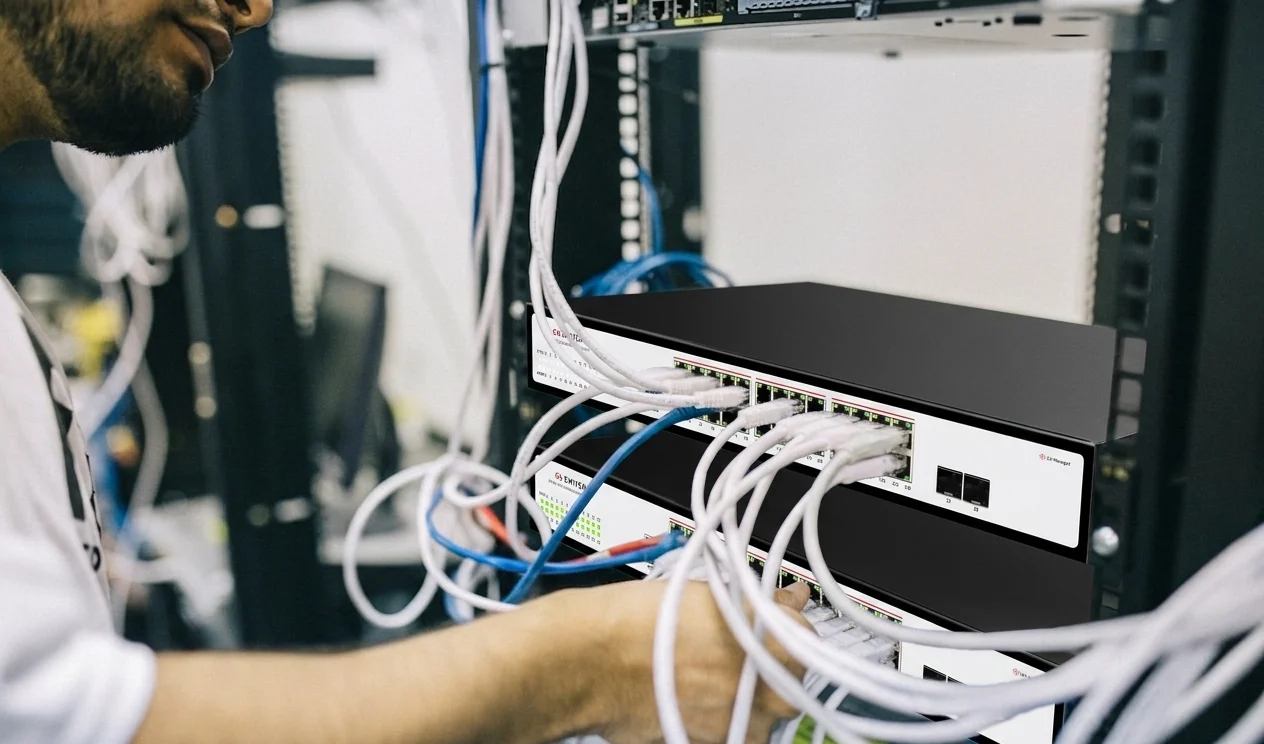
Highway toll-station surveillance places cameras and wireless equipment at the network edge, often inside roadside cabinets rather than controlled server rooms. An industrial PoE design must therefore align endpoint count, PoE budget, uplink capacity, cabinet conditions and electrical protection. This case study explains the design checks for a toll-station surveillance network and shows where the selected Wanglink switch roles must be verified against the final topology and bill of materials.
Application: Highway toll stations and roadside surveillance
Network question: How can an industrial PoE switch connect and power outdoor surveillance endpoints?
Design focus: Camera/AP count, PoE budget, uplinks, cabinet environment, surge protection and maintainability
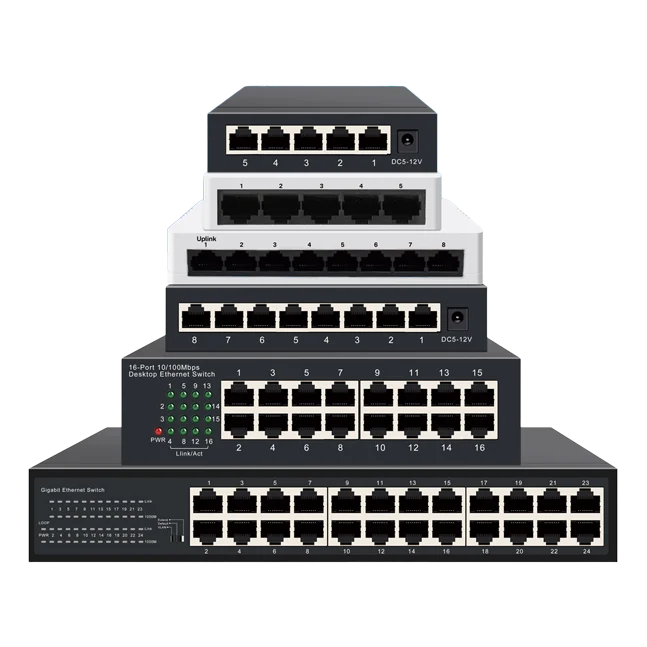
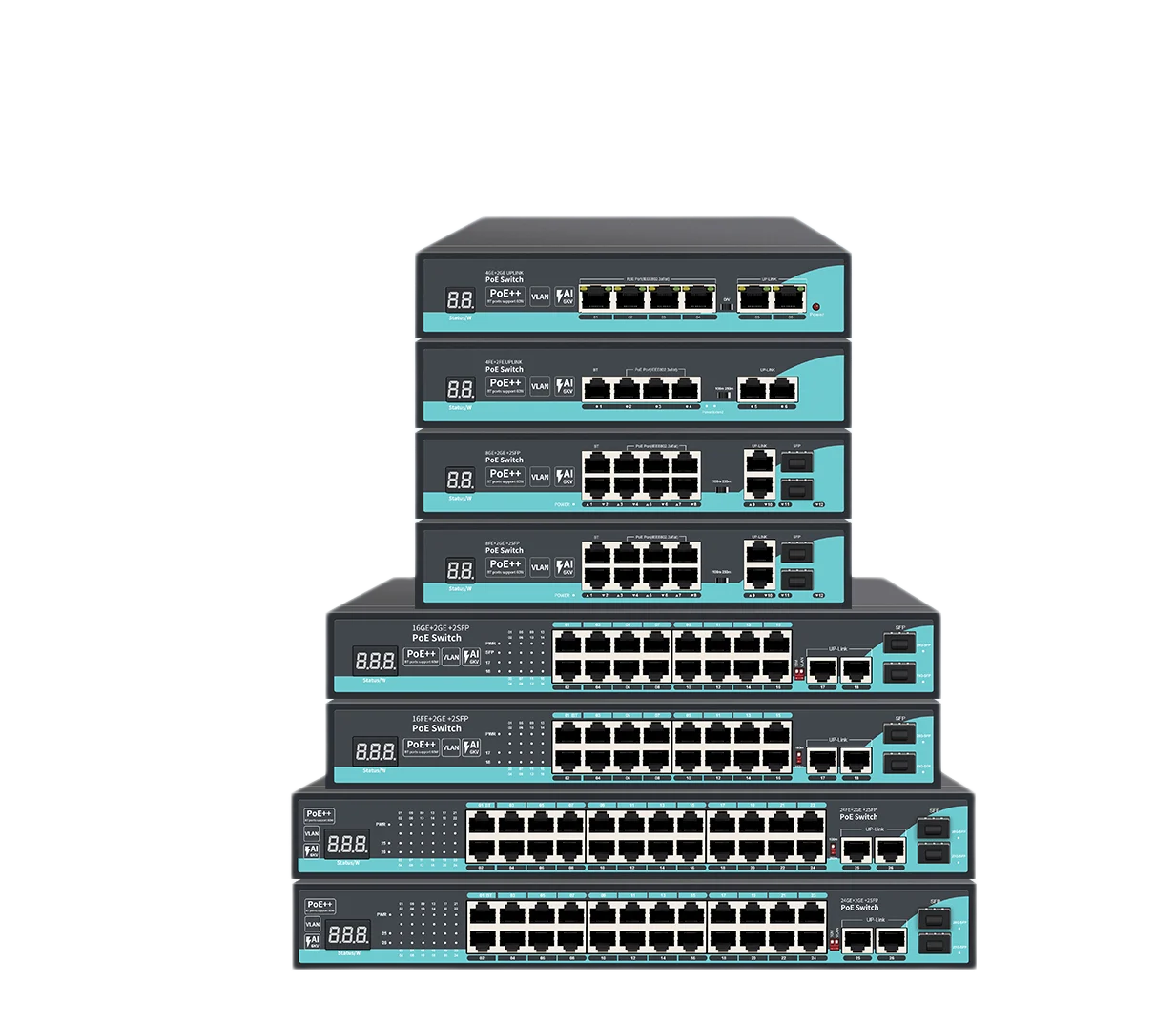
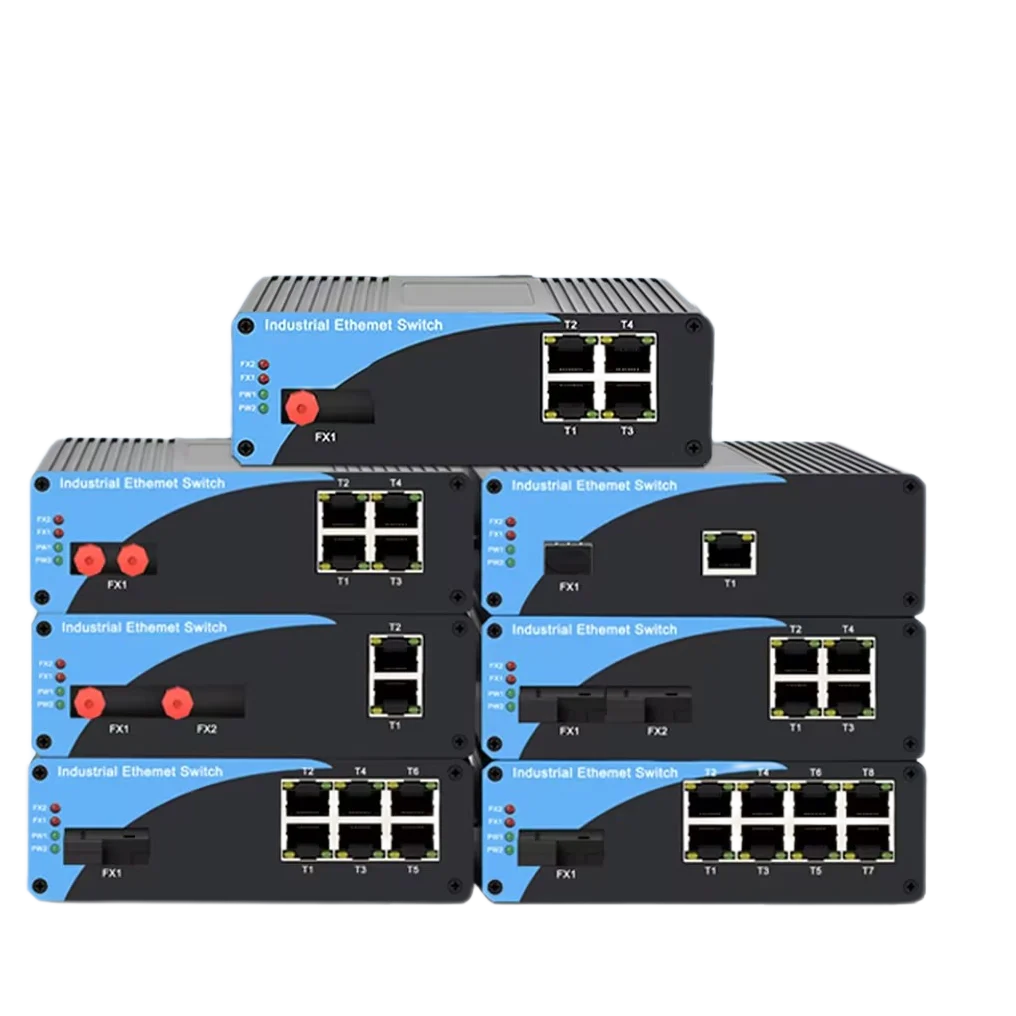
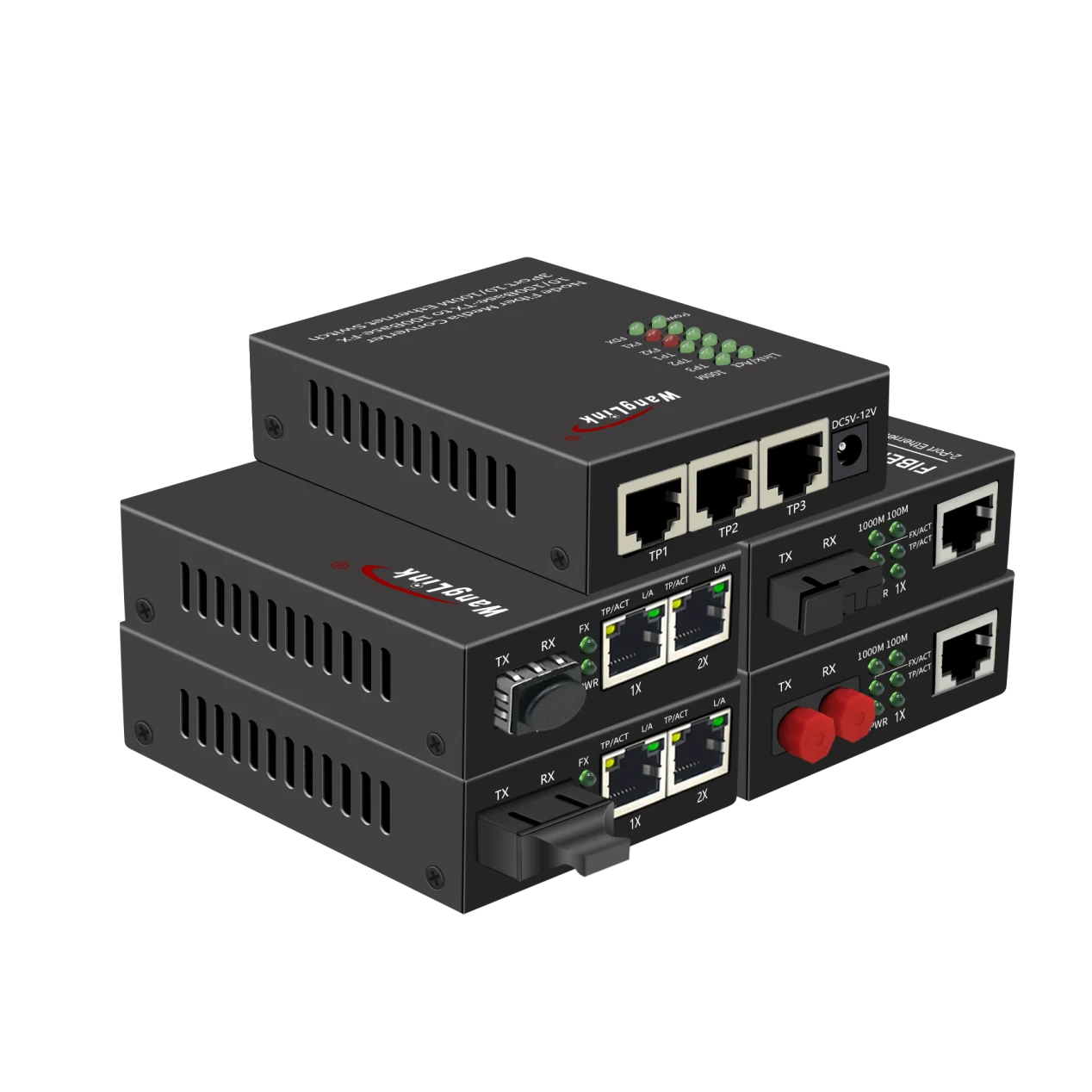
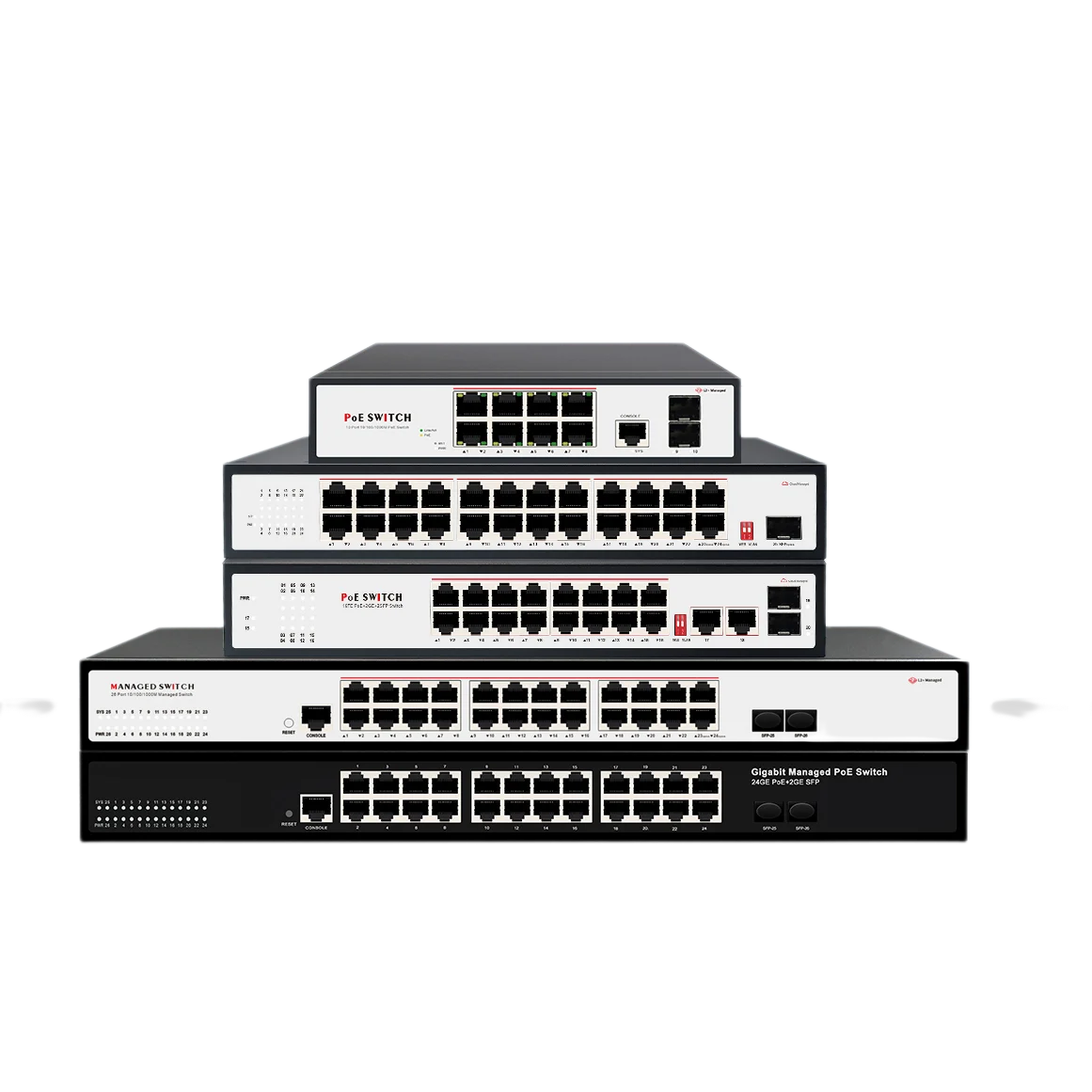
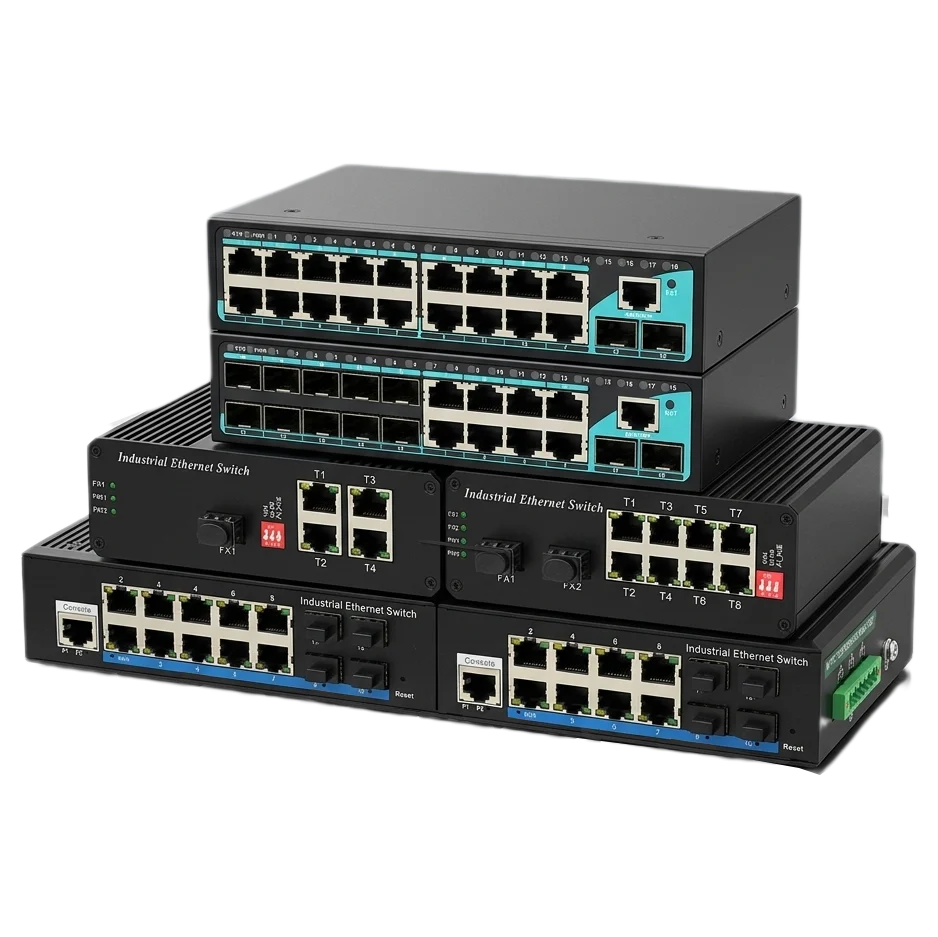
Case configuration: IES300-2P2F, IES100-2P2F, IMC300-2P1F and IS700-8E2F; confirm each role and final specification against the approved project record before publication.
1. Project Background & Technical Challenges
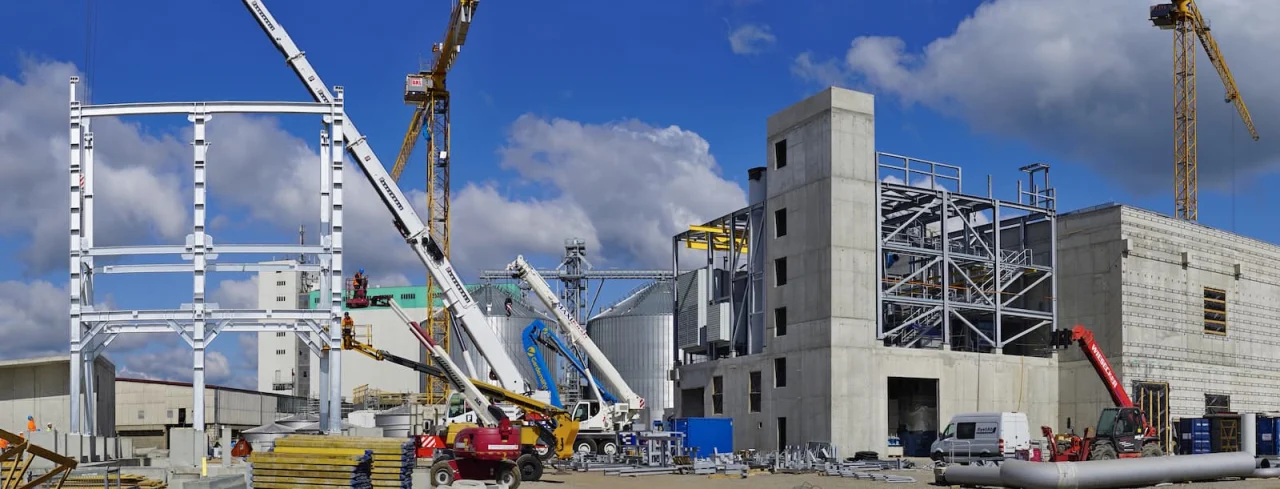
A highway toll network must keep cameras, ETC lane controllers, wireless APs and variable-message signs online every hour of the year — yet almost none of that equipment sits in a climate-controlled room. The switches live in steel roadside cabinets at the edge of the carriageway, exposed to direct sun, road salt, exhaust, lightning-adjacent transients and winter frost. When a tolling lane goes dark the operational impact is immediate: missing transaction records, no video for incident review and manual tolling queues.
Typical engineering pain points for this class of project:
- Powering devices at the edge. Cameras and APs need both data and power where there is no local AC socket. Pulling separate power and data cabling to every pole multiplies cost and failure points, so PoE delivery over a single copper run is essential.
- Temperature extremes. Roadside cabinets can exceed 40 °C in summer and fall below freezing in winter. Commercial switches with cooling fans are a common source of thermal shutdowns and dust-clogged failures in these enclosures.
- Surge and lightning exposure. Long outdoor copper runs and elevated camera poles attract inductive surges. Unprotected ports are a frequent cause of “dead camera” service calls after storms.
- Long spans and scarce cabinet space. Toll stations are often far from the nearest equipment room, so copper distance limits force fiber backhaul — while the roadside cabinet leaves very little room for extra media converters and power hardware.
2. The Network Architecture & Solution Design
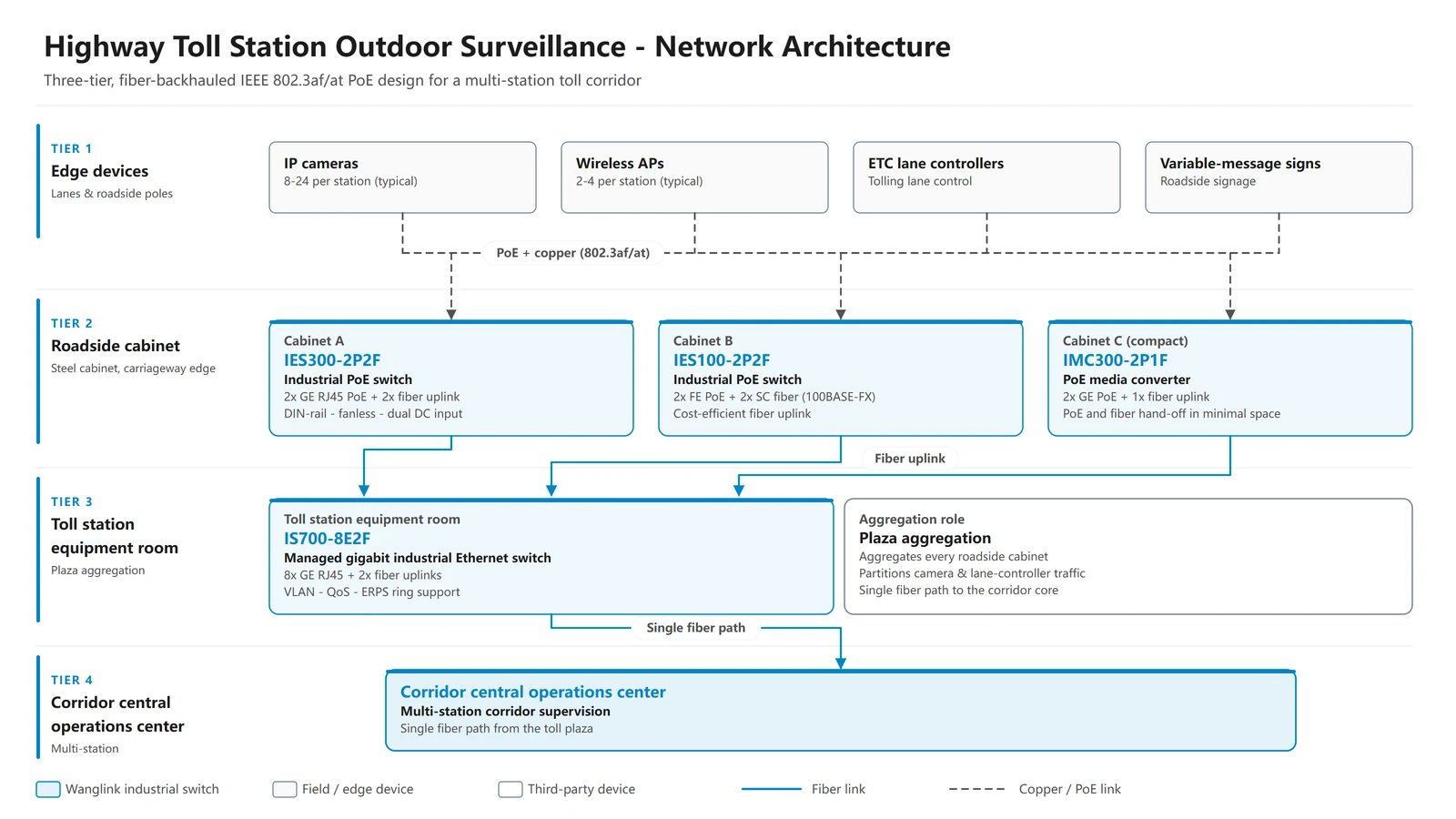
The solution follows a three-tier, fiber-backhauled architecture that mirrors how most toll corridors are actually cabled. At the edge, a compact industrial PoE switch inside each roadside cabinet feeds the cameras and wireless APs directly over copper, so no separate power runs are needed. From that cabinet, uplinks are converted to fiber for the long, noise-immune span back to the plaza. At the toll station equipment room, a managed switch aggregates the cabinets, partitions camera and lane-controller traffic, and provides a single fiber path back to the corridor’s central operations center. This keeps the outdoor switching footprint small, pushes power to the exact point of use, and turns the distance/noise problem into a fiber problem.
Key Technical Implementation Details
- PoE at the cabinet, not at the plaza. Industrial PoE switches power cameras and APs locally, eliminating per-pole power cabling and reducing the number of AC feeds to the cabinet to one.
- Fiber uplinks for every remote node. PoE media converters and switches with SC/LC fiber ports take the aggregated traffic back over single-mode or multi-mode fiber, immune to the ground-potential and lightning issues of copper.
- Wide-temperature, fanless hardware. A fanless metal design removes the most failure-prone moving part and suits sealed roadside cabinets; selected models are rated for wide operating temperature ranges.
- Surge-aware ports with a redundant DC feed. Selected models include port-level surge/EMC protection (IEC 61000-4-x is commonly specified as a project design target) plus dual DC input support so a cabinet keeps running through a single supply failure.
3. Why Wanglink Switches Were Selected
| Engineering Requirement | Standard Commercial Switch | Wanglink Industrial Switch | B2B Value & Impact |
|---|---|---|---|
| Outdoor temperature range | 0–40 °C, often fan-cooled | Wide-temperature, fanless design (selected models) | Fewer thermal shutdowns in sealed roadside cabinets |
| PoE power to cameras & APs | Small PoE budget, few PoE ports | IEEE 802.3af/at PoE on selected models, up to 30 W per port | Power + data over one cable run to each pole |
| Surge & EMC exposure | Basic EMC protection only | Port-level surge/EMC protection on selected models | Lower risk of storm-related port damage |
| Power redundancy | Single AC adapter | Dual DC input with redundant supply support (depending on the model) | Ride-through a single supply failure |
| Fiber backhaul & span | Copper-only or a single fiber port | Multiple fiber uplinks, SC/LC depending on the model | Long-distance, noise-immune aggregation |
| Mounting & maintenance | Desktop unit, noisy fans | DIN-rail, fanless metal housing | Fits limited cabinet space, less field maintenance |
4. Deployment Outcomes & Engineering Value
- Continuous 24/7 operation by design. The architecture is engineered so a single cabinet or camera failure does not take a tolling lane offline, with fiber aggregation providing alternate paths at the plaza.
- Typical deployments target lower storm-related outages by combining surge-aware port design with fiber backhaul instead of long exposed copper runs.
- Reduced installation cost at the edge. Because PoE is delivered directly from the roadside switch, installers pull one cable to each pole instead of separate power and data runs — a recurring saving across long corridors.
- Wider service envelope with expansion headroom. Wide-temperature, fanless hardware is designed to keep working through summer heat and winter frost, while spare PoE and fiber ports let additional cameras or APs be added per station without a topology redesign.
5. Recommended Products in This Case
IES300-2P2F — Unmanaged 2-Port Gigabit Industrial PoE Switch
- 2 × Gigabit RJ45 PoE ports for cameras and wireless APs
- IEEE 802.3af/at PoE, up to 30 W per port (depending on the model)
- 2 × fiber uplinks (SC/LC, model-specific) for long-distance backhaul
- DIN-rail mounted, fanless metal housing for sealed roadside cabinets
- Dual DC power input with redundant supply support (depending on the model)
- Wide operating temperature rating on selected models
IES100-2P2F — Unmanaged 2-Port Industrial PoE Switch with 2 × SC
- 2 × Fast Ethernet (100 Mbps) PoE ports
- 2 × SC fiber ports (100BASE-FX) for cost-efficient fiber uplinks
- IEEE 802.3af/at PoE on selected models
- DIN-rail, fanless metal housing with dual DC redundancy (selected models)
- Compact form factor for space-constrained cabinets
IMC300-2P1F — Unmanaged 2-Port Industrial Gigabit PoE Media Converter
- 2 × Gigabit RJ45 PoE ports plus fiber conversion in one unit
- 1 × fiber uplink (SC/LC, model-specific) combining PoE and fiber backhaul
- Commonly used where a cabinet needs PoE delivery and a fiber hand-off in minimal space
- DIN-rail mounted, fanless metal housing
- Wide operating temperature rating on selected models
IS700-8E2F — Managed Gigabit Industrial Ethernet Switch (8 × RJ45)
- 8 × Gigabit RJ45 ports plus 2 × fiber uplinks for plaza aggregation
- Managed Layer 2: VLAN, QoS and ERPS ring support for critical paths
- DIN-rail mounted with dual DC input (depending on the model)
- Web/CLI management for remote monitoring and fault isolation
- Wide operating temperature rating on selected models
Industrial Network Design Checklist
Highway CCTV PoE planning should document every endpoint, its maximum and startup power, cable run, approved PoE budget, uplink headroom, cabinet conditions, grounding and protection requirements before installation.
Protect Your Roadside Network with Industrial PoE
Planning a toll-station or roadside surveillance rollout? Tell our engineers your camera count, span distances and cabinet constraints, and we will help you size the right industrial PoE switches and fiber backhaul for the corridor. Talk to a Wanglink network engineer.