
Managed Gigabit Connectivity for Industrial Networks
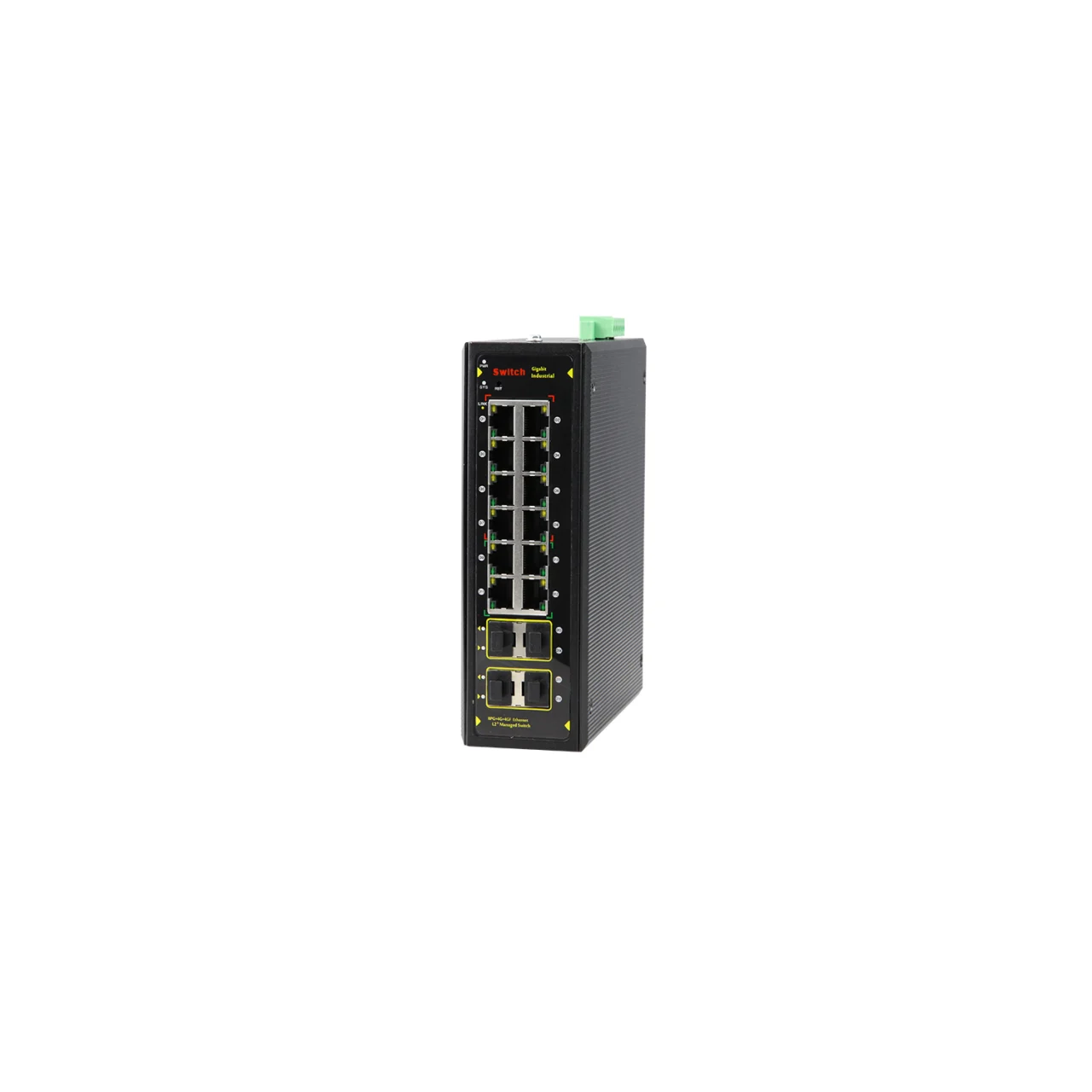
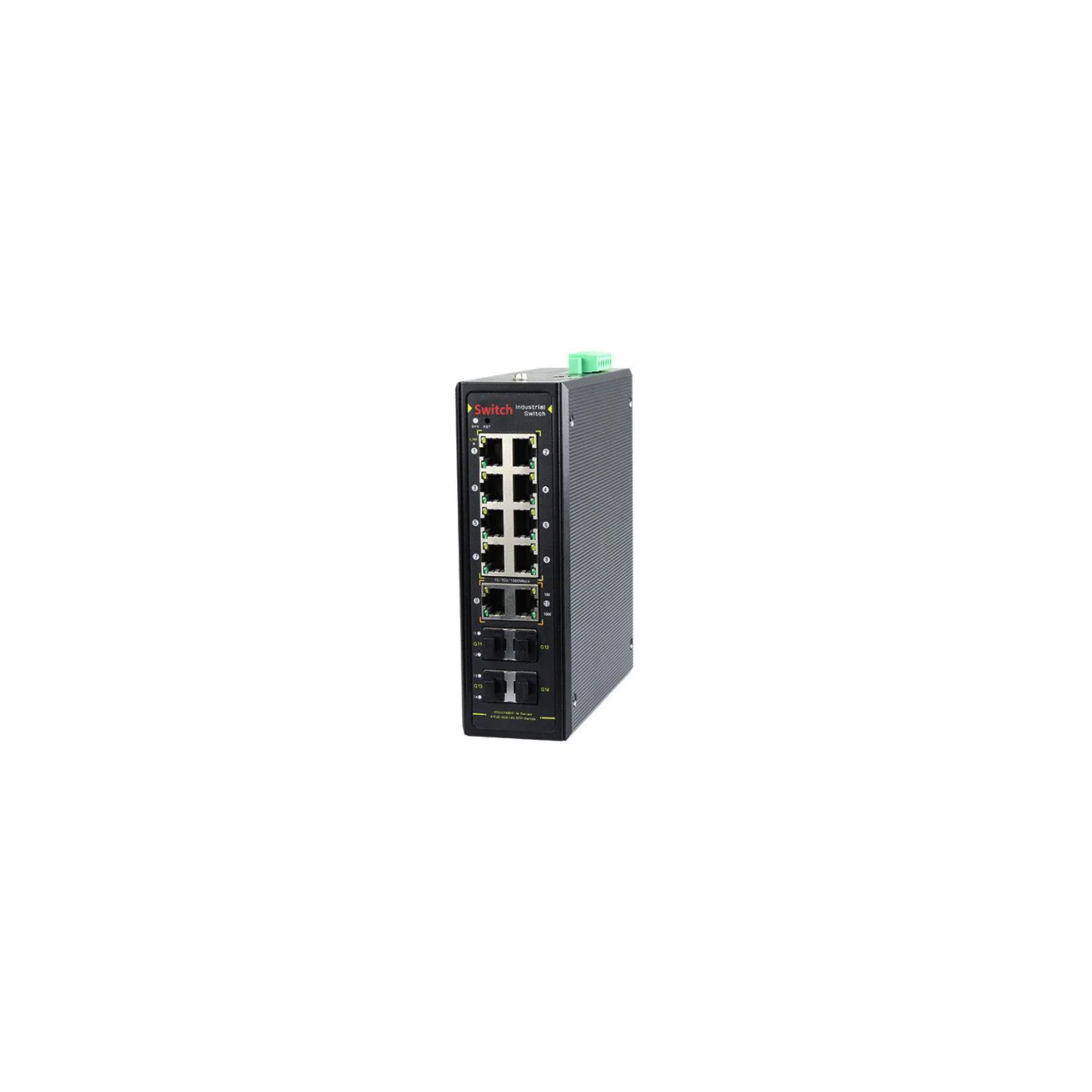
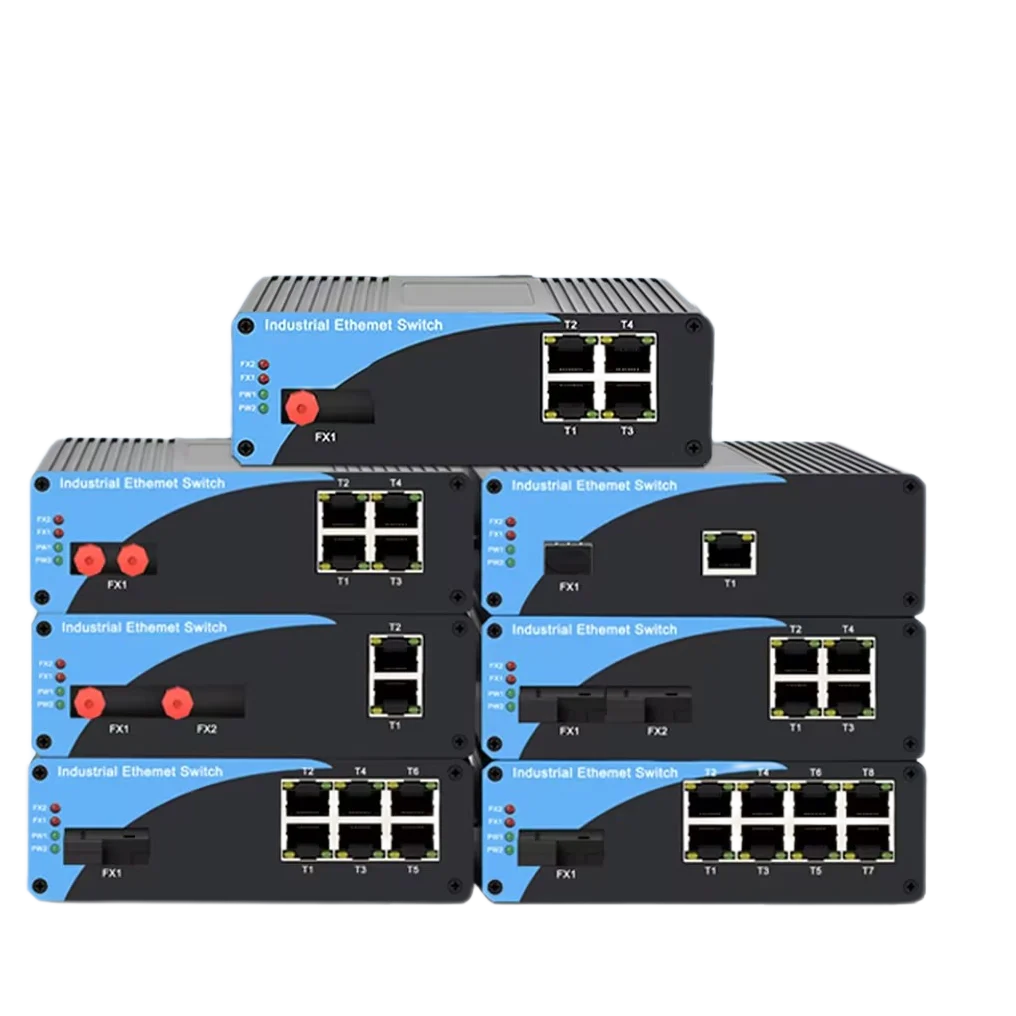
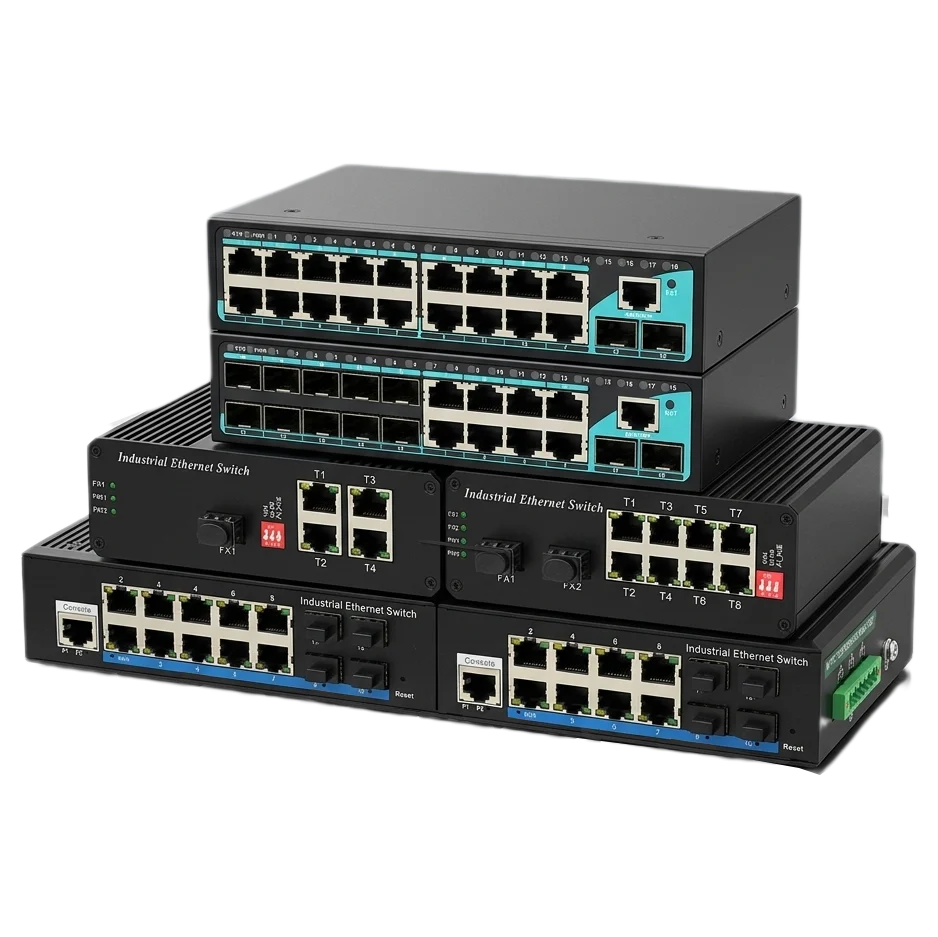
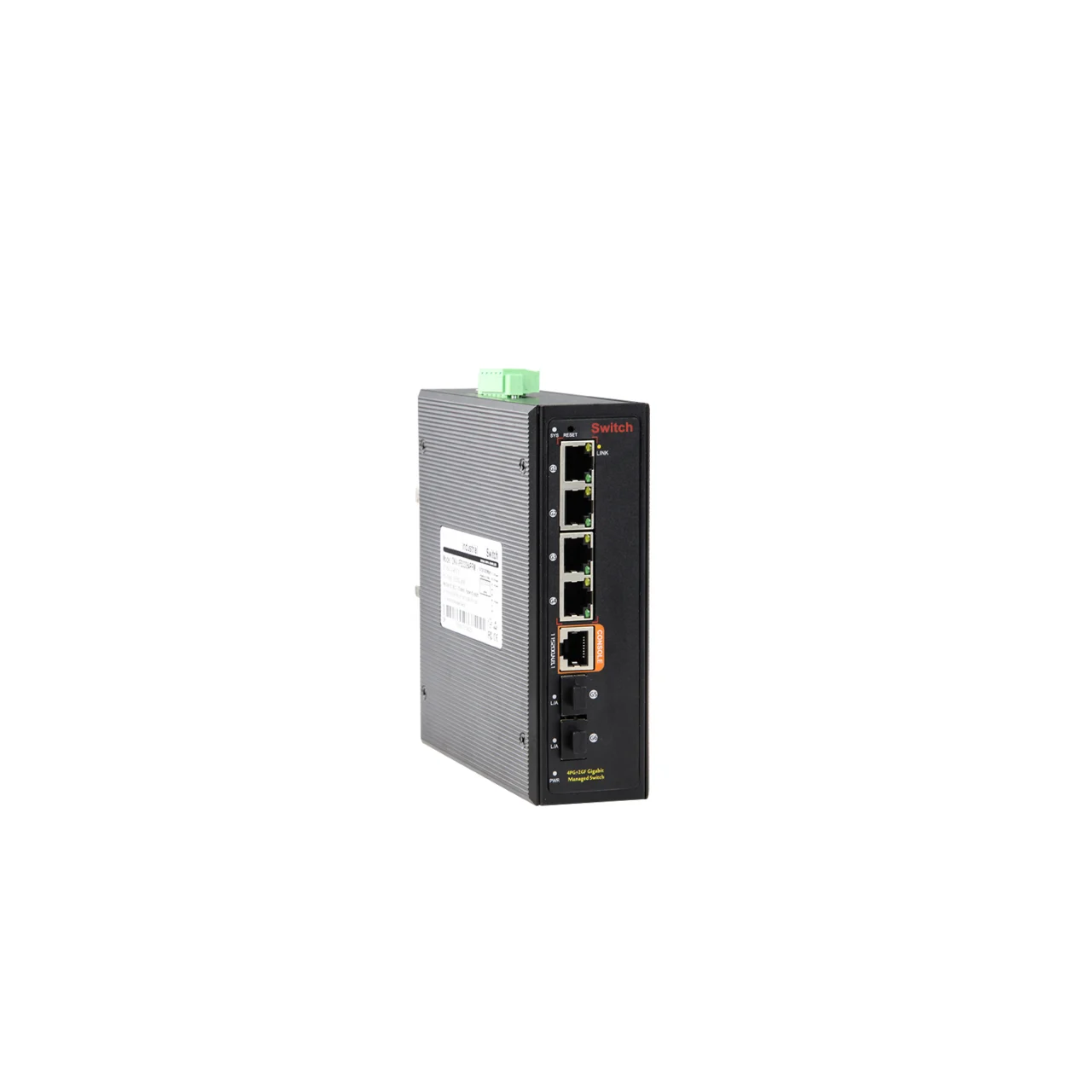
The IS700-4E2F is a managed Gigabit industrial Ethernet switch for control cabinets, factory networks, surveillance backbones and small machine-to-machine systems. It provides four 10/100/1000Base-T RJ45 ports for local devices and two 100/1000Base-X SFP slots for fiber uplinks. Each port forwards traffic at wire speed, so users can connect PLCs, industrial computers, access points, cameras or other Ethernet equipment without creating a forwarding bottleneck.
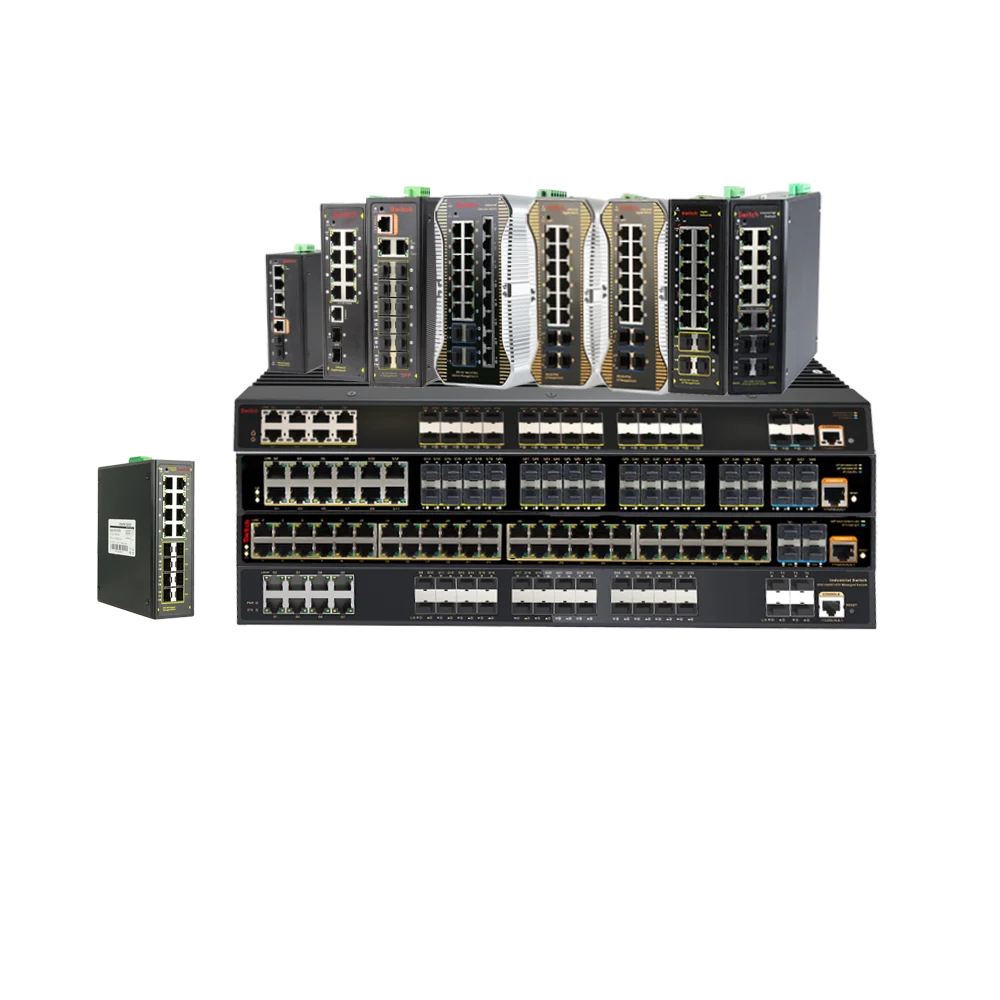
In a typical plant network, copper runs connect nearby field devices while the SFP ports carry traffic between cabinets, floors or buildings. The switch accepts single-mode or multimode SFP modules, with transmission distances available from short multimode links up to long single-mode connections, depending on the selected optics. This gives network planners more freedom when cable distance, electrical isolation or EMI exposure makes copper unsuitable.
Practical Network Control for IT and Operations Teams
Unmanaged switches may be enough for a small isolated machine, but they become difficult to troubleshoot as the network grows. This managed Gigabit industrial Ethernet switch supports web management, CLI, Telnet, SSH and SNMP, allowing administrators to check port status, traffic counters, logs, CPU load and memory use from a central location. LLDP helps identify neighboring devices, while cable diagnostics and ping testing can shorten the time spent locating a faulty link.
VLANs based on port, MAC address or protocol help separate production equipment, cameras, office users and management traffic. QinQ, voice VLAN, access, trunk and hybrid port modes support more structured network designs. QoS uses 802.1p and DSCP priorities with eight output queues per port, which helps keep control messages, voice traffic or video streams responsive when the network is busy. ACLs, 802.1X, RADIUS, IP-MAC-VLAN-port binding, port isolation, DHCP snooping and storm control give administrators practical ways to limit unwanted access and contain abnormal traffic.
Fast Recovery Where Downtime Matters
For ring and redundant-link deployments, the switch supports STP, RSTP, MSTP and ITU-T G.8032 ERPS. ERPS recovery can be less than 20 ms under the specified network conditions, helping restore communication quickly after a one-way link failure. Chain, star, ring and interconnected ring layouts can be built without replacing the switch when the network expands. Static aggregation and LACP are also available for higher-capacity or redundant connections.
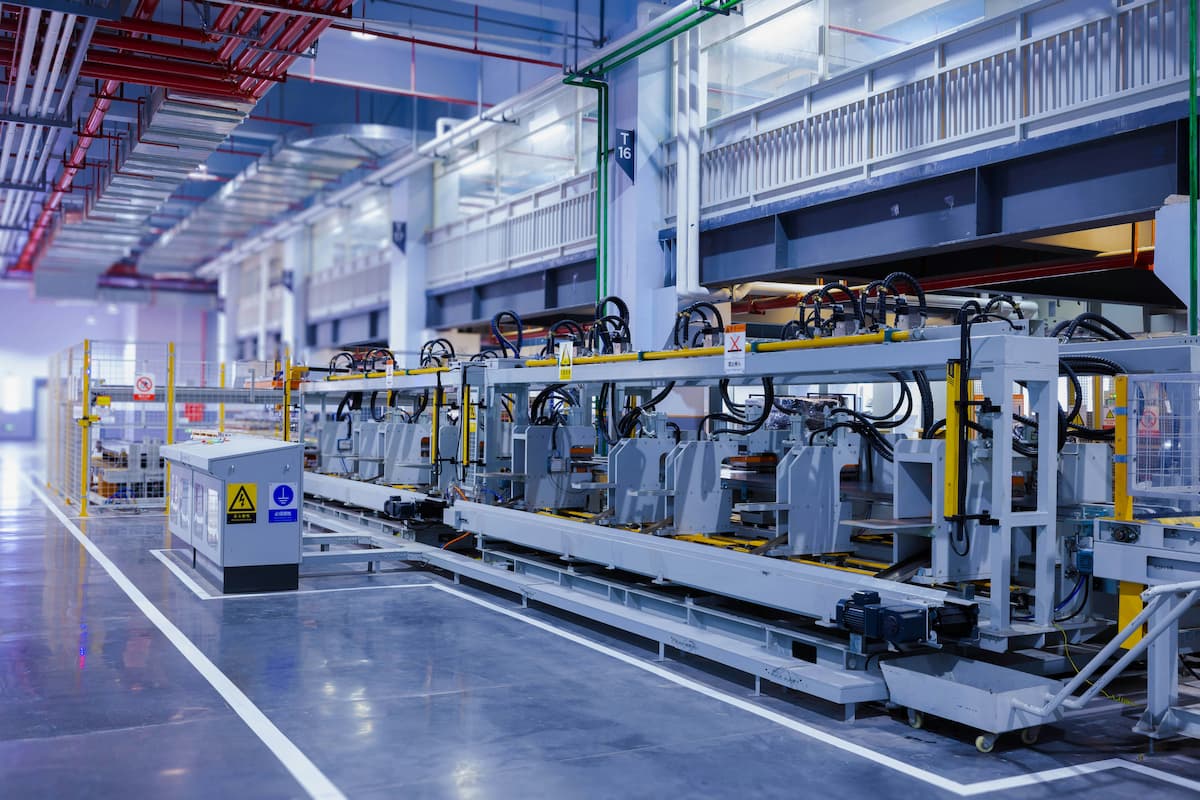
The aluminum alloy housing, fanless cooling and low power draw suit cabinets where dust, vibration and limited service access are everyday concerns. Dual redundant 12–48 VDC inputs allow the switch to remain powered if one supply path fails, while reverse-polarity protection adds a useful layer during field installation. With an operating temperature range of -40 to +80°C, DIN-rail or desktop installation, IP40 protection and industrial EMC test compliance, the unit is suited to automation rooms, transport systems, energy sites and outdoor enclosures with suitable cabinet protection.
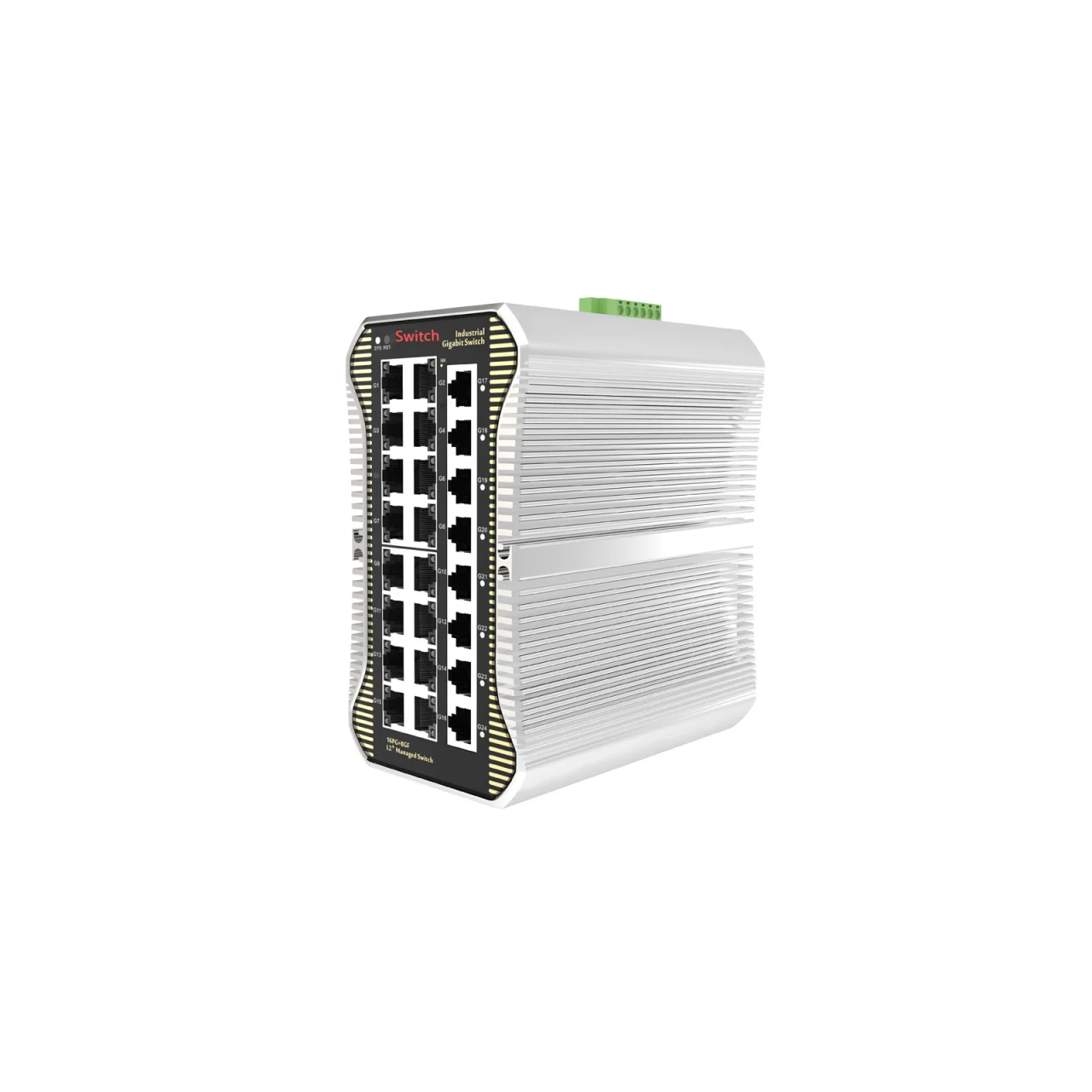
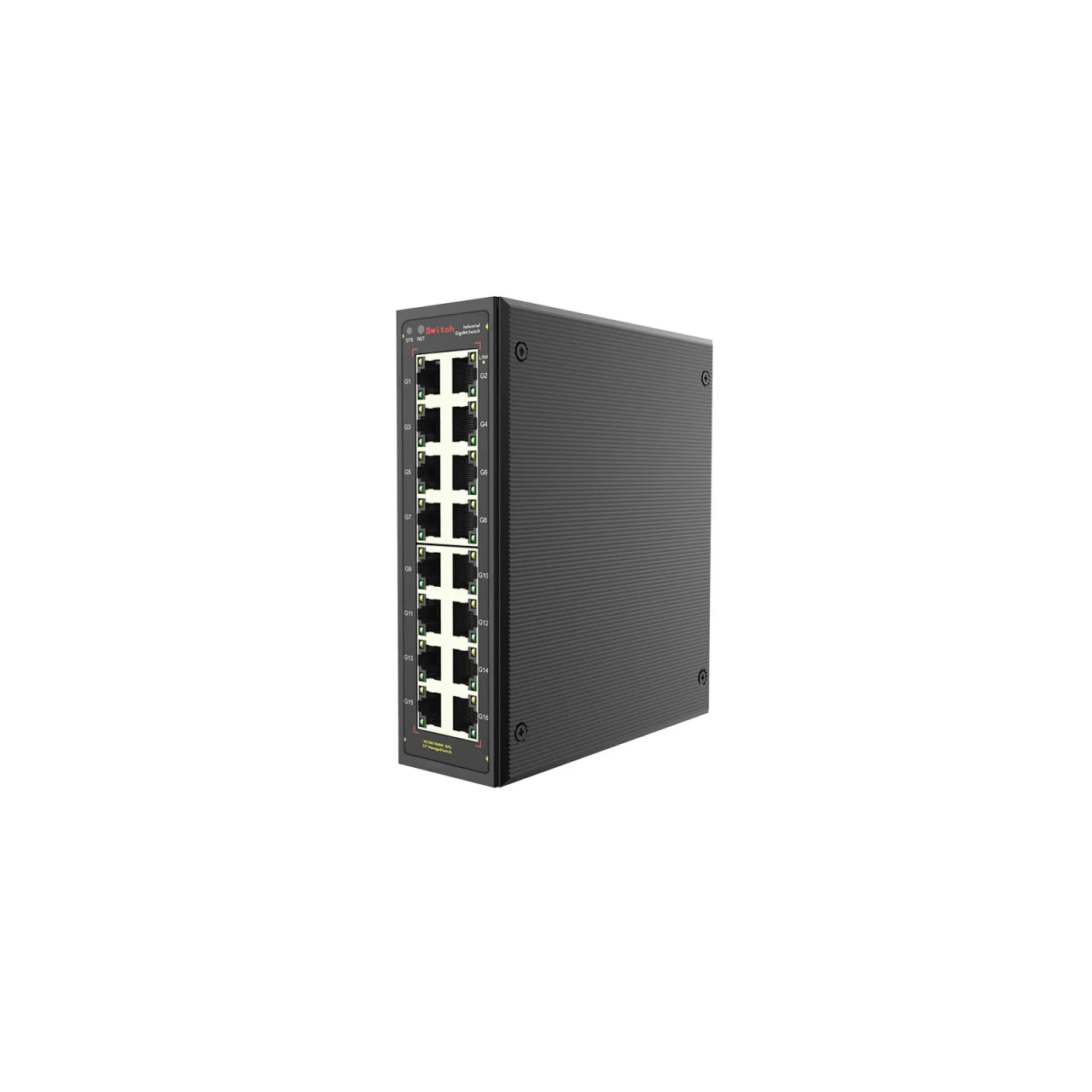
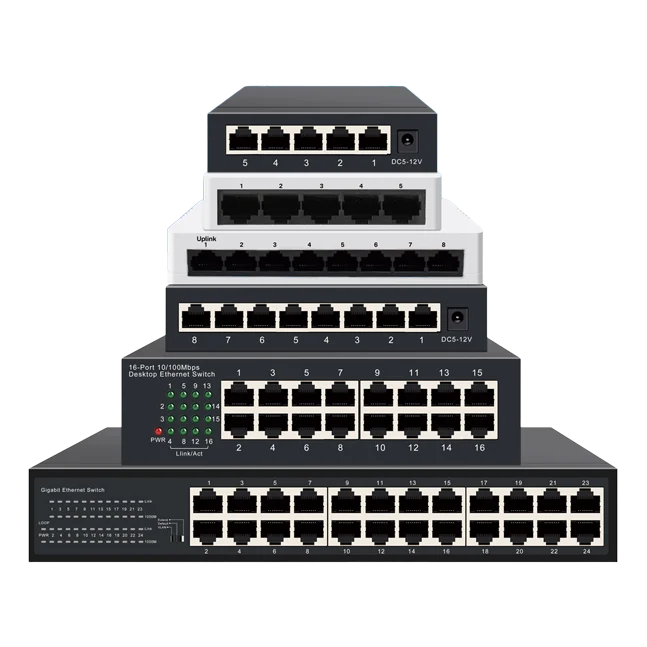
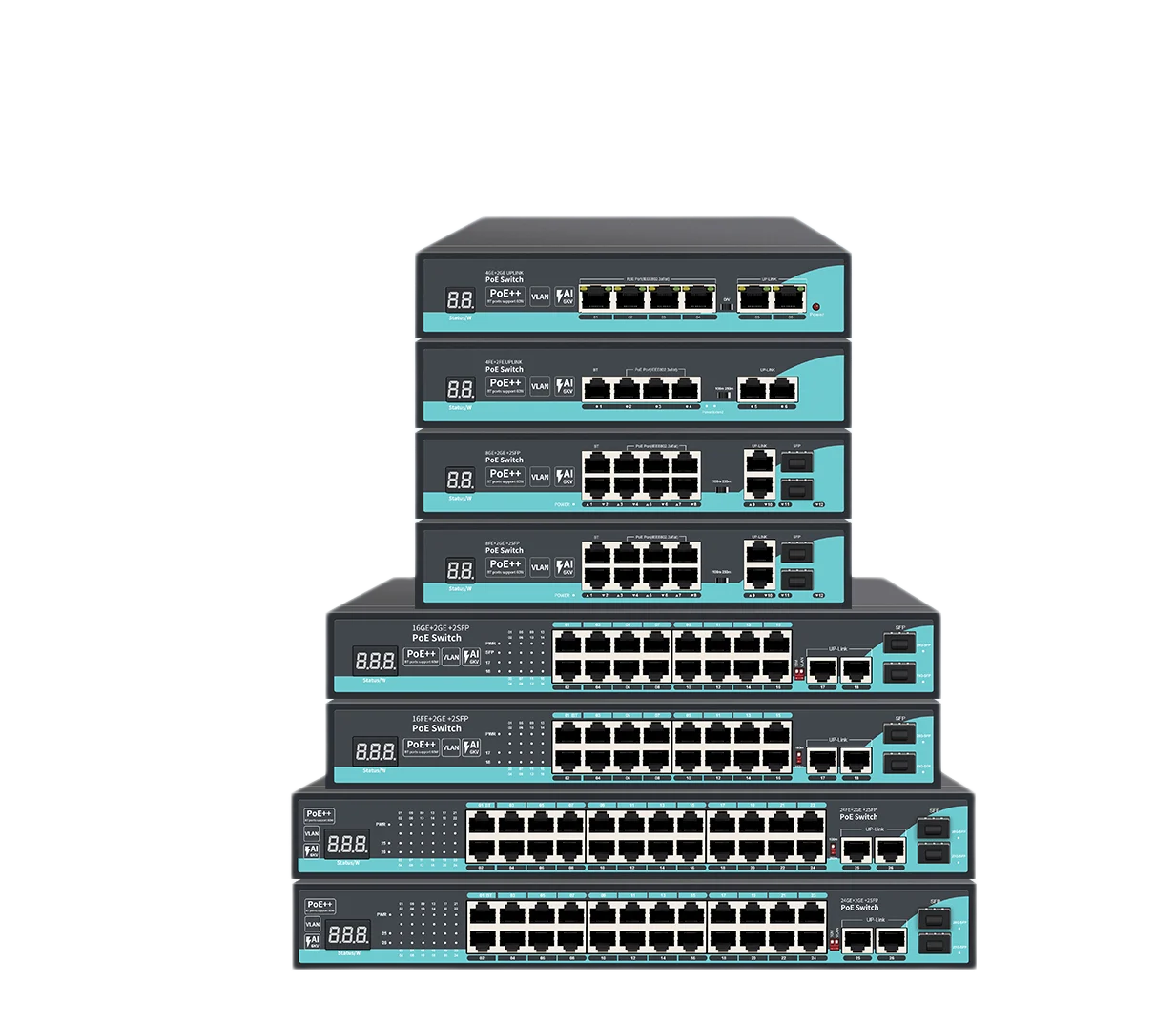
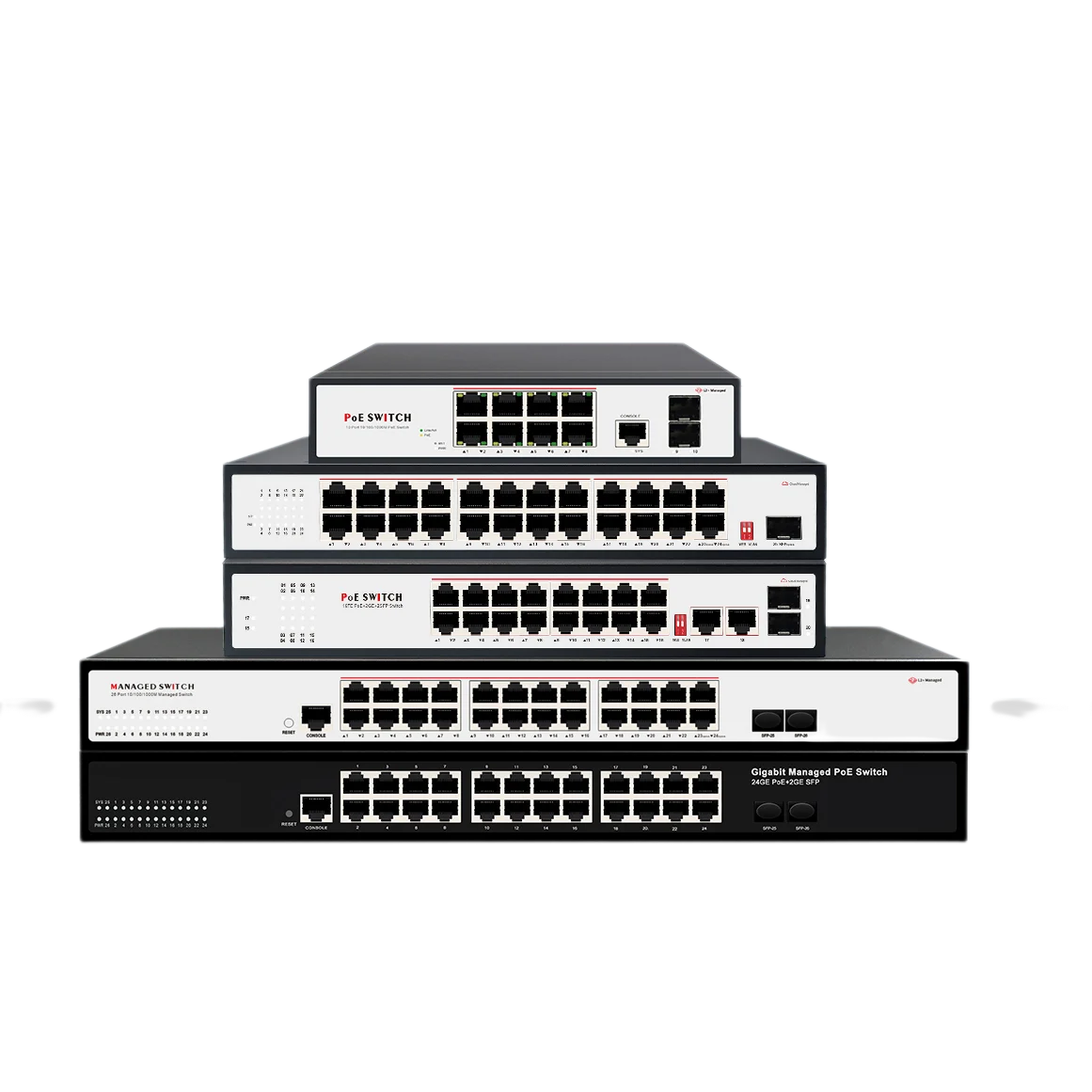
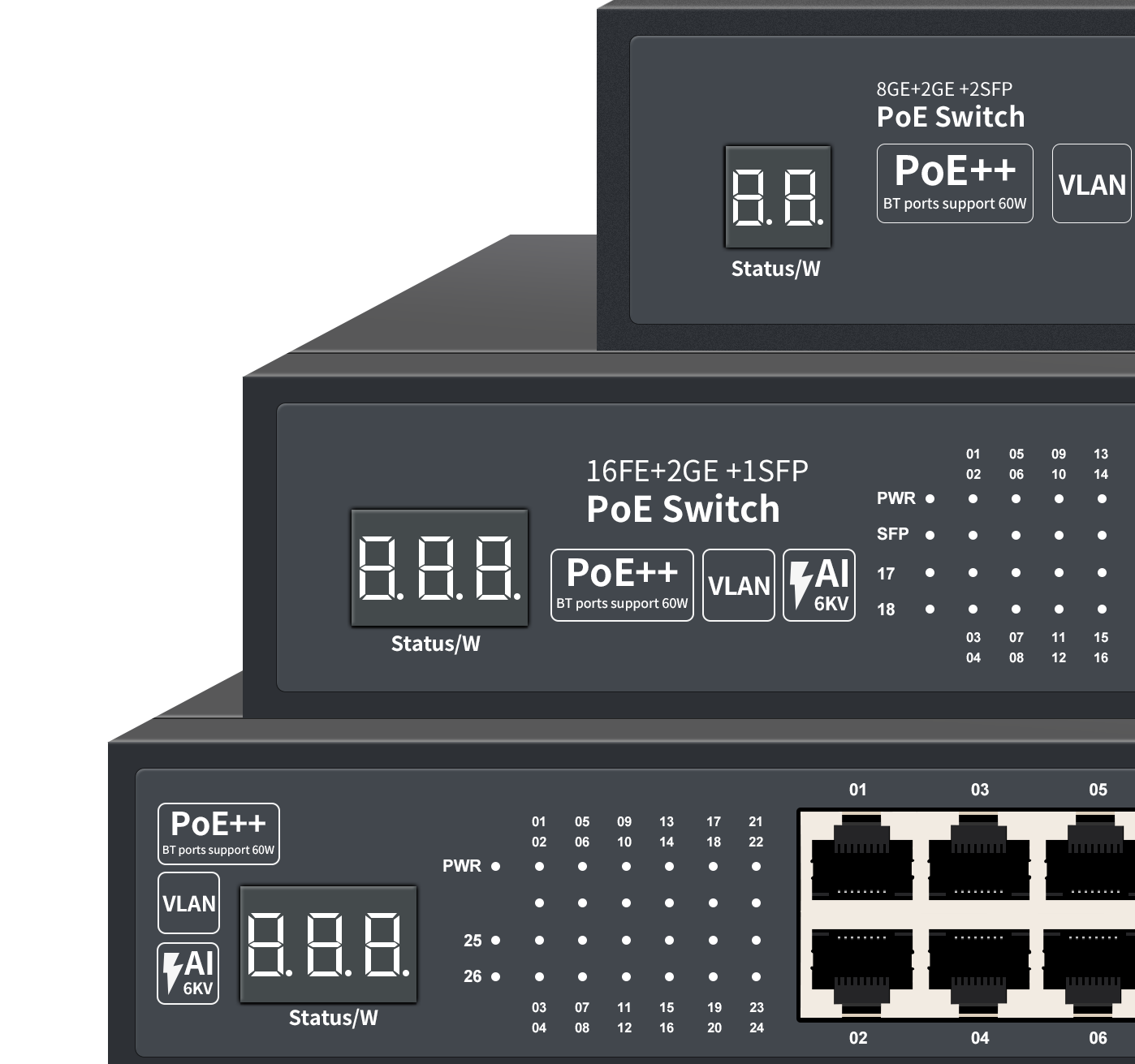
Please check the port layout before ordering: this model is a six-port non-PoE industrial switch, not a 24-port gigabit managed PoE switch with 2 combo and 2 SFP fiber 30W. It is the better fit when four copper device ports, two fiber uplinks, managed traffic control and redundant DC power are the actual requirements. A five-year warranty and lifelong maintenance support help reduce replacement and service-planning pressure for long-running installations.