
Managed Industrial Switching for High-Density Edge Networks
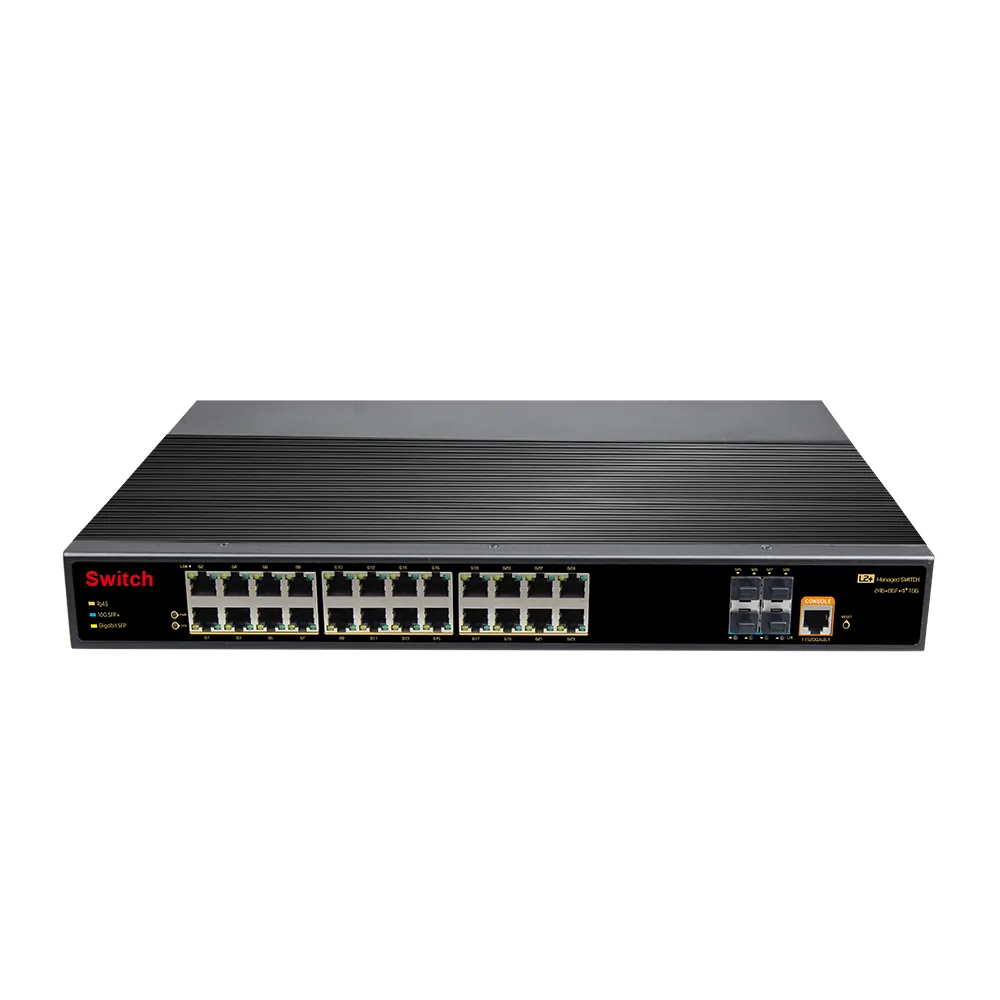
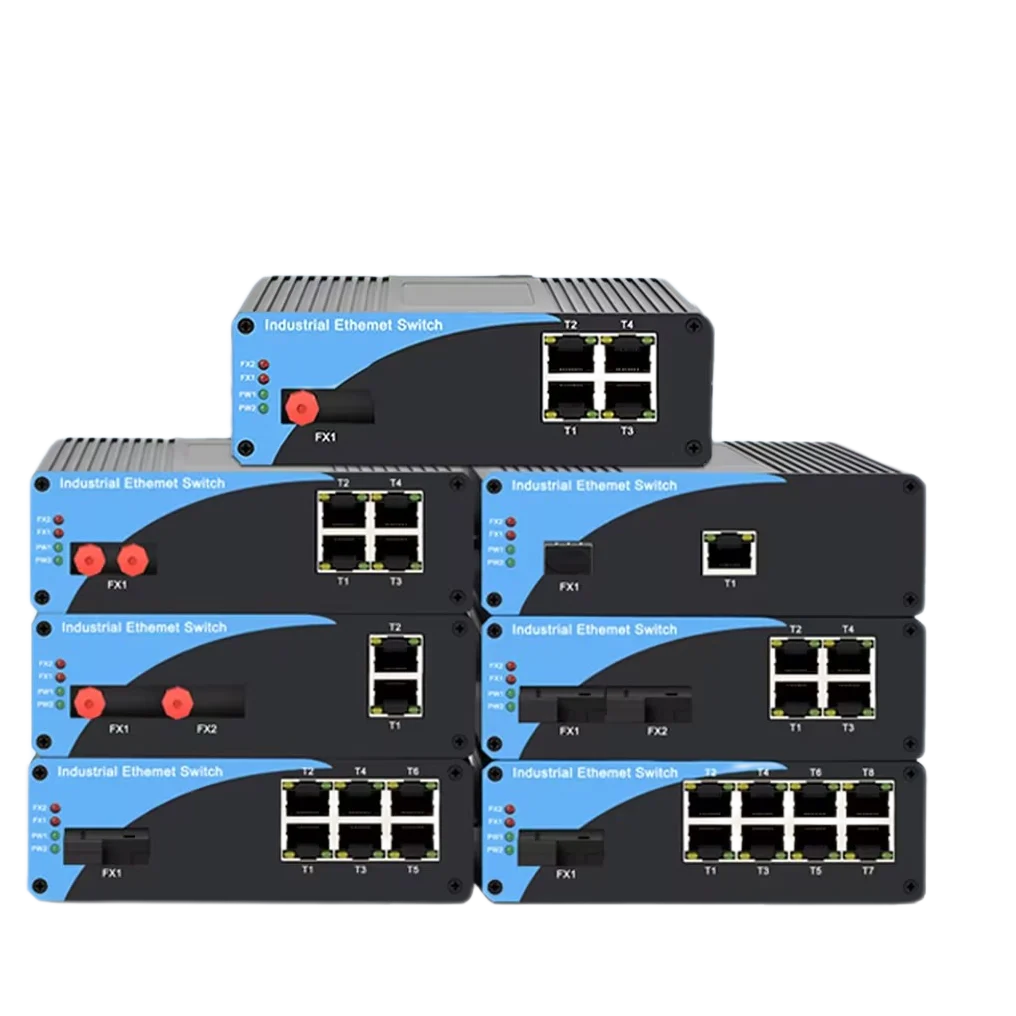
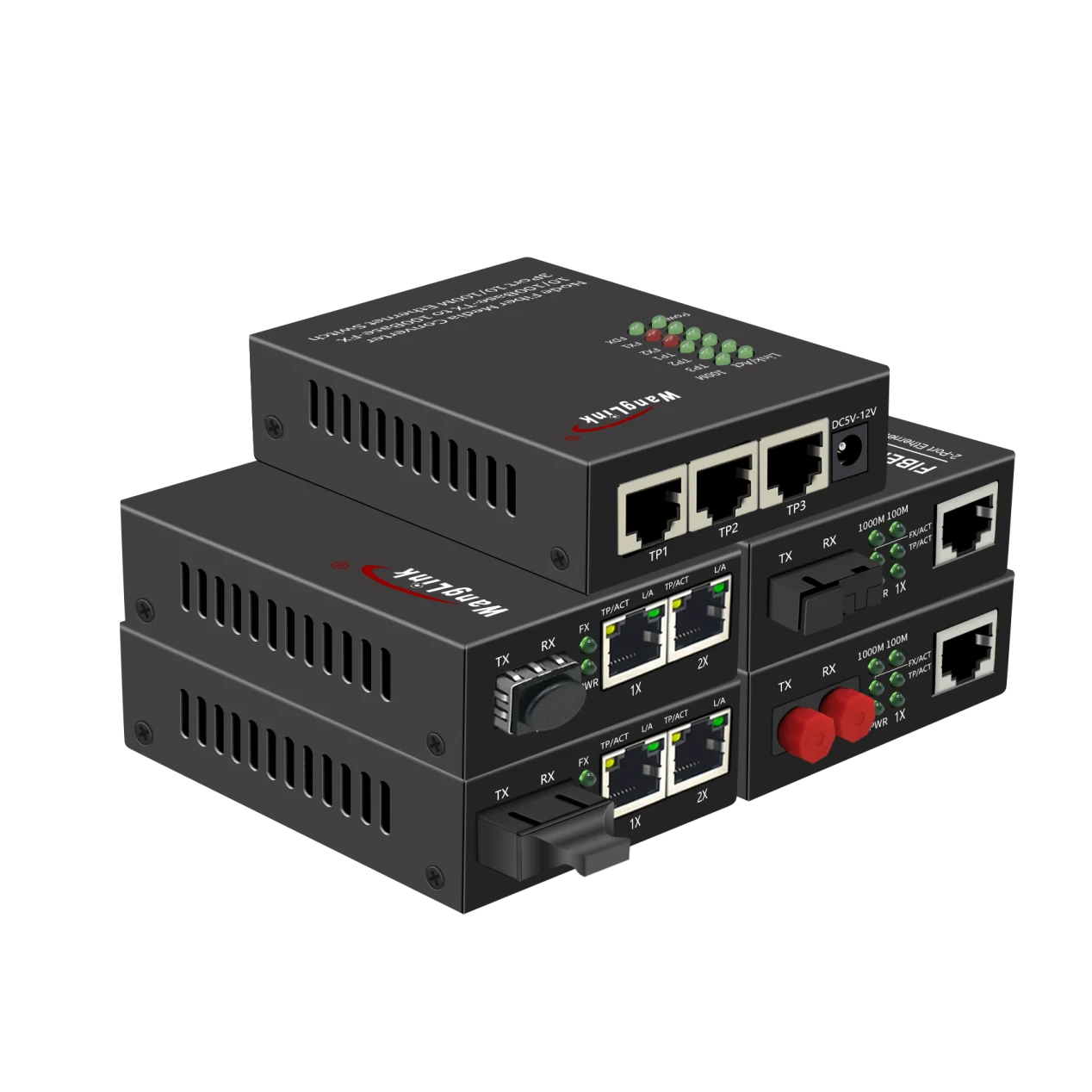
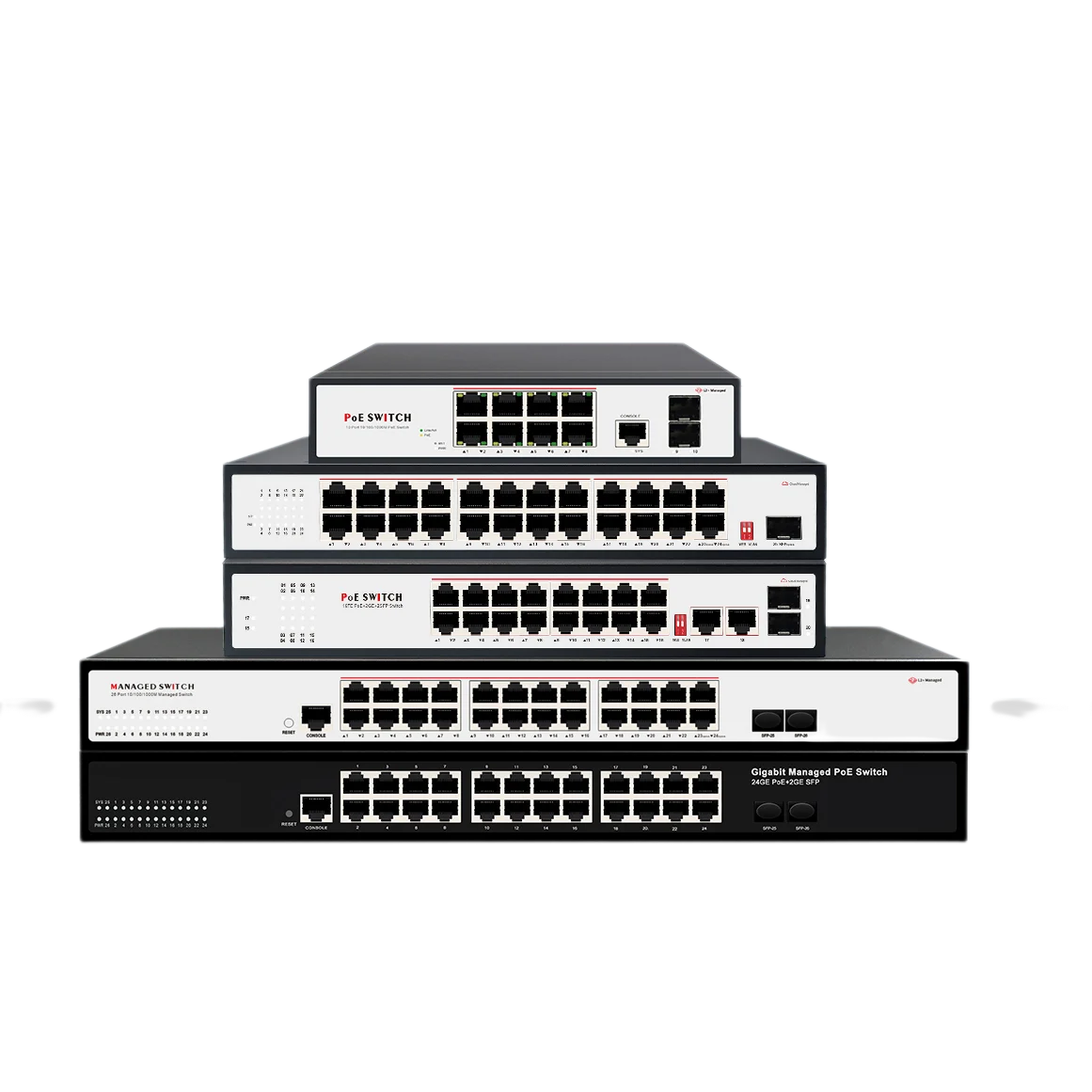
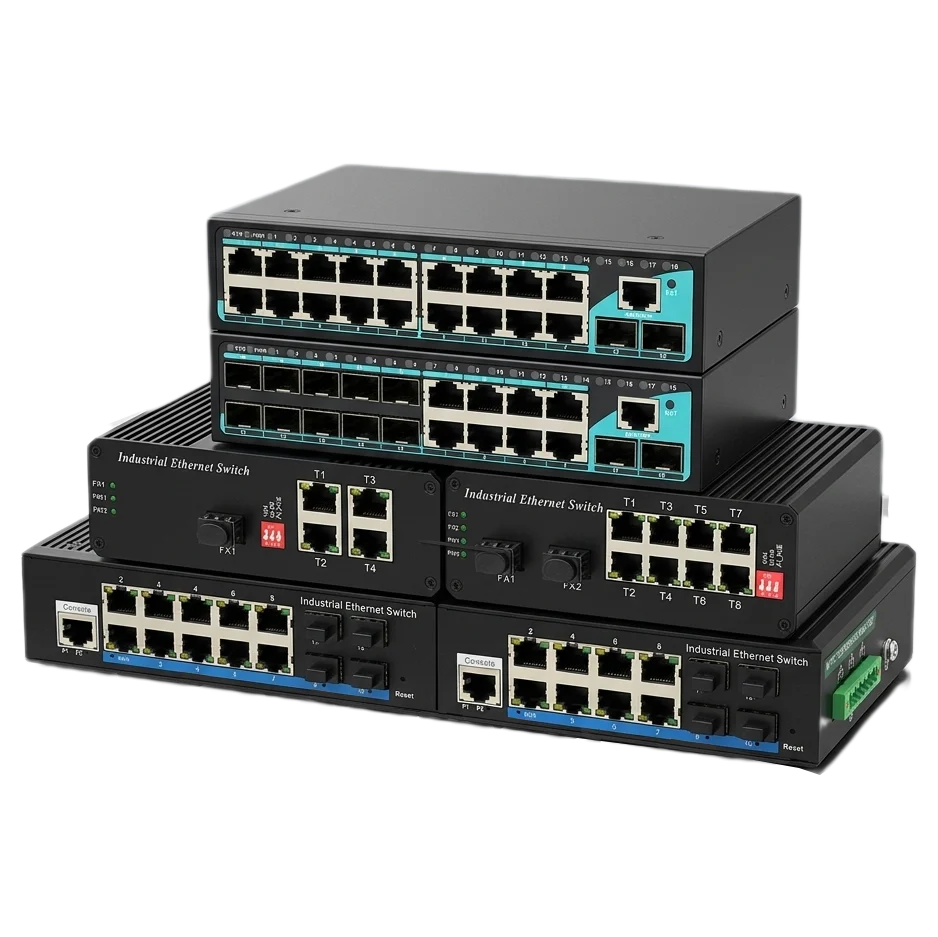
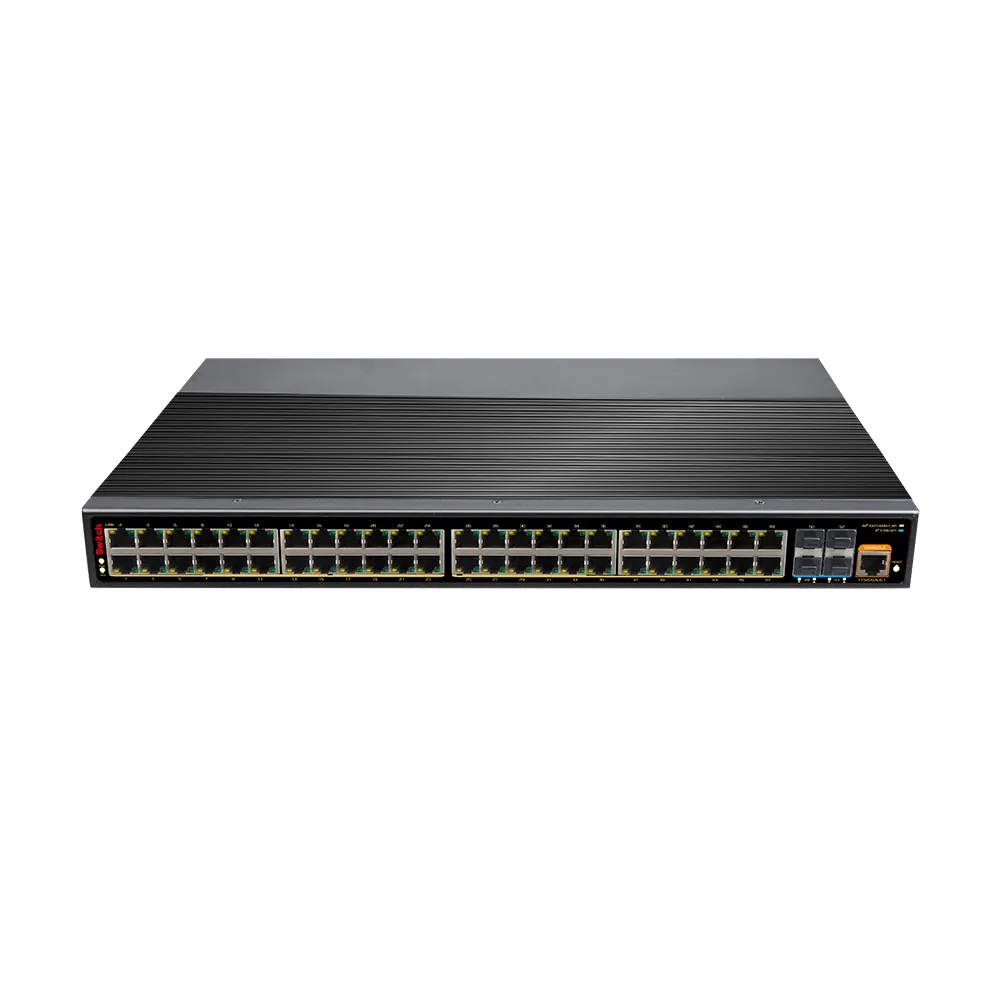
The IS730-48E4F-60W is built for sites that need many Gigabit copper connections without creating an uplink bottleneck. It provides 48 auto-sensing 10/100/1000Base-T RJ45 ports for PLCs, IP cameras, access points, workstations, controllers and other Ethernet devices, plus 4 dual-speed 1/10G SFP+ slots for fiber aggregation or long-distance backbone links. Every port supports full wire-speed forwarding, so traffic does not have to queue behind a low-capacity uplink during busy periods.
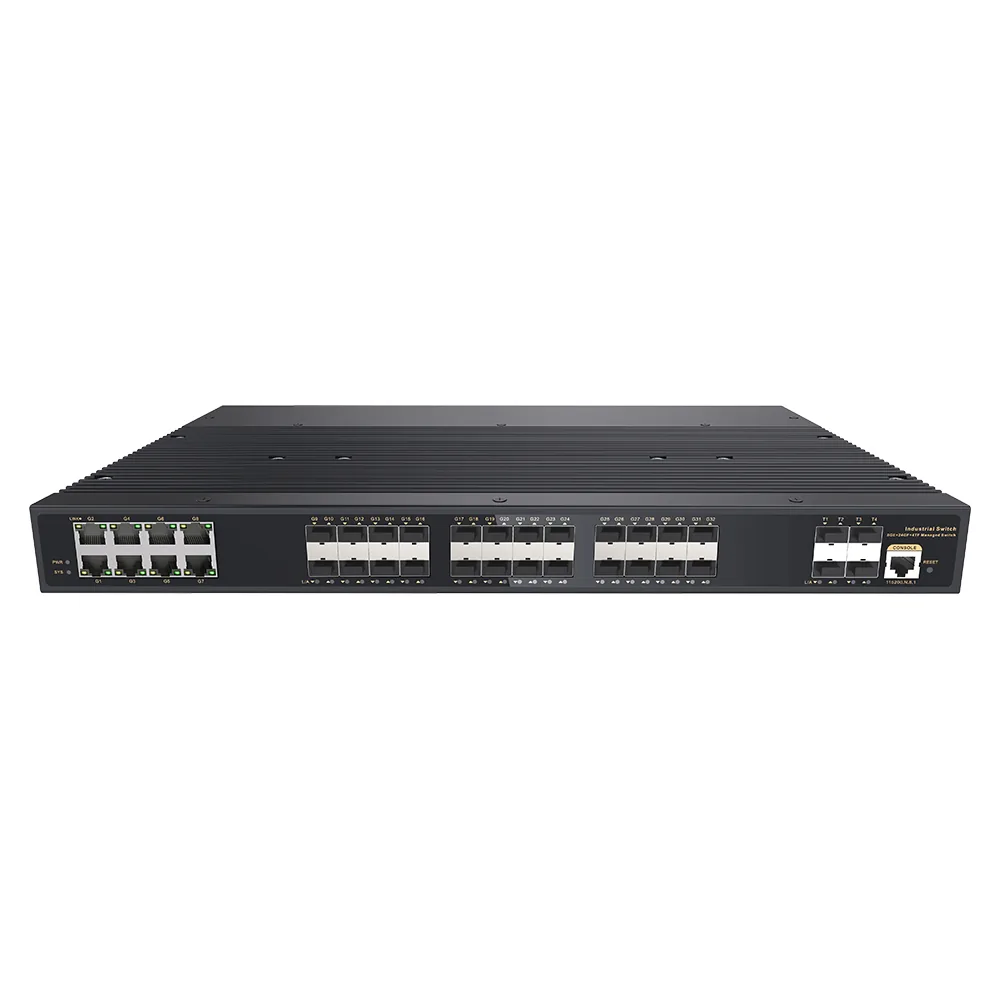
When comparing search terms such as 36-port 10G uplink managed industrial fiber switch with 24 SFP 4 SFP+ rack mount, network planners should check the actual port layout carefully. This model uses 48 Gigabit RJ45 access ports and 4 SFP+ uplink ports rather than 24 SFP ports. That configuration is a practical fit for high-density copper access networks that still need 10G fiber capacity between cabinets, floors or production areas.
Built for Control, Segmentation and Recovery
The switch provides L2+ management with IPv4/IPv6 management and static routing for separating departments, production cells, surveillance networks and management traffic. IEEE 802.1Q VLANs, protocol- and MAC-based VLANs, Voice VLAN and QinQ give administrators room to match the design to the application instead of forcing every device into one broadcast domain. LACP and static aggregation can combine links where additional bandwidth or link protection is required.
Industrial networks often cannot wait for manual cable changes after a link failure. STP, RSTP and MSTP support standard tree-based redundancy, while ITU-T G.8032 ERPS can restore ring communication in less than 20 ms under the stated network conditions. Up to 250 rings can be configured, with up to 254 devices per ring. This is useful for distributed production lines, transportation systems, substations and outdoor cabinets where service interruptions affect operations directly.
Security and Traffic Handling for Real Networks
For networks carrying mixed business and control traffic, the switch combines ACL filtering from Layer 2 to Layer 4, IP-MAC-VLAN-port binding, 802.1X and MAC authentication, RADIUS, DHCP snooping, ARP inspection, port isolation and IP source protection. Administrators can limit unauthorized access at the edge and reduce the chance that a misconfigured device will spread traffic across the network. Broadcast storm control and configurable rate limiting help keep abnormal traffic from consuming the available bandwidth.
QoS supports 802.1p and DSCP priority mapping, packet marking and remarking, eight output queues per port, and SP, WRR or SP+WRR scheduling. This allows video streams, voice traffic, control messages and ordinary data to receive different forwarding treatment. IGMP Snooping and MLD Snooping help control multicast traffic in IP surveillance, IPTV and industrial monitoring deployments.
Practical Rack Installation and Maintenance
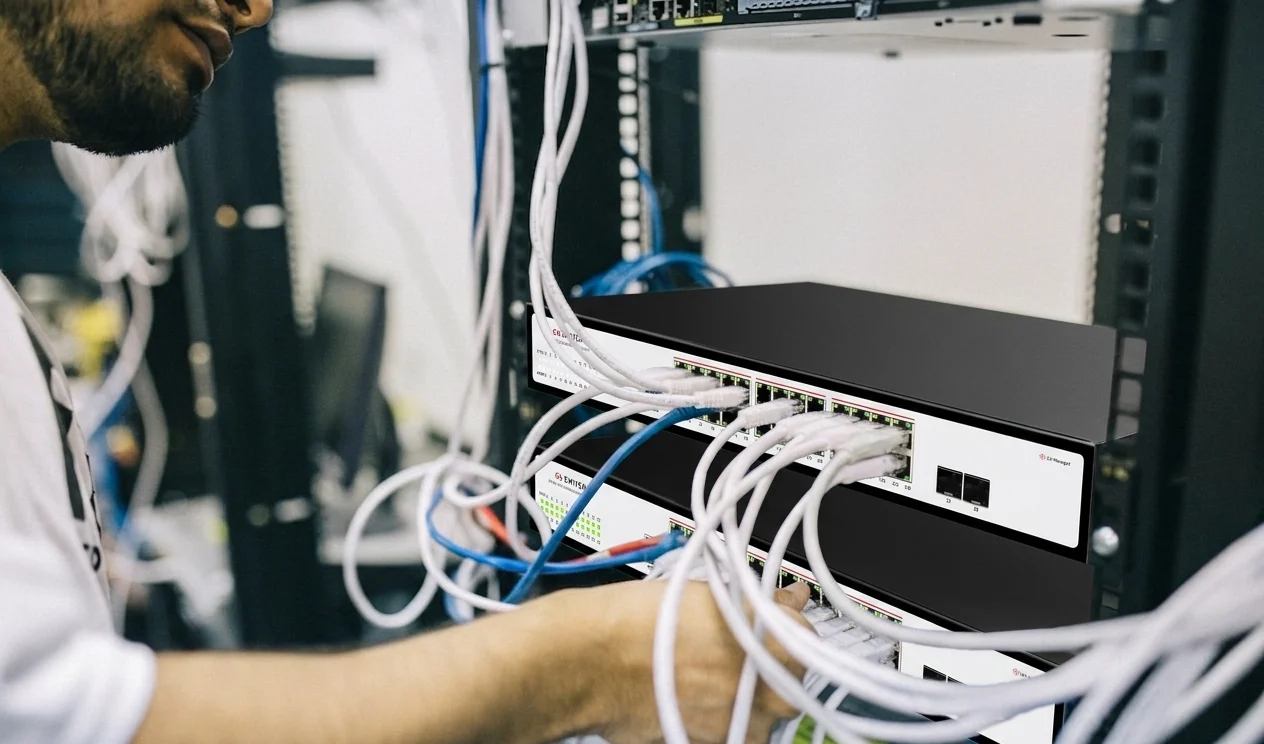
The galvanized steel enclosure fits a standard 19-inch 1U rack or can be used on a desktop. Its built-in AC power supply accepts 100–240V, while two 12–48V DC inputs provide an additional power path with reverse-polarity protection and automatic switching when AC has priority. This arrangement is helpful in control rooms, substations and equipment cabinets where a backup DC source is already available.
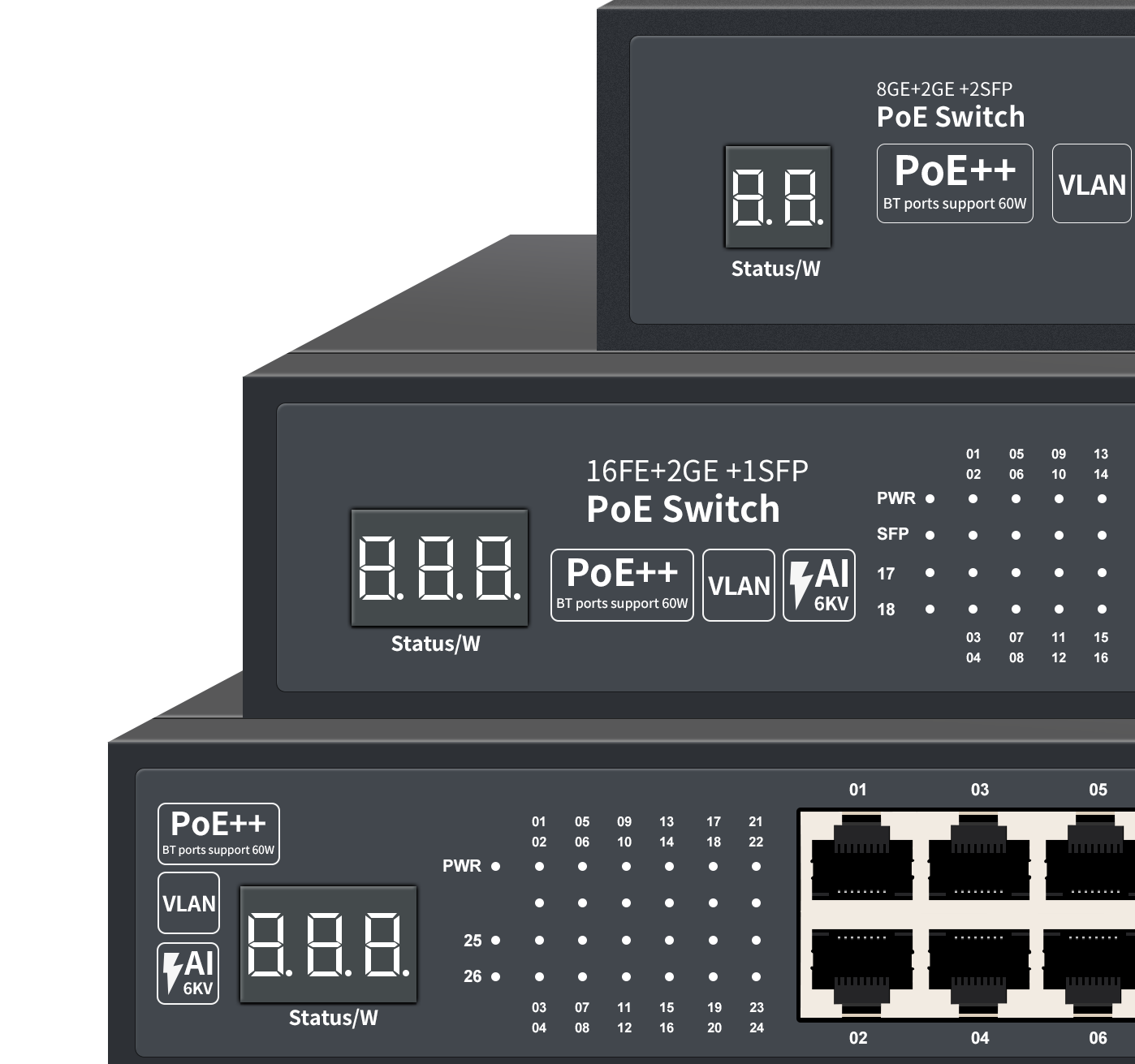
Web management over HTTPS, CLI through console, Telnet or SSH, and SNMP v1/v2c/v3 support different operating habits. LLDP, RMON, system logs, port statistics, cable diagnosis, ping testing, CPU and memory monitoring help technicians locate faults without visiting every device. With a -40°C to +80°C operating range, 6 kV lightning protection and a 5-year warranty with lifelong maintenance, the switch is suited to industrial Ethernet, intelligent transportation, rail transit, power, mining, oil and gas, marine, metallurgy and renewable-energy networks.