
Industrial switching for high-density access and fast uplinks
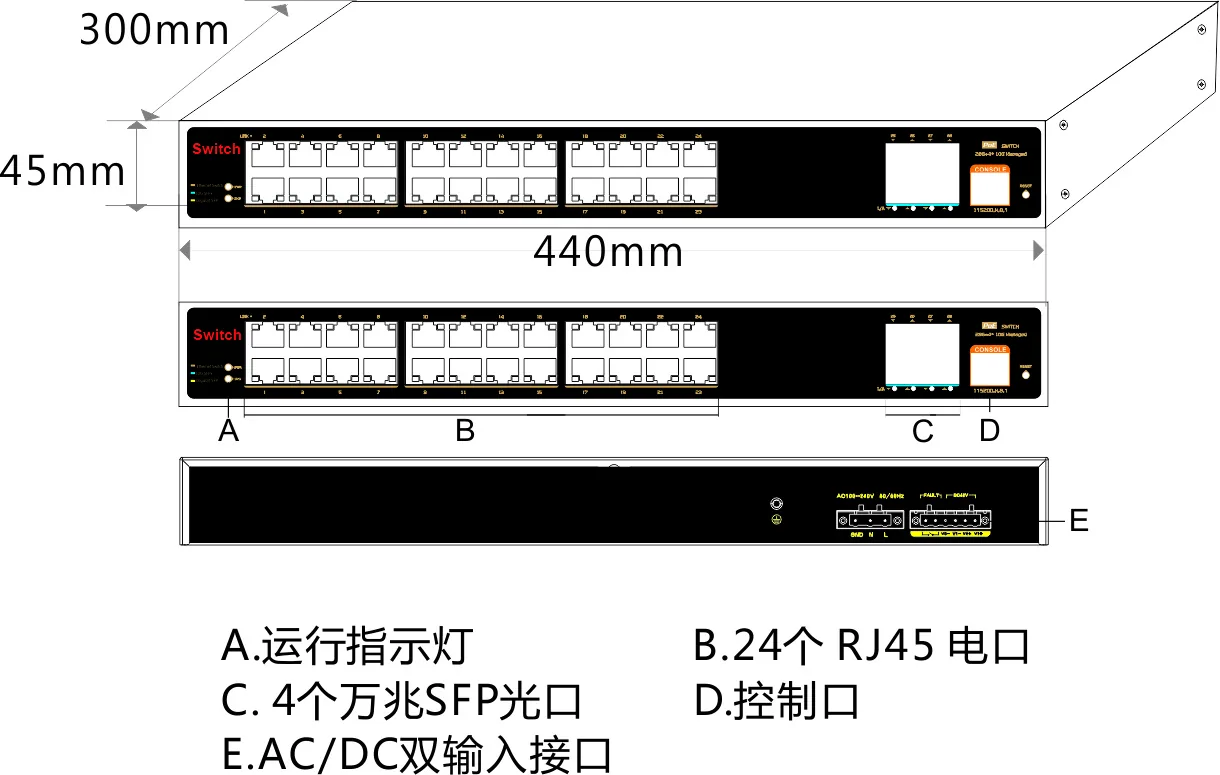
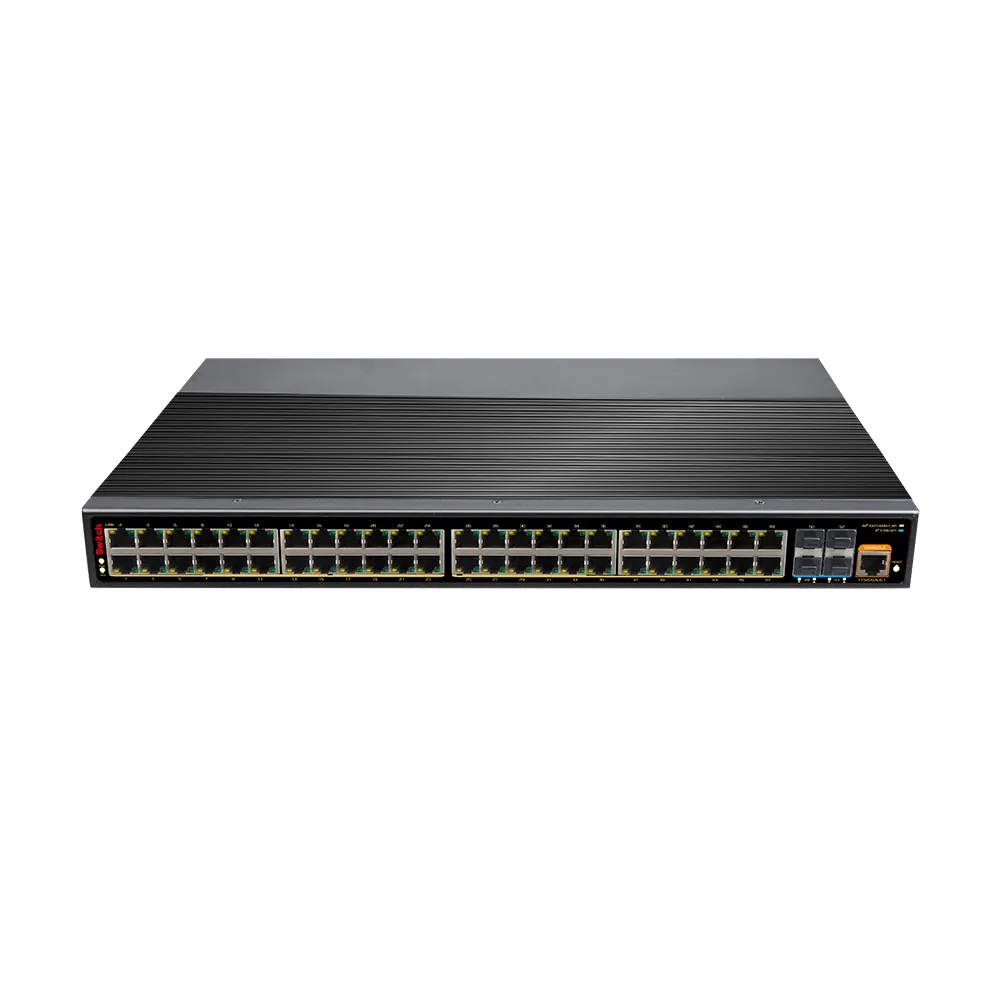
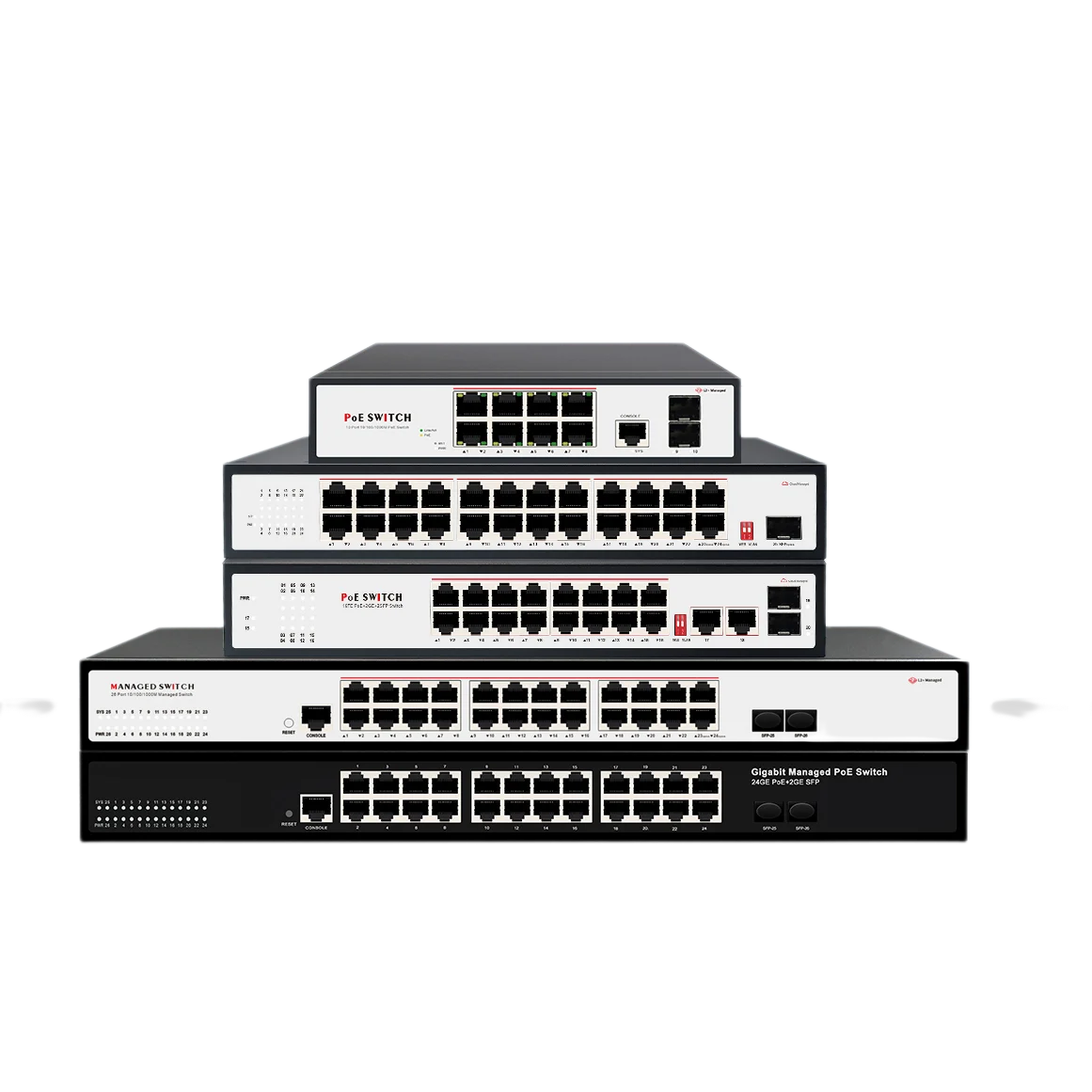
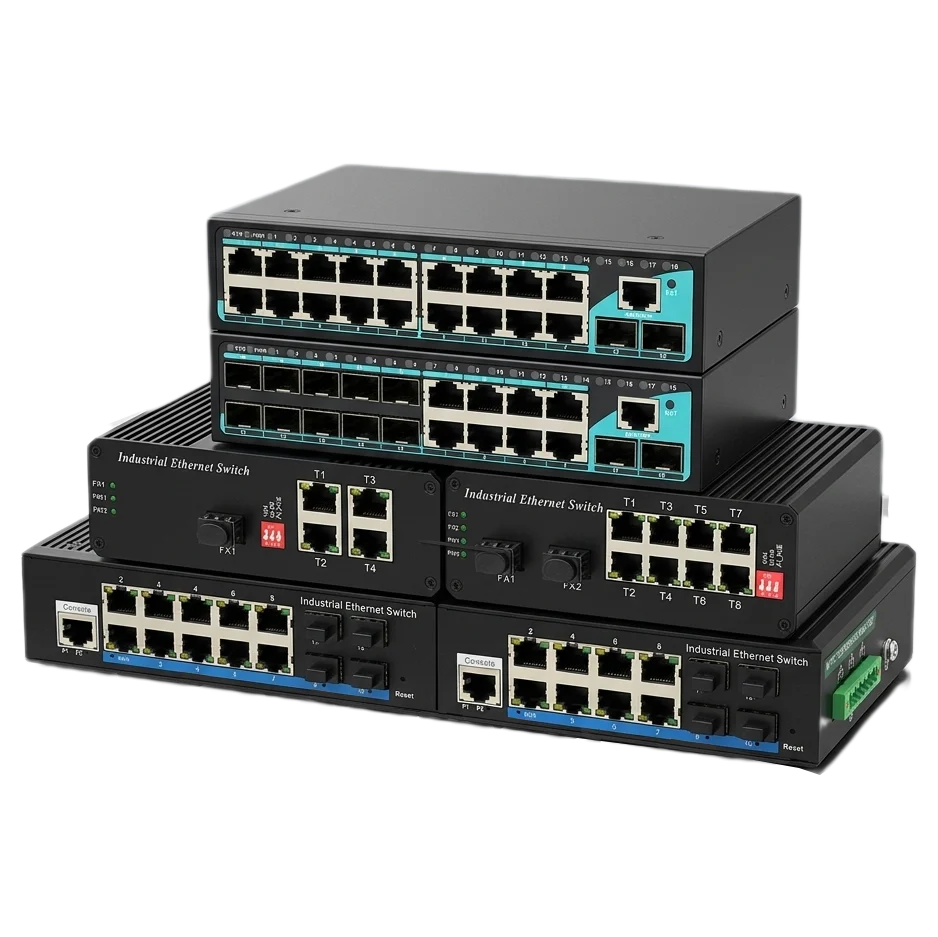
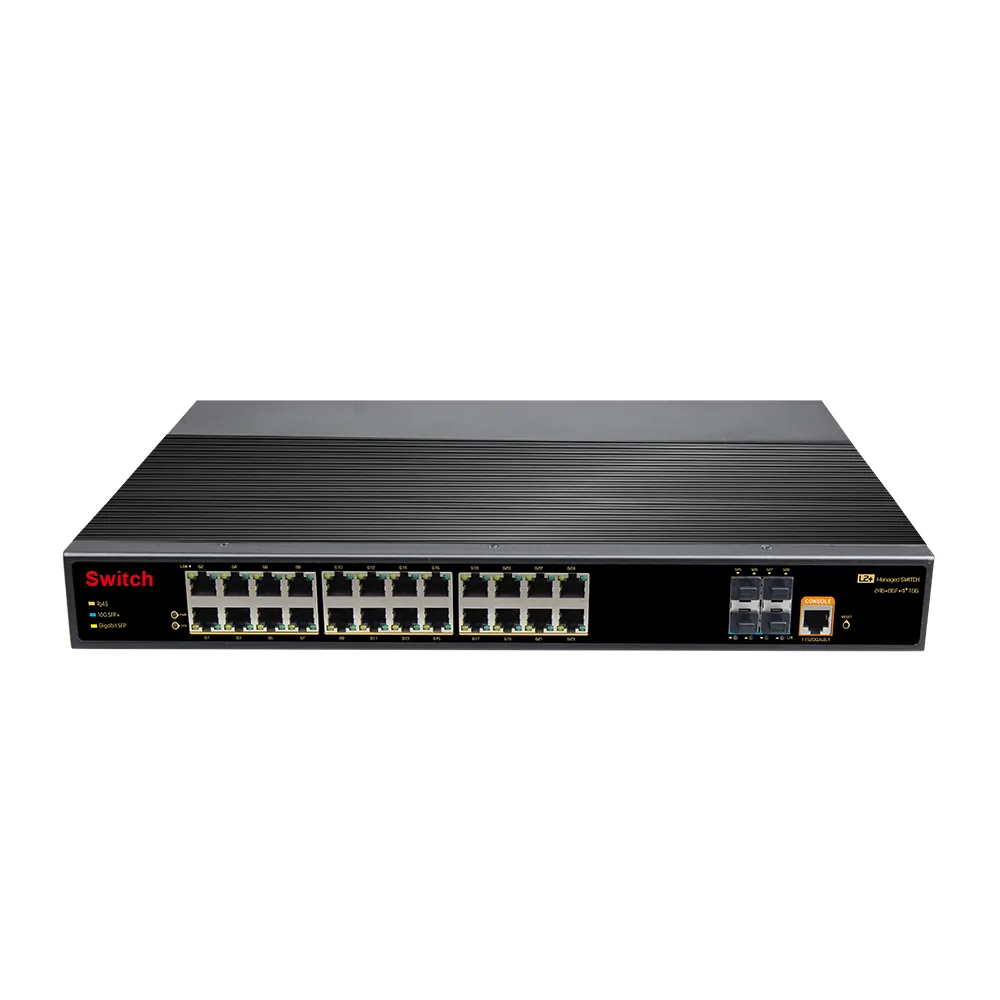
The IS830-24E4F-60W is a 28-port L3 managed industrial ethernet switch with 4 SFP+ 10G uplink rack mount design. It combines 24 auto-sensing 10/100/1000Base-T RJ45 ports for device access with four 1G/10G SFP+ fiber slots for aggregation or backbone connections. For sites that need more than a standard Gigabit switch but do not want to move every endpoint to 10G, this layout keeps the access layer practical while giving the uplink side room to grow.
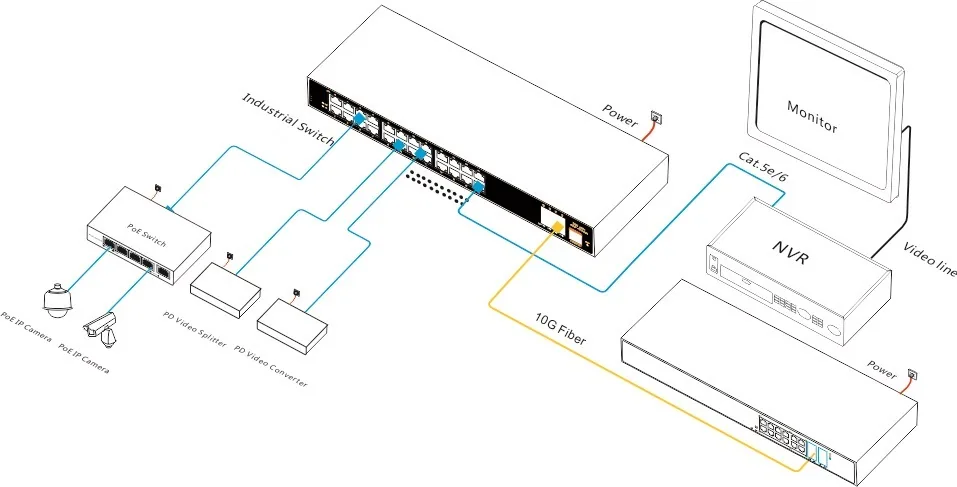
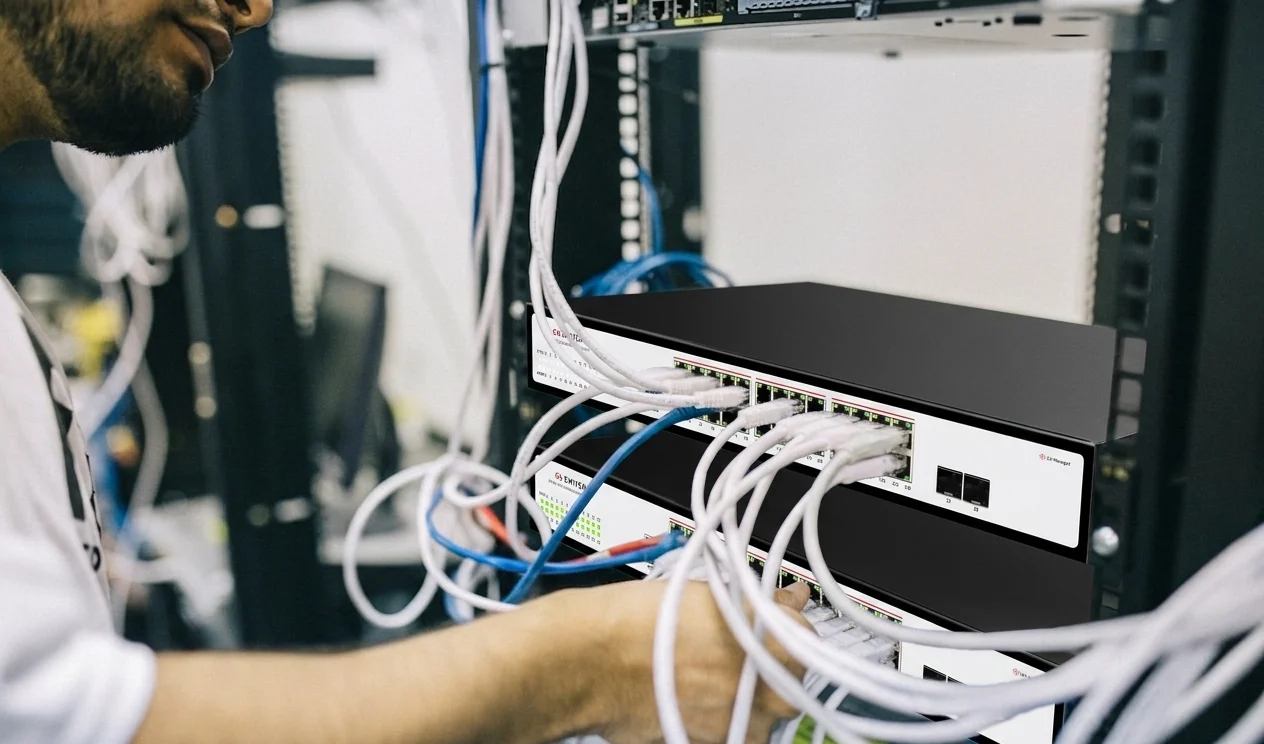
In an industrial control cabinet, transport station, power distribution room, or small data room, traffic often comes from many different devices: PLCs, cameras, access controllers, wireless access points, workstations, and monitoring servers. The 24 Gigabit copper ports provide straightforward connection for these endpoints, while the 10G SFP+ uplinks help prevent a busy access network from being squeezed through a single Gigabit connection. All ports support wire-speed forwarding, so normal business, video, and control traffic can share the switch without an avoidable forwarding bottleneck.
L3 management that helps keep network changes under control
This managed industrial Ethernet switch provides IPv4 and IPv6 management, static routing, default routes, VLAN segmentation, link aggregation, QoS, ACLs, and multicast control. Network administrators can separate production devices, office users, surveillance cameras, and management traffic with port-based, protocol-based, MAC-based, voice, or QinQ VLAN configurations. Static routing allows the switch to handle selected inter-network traffic locally, which can simplify the design of a small industrial network and reduce dependence on an additional routing device.
When voice, video, or control traffic must take priority, QoS supports 802.1p and DSCP mapping with eight output queues per port. Rate limiting, packet filtering, storm control, and port mirroring give administrators practical tools for troubleshooting and traffic control. ACL rules can examine MAC addresses, IP addresses, protocols, TCP/UDP ports, and VLAN information. These controls are useful when a customer needs to limit unauthorized access, isolate sensitive devices, or find the source of abnormal traffic without taking the whole network offline.
Fast recovery for ring and redundant network designs
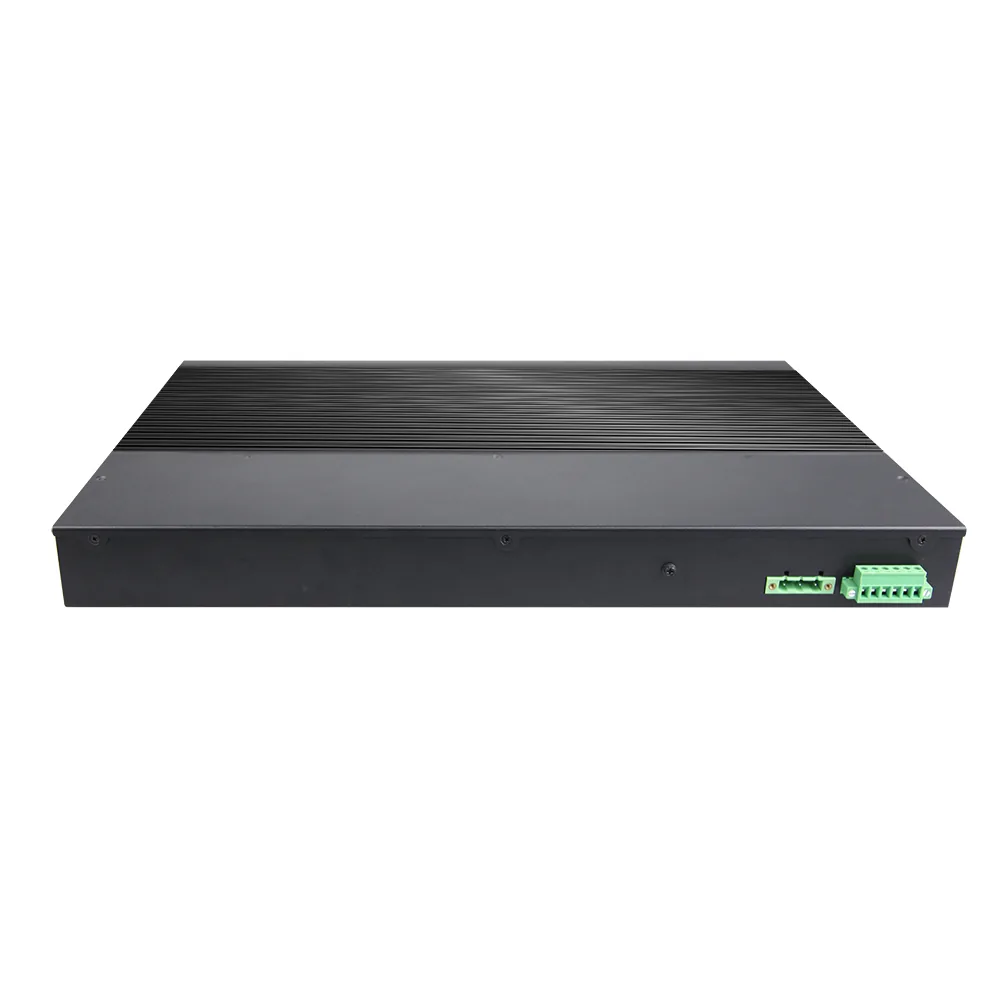
Network downtime is costly in production lines, rail systems, intelligent transportation, mining, and energy installations. The switch supports STP, RSTP, MSTP, and ITU-T G.8032 ERPS ring protection. ERPS recovery can be less than 20 ms under the specified network conditions, while STP-family protocols support more familiar redundant topologies. With dual DC input terminals, AC priority, automatic changeover to the DC connection, and reverse-polarity protection, the power design also suits locations where continuity matters.
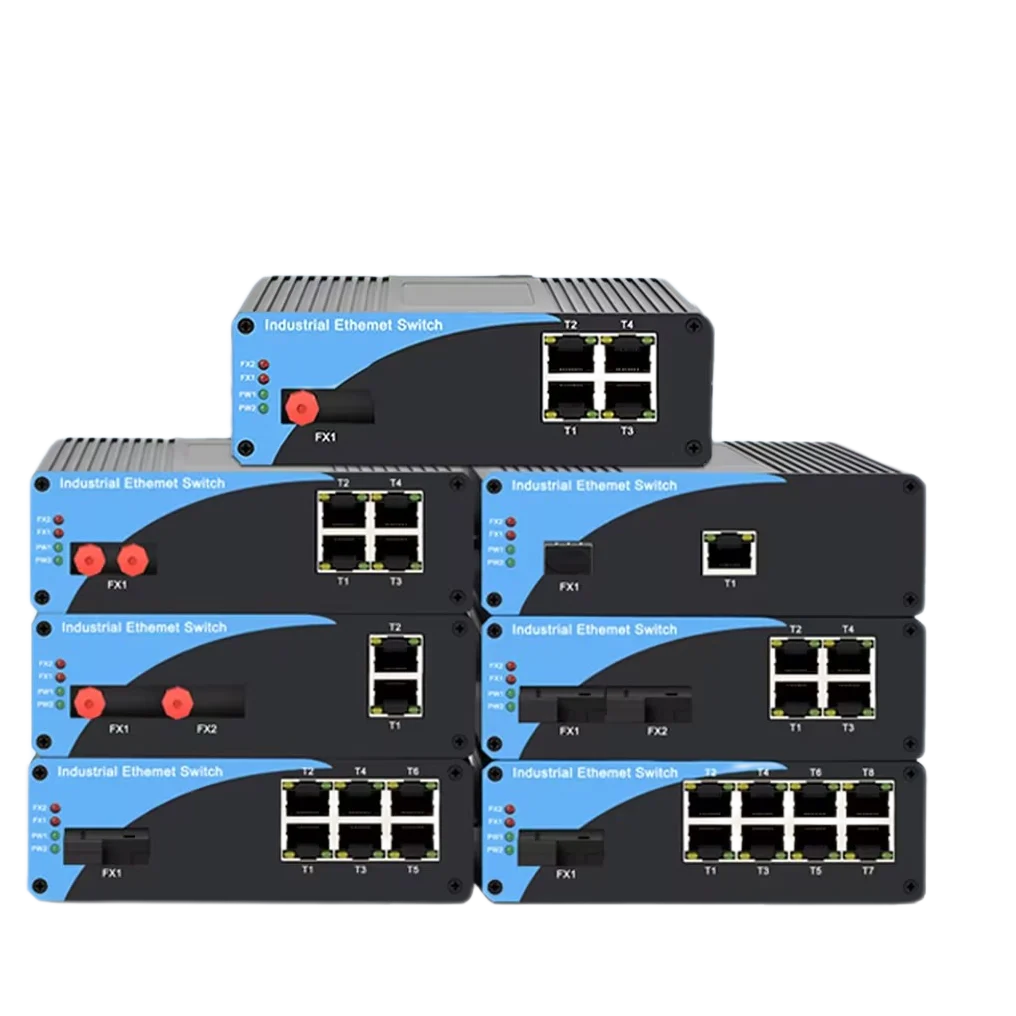
The fanless aluminum enclosure reduces moving parts, noise, and routine maintenance. A wide operating temperature range of -40°C to +80°C supports demanding industrial areas, and the IP40 housing, 6 kV lightning protection, and industrial EMC test coverage add practical protection for field deployment. The built-in LED indicators show power, system, copper link activity, and fiber status at a glance, so technicians can check the basic condition before opening the management interface.
Designed for daily operation, not just initial installation
Web management over HTTPS, CLI through console, Telnet, or SSH, and SNMP v1/v2c/v3 give teams flexibility in how they monitor and maintain the network. LLDP, RMON, system logs, NTP, cable diagnosis, ping testing, CPU and memory monitoring, and port traffic statistics help shorten fault isolation time. One-key reset and configuration transfer through FTP, TFTP, Xmodem, or SFTP are useful during replacement or planned maintenance.
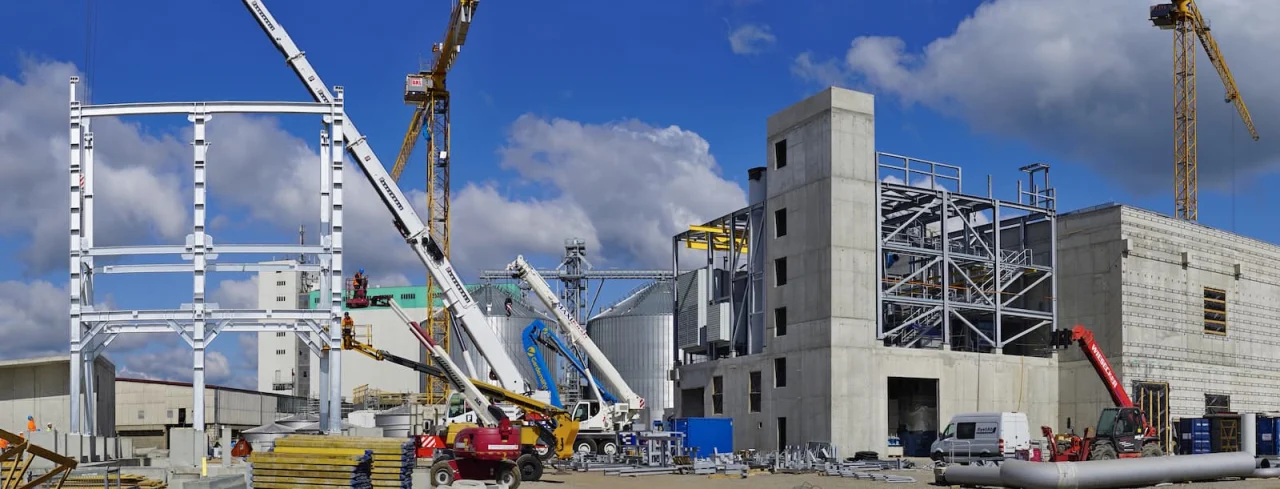
For IT managers, system integrators, and network maintenance teams, this 28-port L3 managed industrial Ethernet switch offers a clear migration path from Gigabit access to 10G aggregation. It fits 19-inch 1U rack installation or desktop placement and works with selectable single-mode or multimode SFP/SFP+ modules. Typical applications include industrial automation, smart transportation, rail transit, electric power, mining, petroleum, marine networks, metallurgy, and renewable energy projects where stable connectivity, controlled traffic, and manageable expansion are required.