


Managed Gigabit Switching for Industrial and Enterprise Networks
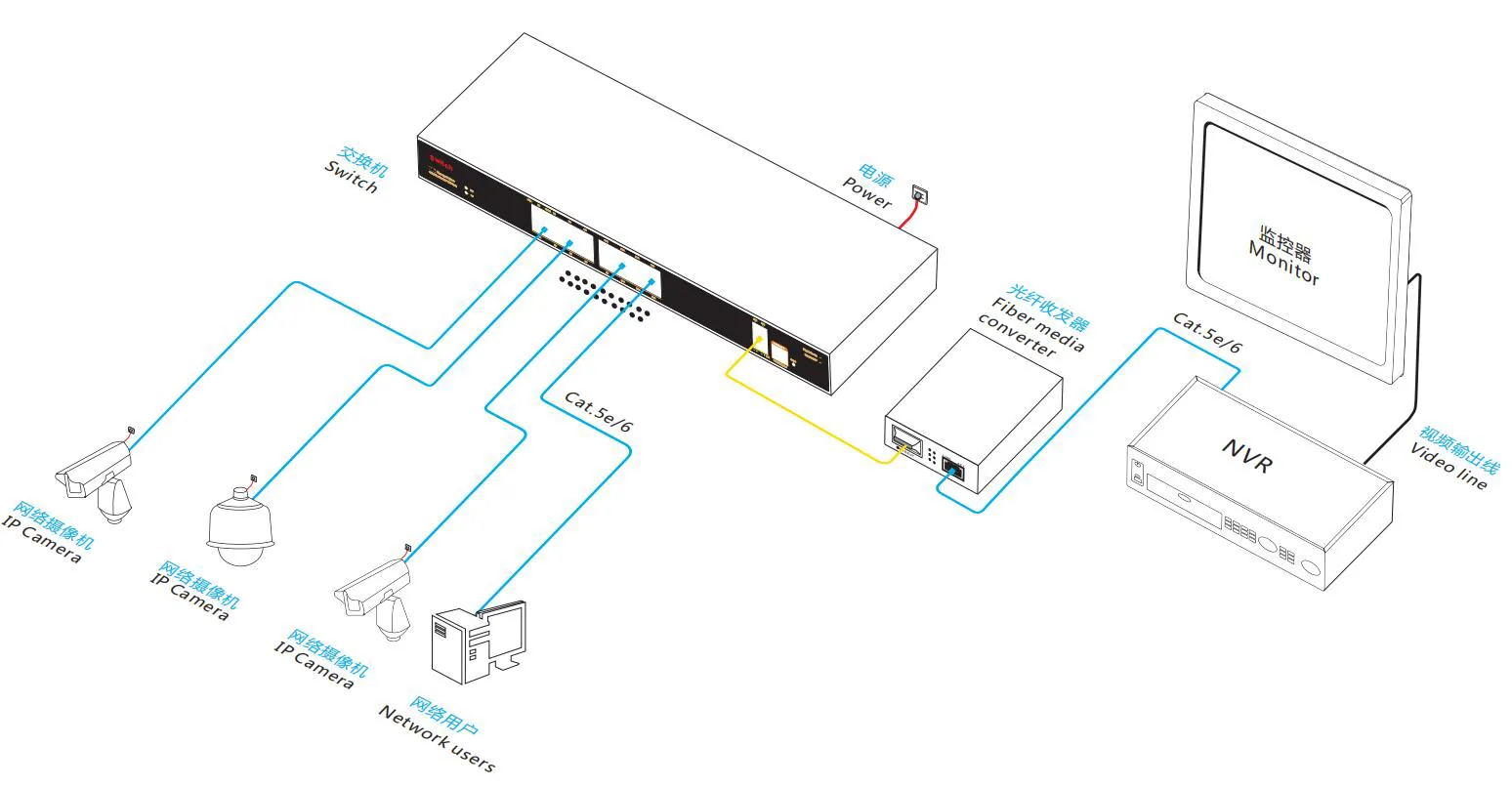
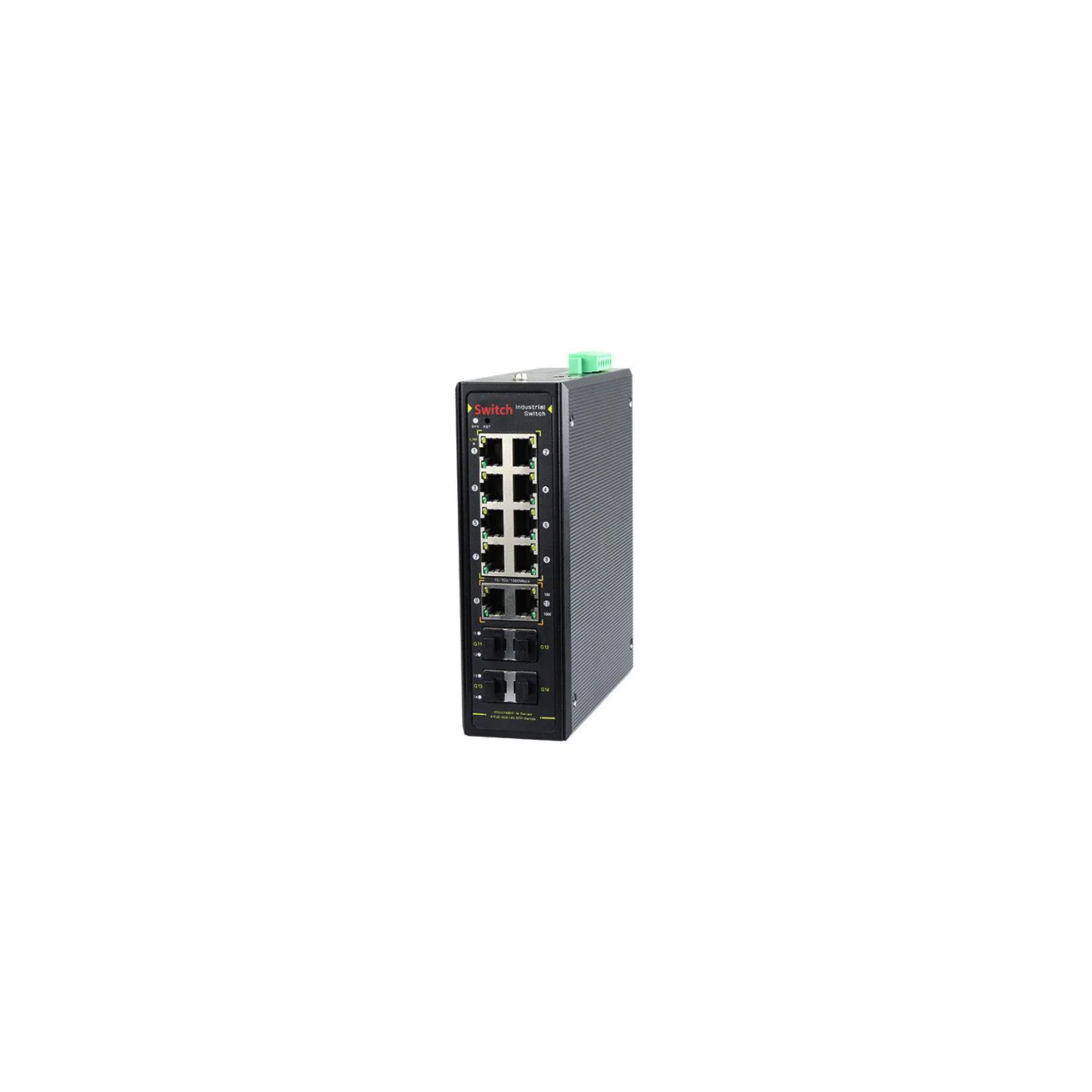
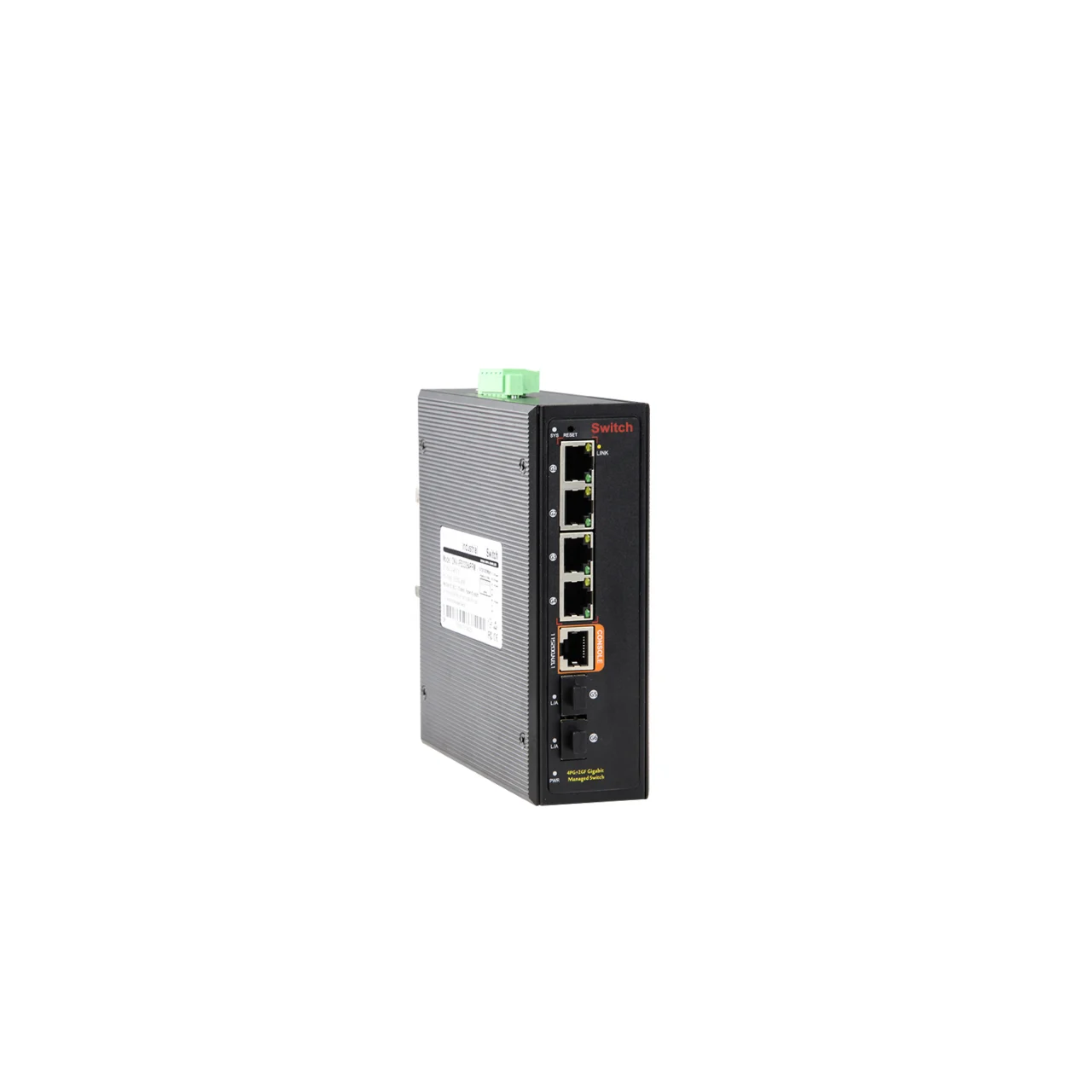
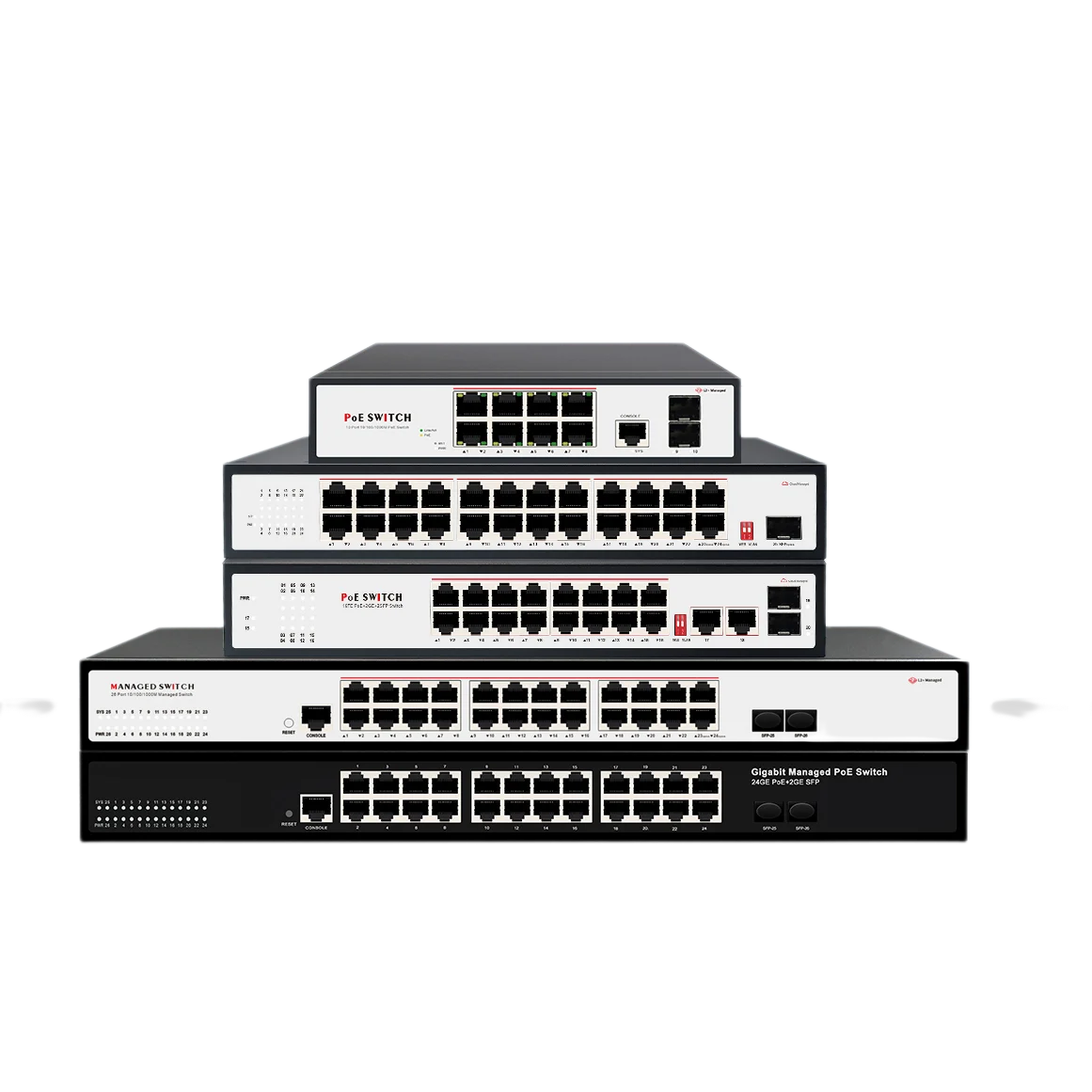
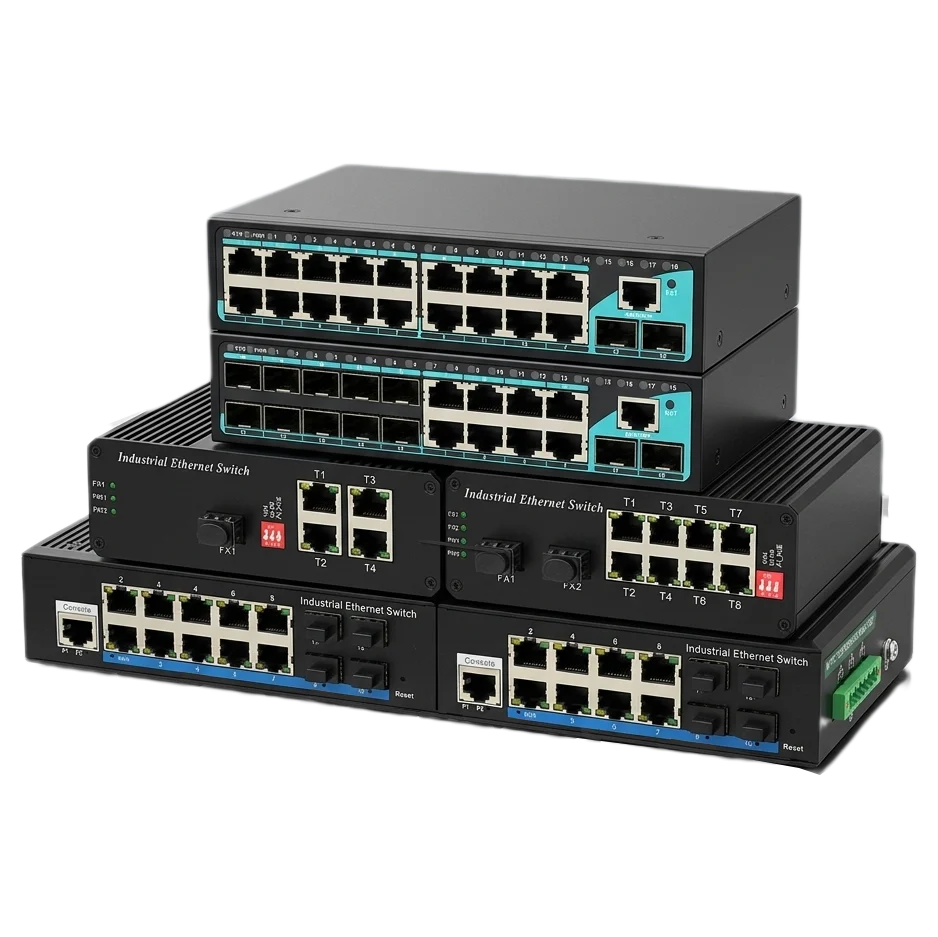
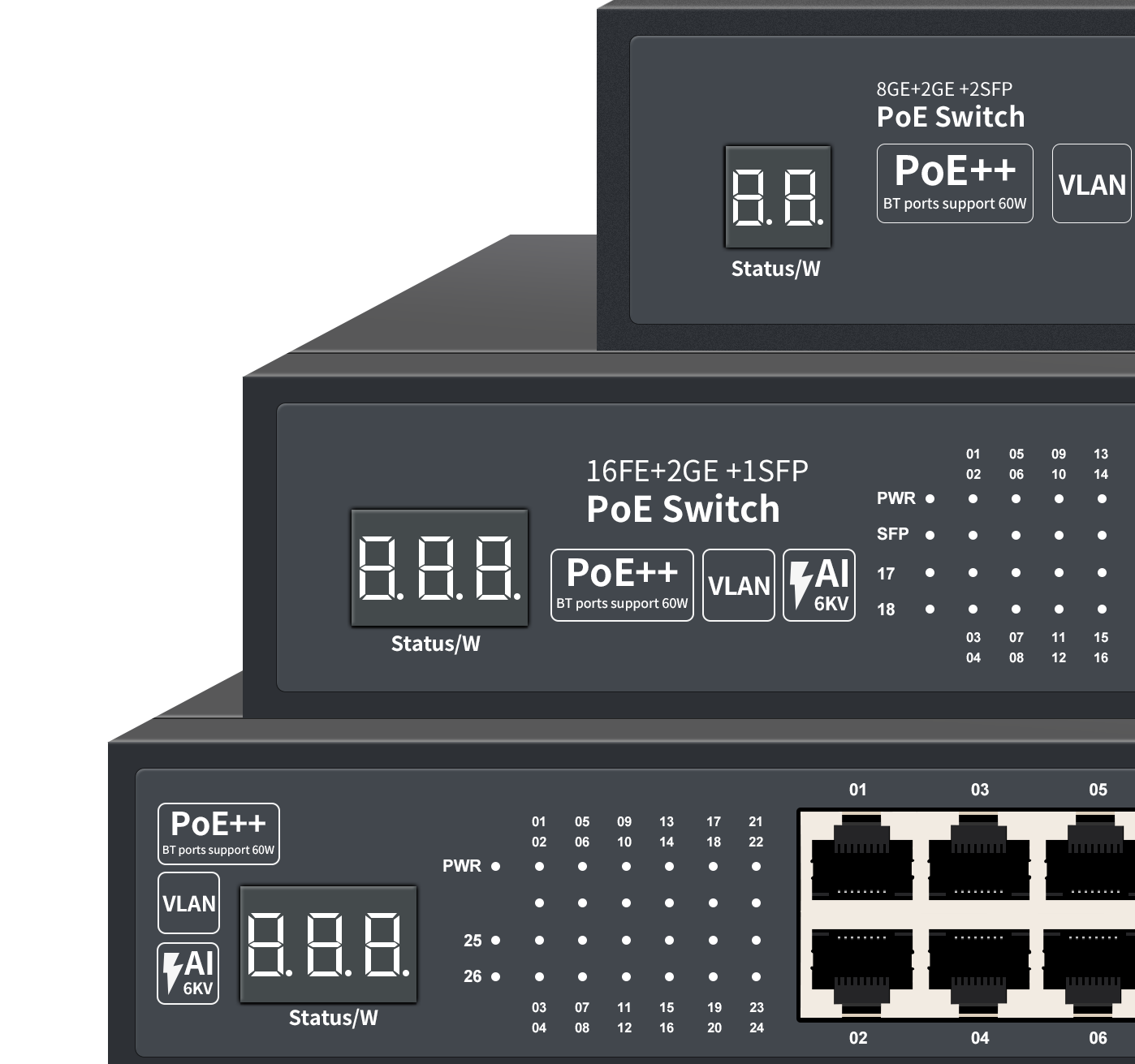
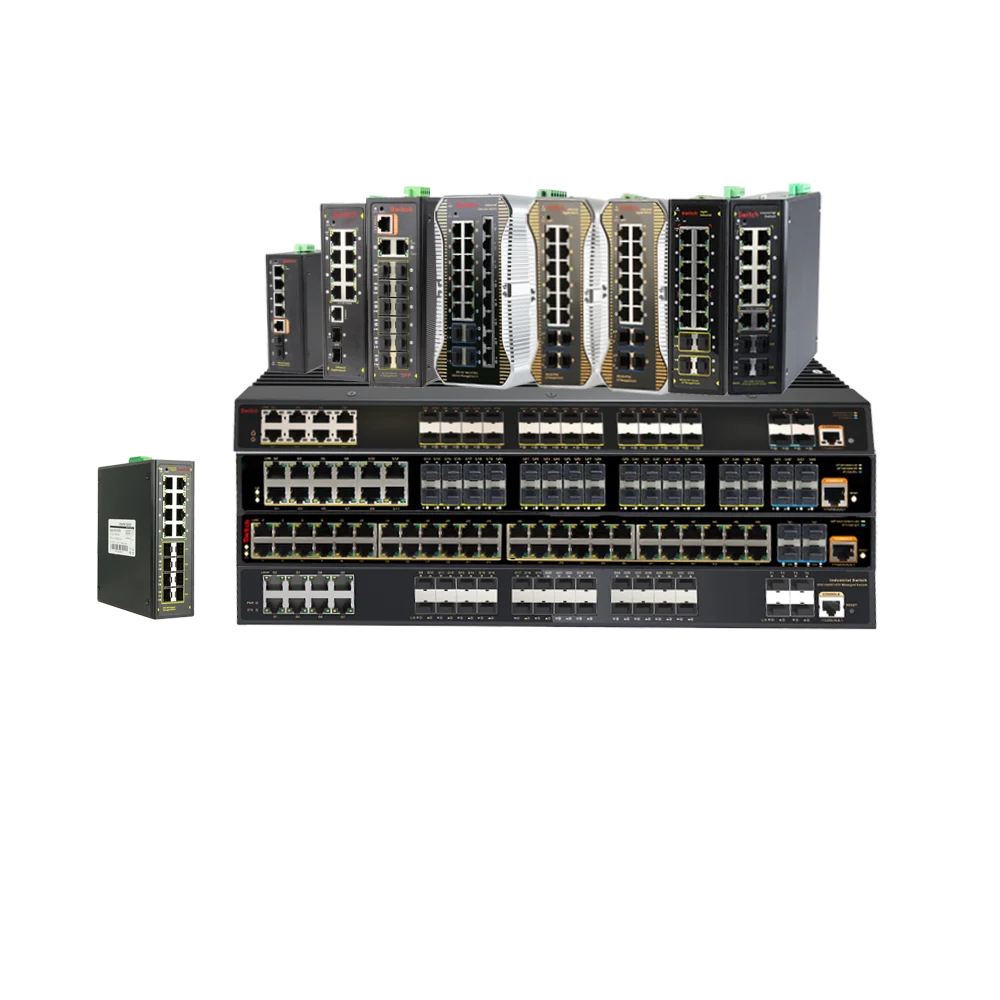
The IS700-24E2C2F-30W is built for network teams that need more than basic connectivity. It combines 24 10/100/1000Base-T RJ45 ports with 4 100/1000Base-X SFP slots, including 2 combo port sets, so you can connect local copper devices while keeping fiber uplinks available for longer-distance links. Every port supports wire-speed forwarding, which helps avoid a switching bottleneck when connecting IP cameras, PLCs, access points, servers, or control systems.
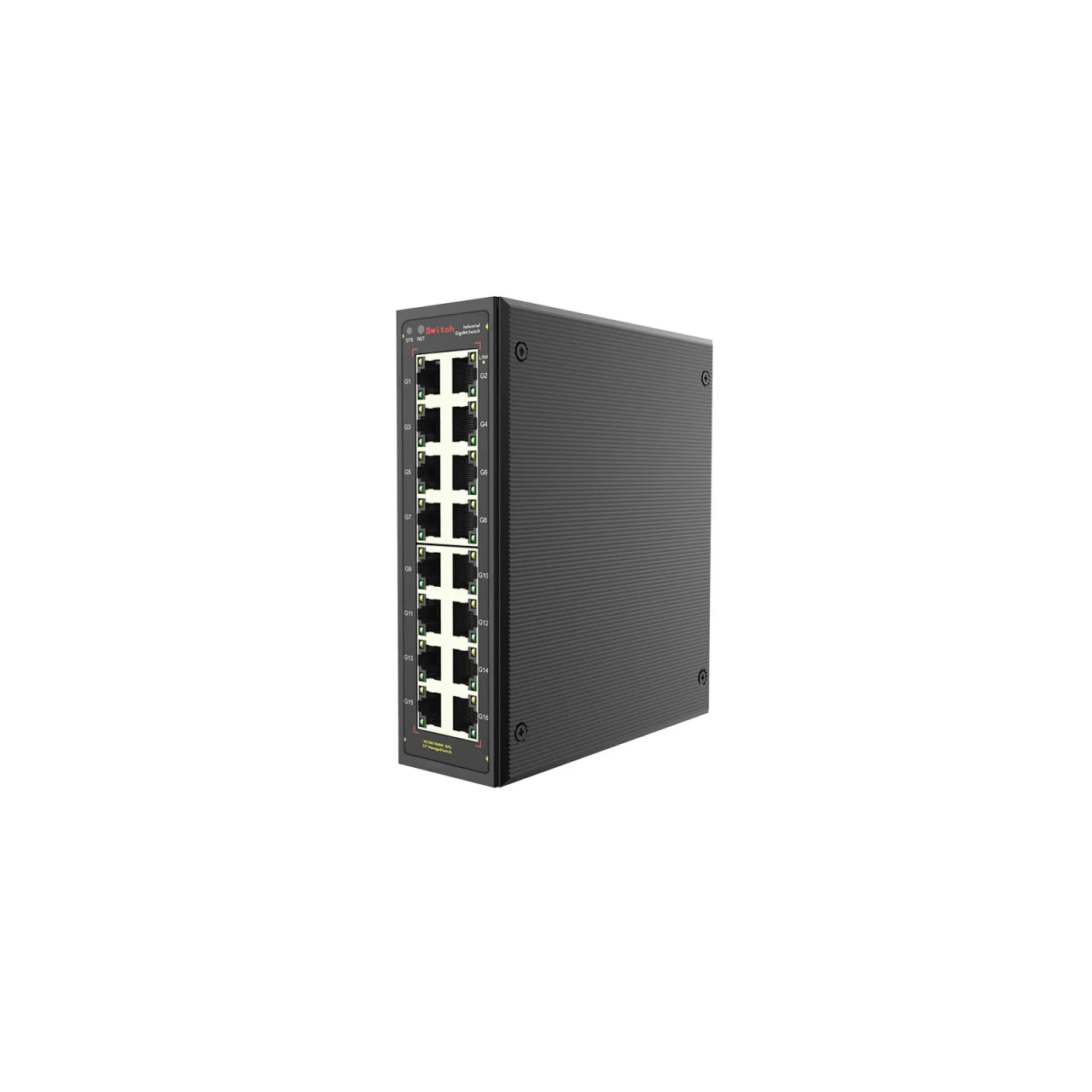
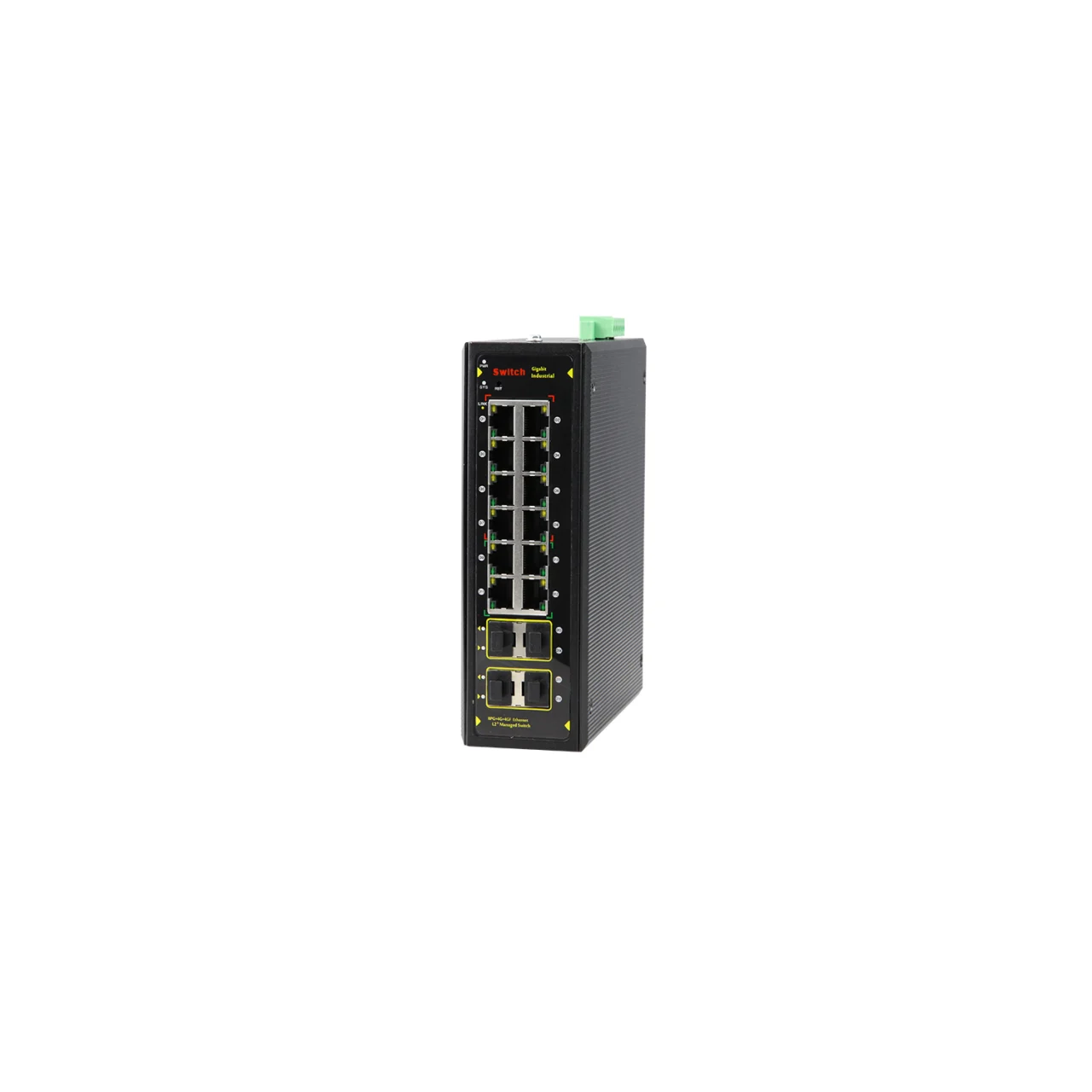
Although some buyers search for a 16-port gigabit managed industrial fiber switch with 8 SFP ports, this model uses a different and clearly defined configuration: 24 gigabit copper access ports and 4 gigabit SFP fiber ports. That makes it a practical fit where the site has many edge devices but only a small number of fiber backbone connections. The SFP interfaces can be matched with optional single-mode or multimode, single-fiber or dual-fiber optical modules. Depending on the selected optics, fiber links can reach up to 500 m over multimode fiber, 40 km over 1310 nm single-mode fiber, or 120 km over 1550 nm single-mode fiber.
For installations where a single cable path is not enough, the switch supports STP, RSTP, MSTP, and ITU-T G.8032 ERPS. ERPS can restore ring communication in less than 20 ms under the specified network conditions, while STP-family protocols support conventional redundant topologies. This is useful for factory lines, traffic control cabinets, rail communication networks, substations, mines, and outdoor energy systems where a link failure should not stop critical data exchange.
The L2+ management feature set gives administrators practical control over traffic and access. IEEE 802.1Q VLANs, MAC-based VLAN, protocol VLAN, Voice VLAN, QinQ, Access/Trunk/Hybrid port modes, and port aggregation help separate business, voice, surveillance, and control traffic. Static routing and default routes provide basic Layer 3 forwarding for segmented networks without requiring a separate routing appliance at every distribution point.
Traffic handling can be adjusted with eight output queues per port, 802.1p and DSCP priority mapping, SP, WRR, and SP+WRR scheduling, flow-based rate limiting, packet filtering, and redirection. IGMP Snooping and multicast VLAN support help reduce unnecessary multicast traffic in video monitoring and automation networks. ACL rules can inspect Layer 2 to Layer 4 information, including MAC addresses, IP addresses, protocols, TCP/UDP ports, and VLANs.
Security and daily maintenance are also covered. Administrators can use 802.1X, MAC authentication, RADIUS, SSH 2.0, HTTPS, port isolation, IP-MAC-VLAN-Port binding, DHCP Snooping, ARP inspection, storm control, and anti-DoS controls. Web management, CLI access, SNMP v1/v2c/v3, LLDP, cable diagnostics, NTP, event logs, ping tests, and one-button recovery make the switch easier to fit into an existing IT or NMS workflow.
The fanless aluminum housing reduces moving-part failures and keeps maintenance simple. It supports desktop or 19-inch 1U rack installation, operates from -40°C to +80°C, and accepts AC100-240V or dual DC12-48V inputs with reverse-polarity protection and automatic power switching. A built-in 60 W power supply, 6 kV lightning protection, industrial EMC protection, and a five-year warranty make it suitable for long-running industrial Ethernet deployments where stable operation matters more than unnecessary features.