

High-Density L3 Industrial Switching for Fiber-Based Networks
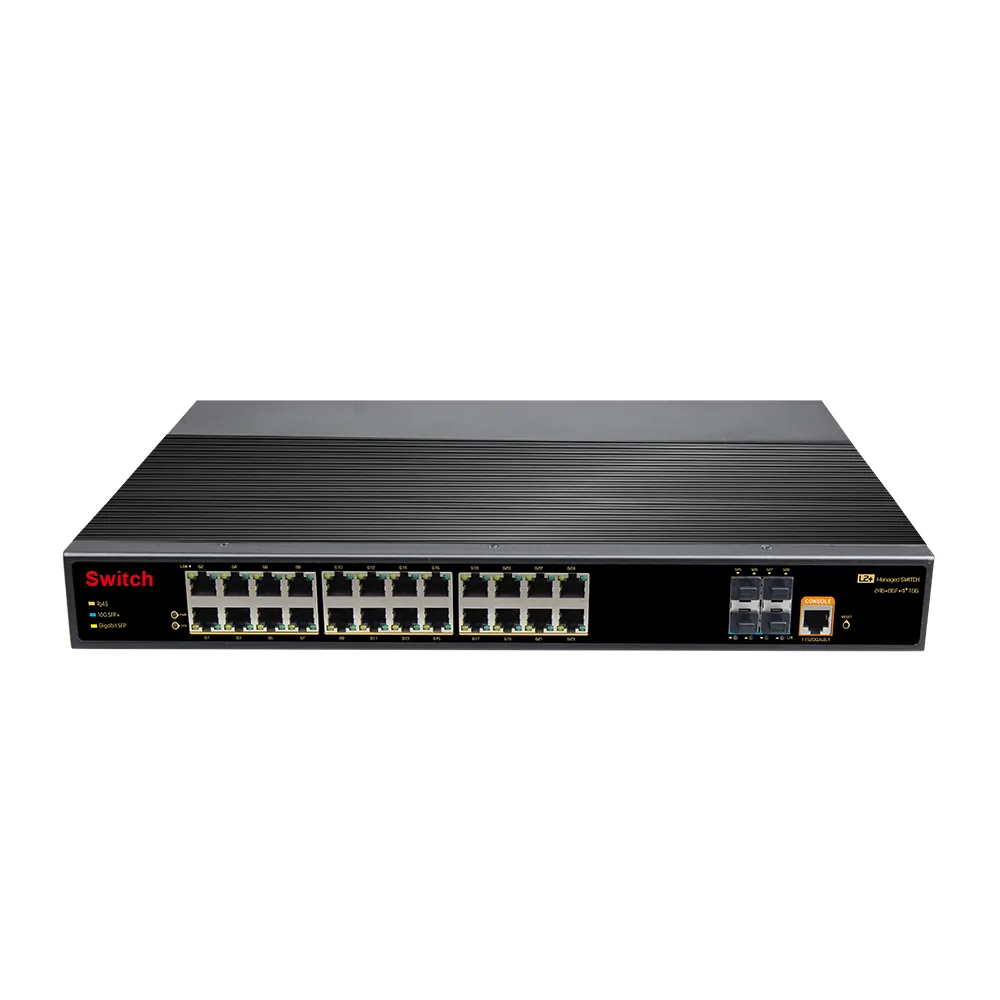
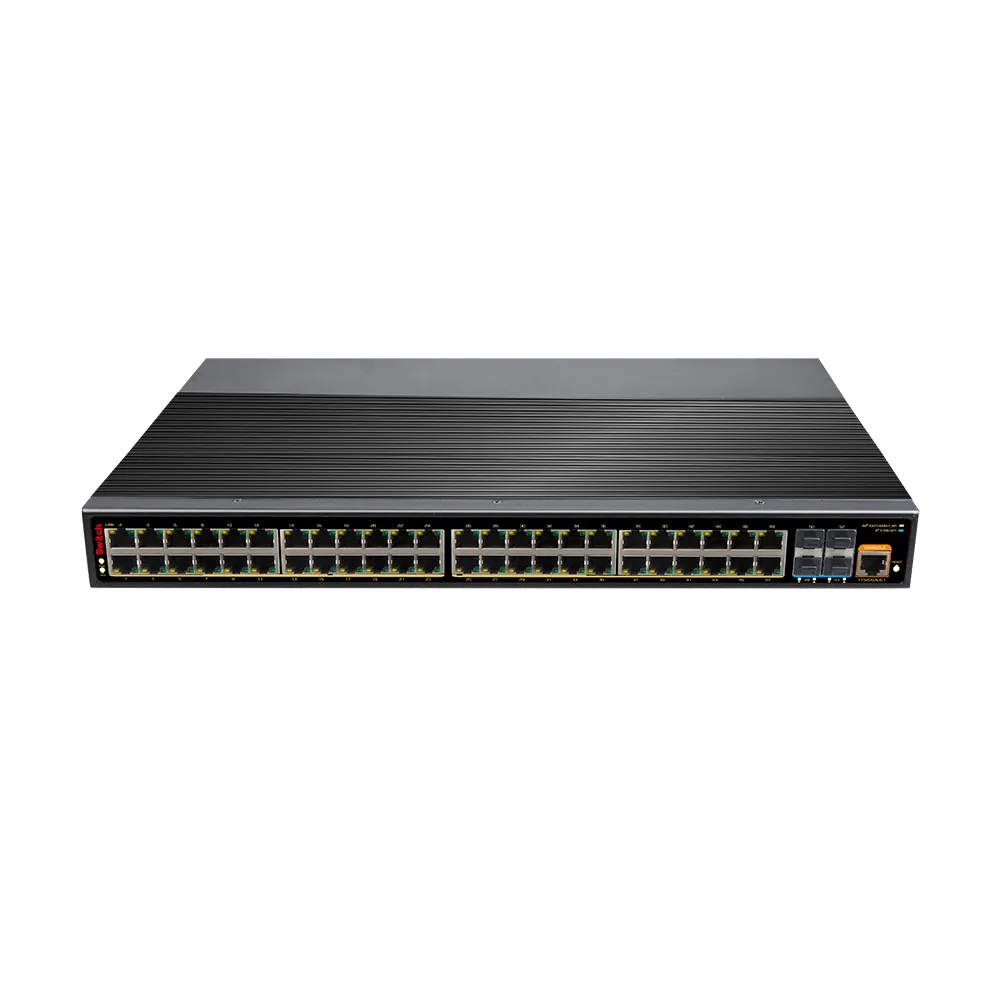
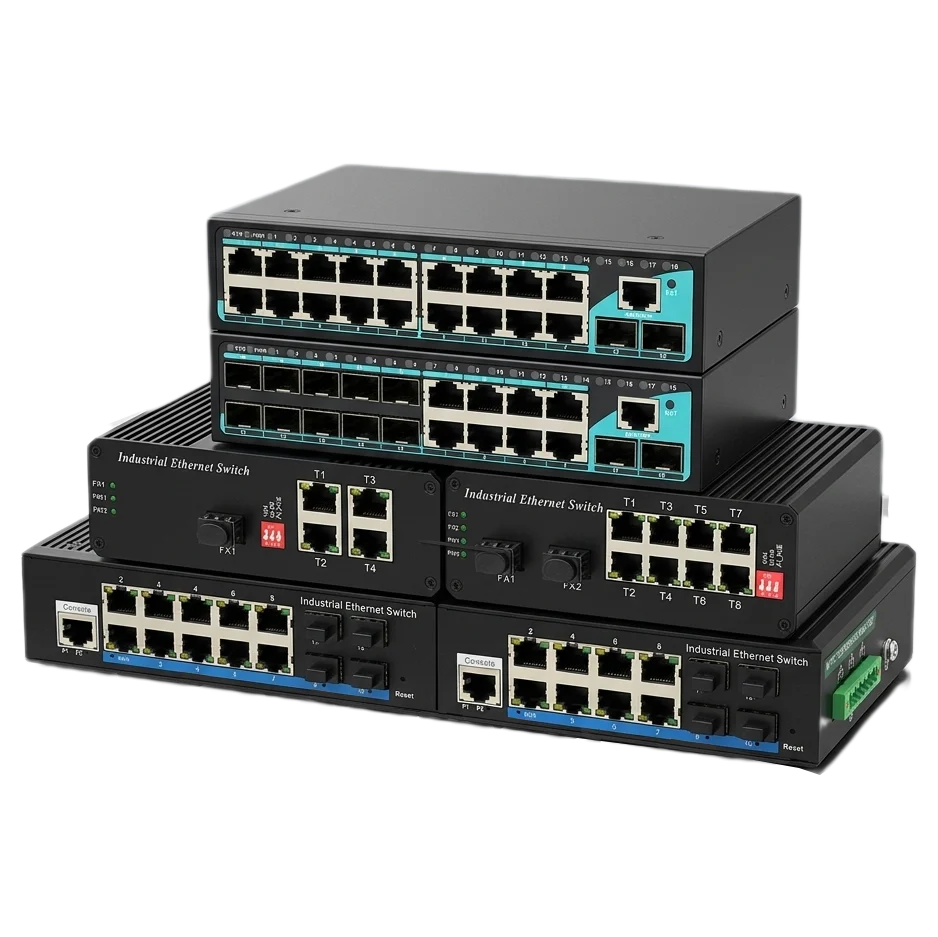
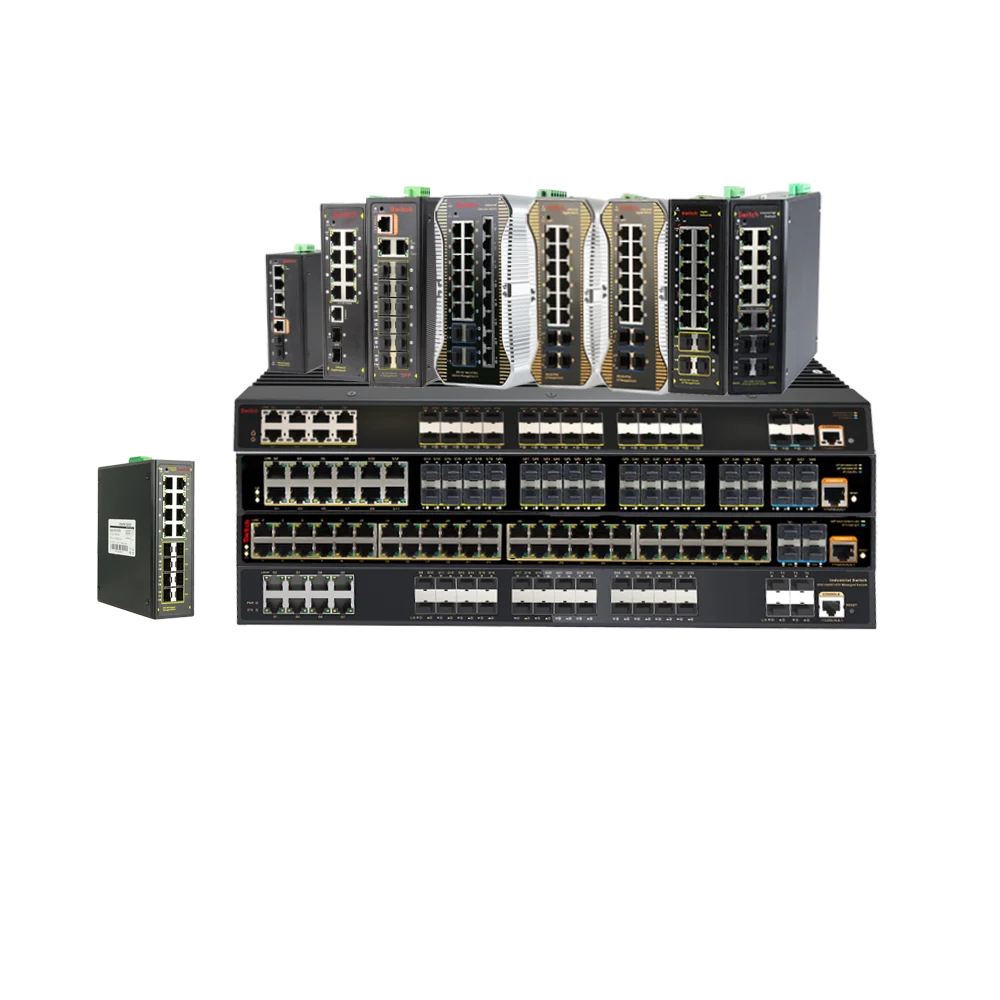
The IS830-12E28F4F-60W is built for projects that need many fiber connections, 10G backbone capacity, and proper Layer 3 control in one rack unit. It combines 12 Gigabit copper ports, 28 Gigabit SFP slots, and 4 dual-rate 1/10G SFP+ uplinks. Every port supports wire-speed forwarding, so traffic does not have to queue behind a low-capacity internal design.
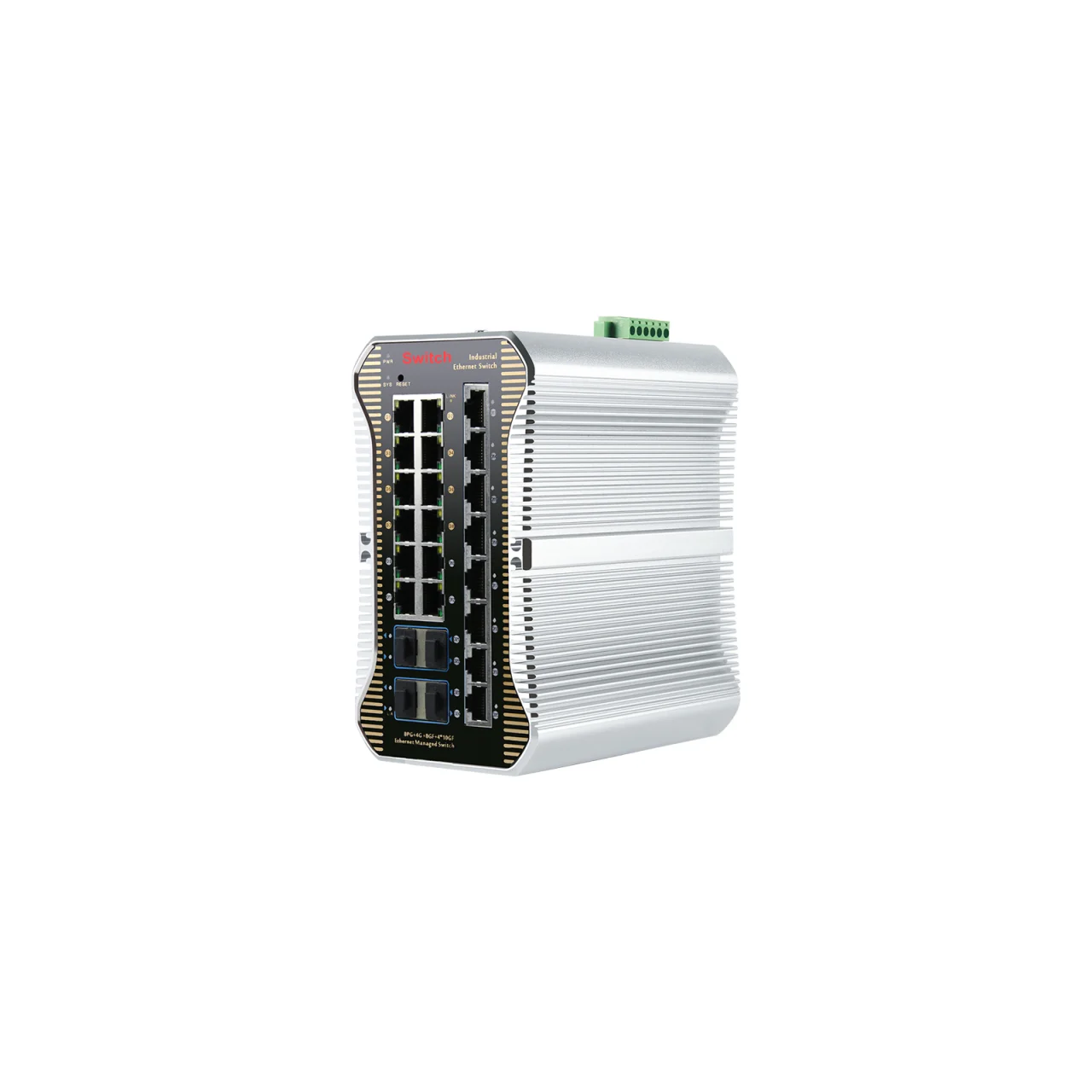
Some project searches use the phrase “16-port L3 managed industrial ethernet switch with 4 SFP+ 10G uplink DIN rail.” This model is not a 16-port DIN-rail switch; it is a 44-port, 19-inch rack-mount industrial Ethernet fiber switch. That distinction matters when preparing a bill of materials. The actual port layout is intended for industrial control rooms, transport cabinets, utility substations, mining communication rooms, and other sites where fiber density is more important than compact DIN-rail installation.
Designed for Network Expansion and Fast Recovery
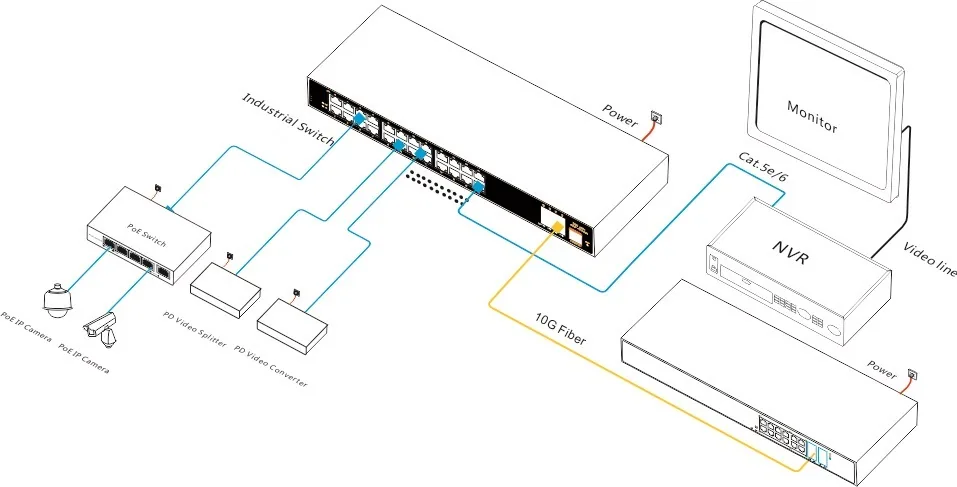
Industrial networks often start with a few copper devices and then grow through remote cabinets, cameras, PLCs, access points, or control servers. The 28 SFP fiber slots allow long-distance point-to-point links without filling the chassis with separate media converters. The four SFP+ ports provide 10G connections toward a core switch, server, storage system, or high-bandwidth ring backbone. Supported optical modules can be selected for multimode links up to 500 m at 1.25G, up to 300 m at 10G, or single-mode links extending up to 40 km at 1310 nm and 120 km at 1550 nm, depending on the installed modules and fiber conditions.
For ring deployments, G.8032 ERPS can restore communication in less than 20 ms, while STP, RSTP, and MSTP support more traditional redundancy designs. This gives network engineers room to match recovery behavior to the site topology instead of forcing every project into the same architecture. Static routing, default routes, IPv4/IPv6 management, link aggregation, and flexible VLAN modes help separate control, video, voice, office, and maintenance traffic.
Practical Security and Traffic Control
Layer 3 management is useful only when it can be maintained by the operations team. The switch provides Web management, console CLI, Telnet, SSH, and SNMP V1/V2c/V3. LLDP, RMON, system logs, port statistics, ping testing, cable diagnosis, CPU monitoring, and memory monitoring help technicians locate faults without visiting every cabinet. HTTPS, SSH, user-level permissions, 802.1X, MAC authentication, RADIUS, DHCP snooping, ARP inspection, IP source protection, port isolation, and IP-MAC-VLAN-Port binding add controls for networks that carry operational or sensitive data.
QoS supports 802.1p and DSCP mapping with eight output queues per port and SP, WRR, or SP+WRR scheduling. ACL rules can inspect Layer 2 to Layer 4 fields, including MAC addresses, IP addresses, protocols, TCP/UDP ports, port ranges, and VLANs. In practical terms, this lets an administrator prioritize control traffic, limit unwanted broadcast activity, isolate edge devices, and keep video or bulk traffic from affecting time-sensitive applications.
Rack-Ready Hardware for Industrial Sites
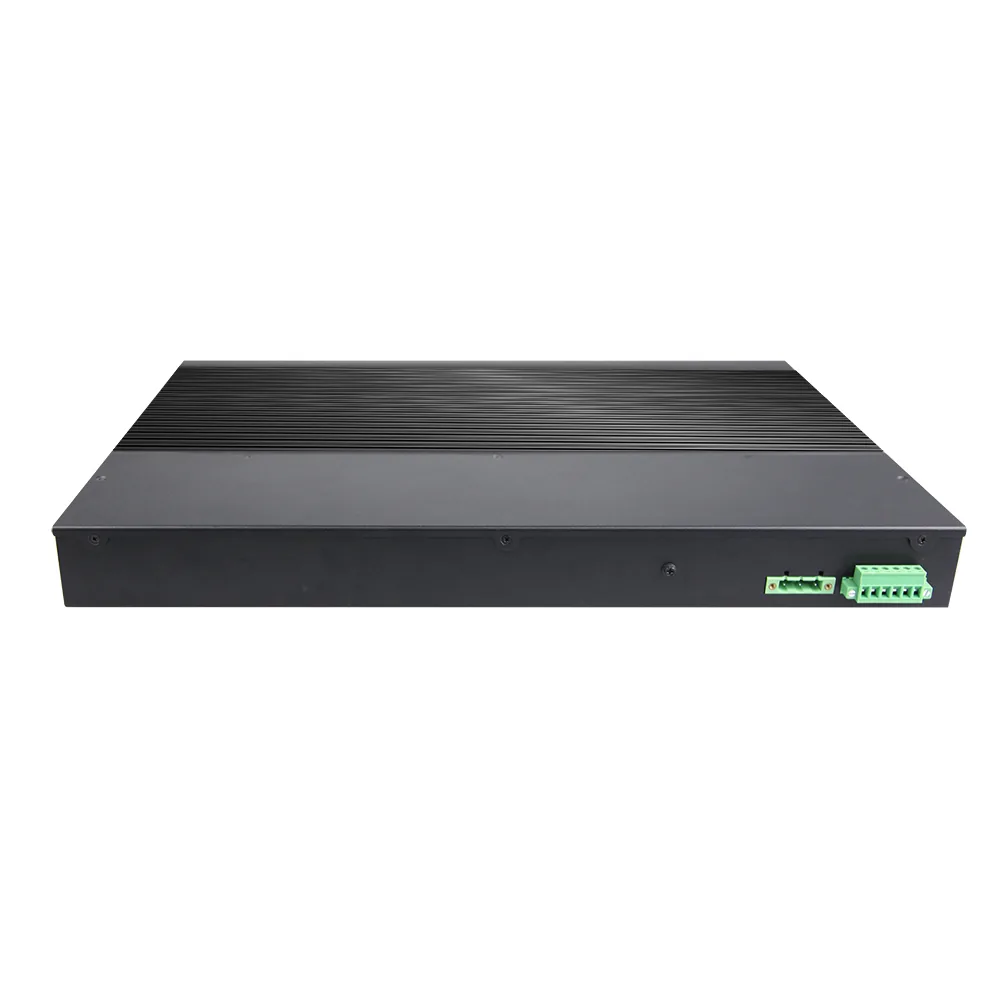
The galvanized steel housing supports desktop use or 19-inch 1U cabinet installation. A built-in 100–240 VAC power supply works with two 12 VDC inputs, with automatic changeover to the DC connection if the AC source is interrupted. Reverse-polarity protection on the DC inputs helps reduce wiring risk during field maintenance. The switch operates from -40°C to +80°C and uses active fan cooling. LED indicators show power, system, copper link/activity, and fiber link/activity status at a glance.
This managed industrial Ethernet switch fits IT administrators, system integrators, and maintenance teams deploying fiber-heavy networks in transportation, power, mining, petroleum, marine, metallurgy, industrial automation, and renewable energy projects. It is supplied with a five-year warranty and lifelong maintenance support.