
52-Port L3 Managed Industrial Ethernet Switch for High-Density Networks
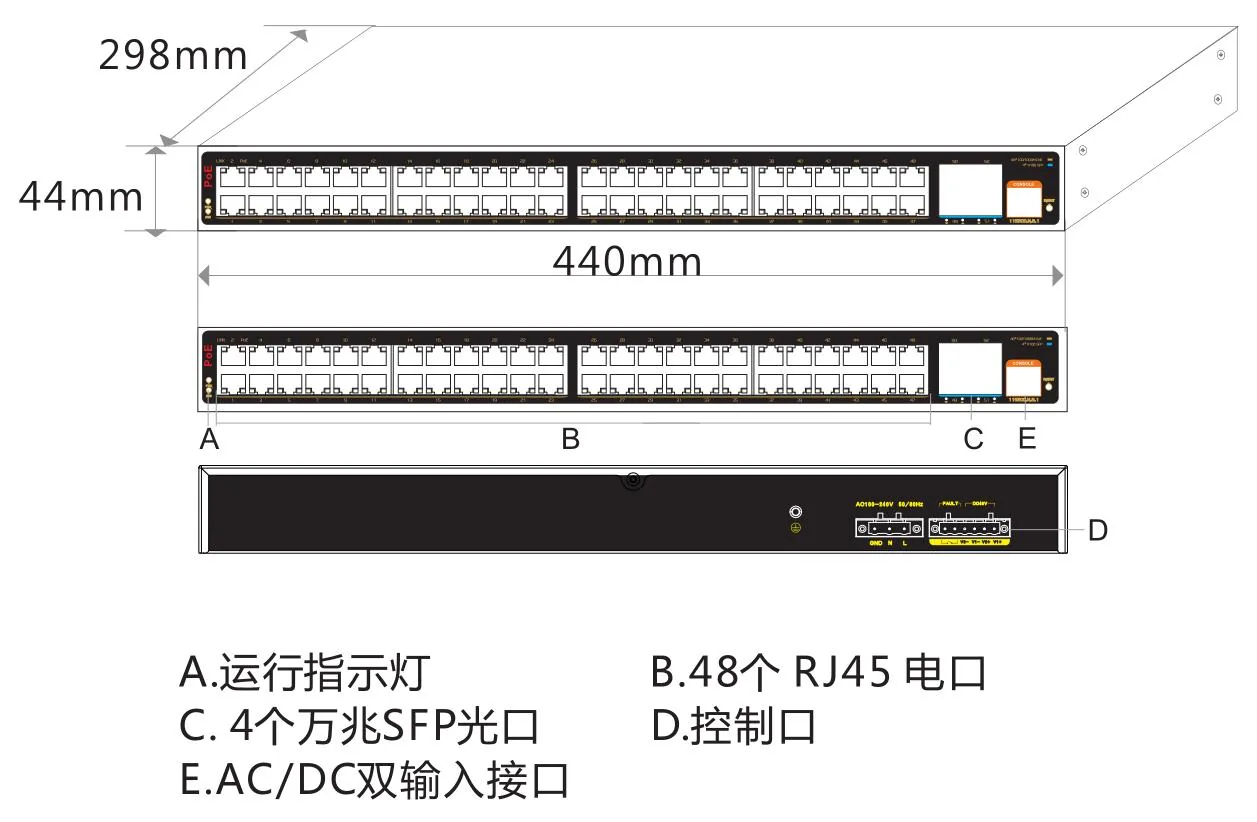
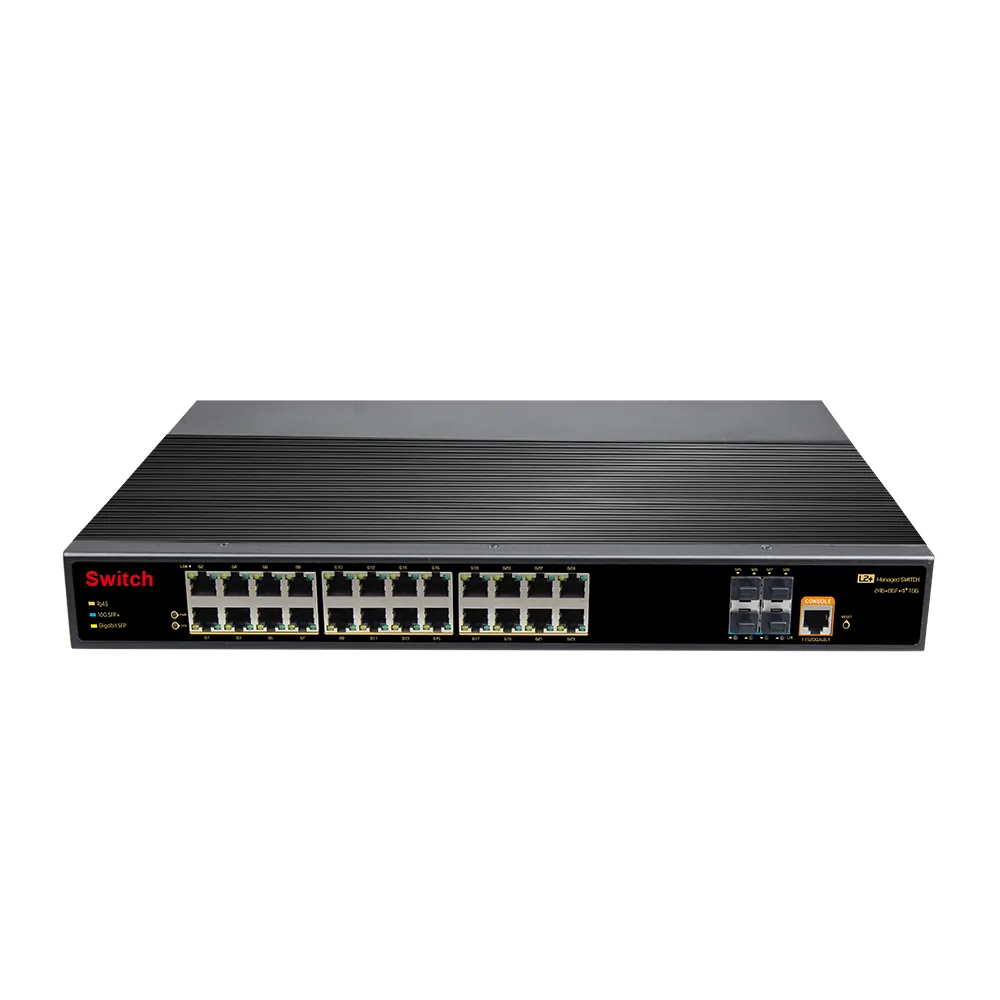
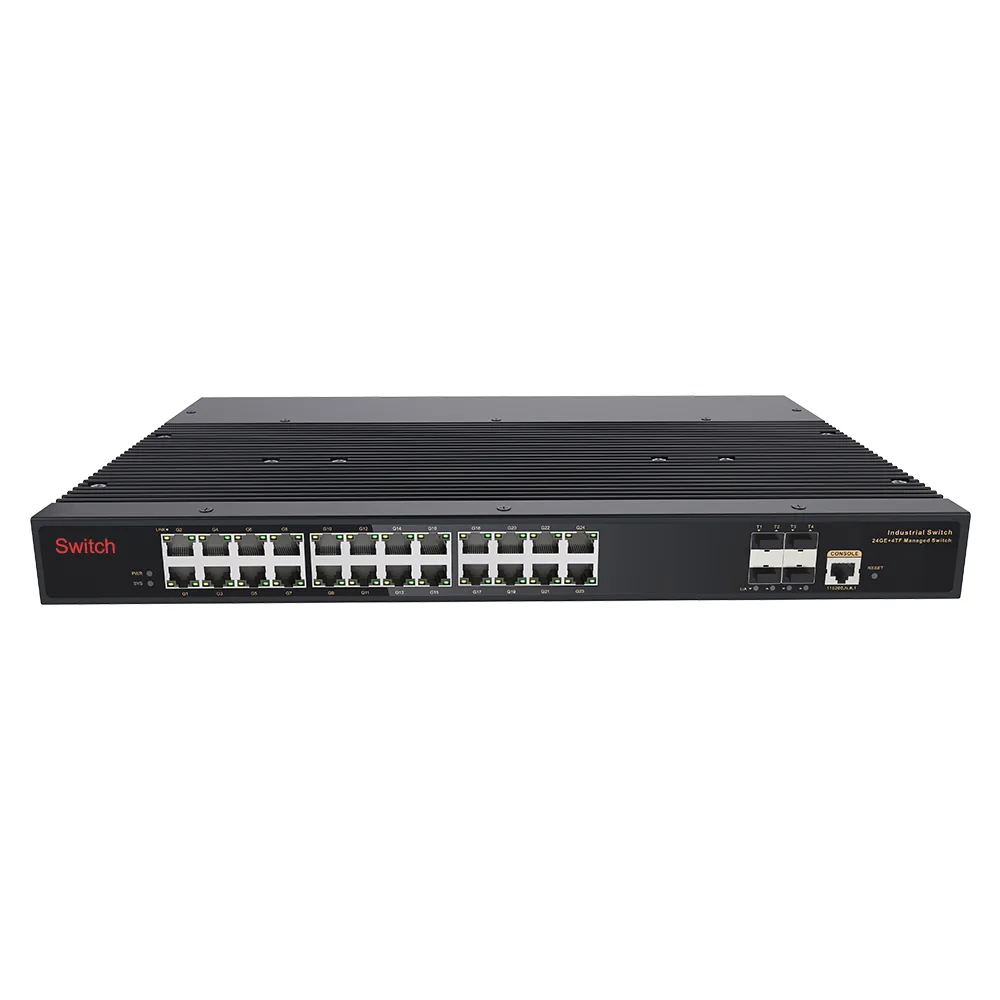
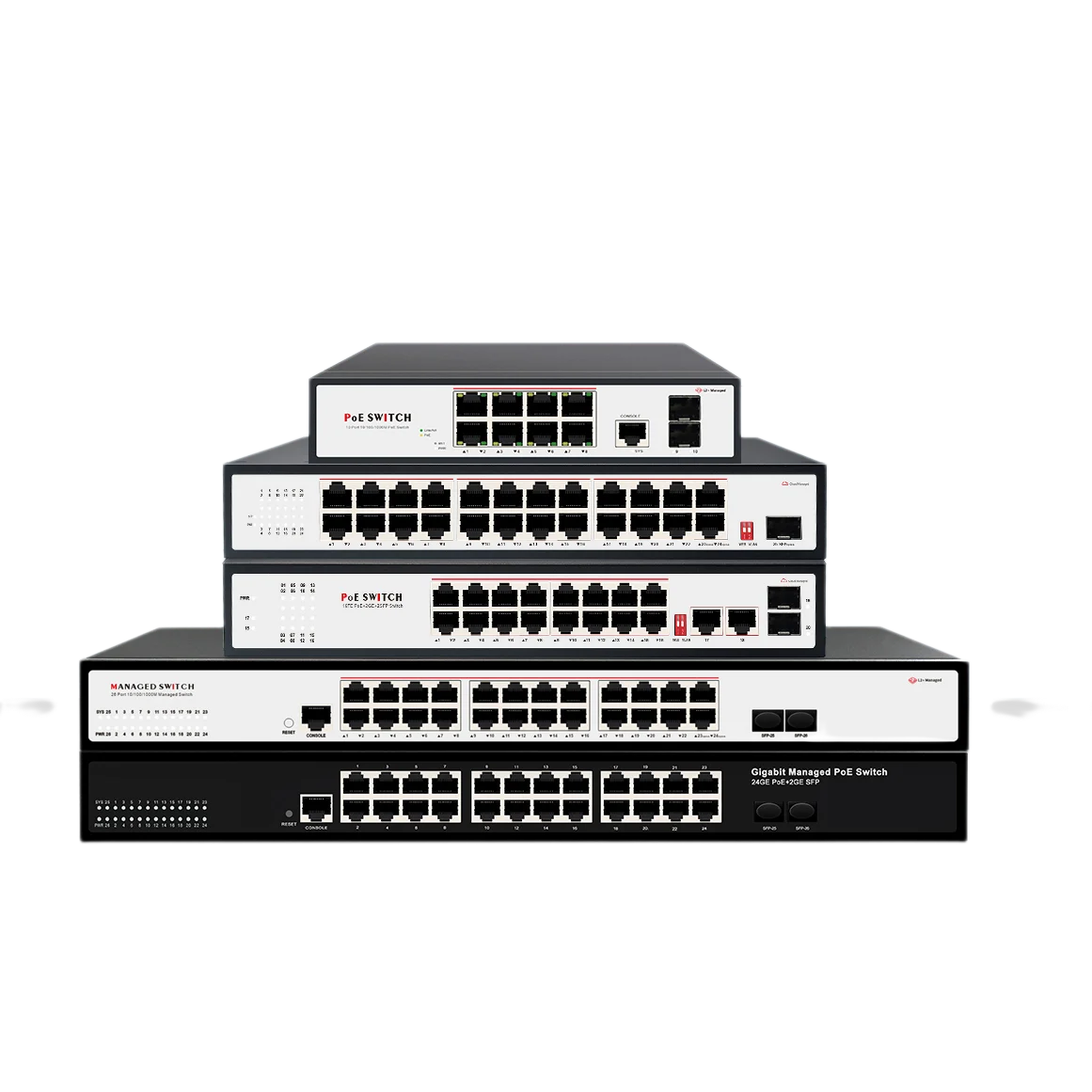
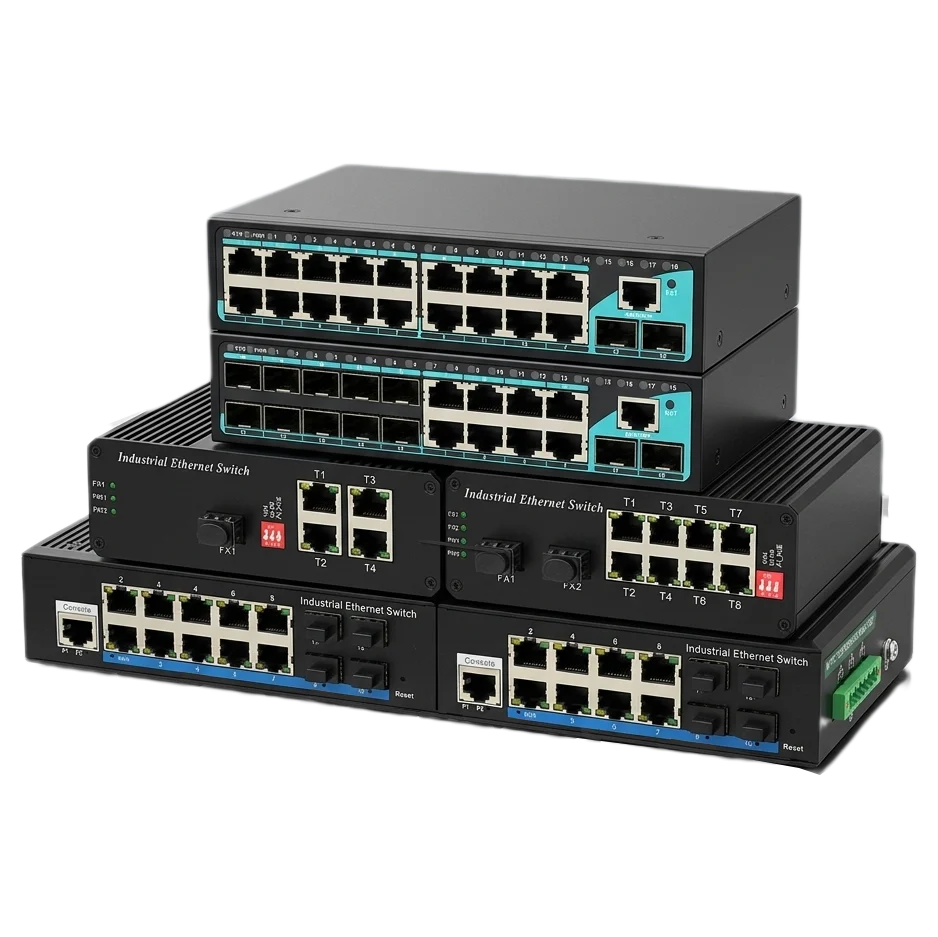
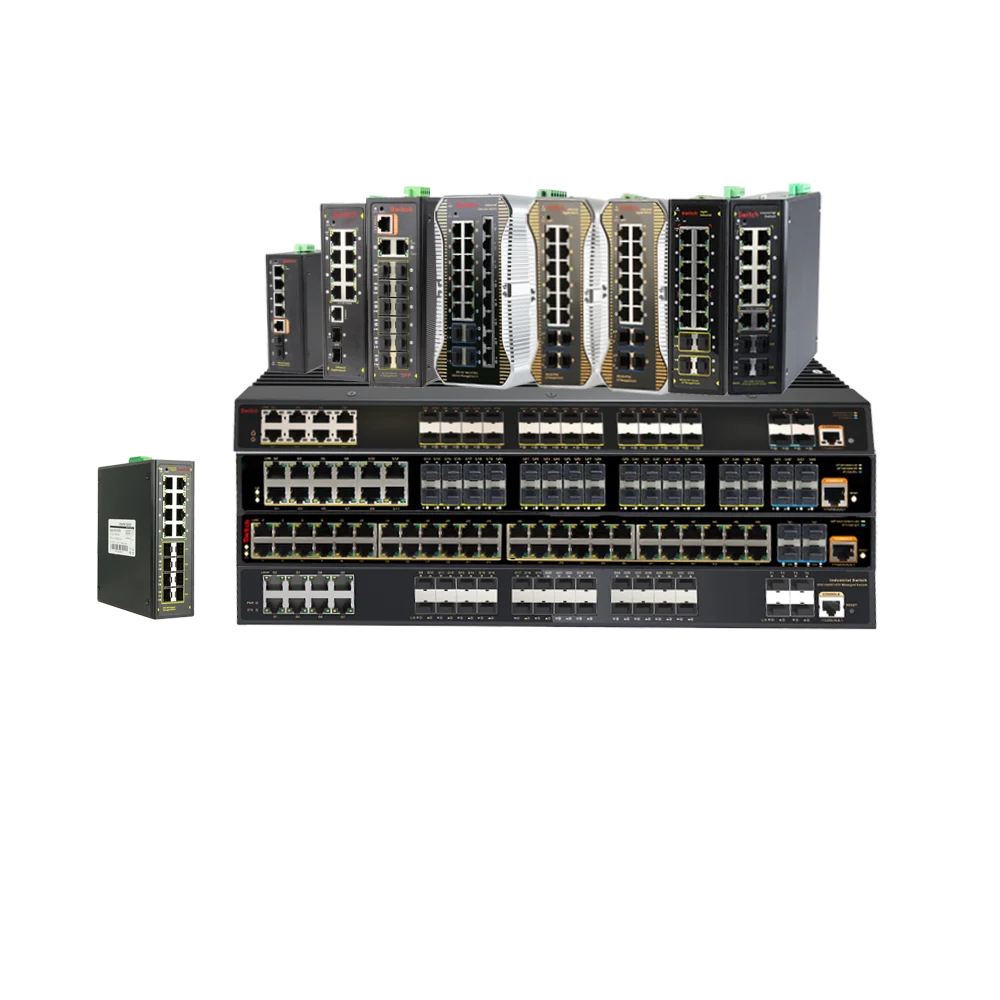
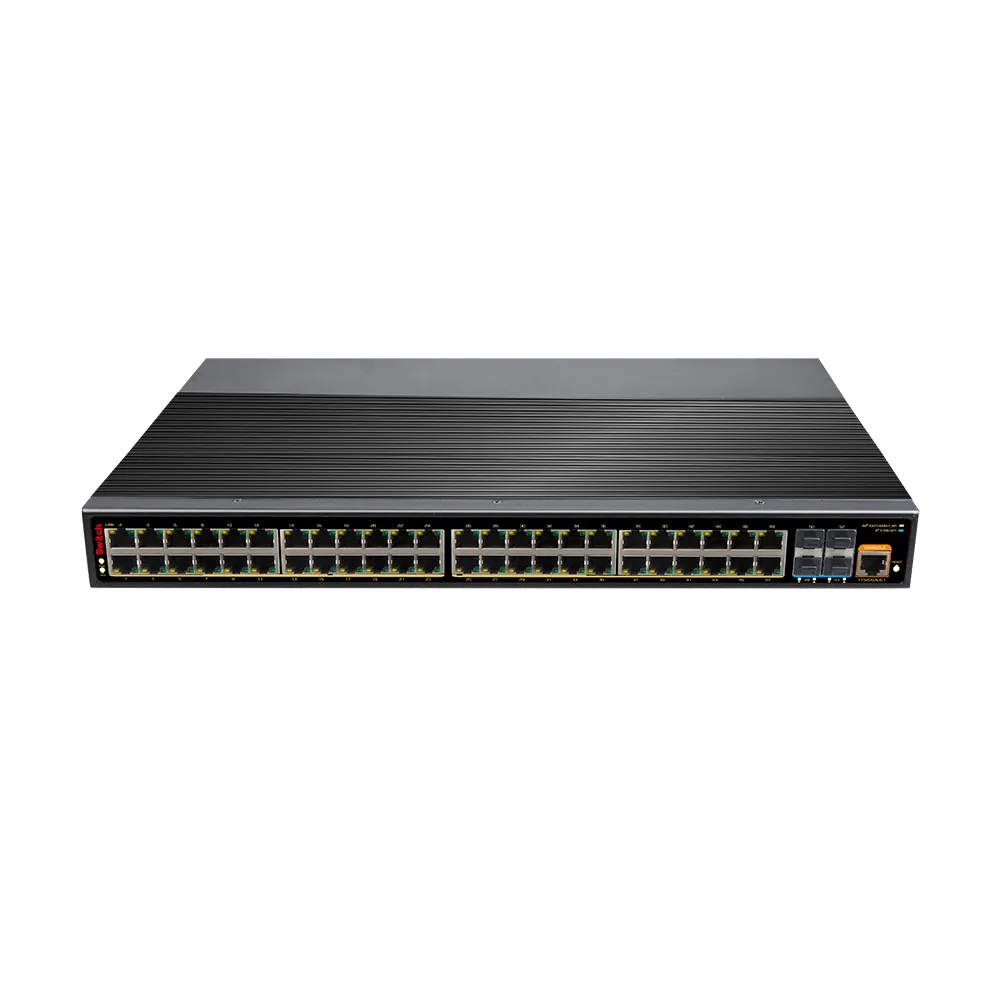
The IS830-48E4F-60W is built for network teams that need many Gigabit access ports without giving up 10G backbone capacity. It combines 48 auto-sensing 10/100/1000Base-T RJ45 ports with 4 dual-speed 1/10G SFP+ uplink slots. Every port supports non-blocking, wire-speed forwarding, so office endpoints, IP cameras, controllers, access points, and industrial terminals can share the same switch without creating an avoidable bottleneck.
When customers search for a 52-port L3 managed industrial ethernet switch with 4 SFP+ 10G uplink rack mount fan cooling, they are usually looking for high port density, fast uplinks, and dependable cabinet installation. This model takes a more practical approach: its galvanized steel enclosure uses a fanless design, which removes a moving part, reduces dust intake, and keeps acoustic noise low. It is suitable for control rooms, factory cabinets, transport sites, utility rooms, and small data center access layers where stable operation matters more than decorative features.
Layer 3 Control Without Adding a Separate Router
The switch provides IPv4 and IPv6 management, static routing, default routes, and ARP handling. This allows IT administrators to separate production devices, video surveillance, office users, voice terminals, and guest services into different VLANs while keeping local traffic forwarding inside the switch. IEEE 802.1Q VLAN, protocol-based VLAN, MAC-based VLAN, Voice VLAN, QinQ, and Access, Trunk, or Hybrid port modes give network engineers room to match the design to the site rather than forcing every deployment into one layout.
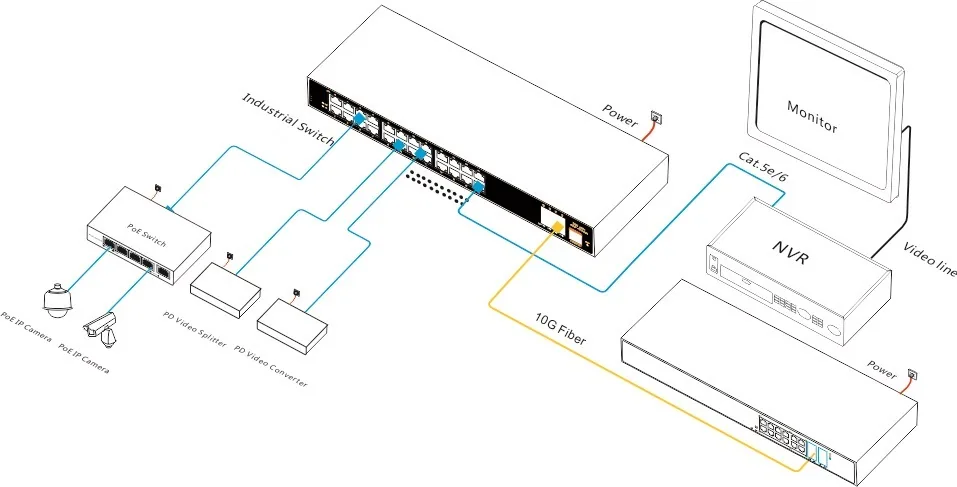
For a small or medium-sized network, this can simplify the cabinet. Instead of placing an access switch, an additional aggregation switch, and a separate routing device in every area, the 52-port L3 managed industrial Ethernet switch can handle dense endpoint access and basic inter-VLAN routing in one 1U unit. Static aggregation and LACP are also available for servers, storage systems, or uplinks that need more bandwidth and link redundancy.
Fast Recovery for Industrial and Transportation Links
Network interruptions are expensive when they stop cameras, PLC communications, dispatch systems, or monitoring software. STP, RSTP, and MSTP support standard Layer 2 protection, while ITU-T G.8032 ERPS provides ring recovery in less than 20 ms under the specified conditions. A ring can include up to 254 devices, with support for up to 250 rings. This makes the switch a useful fit for factory lines, rail transit communication cabinets, intelligent transportation networks, mining areas, substations, marine facilities, and renewable energy sites.
For multicast-heavy applications such as IP video or industrial data distribution, IGMP Snooping, MLD Snooping, multicast VLAN, fast leave, and up to 250 multicast groups help prevent unnecessary traffic from reaching every access port. QoS adds eight output queues per port, 802.1p and DSCP priority mapping, flow-based rate limiting, packet filtering, and SP, WRR, or SP+WRR scheduling. In practical terms, critical control or voice traffic can receive priority when a camera upload or file transfer fills the link.
Security and Maintenance for Real-World Operations
Security controls include IEEE 802.1X and MAC authentication, AAA and RADIUS, IP-MAC-VLAN-port binding, DHCP Snooping, ARP inspection, IP source protection, port isolation, MAC learning limits, storm control, and anti-DoS protection. ACL rules can filter traffic from Layer 2 through Layer 4 using MAC addresses, IP addresses, protocols, TCP/UDP ports, port ranges, VLANs, and other matching conditions. These tools help administrators limit unauthorized devices and reduce the impact of misconfigured or infected endpoints.
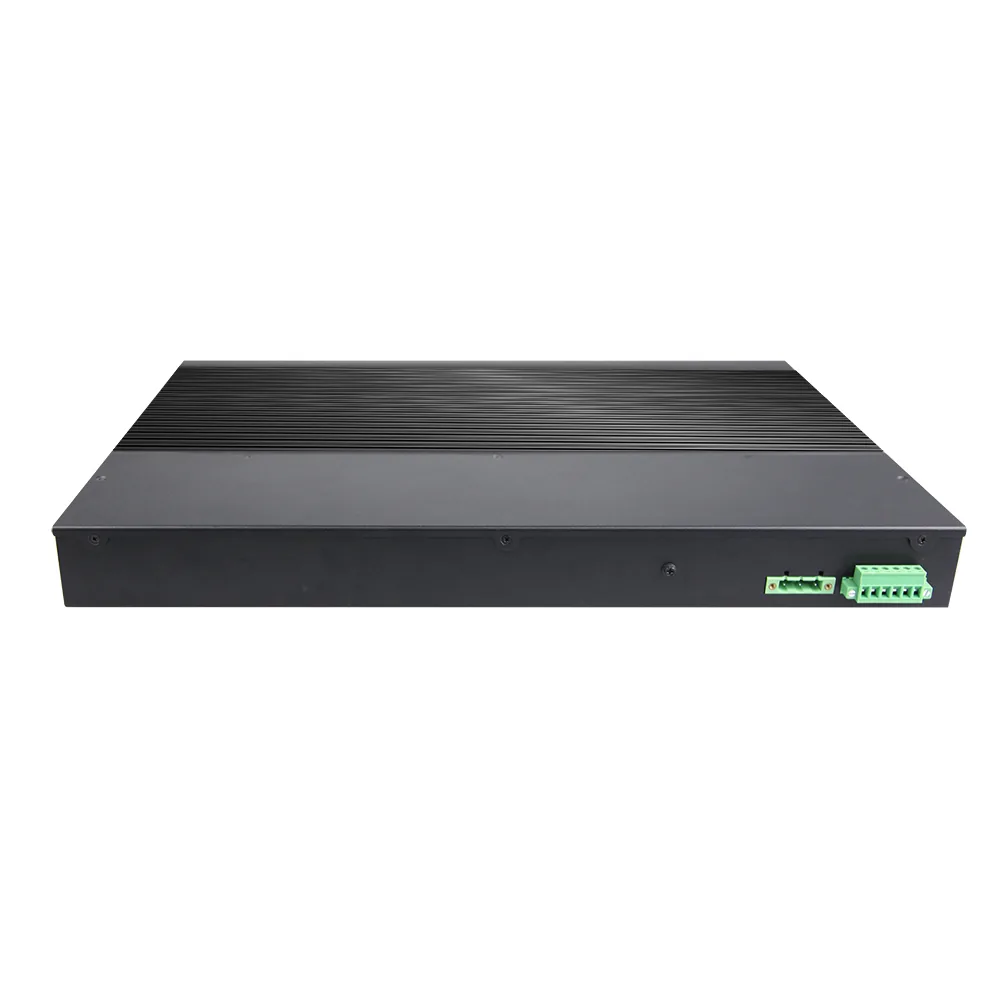
Web management, CLI through console, Telnet, or SSH 2.0, and SNMP v1/v2c/v3 support different maintenance habits. LLDP, RMON, system logs, NTP, port statistics, cable diagnosis, ping testing, CPU monitoring, memory monitoring, and one-key recovery make fault finding more straightforward. The dual DC input design supports 12–48 VDC sources with reverse-polarity protection, while the built-in 100–240 VAC supply has priority and can switch automatically to the DC connection if AC power is lost. With a 5-year warranty and lifetime maintenance, the switch is suited to organizations planning long service cycles rather than short-term deployment.