

The Challenge of Distributed Unmanned Cabinets in ISP and Enterprise Networks
Distributed unmanned cabinets—those roadside DSLAM huts, solar-powered tower sites, and basement telecom closets—are the backbone of last-mile connectivity. They sit in places where a technician visit costs more than the switch itself. The problem is that these cabinets are rarely climate-controlled. They bake in summer, freeze in winter, and deal with dust, bugs, and power fluctuations that would make a data center manager cringe.
When a switch locks up at 2 a.m., you don’t just lose a few packets. You lose a whole neighborhood’s internet. And if that switch needs a manual power cycle, you’re rolling a truck. For a WISP with 200+ remote sites, that’s a six-figure annual expense in fuel, labor, and SLA penalties. This is where industrial managed switches stop being a luxury and become an operational necessity.
Environmental Stress and Zero-Touch Requirements
An unmanned cabinet in Arizona can hit 65°C internally. In northern Alberta, it can drop to -40°C. Consumer or even entry-level commercial switches use electrolytic capacitors rated for 0–40°C. They bulge and fail within 18 months. Industrial switches use solid-state capacitors rated for -40 to 85°C. That’s not a marketing bullet—it’s the difference between a five-year lifecycle and a 12-month warranty claim.
Beyond temperature, there’s power. Remote sites often run on batteries with solar recharge. Voltage sags and surges are common. IEC 61000-4-5 surge immunity (at least 2 kV on power ports) becomes a hard requirement, not a checkbox. And because nobody is on-site to console in, the switch must support out-of-band remote management—think dual firmware images, scheduled reboots, and watchdog timers that automatically recover a hung port or CPU.
Why Consumer-Grade Switches Fail in Edge Deployments
We’ve seen integrators try to save $40 per node by using a small business switch. The result? Port flapping due to ESD on Ethernet lines (no IEC 61000-4-2 protection), DHCP snooping failures that open the network to rogue servers, and VLAN trunks that drop when a single port negotiates at half-duplex. In a distributed cabinet, a switch isn’t just forwarding frames. It’s the first line of defense for network segmentation, loop prevention, and power budgeting. Skimping on silicon and software is a false economy.
What Defines an Industrial Managed Switch for Unmanned Sites?
Not every switch with a metal case is industrial. The real differentiators are in the bill of materials, the firmware architecture, and the testing regimen behind it. Let’s break it down.
Hardware Hardening: Beyond IP40 Ratings
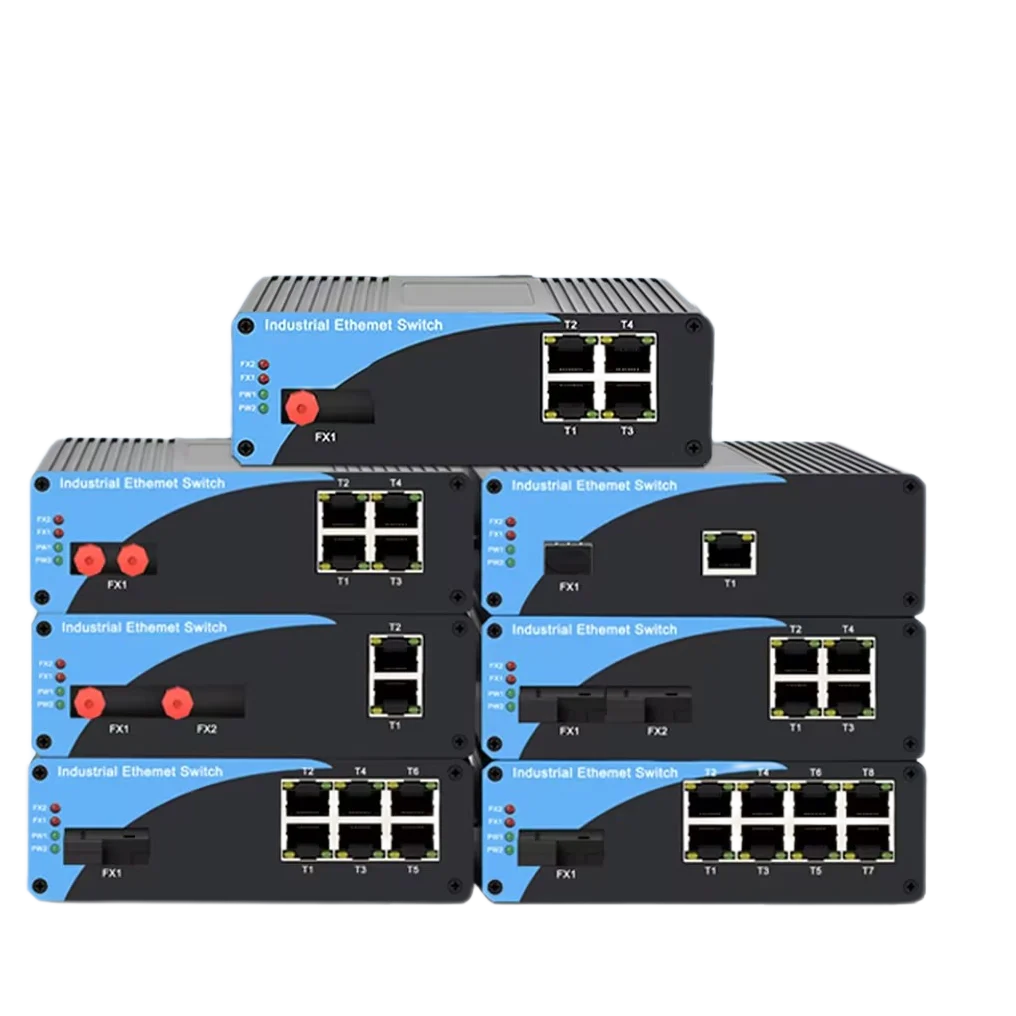
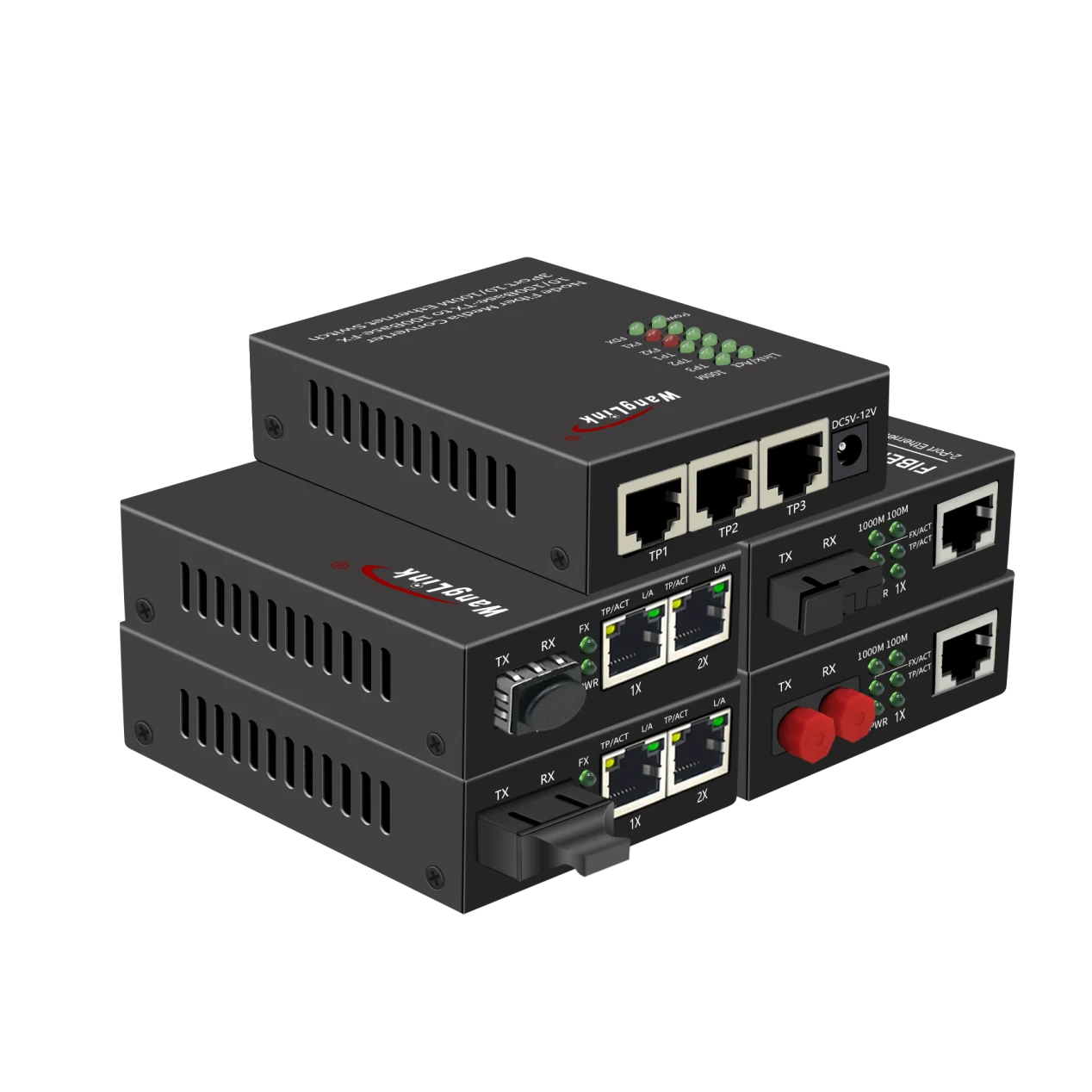
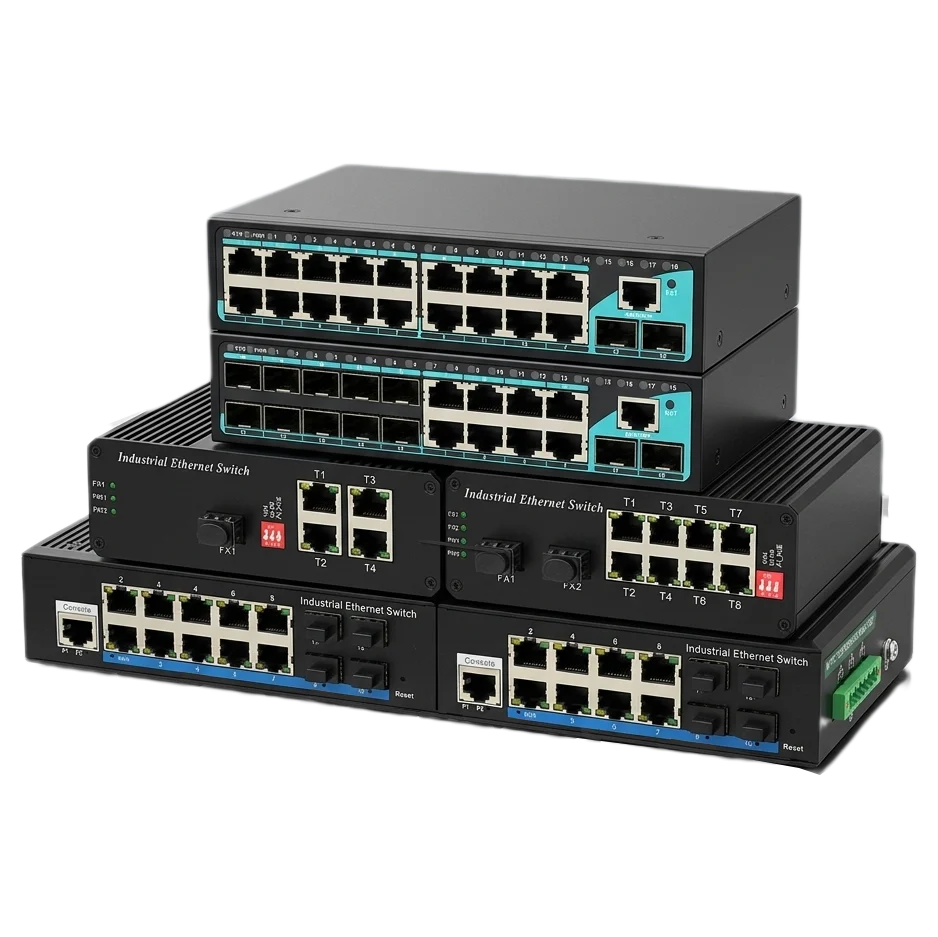
IP40 keeps out wires and tools—it’s the baseline for enclosed cabinets. But look for fanless designs with corrugated aluminum heatsinks. Fans suck in dust and die. A fanless switch rated for -40 to 75°C uses the case as a thermal interface, often with internal heat pipes. Wanglink’s ISW-8000 series, for example, uses a die-cast aluminum chassis with integrated cooling fins. No moving parts. No single point of mechanical failure.
Another often-overlooked detail: the Ethernet magnetics. Industrial-grade magnetics support 1.5 kV isolation per port, protecting the PHY from ground potential differences between cabinets. That’s a killer in outdoor sites where copper Ethernet runs between buildings sharing different earth grounds.
Software Intelligence: L2+ Features That Matter for Remote Management
Managed means more than a web GUI. At a minimum, you need:
- 802.1Q VLANs with private VLAN edge to isolate customer traffic in multi-tenant cabinets.
- Rapid Spanning Tree (802.1w) with BPDU guard and root guard—because a loop from a mis-patched cable at a remote site can bring down an entire ring.
- IGMP snooping and querier for IPTV or multicast video backhaul.
- SNMPv3 with informs, not just traps, for secure monitoring over public networks.
- Dual firmware banks with automatic rollback on boot failure. This is critical. If a remote firmware upgrade goes sideways, the switch must revert to the last known good image without manual intervention.
Wanglink’s managed firmware includes a built-in link layer discovery protocol (LLDP) and cable diagnostics (TDR) that let you check cable length and pair faults from the NOC. That alone can prevent 30% of unnecessary truck rolls, based on our customer support data (Wanglink NOC analytics, 2023).
Power over Ethernet in Remote Cabinets: IEEE 802.3bt and Surge Protection
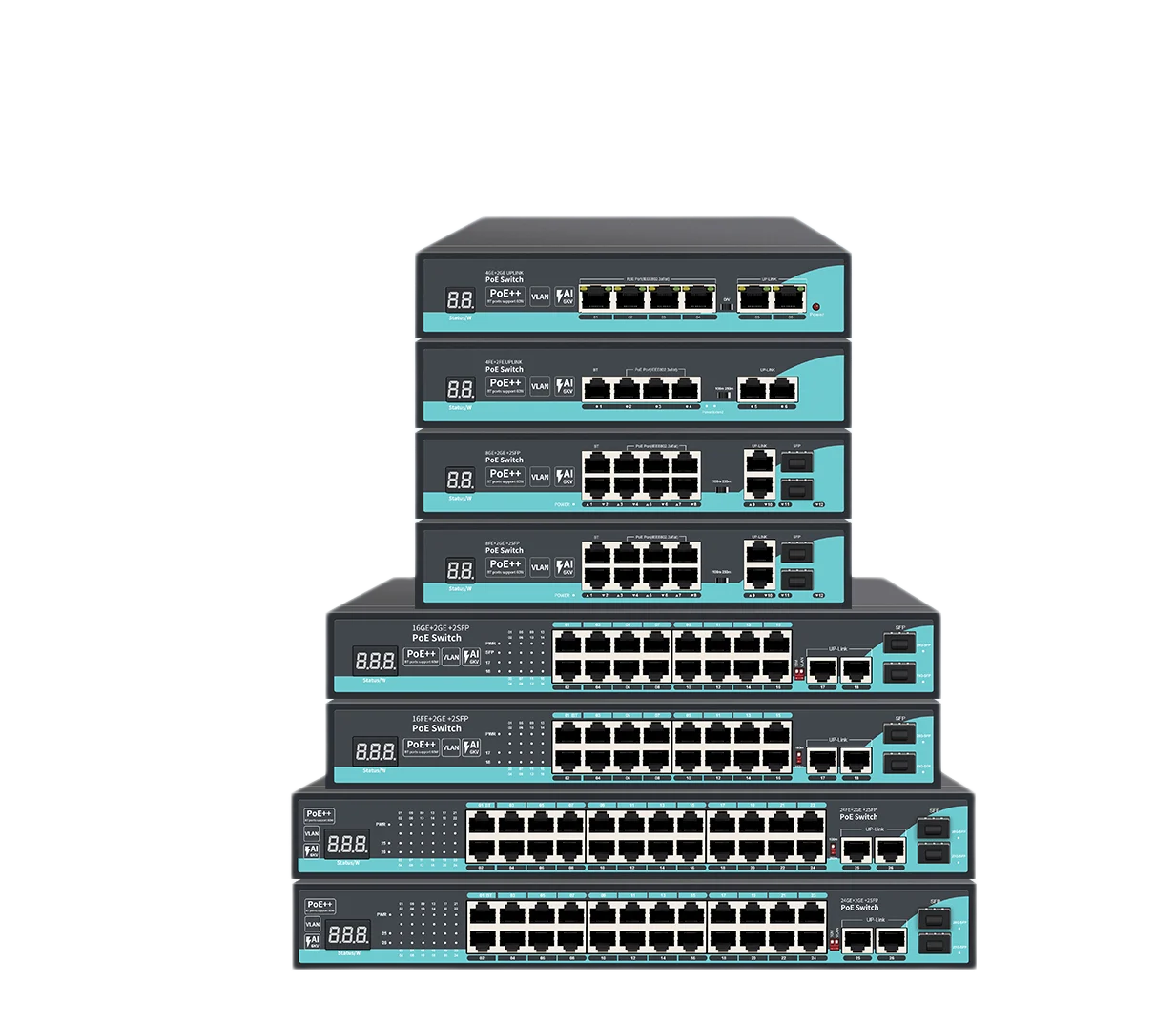
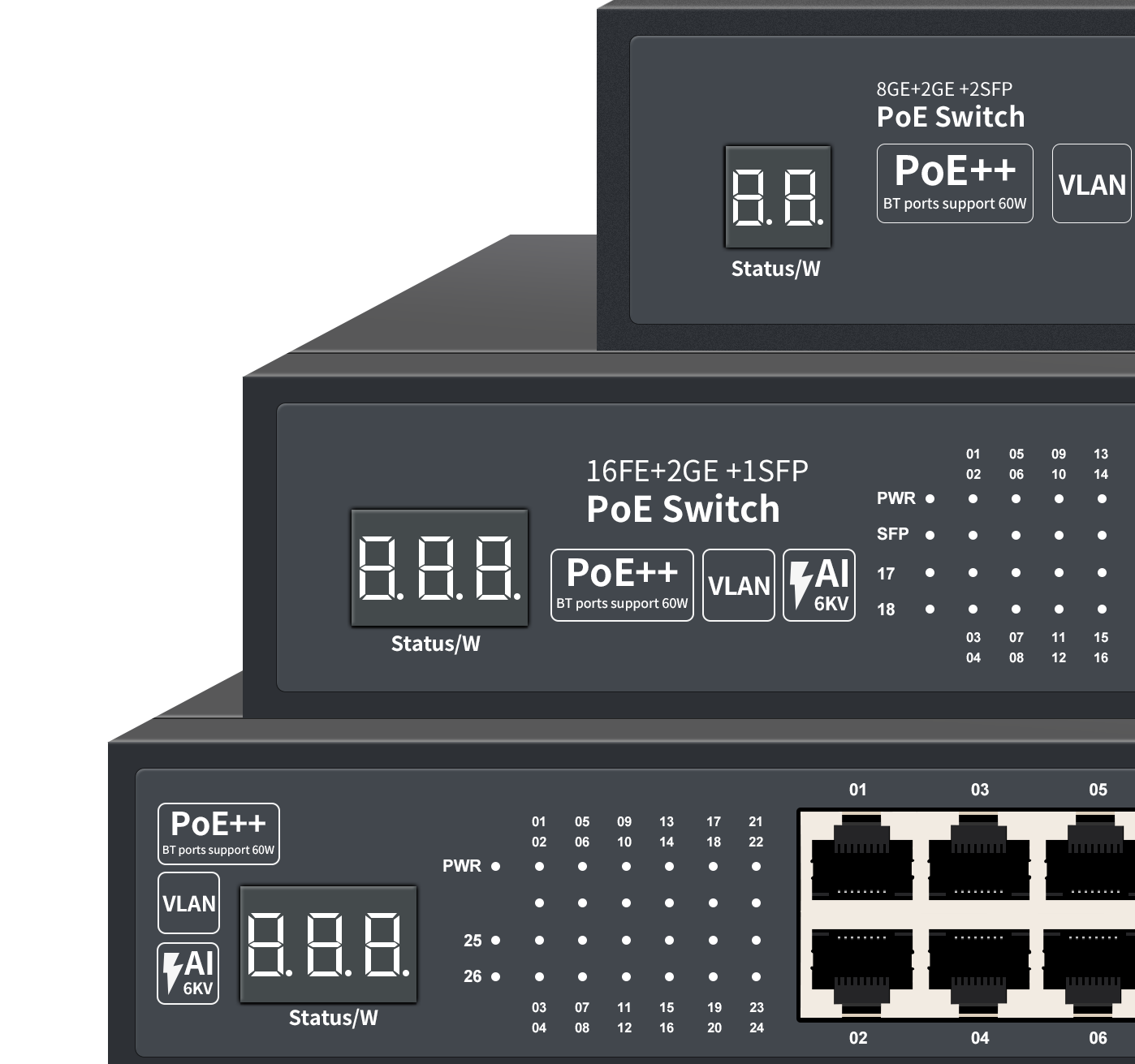
When a cabinet powers a PTZ camera, a point-to-point radio, and a small heater, you’re looking at 60–90 W per device. 802.3bt (Type 3 and 4) delivers up to 90 W at the PSE. But PoE in a remote cabinet must survive cable discharge events. Wanglink’s industrial PoE switches include per-port 6 kV surge protection (IEC 61000-4-5, combination wave) and automatic PD detection with power policing. If a PD draws more than its allocated class, the port shuts down and logs an event—no fuse replacement, no site visit.
Wanglink’s Engineering Approach: From PCB to Proven Reliability
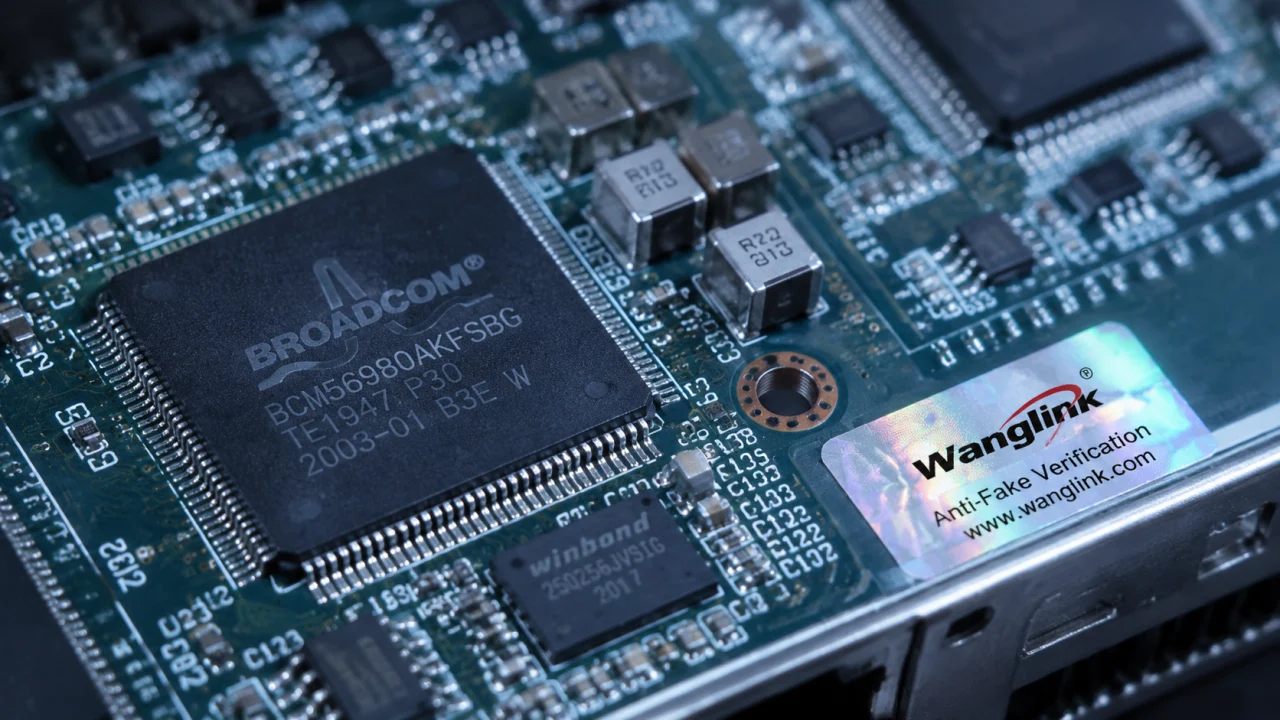
As a manufacturer with 13 years of in-house production, we don’t just assemble switches—we design the PCB, run SMT lines, and perform 48-hour burn-in on every single unit. This vertical integration matters when you’re deploying 500 switches across a state-wide WISP network.
In-House SMT and Burn-In Testing: How We Achieve MTBF > 100,000 Hours
Every Wanglink industrial switch board goes through automated optical inspection (AOI) and X-ray for BGA solder joints. Then we load them into a thermal chamber cycling between -40°C and +85°C with 90% humidity for 48 hours, running full line-rate traffic on all ports via Ixia testers. We track frame loss, CRC errors, and PoE stability. The data feeds into our manufacturing execution system. Over a sample of 5,000+ ports tested in 2023, we recorded a port failure rate of 0.12% during burn-in (Wanglink R&D Test Database, n=5,120 ports). Units that pass show an MTBF exceeding 100,000 hours at 25°C ambient, calculated per Telcordia SR-332.
Supply Chain Transparency: OTIF 98.5% vs. Industry 92%
In the component shortage era, delivery promises are worthless without data. We track OTIF (On Time In Full) monthly. The industry benchmark for network equipment suppliers in North America and Europe was 92% in 2023 (Gartner Supply Chain Executive Report, 2023). Wanglink’s rolling 12-month OTIF as of Q2 2024 is 98.5%, based on 2,340 B2B orders shipped from our Shenzhen facility (Wanglink ERP Production Data, Jan 2023–Jun 2024). The table below shows how we compare on key supply chain and quality metrics.
| Metric | Industry Benchmark | Wanglink Measured Data | Data Source / Sample Size |
|---|---|---|---|
| OTIF (On Time In Full) | 92% | 98.5% | Gartner 2023; Wanglink ERP, n=2,340 orders |
| DOA (Dead on Arrival) Rate | 1.5–2.0% | 0.4% | Industry avg from Tolly Group surveys; Wanglink QA RMA database, n=12,800 units shipped 2023 |
| Burn-In Port Failure Rate | N/A (not publicly disclosed) | 0.12% | Wanglink R&D Test Database, n=5,120 ports |
| MTBF at 25°C | ~80,000 hours (typical industrial) | >100,000 hours | Telcordia SR-332 calculation based on Wanglink component derating data |
| PoE Surge Protection | 2 kV (common mode) | 6 kV (per port, combination wave) | IEC 61000-4-5 test reports, SGS-certified |
Data sources: Gartner “Supply Chain Executive Report 2023” for OTIF benchmark; Tolly Group surveys for DOA industry range; Wanglink internal production and test databases as noted. All Wanglink data covers the period Jan 2023–Jun 2024 unless otherwise stated.
Case Study: Midwest WISP Deploys 120+ Wanglink Industrial Switches in Rural Cabinets
This is not a hypothetical. In early 2023, a regional WISP covering parts of Iowa and Nebraska approached us with a familiar pain point.
The Problem: Frequent Truck Rolls and Switch Lock-Ups
The WISP had 87 remote cabinets, a mix of old DSLAM huts and new fiber aggregation points. They were using unmanaged switches from a consumer brand and a few first-generation managed switches from a major vendor. The issues: switches freezing during summer heatwaves (internal cabinet temps hit 58°C), PoE cameras dropping out after lightning storms, and no remote visibility—every trouble ticket meant a 90-minute drive. Their mean time to repair (MTTR) was 4.2 hours, and they averaged 14 unplanned site visits per month (Client Project Initiation Document, 2023).
The Solution: Wanglink ISW-8000 Series with Free Cloud Management
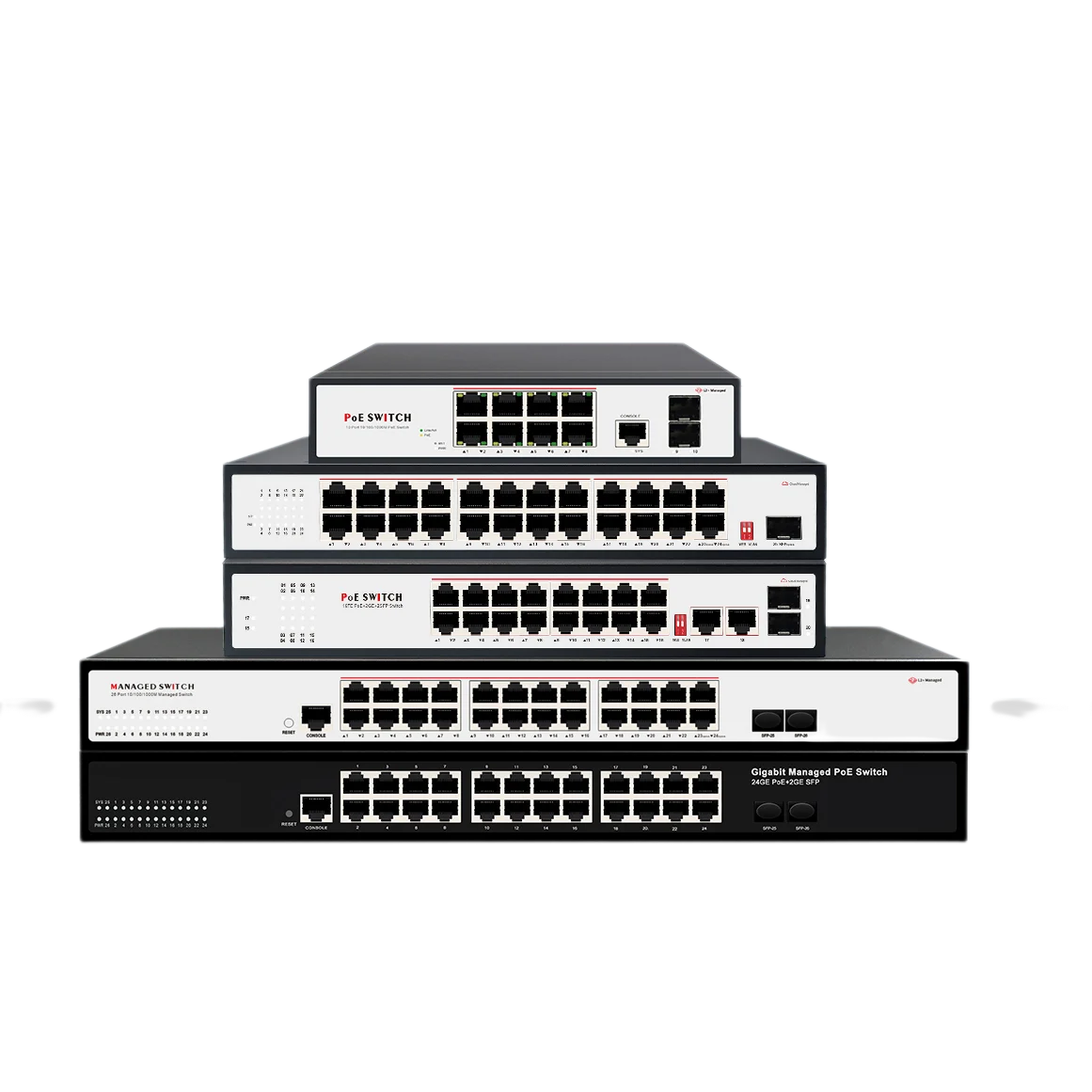
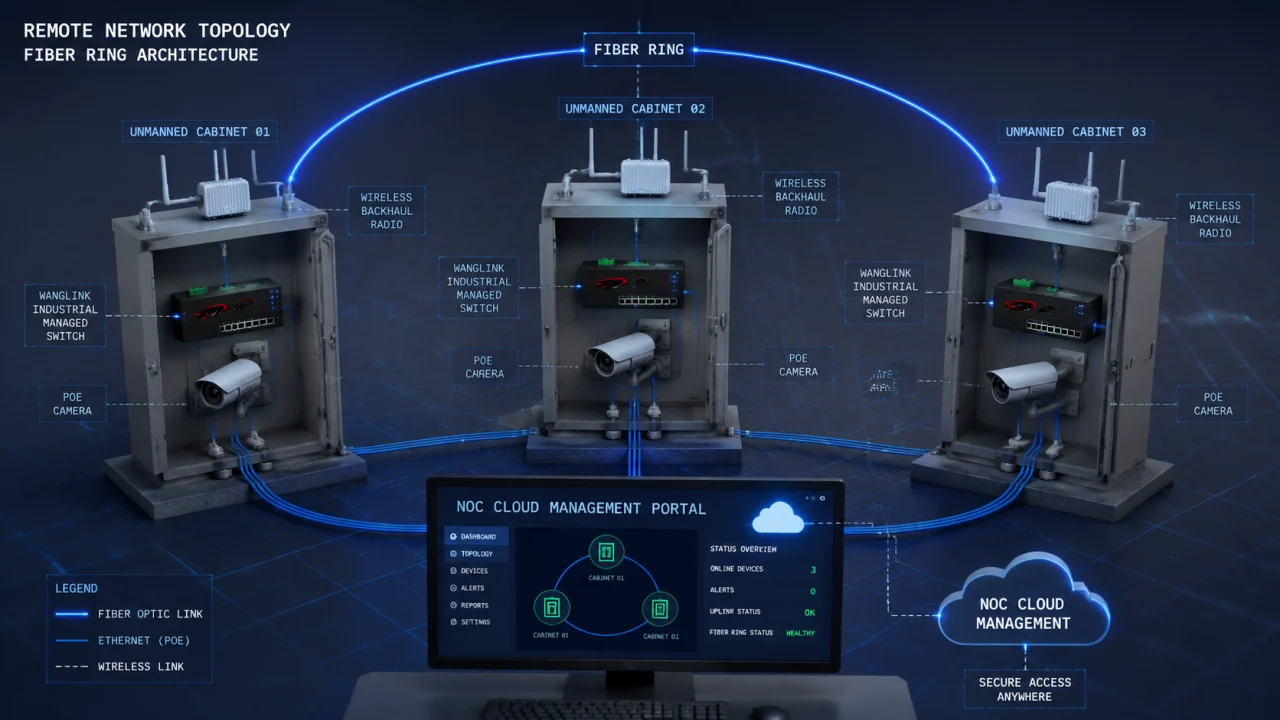
We proposed a phased replacement with 120 ISW-8000-8GT-4SFP industrial managed switches, each providing 8 Gigabit PoE+ ports (802.3at, 30 W per port) and 4 SFP uplinks for fiber ring topology. The switches were pre-configured with VLAN segmentation, DHCP snooping, and a watchdog timer that reboots a port if no traffic passes for 5 minutes. All units were onboarded to Wanglink’s cloud management platform—no license fees, no per-device subscription.
The cloud platform gives the WISP a single pane of glass: real-time topology view, port-level traffic graphs, PoE power consumption, and automatic firmware updates scheduled for 3 a.m. If a switch loses connectivity, the cloud sends an SNMP inform to their NOC dashboard and auto-generates a trouble ticket.
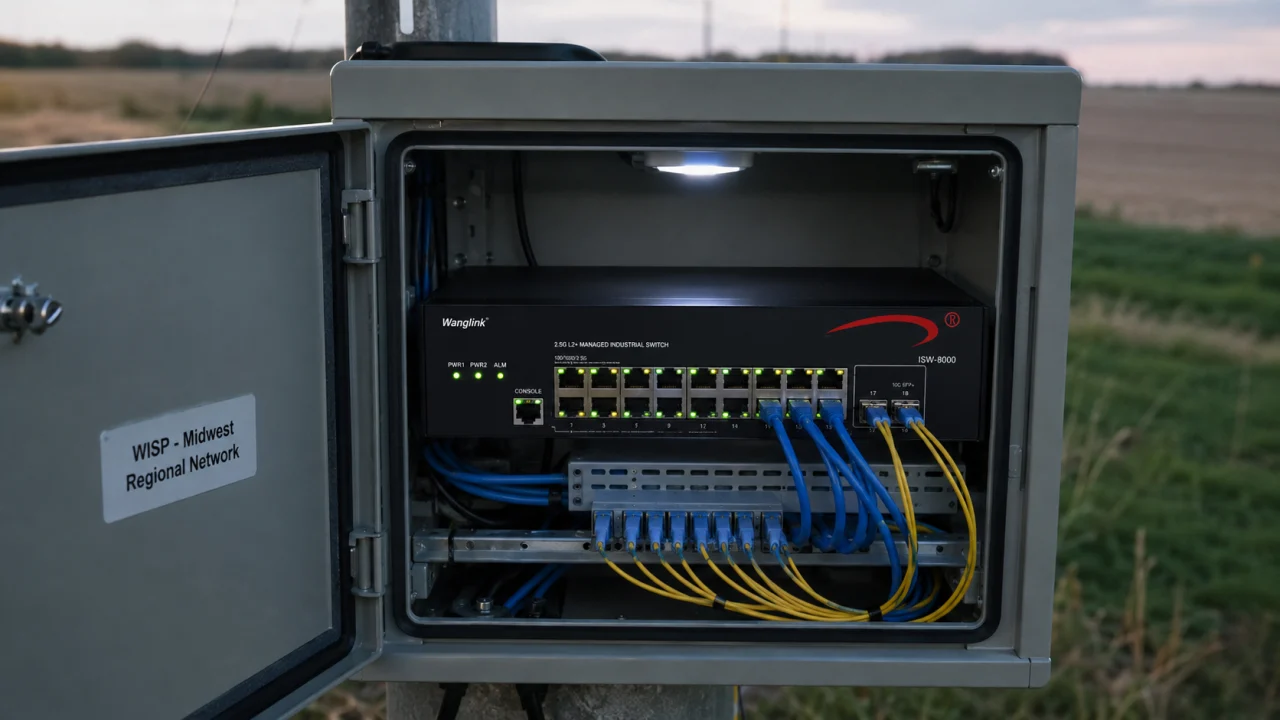
Results: 67% Fewer Site Visits and Zero Switch-Related Outages in 12 Months
Twelve months post-deployment, the WISP reported:
- Unplanned site visits dropped from 14/month to 4.6/month (a 67% reduction).
- MTTR fell from 4.2 hours to 1.1 hours, because 80% of issues were resolved remotely via cloud diagnostics.
- Zero switch hardware failures or RMA returns across all 120 units.
- PoE camera uptime improved to 99.97%, attributed to the per-port 6 kV surge protection surviving three major lightning events.
Data source: Client project close-out report 2024Q2, verified by Wanglink production execution data and cloud platform uptime logs. The WISP’s operations manager noted: “We haven’t touched a switch console in six months. That alone paid for the upgrade.”
TCO Breakdown: Why “Free” Cloud Management Matters
Cloud management isn’t new. But the pricing model is often a trap. A well-known competitor charges $150/year per device for cloud access with advanced telemetry. For 120 switches, that’s $18,000 annually—forever. Over a 5-year lifecycle, you’ve spent $90,000 on software licenses for hardware that cost $36,000. That math doesn’t work for a WISP operating on thin margins.
The Hidden Cost of Licensing in Competing Brands
Some vendors bundle the first year “free,” then auto-renew at a rate you didn’t budget for. Others lock firmware updates behind an active support contract. If your subscription lapses, you’re stuck with buggy firmware and no security patches. In a distributed network, that’s a compliance nightmare.
Wanglink’s Lifetime Free Cloud Platform: What It Includes
Wanglink’s cloud is free for the life of the hardware. No per-device fees, no tiered feature unlocks. It includes:
- Zero-touch provisioning via DHCP option 43 or cloud key.
- Real-time monitoring with 1-second granularity port stats.
- Remote configuration backup and restore.
- Firmware management with scheduled upgrades and rollback.
- Multi-tenant role-based access—ideal for MSPs managing multiple customer networks.
We can offer this because we own the entire stack—from PCB to cloud backend. There’s no third-party licensing burden baked into the BOM.
FAQ for System Integrators and WISPs
Q: What’s the minimum order quantity (MOQ) for industrial managed switches?
A: For standard models, MOQ is 50 units. For OEM/ODM projects with custom branding or firmware, MOQ typically starts at 500 units, but we can negotiate based on project scope. We also keep buffer stock for fast samples.
Q: How do you handle compatibility with third-party SFP modules?
A: Our switches use an open SFP policy. We don’t lock optics by vendor ID. We test with major brands (Finisar, FS.com, Cisco compatible) during production. If you have a specific module, we can run a compatibility test in our lab and provide an eye diagram report before shipment.
Q: What’s the RMA process for a failed switch in the field?
A: We offer cross-ship advance replacement for critical deployments. You open a ticket via our cloud portal or email. We ship a replacement within 24 hours (stock permitting) with a prepaid return label for the defective unit. Our typical RMA turnaround from ticket to replacement dispatch is 1.2 business days (Wanglink Support Database, 2023 avg).
Q: Can the cloud platform integrate with our existing NMS like Zabbix or PRTG?
A: Yes. All switches support SNMPv2c/v3 and can export metrics to any standard NMS. The cloud platform also offers a REST API for custom integrations. We provide MIB files and sample scripts during onboarding.
Q: Are these switches suitable for solar-powered sites with limited power budget?
A: Absolutely. Our ISW-8000 series consumes under 12 W without PoE load. With PoE, you can set per-port power limits and priority (low/medium/high/critical) so that if the battery voltage drops, non-critical ports shut down first. We’ve deployed them in off-grid solar sites across Africa and South America.
Conclusion: Building a Network That Doesn’t Need a Technician on Speed Dial
Distributed unmanned cabinets demand a switch that’s more than a packet pusher. It needs to be a remote hands device—capable of self-recovery, environmental resilience, and zero-touch management. Wanglink’s approach combines in-house manufacturing rigor (MTBF >100k hours, 0.12% burn-in failure rate) with a cloud platform that doesn’t nickel-and-dime you. The result is a network where site visits drop by two-thirds and switch-related outages become a rounding error. When you’re evaluating suppliers, ask for burn-in data, surge test reports, and a demo of the cloud interface. If they can’t provide those, you know where they’re cutting corners.