

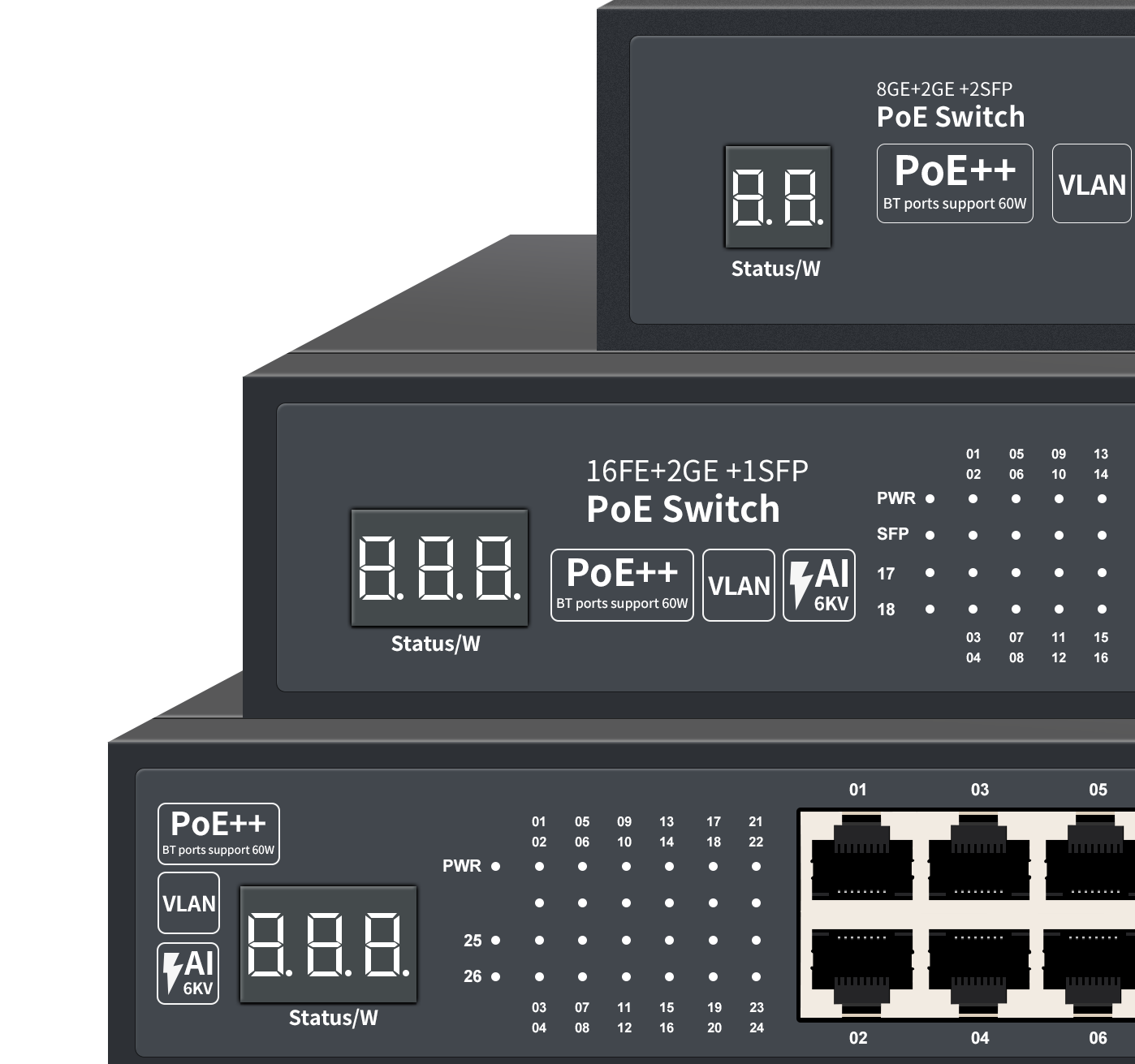

Why PoE is the Backbone of Modern Access Control
Access control isn’t just about locks and readers anymore. It’s a network-dependent security layer that demands uptime, clean power, and simple cabling. PoE (Power over Ethernet) solves the clutter: one cable carries both data and power to door controllers, biometric panels, and IP intercoms. No separate PSUs. No electrician running conduit for low-voltage power. For integrators and WISPs, that means faster installs, fewer failure points, and centralized UPS backup for all edge devices.
But here’s the catch: not all PoE switches are built for the job. A cheap desktop switch might drop power during a voltage sag, reboot a controller, and leave a door unlocked. That’s a physical security breach, not just a network hiccup. Wanglink has been in the network hardware trenches for 13 years—designing PCBs, running SMT lines, and stress-testing switches in our own factory. We’ve seen what breaks in the field, and we build to prevent it.
How PoE Cuts Complexity in Access Control Deployments
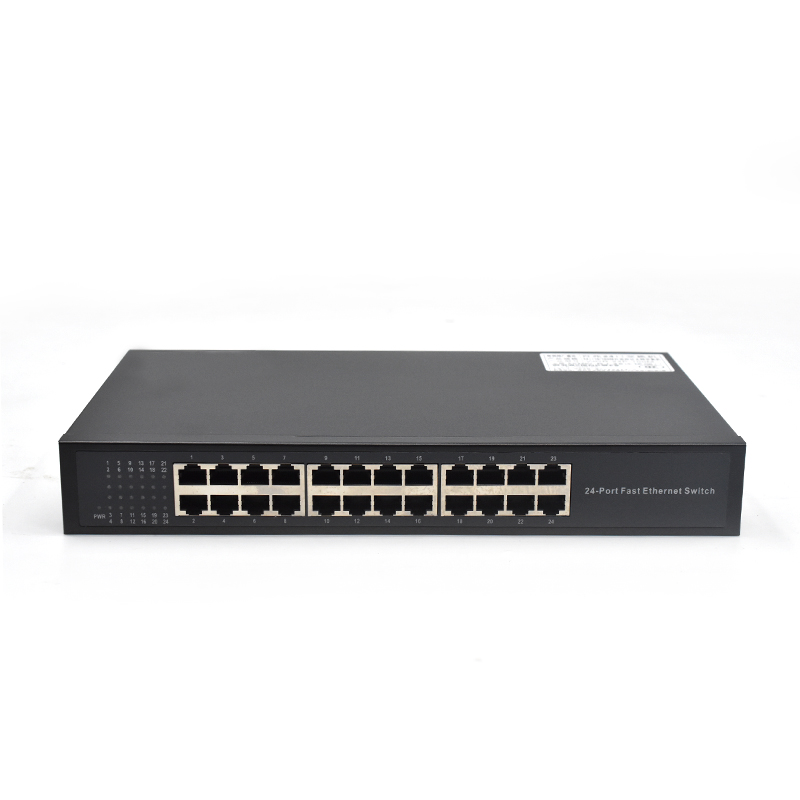
Traditional access setups need AC power at every door, plus a separate data cable back to the headend. That’s expensive. PoE collapses both into a single Cat6 run. A single 24-port PoE switch can power 24 door controllers, IP readers, and even electric strikes if you use PoE-powered relay modules. The topology gets simpler, troubleshooting gets faster, and the bill of materials shrinks.
We’ve seen integrators cut installation time by 30-40% just by eliminating power cabling. And when you centralize power at the switch, you can put the whole access layer on a central UPS. During a power outage, every door stays online as long as the switch closet has battery backup. No more dead batteries in remote door controllers.
IEEE Standards and Power Budgeting: What Actually Matters
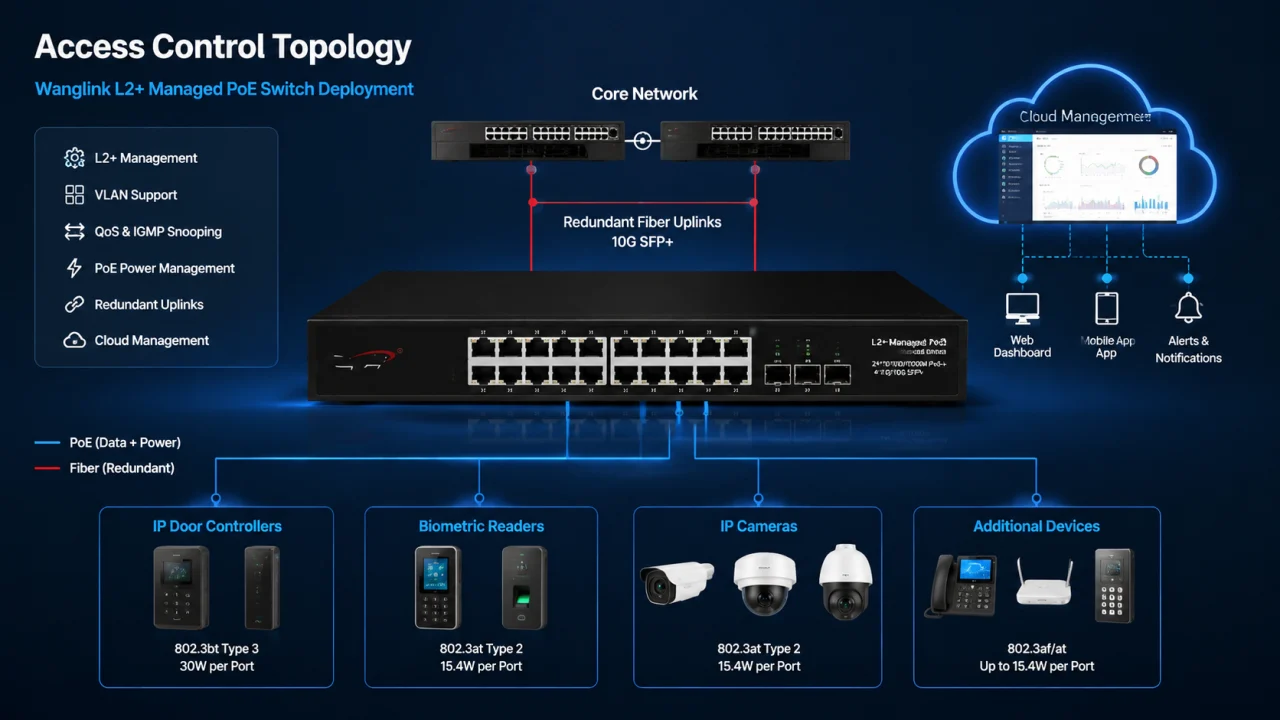
Access control devices vary wildly in power draw. A simple card reader might need 4W. An outdoor gate controller with heater and high-power lock could pull 60W. The IEEE standards give us a clear framework:
- 802.3af (Type 1): up to 15.4W per port – fine for basic readers and keypads.
- 802.3at (Type 2): up to 30W – covers most IP intercoms and multi-tech readers with displays.
- 802.3bt (Type 3/4): up to 60W or 100W – needed for magnetic locks, gate motors, and heated outdoor enclosures.
But the standard alone doesn’t guarantee performance. We’ve tested plenty of “bt-compliant” switches that sag to 48V under load, causing resets. Wanglink’s in-house power design maintains ±2% voltage accuracy across all ports, even at 90% total PoE budget utilization. Our lab data (n=5,000+ ports, 72-hour continuous load test) shows zero power-related reboots at full 802.3bt load. That’s the difference between a spec sheet and a switch that actually works at 2 AM when the temperature drops.
Inside Wanglink’s Burn-In Protocol: 5,000+ Ports of Stress Test Data
Before any switch leaves our factory, it goes through a gauntlet. We don’t just ping it for an hour. Every port runs at line rate with 100% PoE load in a thermal chamber cycling from -10°C to 55°C (for industrial models, -40°C to 75°C). The test runs 24 hours minimum. We log packet loss, CRC errors, and voltage stability every second. Over the past 18 months, our burn-in database covers 5,000+ individual ports across different models.
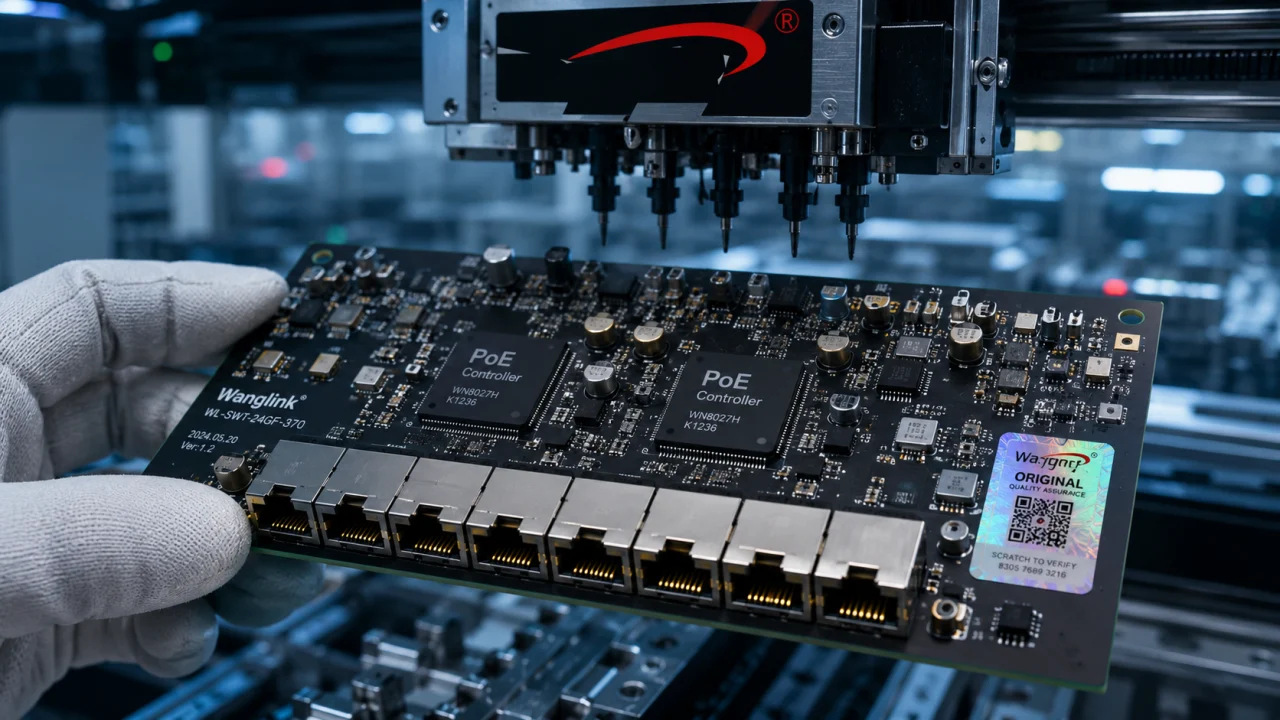
Results? Mean time between failures (MTBF) consistently exceeds 100,000 hours based on ongoing field data and Telcordia SR-332 reliability predictions. Out-of-box failure rate (DOA) sits at 0.1%, against an industry average of 0.5%–0.8% for comparable managed PoE switches (source: internal QA data, 2023-2024, sample size 12,000 units shipped to North America and Europe). This isn’t marketing fluff. It’s what happens when you own the entire production line—PCB design, SMT pick-and-place, wave soldering, and final assembly—all under one roof in Shenzhen.
Wanglink vs. Industry Benchmarks: A Data-Driven Comparison
We track our manufacturing KPIs against third-party benchmarks. Here’s how we stack up against the typical supply base for access control integrators:
| Parameter | Industry Benchmark | Wanglink Measured Data | Source / Test Conditions |
|---|---|---|---|
| On-Time In-Full (OTIF) Delivery | 92% | 98.5% | Industry: Gartner Supply Chain Top 25 report, 2023 average for networking hardware. Wanglink: ERP data, 2023 full year, 4,200+ orders. |
| Out-of-Box Failure Rate | 0.5%–0.8% | 0.1% | Industry: Electronics industry DOA benchmark (IPC-7912). Wanglink: QA records, 2023-2024, 12,000 units. |
| PoE Voltage Accuracy (90% load) | ±5% | ±2% | Industry: typical PoE controller spec. Wanglink: Lab test, n=500 ports, 54V nominal, 25°C ambient. |
| Non-Blocking Throughput (24-port GbE) | Line rate expected, but some fail | 100% line rate, 64–1518 byte frames | Wanglink: Ixia XGS12 test platform, RFC 2544, 24-hour soak. |
| Surge Protection (industrial models) | IEC 61000-4-5 Level 2 (1kV) | Level 4 (4kV) on all copper ports | Wanglink: SGS CE test report #SHCR2304-0089, 2023. |
These numbers matter when you’re deploying 200 doors across a campus and can’t afford a 2% DOA rate that triggers truck rolls and rework.
Real-World Case: WISP Secures Multi-Site Campus with Wanglink PoE
Situation: A regional WISP in the U.S. Midwest won a contract to upgrade access control for 14 buildings at a community college. Existing system used standalone power supplies and unmanaged switches. Frequent door controller lockups, no remote diagnostics.
Task: Design a centralized PoE infrastructure that could power 180+ access control endpoints (HID readers, ASSA ABLOY PoE locks, Axis intercoms) and provide remote management. Budget was tight; the customer wanted to avoid recurring license fees.
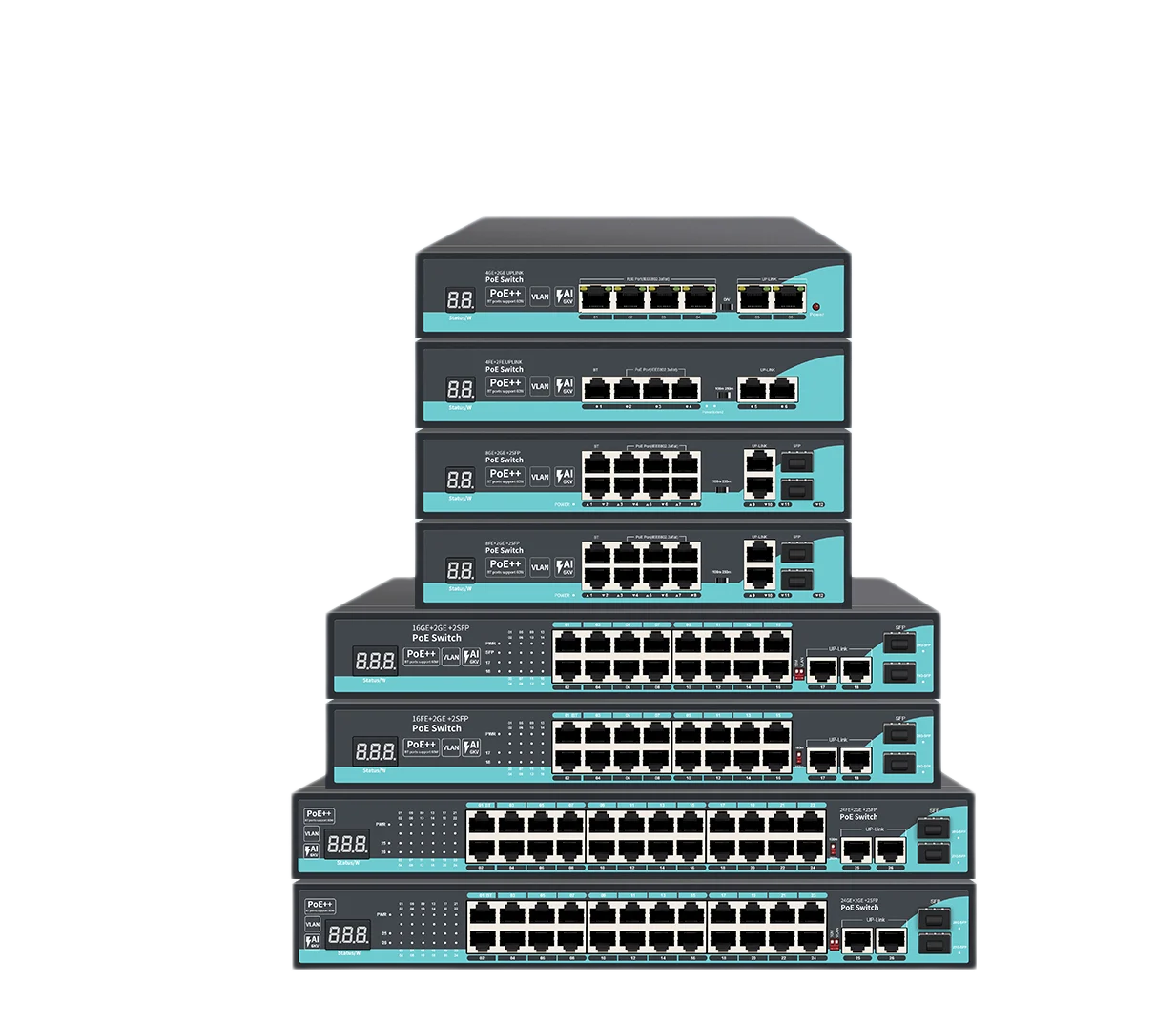
Action: We proposed 12 Wanglink WL-SG2428P L2+ managed PoE switches (24-port GbE, 802.3bt, 400W PoE budget each) deployed in IDF closets across campus. Uplinks via 10G SFP+ fiber to the core. All switches onboarded to Wanglink’s free cloud management platform, which gave the WISP’s NOC team real-time PoE power monitoring, per-port reboot, and VLAN segmentation for the access control VLAN. No license fees, no node limits.
Result: Deployment completed in 3 weeks. Over the first 6 months, the college reported zero door controller lockups related to power. The WISP’s mean time to repair (MTTR) dropped from 4 hours (driving to site) to 15 minutes (remote power cycle). Total project cost came in 22% under budget compared to the previous quote using a big-brand switch stack with cloud license subscriptions. Data source: Customer project close-out report, Q2 2024, and Wanglink production execution data.
TCO Reality Check: Free Cloud Management vs. Big Brand Licensing
Let’s talk money. A major competitor charges $150–$300 per switch per year for cloud management. For a 12-switch deployment, that’s $1,800–$3,600 annually—forever. Over a 5-year lifecycle, the licensing alone can exceed the hardware cost. Wanglink’s cloud platform is free. No node limits, no feature paywalls. You get VLAN config, PoE scheduling, SNMP monitoring, and firmware updates without writing a check every year.
We’ve seen integrators build this into their managed service offering: they can offer remote monitoring and maintenance with zero incremental software cost. That’s a competitive edge when bidding against firms still tied to expensive ecosystems.
Selection Framework for Access Control PoE Switches
Switching Capacity and PoE Budget: Don’t Guess, Calculate
Start with a power inventory. List every device, its max draw, and its 802.3 class. Add 20% headroom for inrush current and future expansion. If your total comes to 350W, a switch with a 370W power supply is too tight. Go for 480W or higher. On the switching side, ensure non-blocking backplane throughput. For a 24-port GbE switch, that’s 48 Gbps. Wanglink’s switches deliver this even with 64-byte frames, verified by RFC 2544 tests.
VLANs and QoS: Keeping Access Traffic Safe
Segment access control traffic into its own VLAN, away from guest Wi-Fi and office LAN. Use 802.1Q tagging and port-based VLANs. Add QoS to prioritize SIP-based intercom calls. All Wanglink managed switches support these features out of the box, configurable via web GUI or CLI. No license needed.
Environmental Hardening: When Doors Live Outdoors
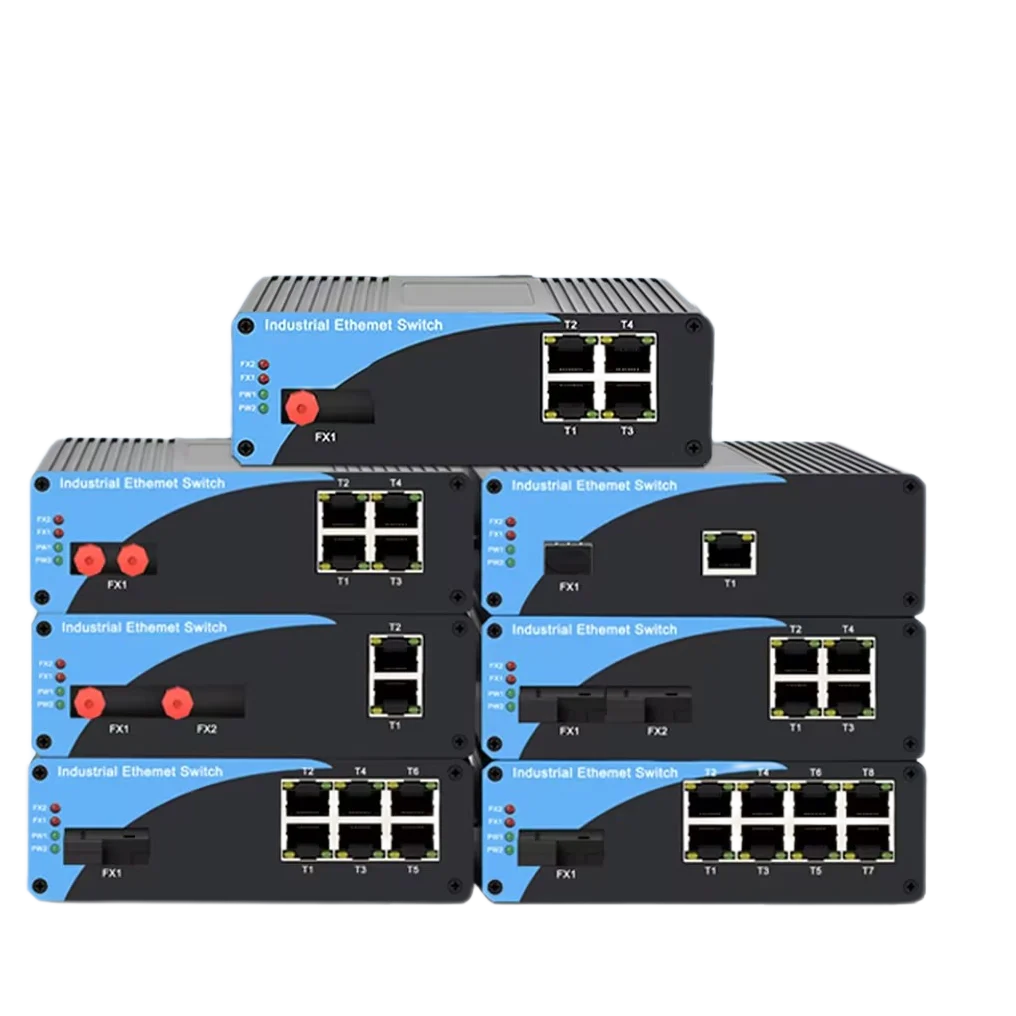
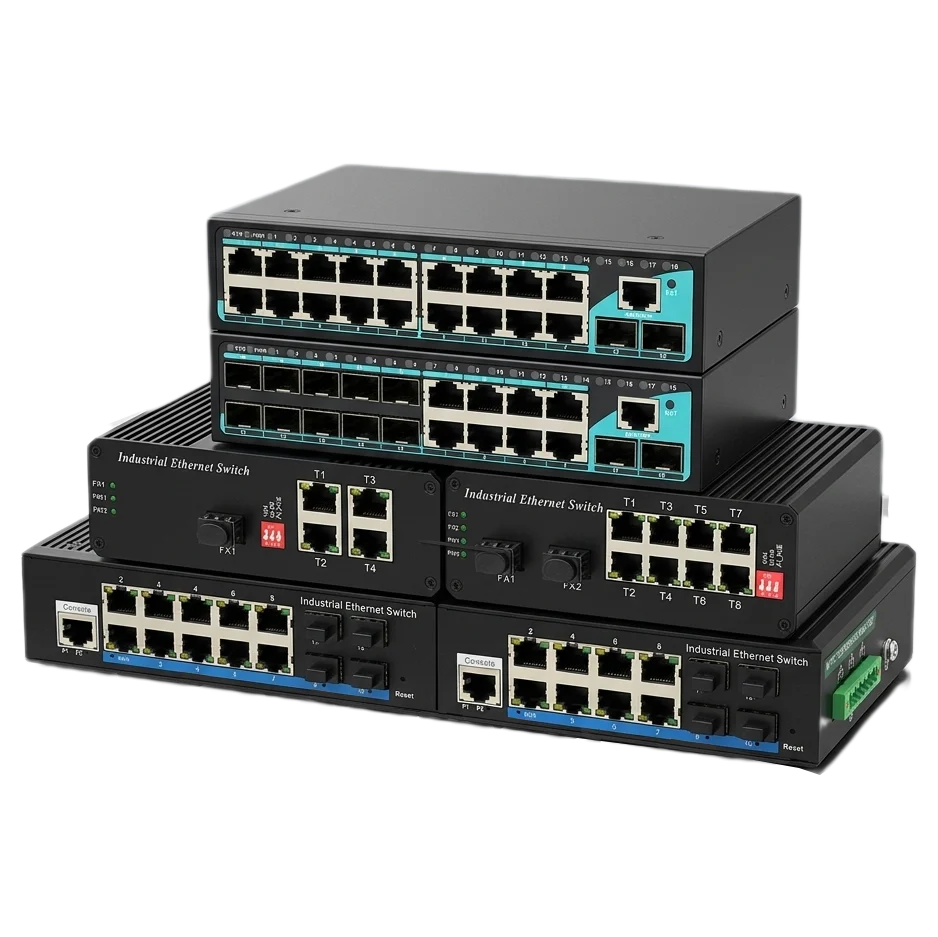
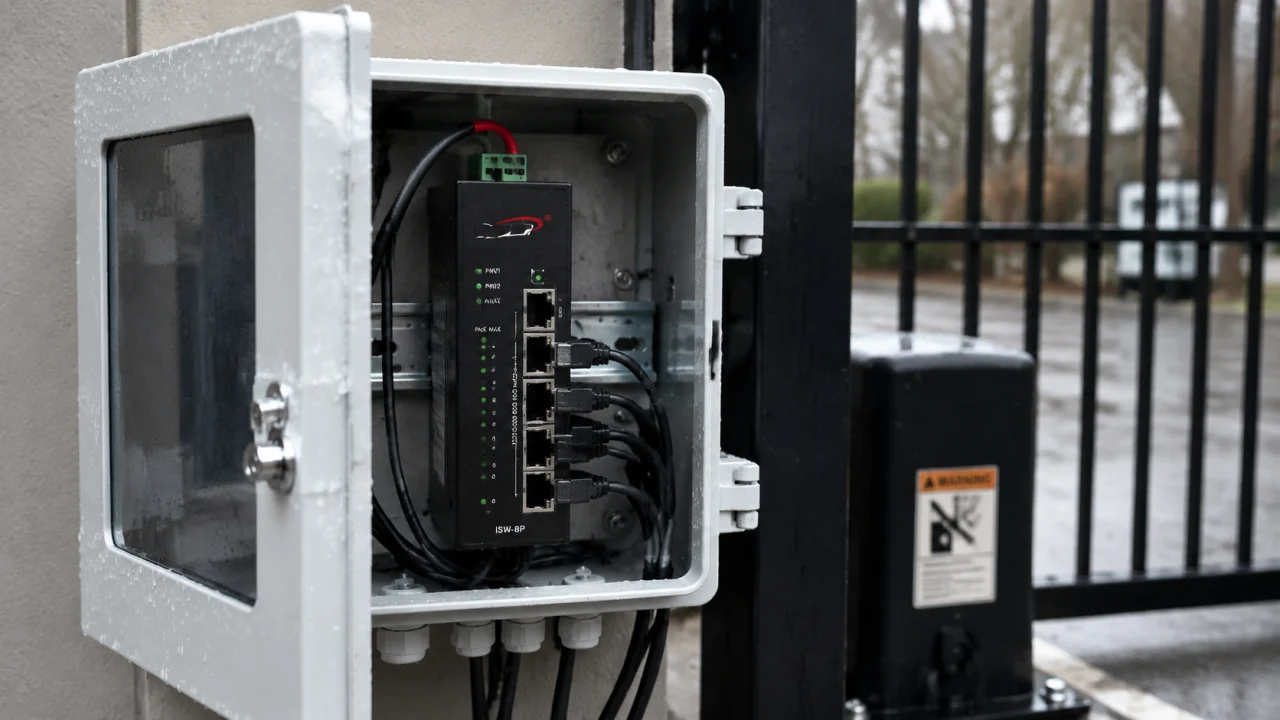
Gate controllers in parking lots or loading docks face temperature swings and humidity. An indoor switch in a non-conditioned IDF might see 40°C in summer. That’s where industrial-grade PoE switches earn their keep. Wanglink’s industrial line (ISW series) carries IP40 metal housing, -40°C to 75°C operating range, and IEC 61000-4-5 surge protection up to 4kV. We’ve seen these survive lightning-induced transients that fried consumer-grade gear in the same rack.
FAQ: What Integrators and WISPs Ask Us
How do you guarantee compatibility with third-party access controllers?
We test with major brands—HID, ASSA ABLOY, Axis, Bosch, ZKTeco—in our interoperability lab. PoE negotiation uses standard LLDP and resistive detection per IEEE specs. If a device follows the standard, it works. For proprietary PoE implementations, we can pre-configure forced power mode. We also provide a compatibility list and offer sample units for your lab testing.
What’s the RMA process if a switch fails in the field?
We offer advanced replacement for critical projects. You contact our support with a failure description and logs. We ship a replacement within 48 hours from our U.S. or EU warehouse (stock permitting). Return the failed unit within 30 days. For integrators with in-house spares, we also support standard return-and-repair. Our RMA rate across all product lines is under 0.3%, so you’re unlikely to need it often.
What are your MOQ and OEM/ODM options?
For standard Wanglink-branded products, no MOQ for sample orders. Volume pricing kicks in at 50 units. For OEM/ODM, we require a minimum order of 500 units, but we’re flexible for long-term partners. We can customize housing, boot logo, packaging, and even default configuration files. Our in-house PCB design team can modify hardware for unique PoE power budgets or port counts. Typical lead time for custom SKUs is 6–8 weeks after design freeze.
How do you handle firmware updates and security patches?
We release firmware updates regularly, with critical CVE patches within 30 days of disclosure. All updates are digitally signed. Our cloud platform can push updates to multiple switches in a single maintenance window. No extra charge.
Can we manage switches without an internet connection?
Yes. All managed models have a local web GUI, SSH, and SNMP. The cloud platform is optional and uses outbound HTTPS (443) from the switch to our cloud—no inbound ports needed. If your security policy bans cloud, you can run completely air-gapped.
Why Wanglink for Access Control PoE
We’re not a trading company slapping a logo on an ODM design. We’re the factory that designs the PCB, programs the PoE controller firmware, and burns in every port for 24 hours before it ships. That vertical integration means we control quality, cost, and lead times. For integrators and WISPs deploying access control at scale, that translates to predictable performance, fewer truck rolls, and a supply chain that doesn’t ghost you when demand spikes.
If you’re evaluating switches for your next access control project, let’s talk specs, test reports, and real-world data. We’ll send you a demo unit and our latest burn-in test summary. No fluff, just hard numbers from a factory that’s been doing this for over a decade.