

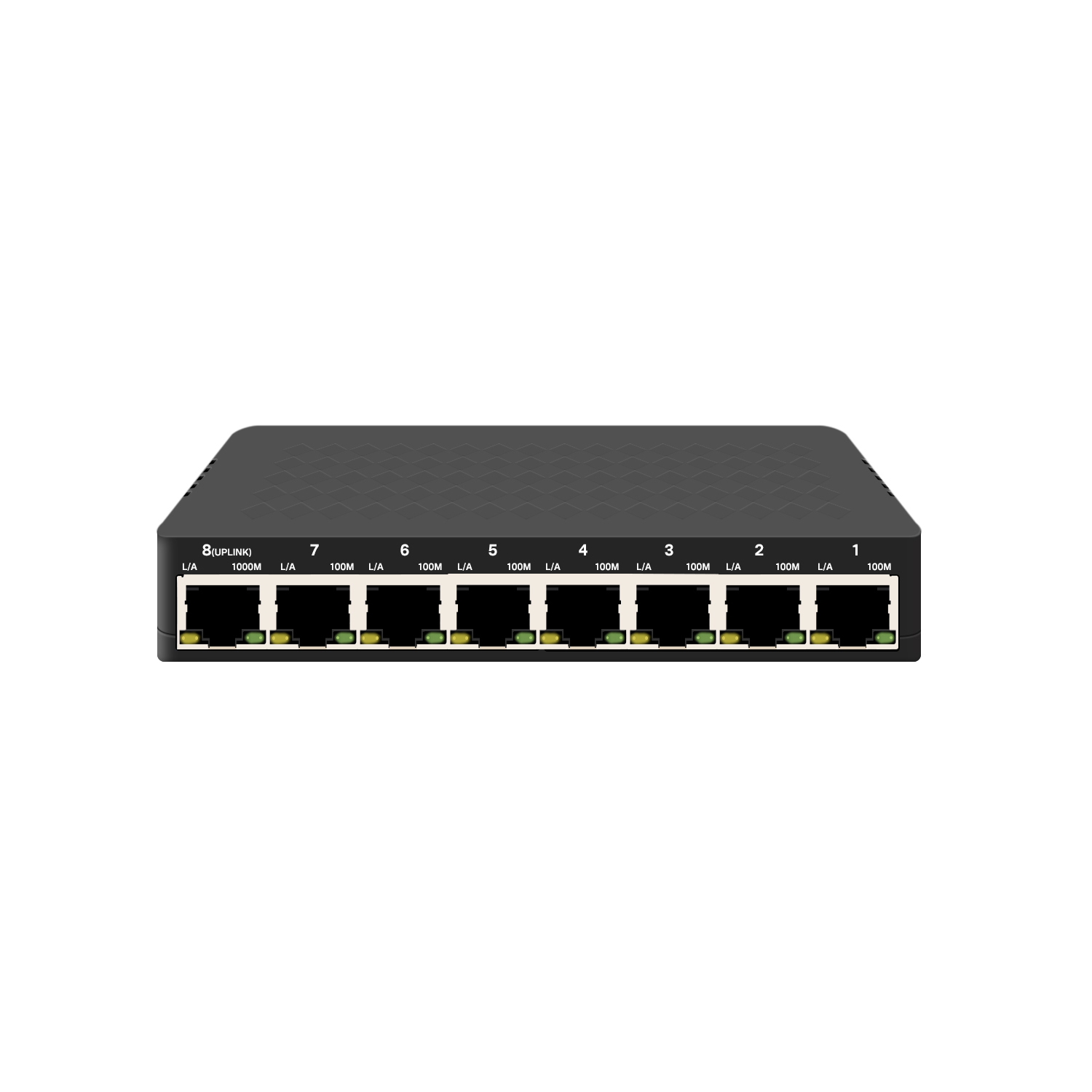
SL710RP-2S
Reverse PoE Switches
7× 10/100Base-TX PoE out ports, 1× 10/100/1000Base-T uplink with PoE in
Unmanaged Reverse PoE Switch 7 Port Fast Ethernet 1 Gigabit Uplink VLAN Isolation 2 DC Outputs
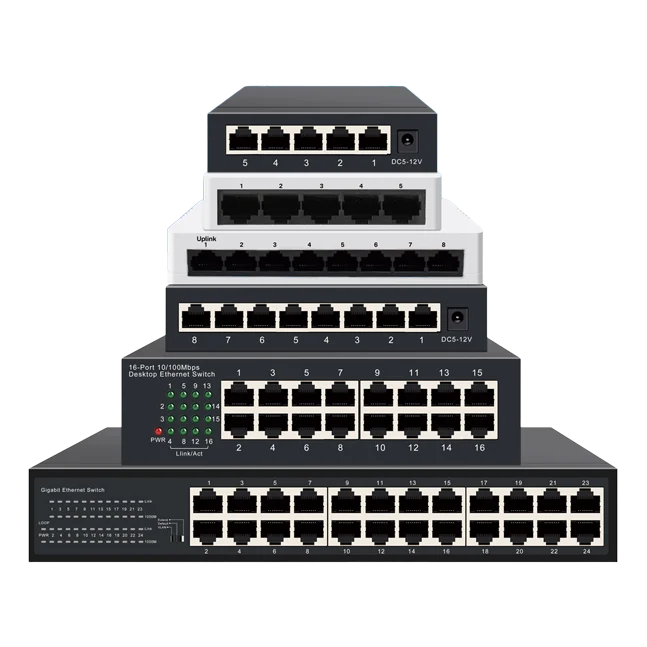
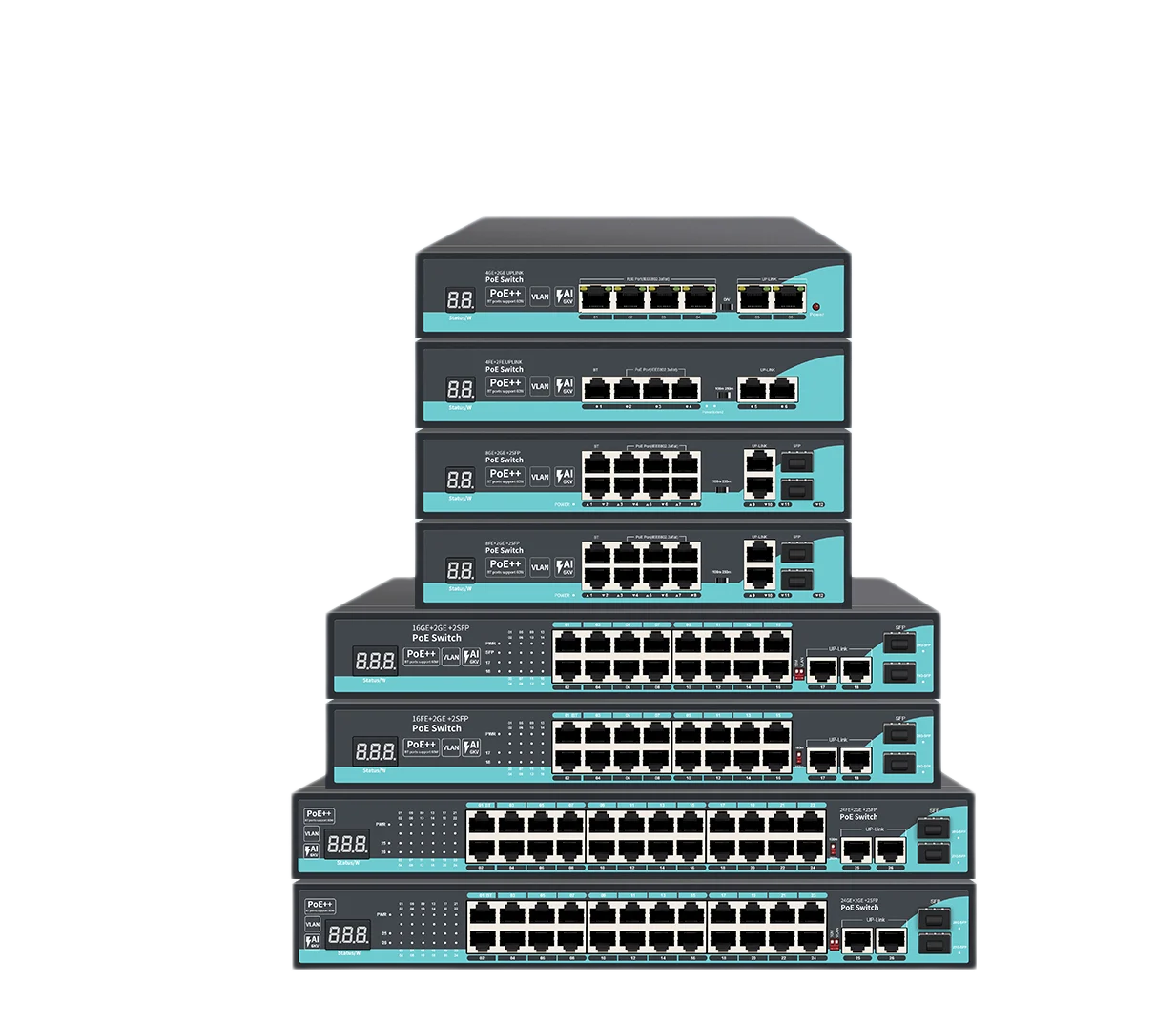
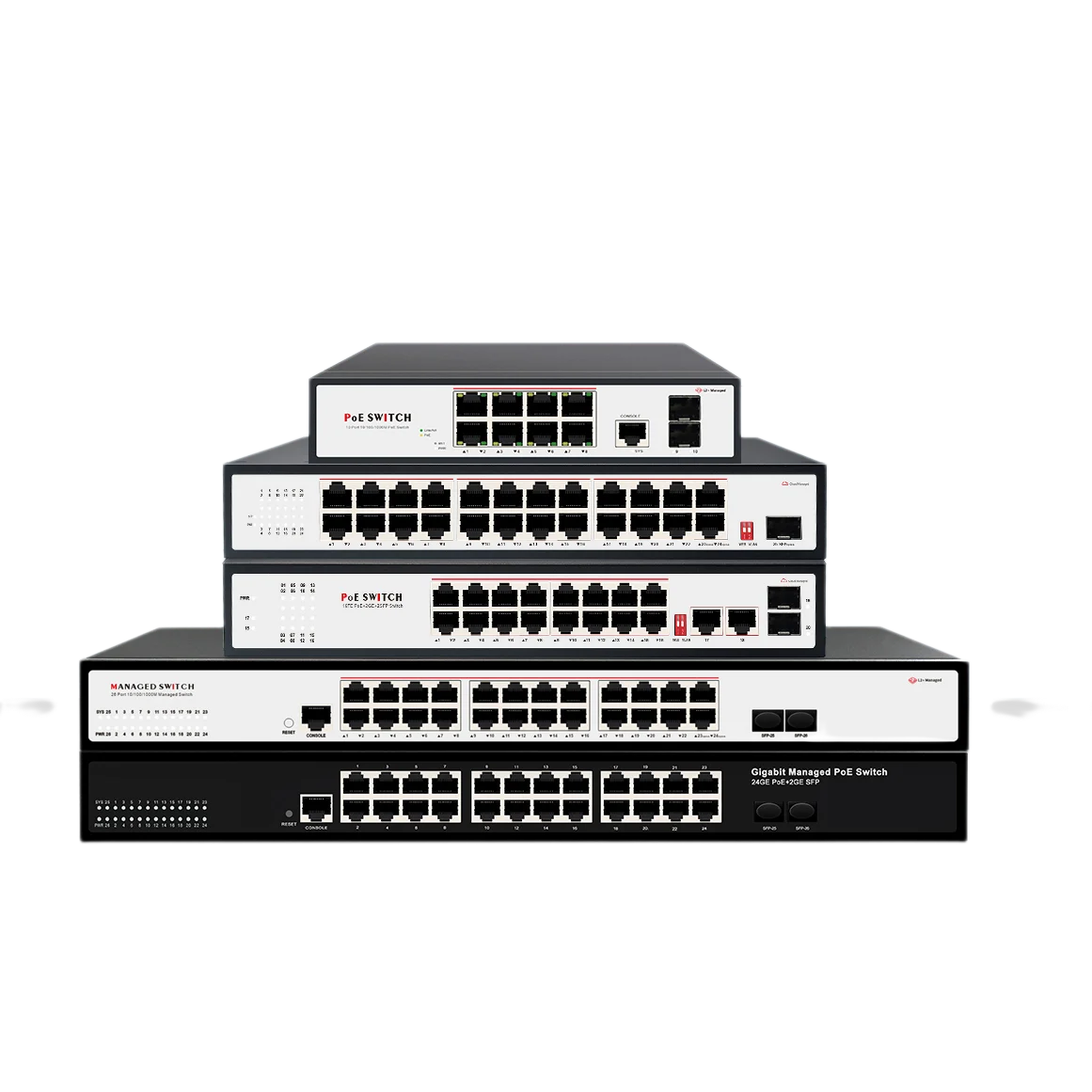
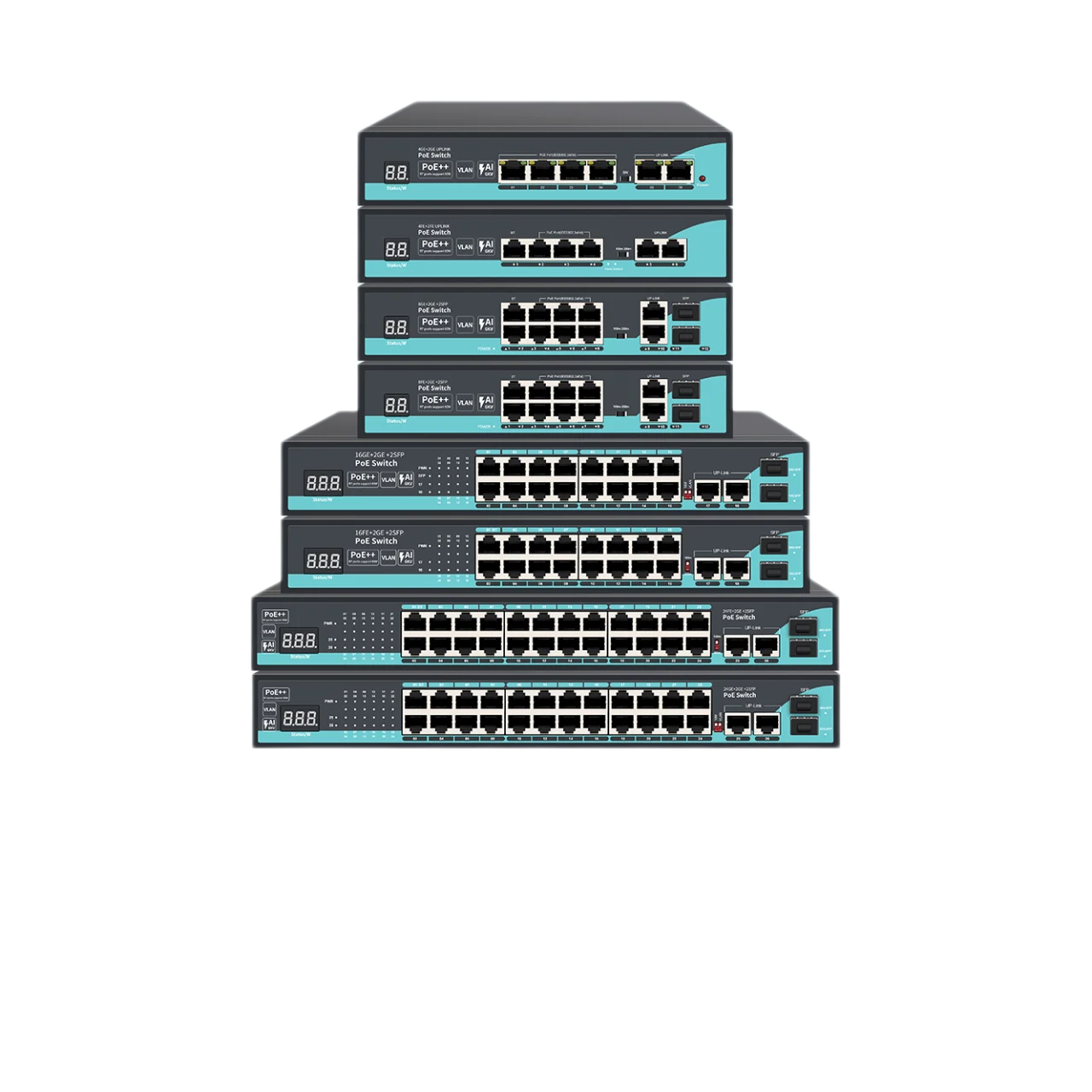
Explore our PoE switch range in 4 port, 5 port, 8 port, 16 port, 24 port, and 48 port configurations at competitive prices. Our collection includes PoE network switches, PoE++ powered switches, PoE Ethernet switches, and PoE gigabit switches ideal for IP cameras. We offer the best PoE switches including managed switches and various types of PoE switches. Understanding the meaning of PoE switches: they deliver data and power through one cable. Find your solution for powering IP cameras, access points, and network devices.
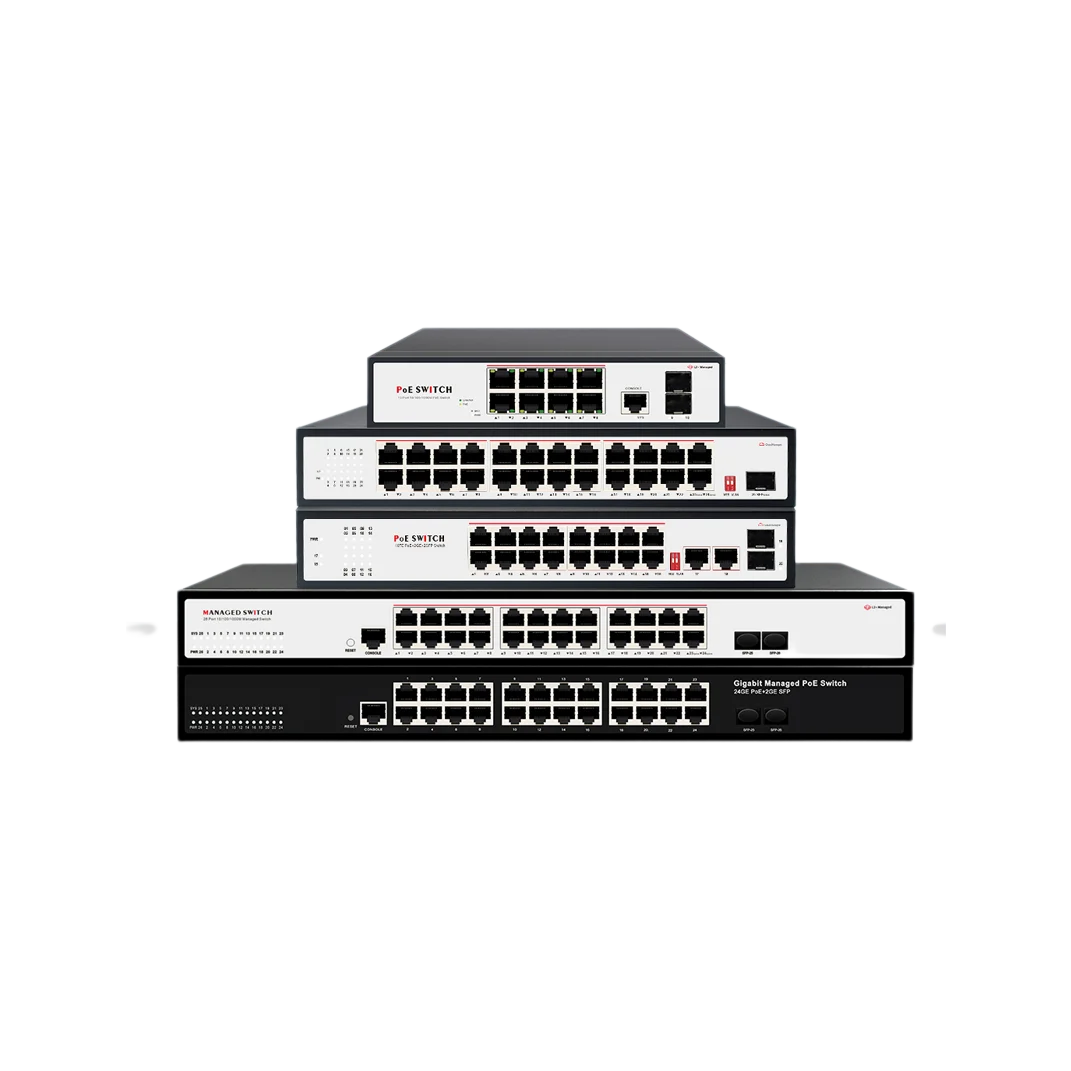
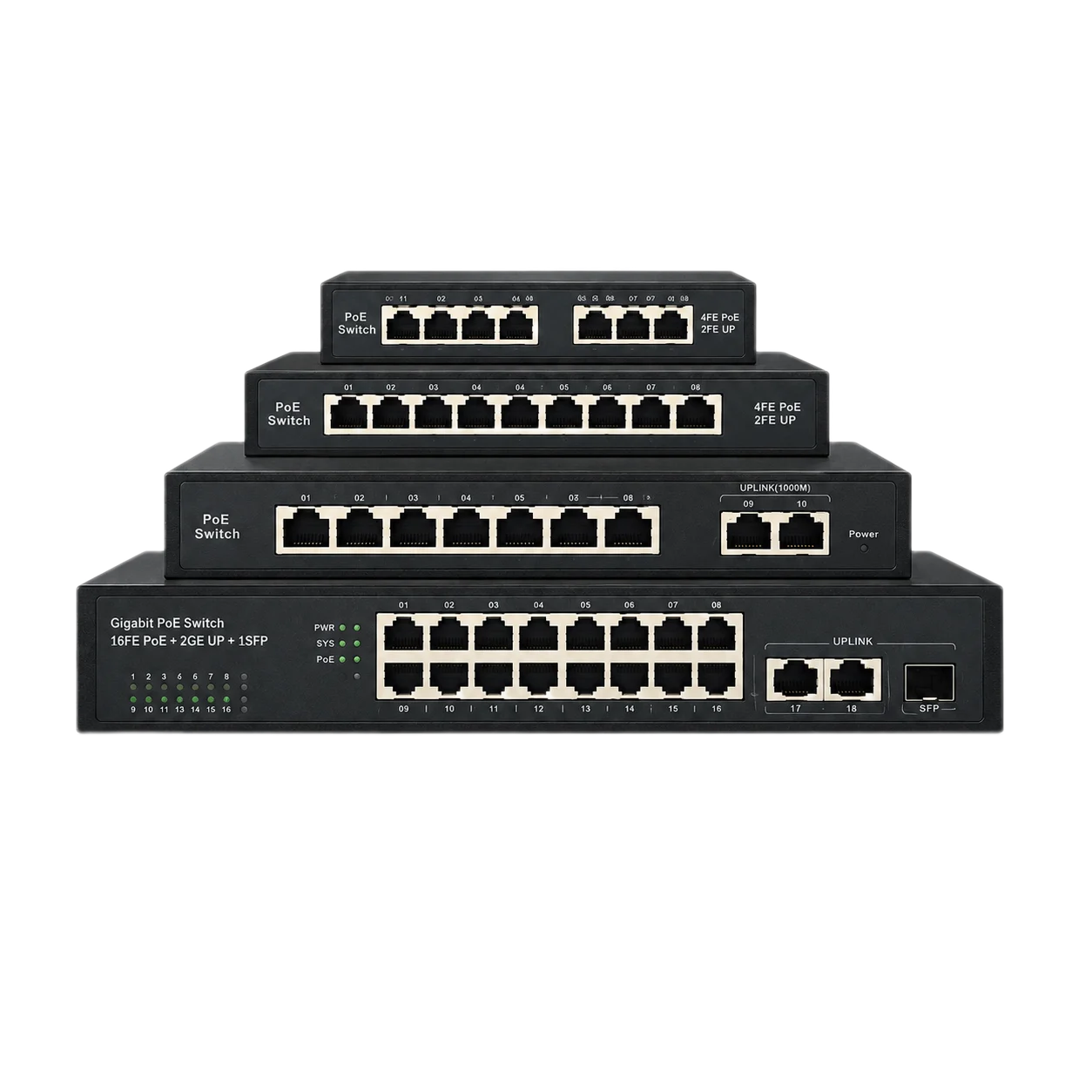
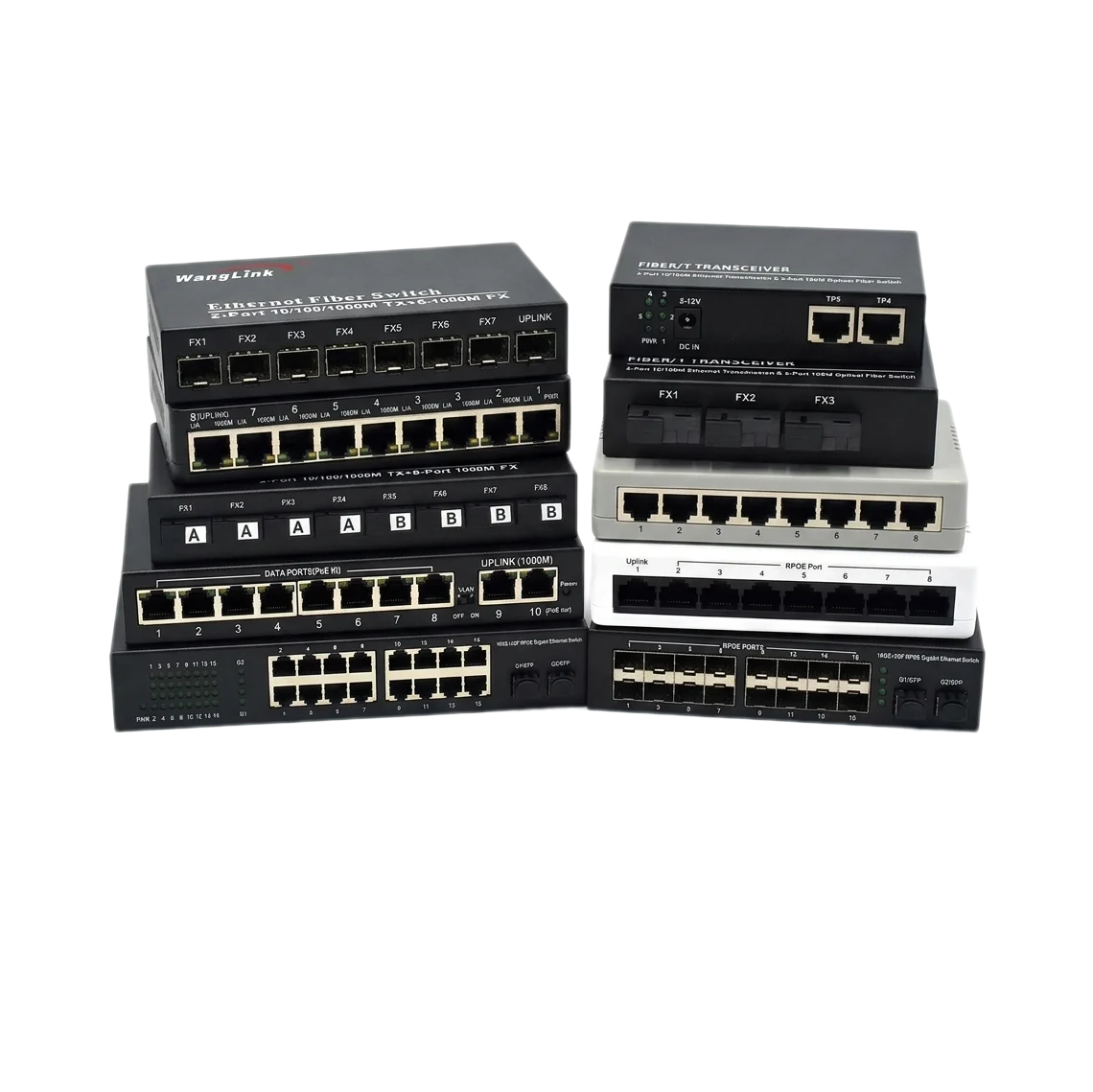
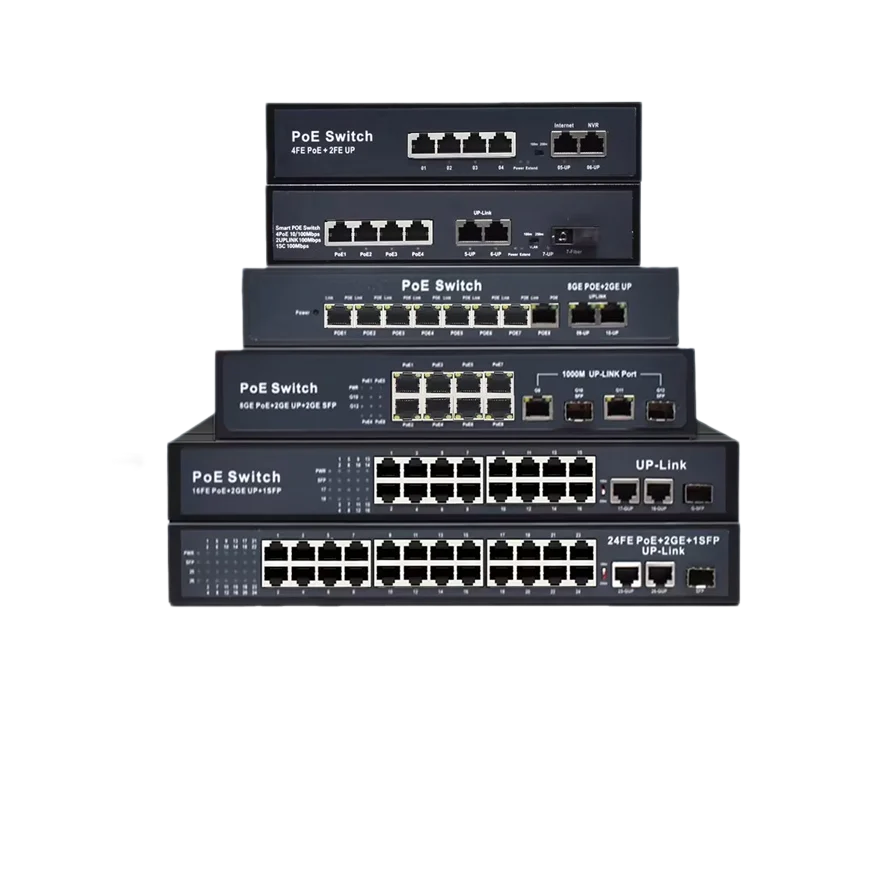
Reverse PoE Switches
7× 10/100Base-TX PoE out ports, 1× 10/100/1000Base-T uplink with PoE in
Unmanaged Reverse PoE Switch 7 Port Fast Ethernet 1 Gigabit Uplink VLAN Isolation 2 DC Outputs
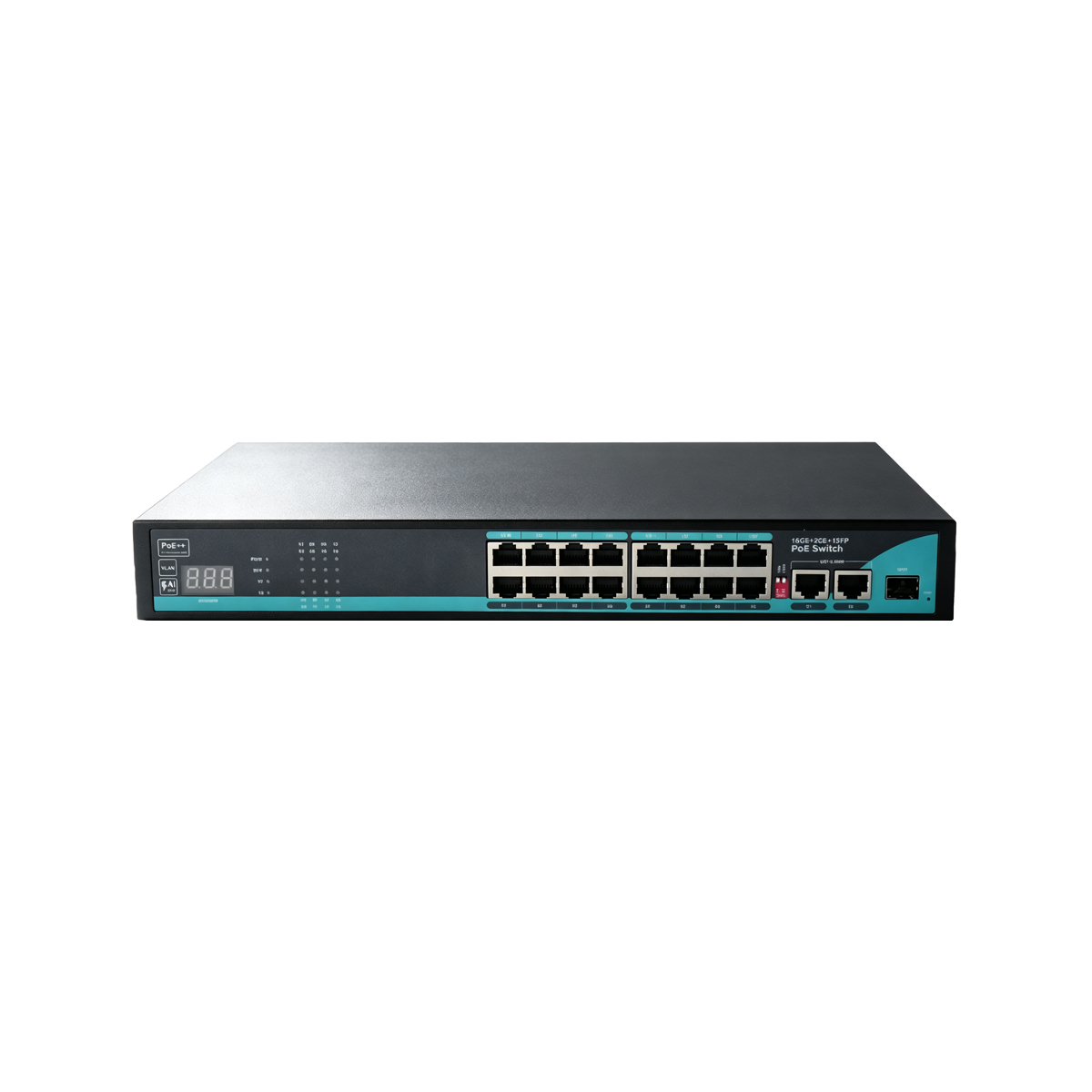
Digital Power Meter PoE Switches
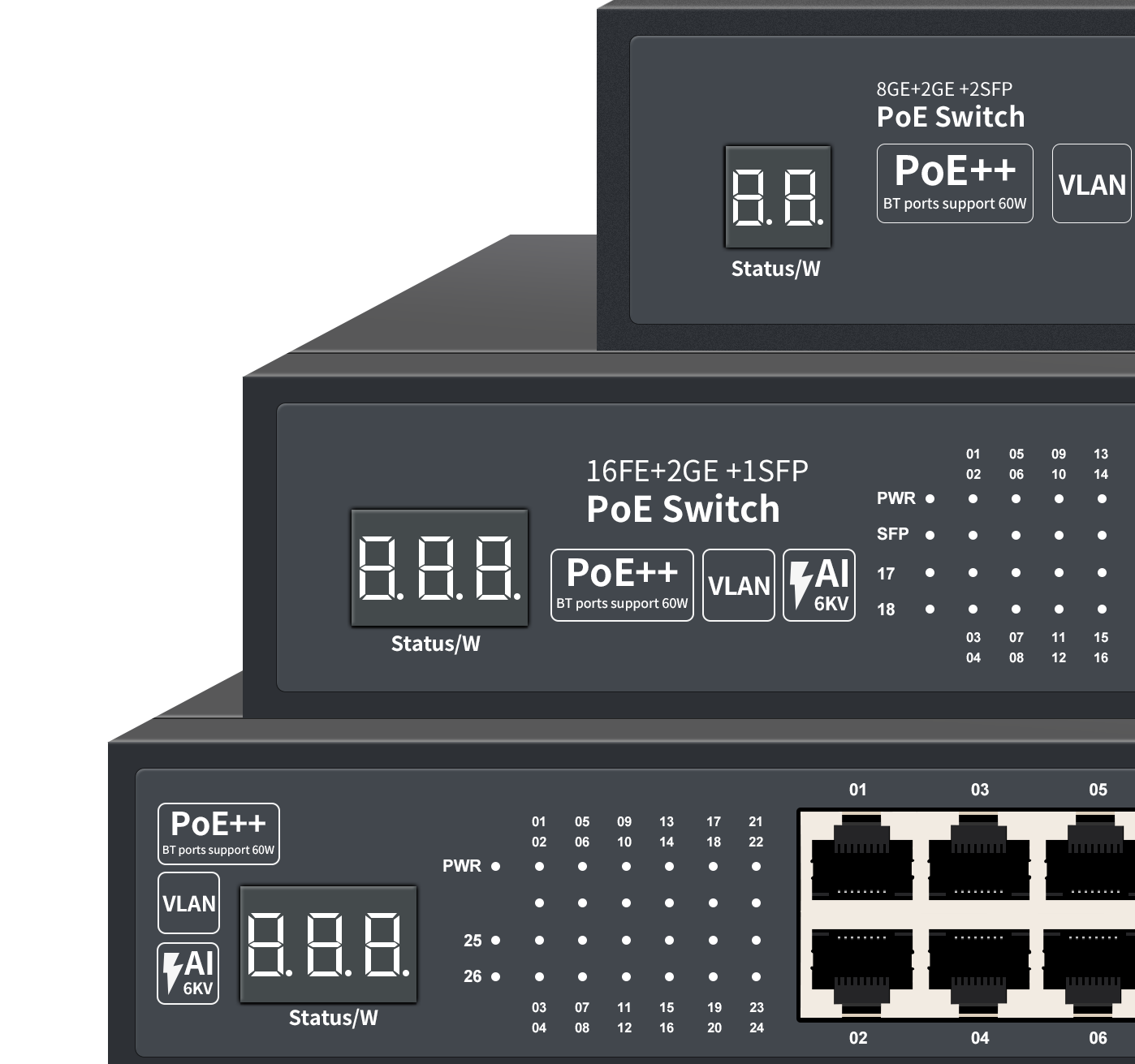
16× 10/100/1000Base-T PoE ports (Port 1: 60W PoE++, Ports 2-16: 30W PoE+), 2× 10/100/1000Base-T uplink ports, 1× 1000Base-X SFP slot.
Unmanaged 16 ports Gigabit PoE++ switch with digital power meter, 2 RJ45 Uplinks + 1 SFP, 250m PoE, VLAN Isolation, Desktop/Wall/Rack Mount
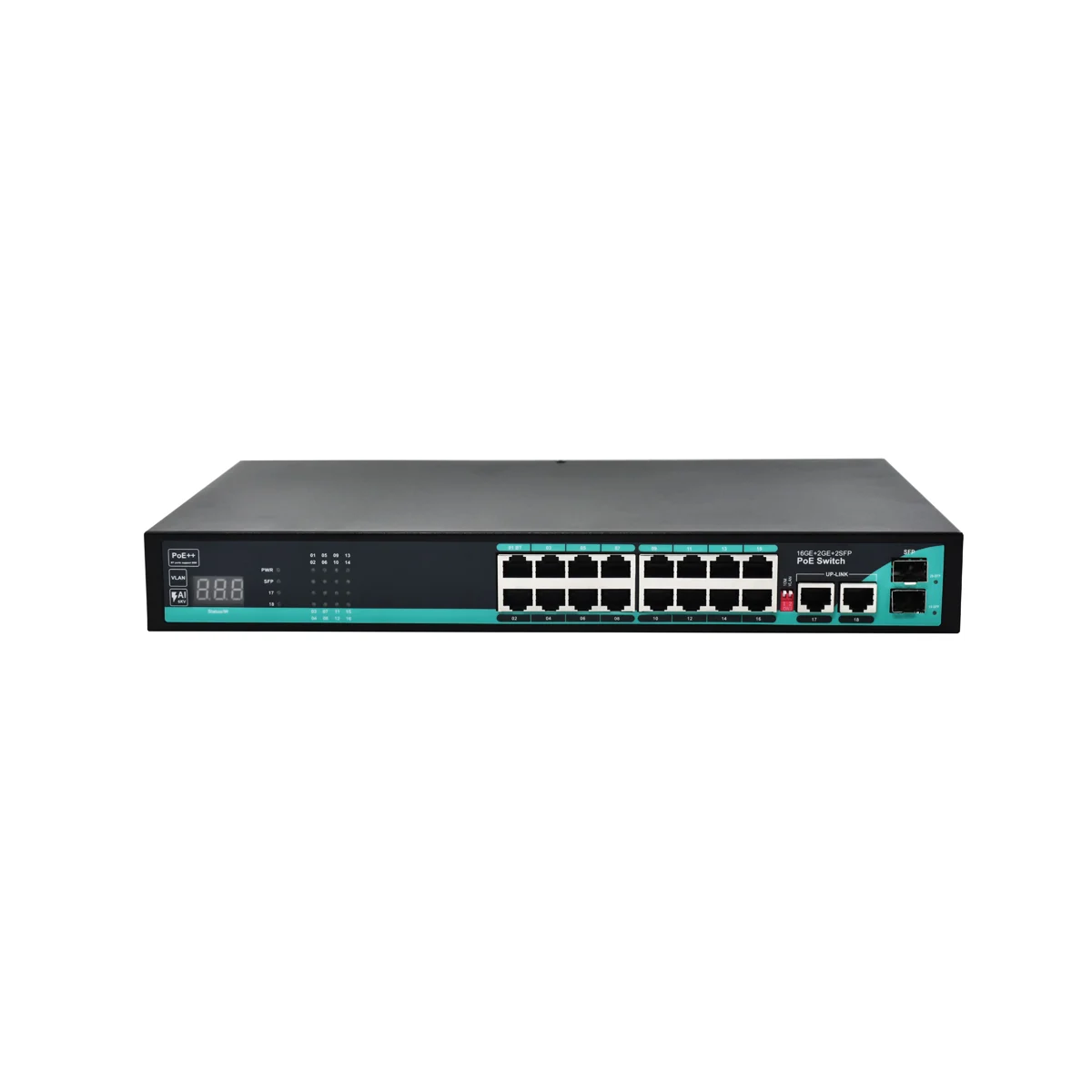
Digital Power Meter PoE Switches
16 x 10/100/1000Base-T PoE ports (1 x 802.3bt PoE++ up to 60W, 15 x 802.3af/at PoE+ up to 25.4W), 2 x 10/100/1000Base-T uplink ports, 2 x 1000Base-X SFP uplink slots
Unmanaged PoE++ Switch Gigabit 16 Ports 2 SFP, 2 RJ45 Uplinks, Metal Housing for IP Surveillance
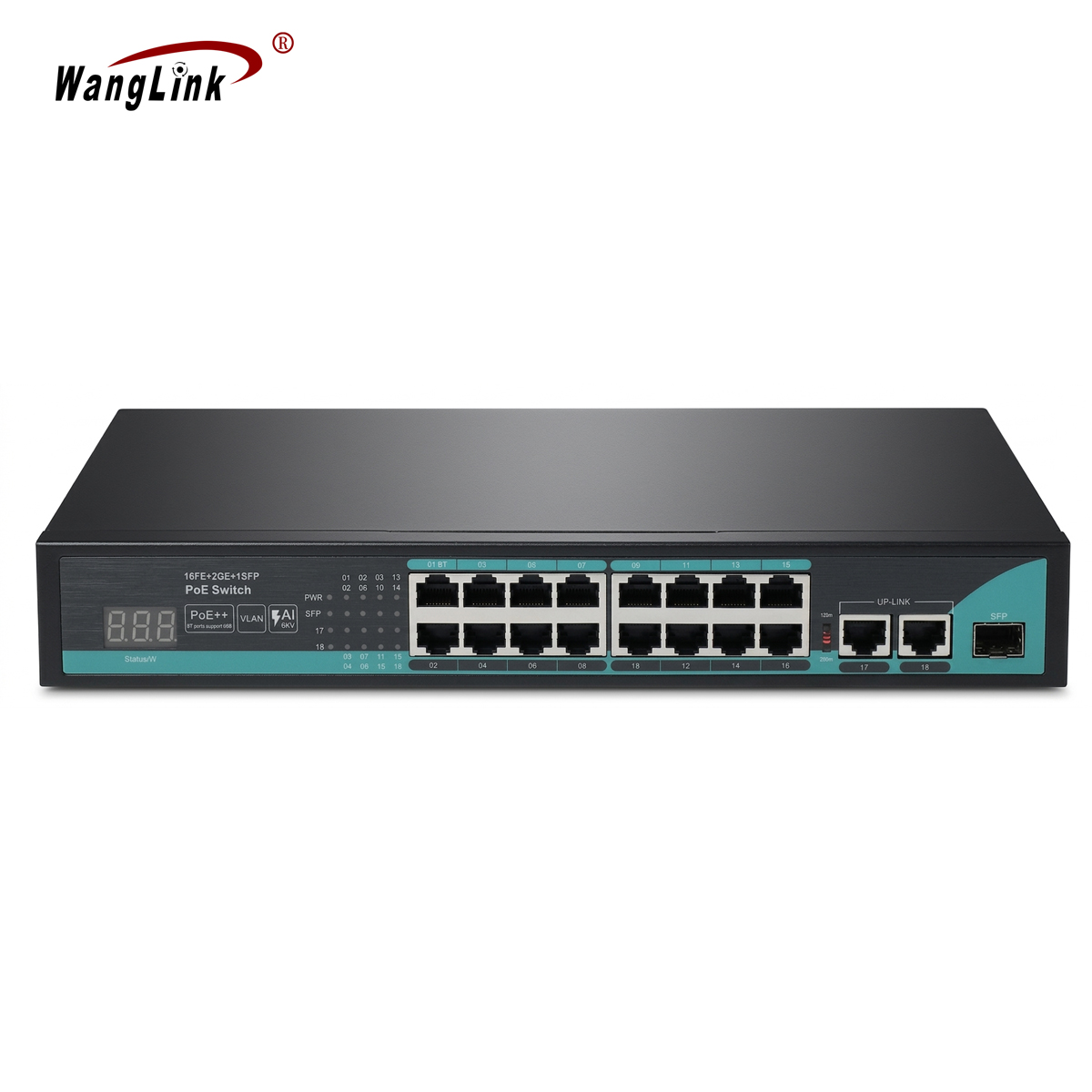
Digital Power Meter PoE Switches
16x 10/100Base-TX PoE ports, 2x 10/100/1000Base-T uplink ports, 1x 1000Base-X SFP slot. Port 1 supports 60W PoE++; ports 2-16 support 30W PoE.
Unmanaged 16 Ports Fast Ethernet PoE++ Switch with 2 Gigabit SFP, 100m, VLAN & Metal Housing
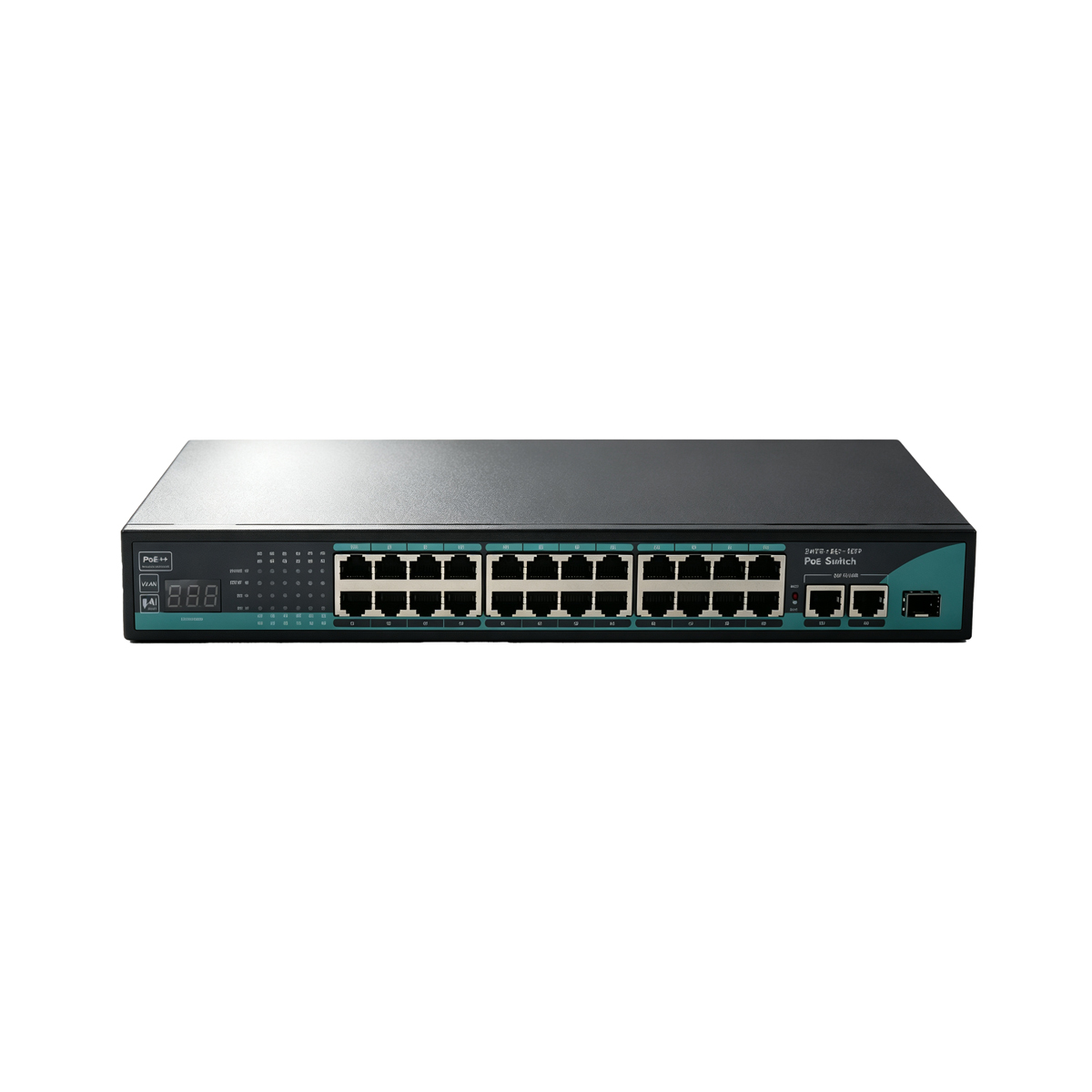
Digital Power Meter PoE Switches
24 x 10/100Base-TX PoE ports (port 1 up to 60W, ports 2-24 up to 30W), 2 x 10/100/1000Base-T RJ45 uplink ports, 1 x 1000Base-X SFP slot.
Unmanaged Fast Ethernet 24 Ports PoE++ Switch with Digital Power Meter, 2 Gigabit RJ45 Uplinks & 1 SFP, 250m Long Reach, Wall/Desktop/Rack Mount for Surveillance
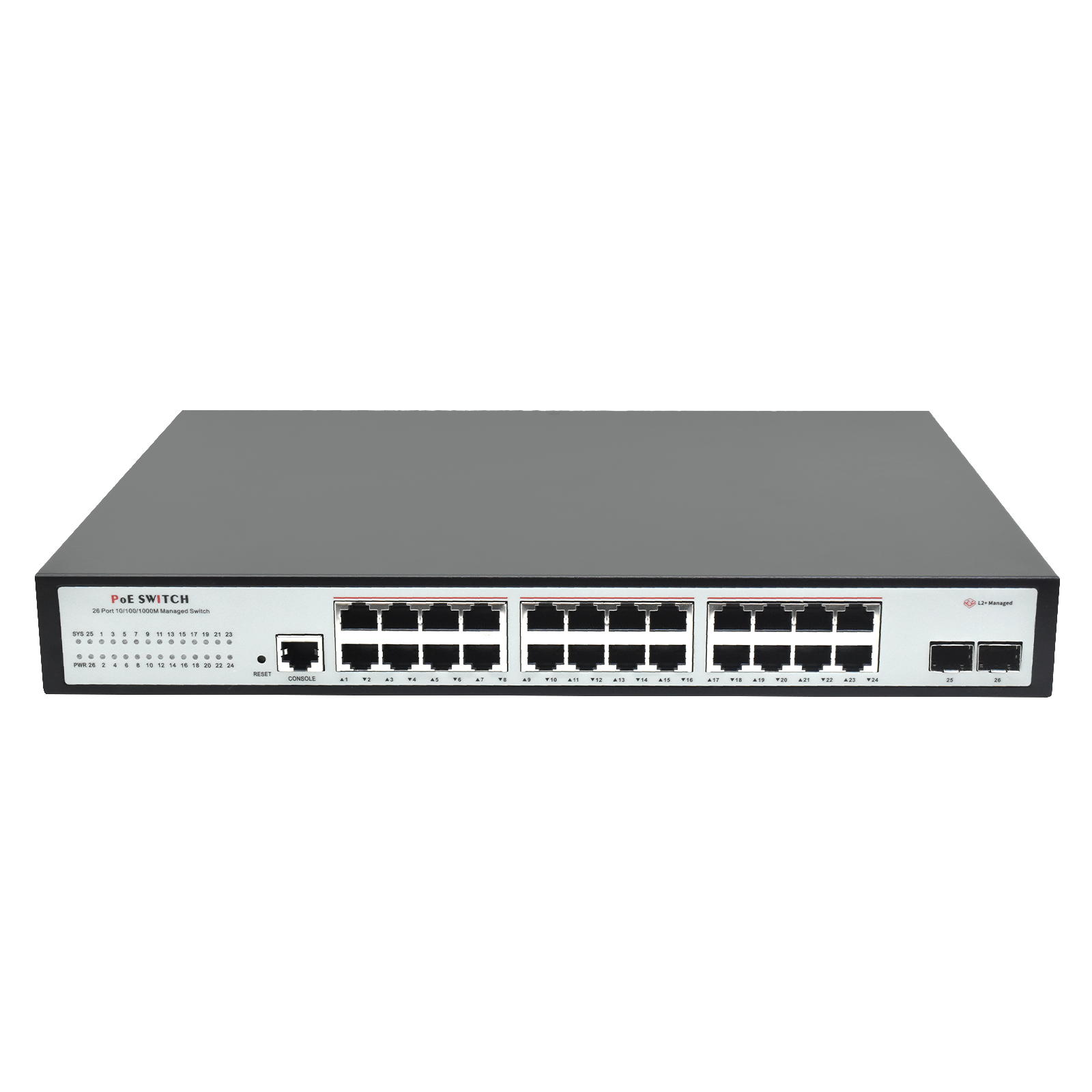
Managed PoE Switches
24 x 10/100/1000Base-T PoE/PoE+ RJ45 ports, 2 x 1000Base-X SFP slots, 1 x Console port; up to 30W per PoE port.
24 Ports Gigabit Managed Desktop PoE Switch, 2 SFP Uplinks, L2 VLAN/ACL/QoS, 54Gbps Backplane for SMB & Surveillance
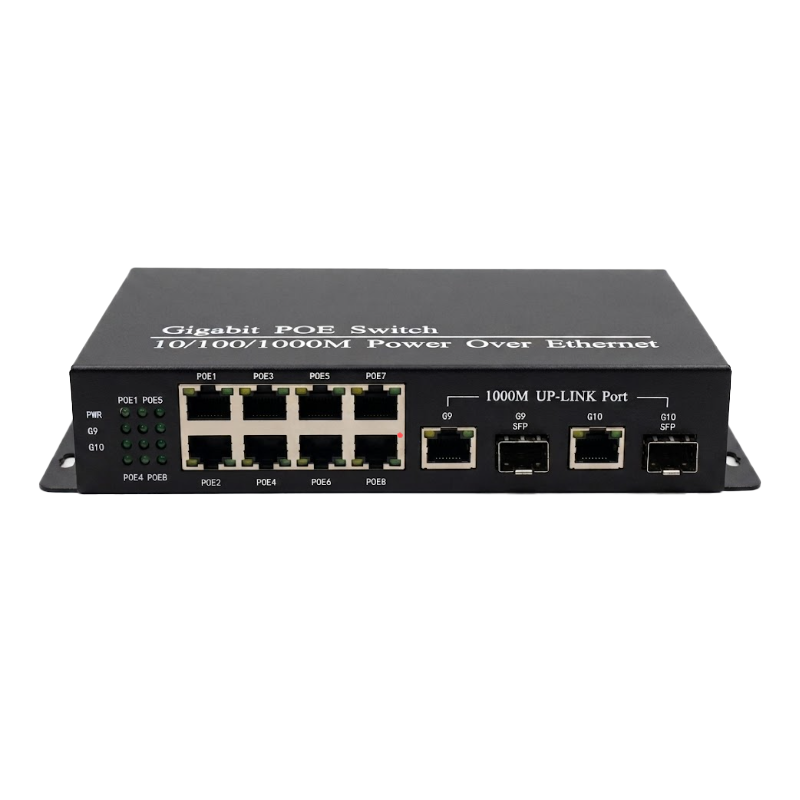
Unmanaged PoE Switches
8 x IEEE802.3 af/at PoE+ ports (30W max each), 2 x Gigabit RJ45 uplink ports, and 2 x SFP slots for fiber uplinks.
Unmanaged DC Wall-mount 8 port PoE Switch, 2 Gigabit Copper Uplink Ports, 2 SFP Slots, 96W PoE Budget
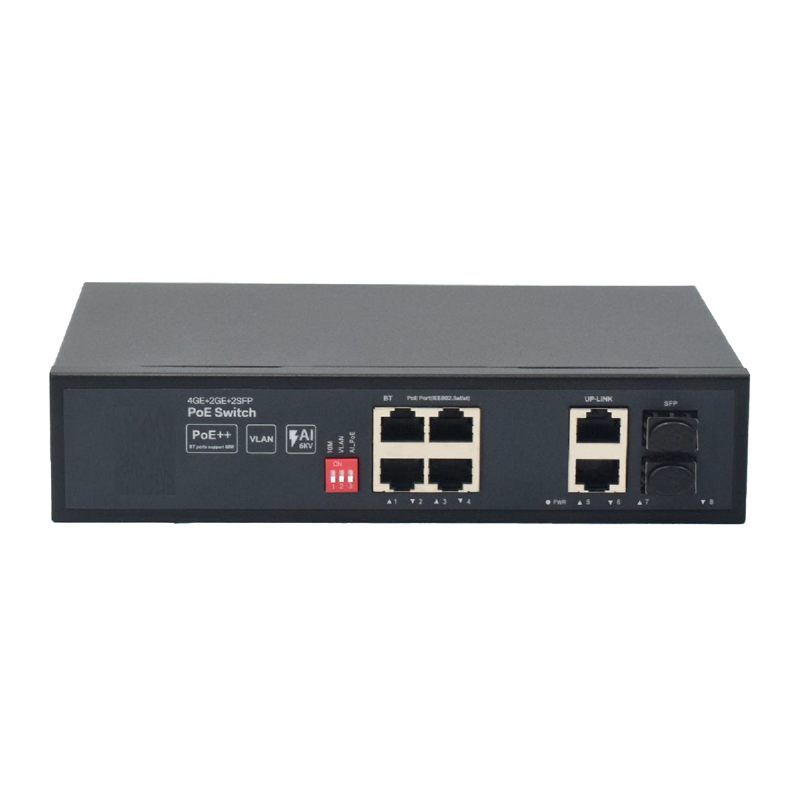
Unmanaged PoE Switches
4×10/100/1000Base-T PoE ports, 2×10/100/1000Base-T uplink ports, 2×1000Base-X SFP slots; Port 1 max 60W, Ports 2-4 max 30W, total PoE output 120W.
Unmanaged Gigabit VLAN PoE 4 Port Switch, 2 RJ45 Uplinks, 2 SFP Slots, 60W Output, Desktop/Wall Mount for IP Surveillance
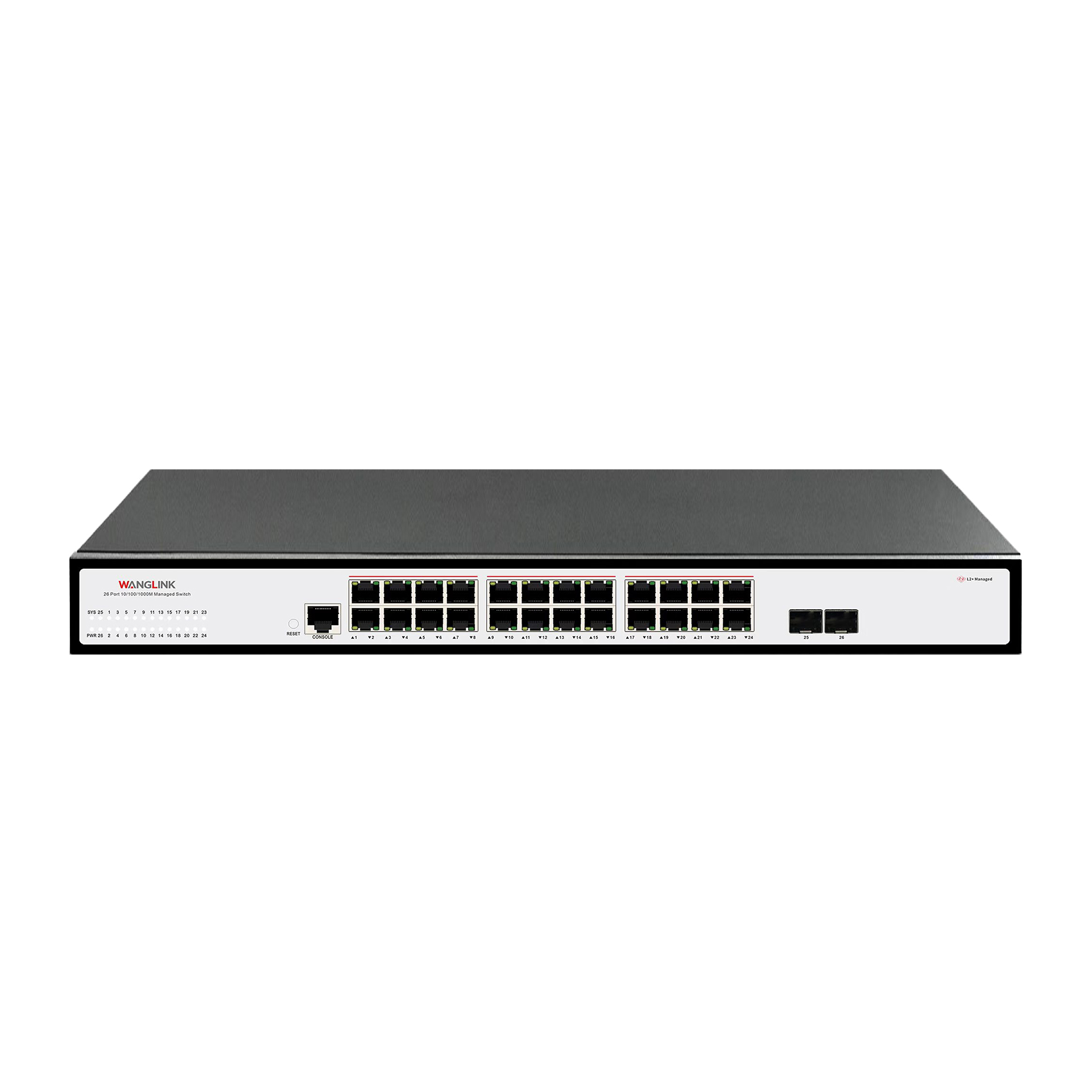
Managed PoE Switches
24×10/100/1000Base-T PoE+ ports (max 30W each), 2×1000Base-X SFP fiber slots
Managed 24 Port Gigabit L2 PoE Switch, 2 SFP Uplink, 30W PoE+ per Port, 1U Rack-Mount for SMBs & Surveillance
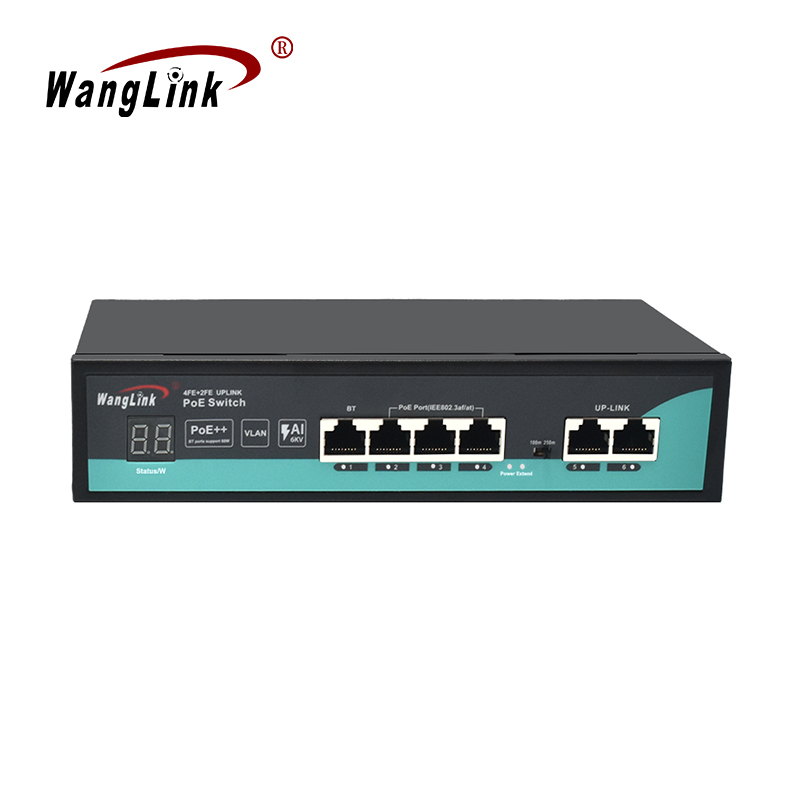
Digital Power Meter PoE Switches
4 x 10/100Base-TX PoE ports (1 x PoE++ 60W, 3 x PoE+ 25.4W) + 2 x 10/100Base-TX uplink ports; total 6 RJ45 ports.
Unmanaged 6 Port PoE Switch, 4 PoE+ Ports with 1 PoE++ 60W, 2 Uplink Ports, 10/100Mbps Fast Ethernet, Metal Desktop/Wall Mount for Surveillance & SME
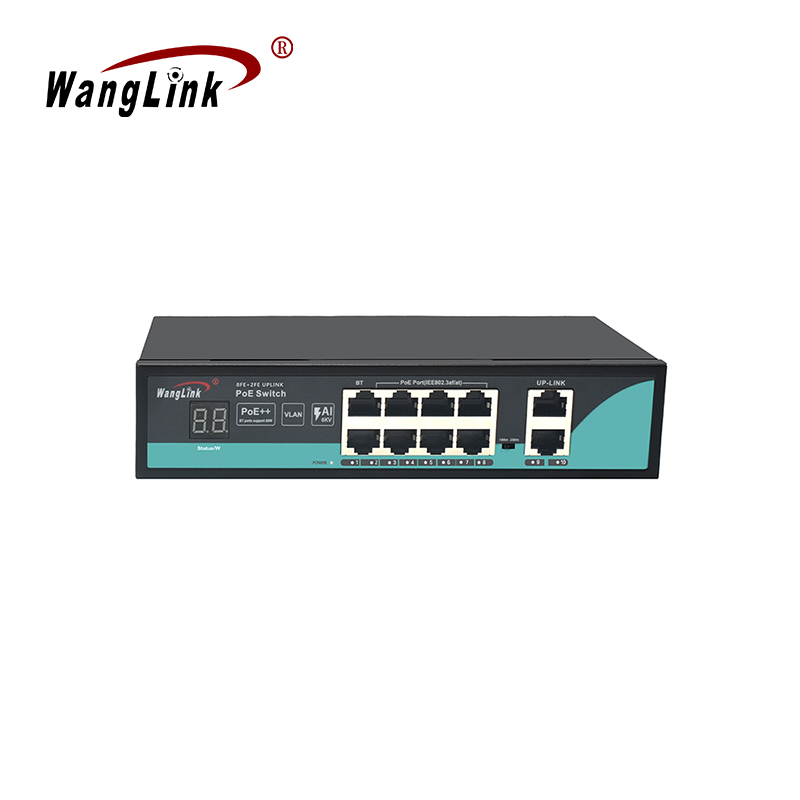
Digital Power Meter PoE Switches
8 x 10/100Base-TX PoE ports (1x PoE++ 60W, 7x PoE+ af/at 25.4W) + 2 x 10/100Base-TX uplink ports (non-PoE).
Unmanaged 10 Port PoE Switch, 8 PoE+ 60W, 2 Uplink, Fast Ethernet, VLAN & 250m Extend, Metal Desktop/Wall Mount for Surveillance & SMB
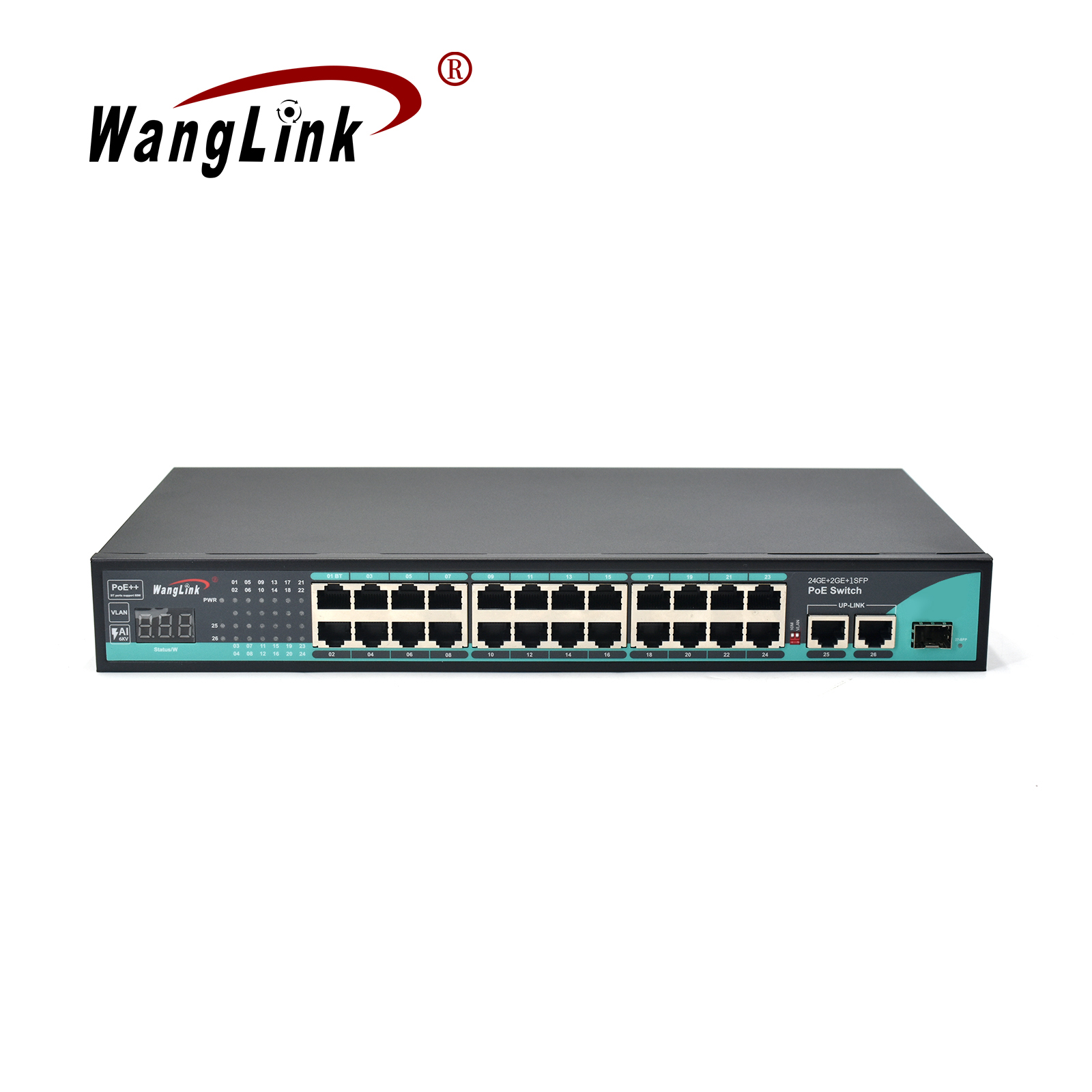
Digital Power Meter PoE Switches
24 x 10/100/1000Base-T PoE ports (ports 1-24, PoE+ up to 25.4W each), 1 x 10/100/1000Base-T uplink port with PoE++ up to 60W (port 25), 1 x 10/100/1000Base-T uplink port (port 26), + 1 x 1000Base-X SFP slot (port 27).
Unmanaged 24 Port Gigabit PoE Switch, 2 RJ45 Uplink + 1 SFP, 250m Long Distance, VLAN, 60W PoE++ – for IP Camera & Surveillance Networks
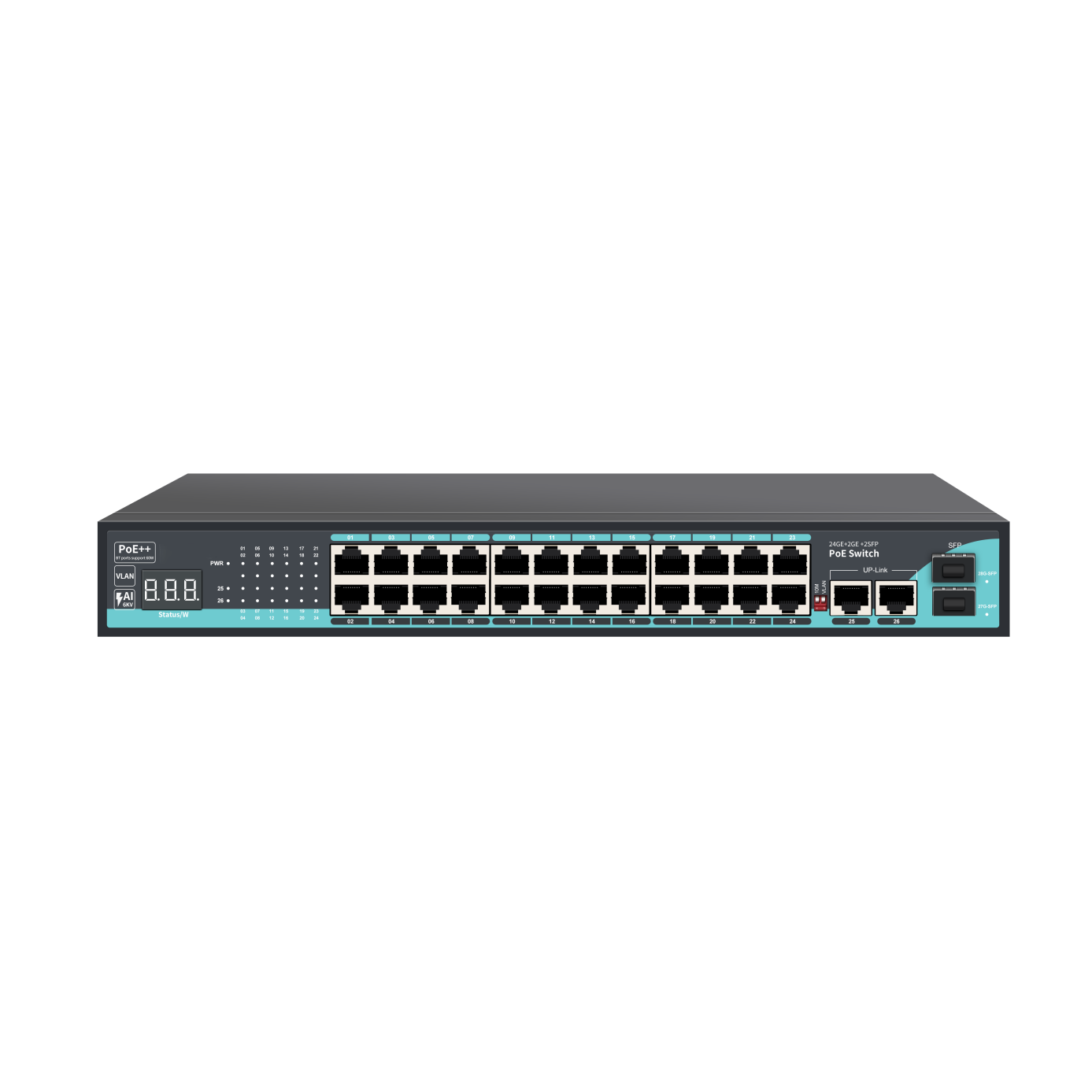
Digital Power Meter PoE Switches
24 x 10/100/1000Base-T PoE ports (23 x af/at up to 25.4W, 1 x bt up to 60W), plus 2 x 10/100/1000Base-T uplink copper ports and 2 x 1000Base-X SFP uplink slots.
Smart 24 Port PoE Switch, 2 Gigabit Uplink & 2 SFP Slots, 250m Long-Distance, VLAN Isolation, Desktop/Wall-Mount for Surveillance & SMB
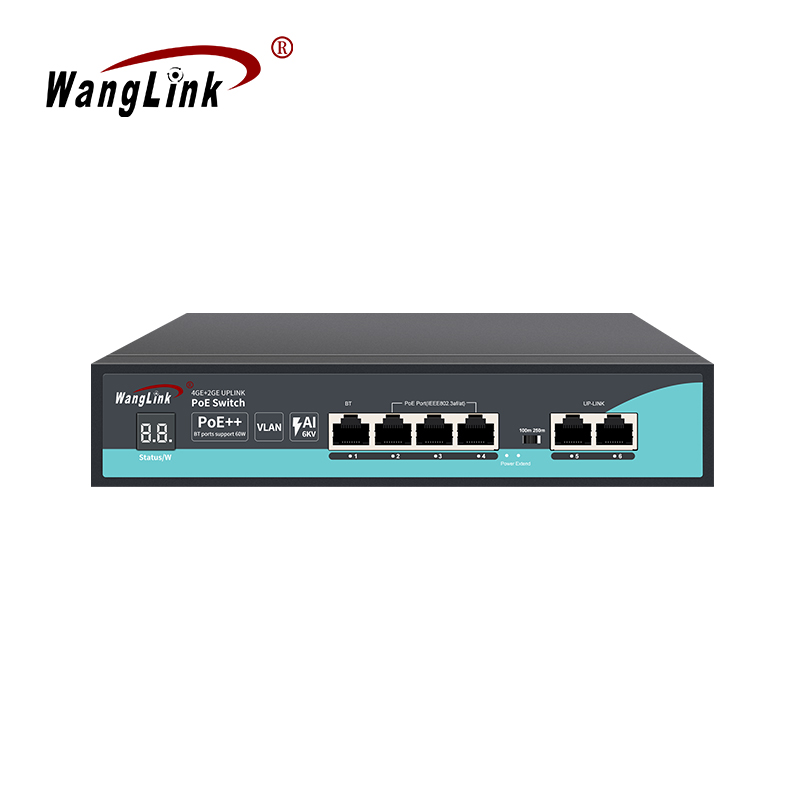
Digital Power Meter PoE Switches
4 PoE ports (10/100/1000Base-T, 1x PoE++ 60W, 3x PoE+ 25.4W) + 2 uplink ports (10/100/1000Base-T, non-PoE).
Unmanaged 4 Channel PoE Switch, 6 Ports Gigabit with 1 PoE++ 60W and 3 PoE+ 25.4W, 2 Uplink RJ45, VLAN & 250m Long Distance, Desktop/Wall Mount for Surveillance & SMB
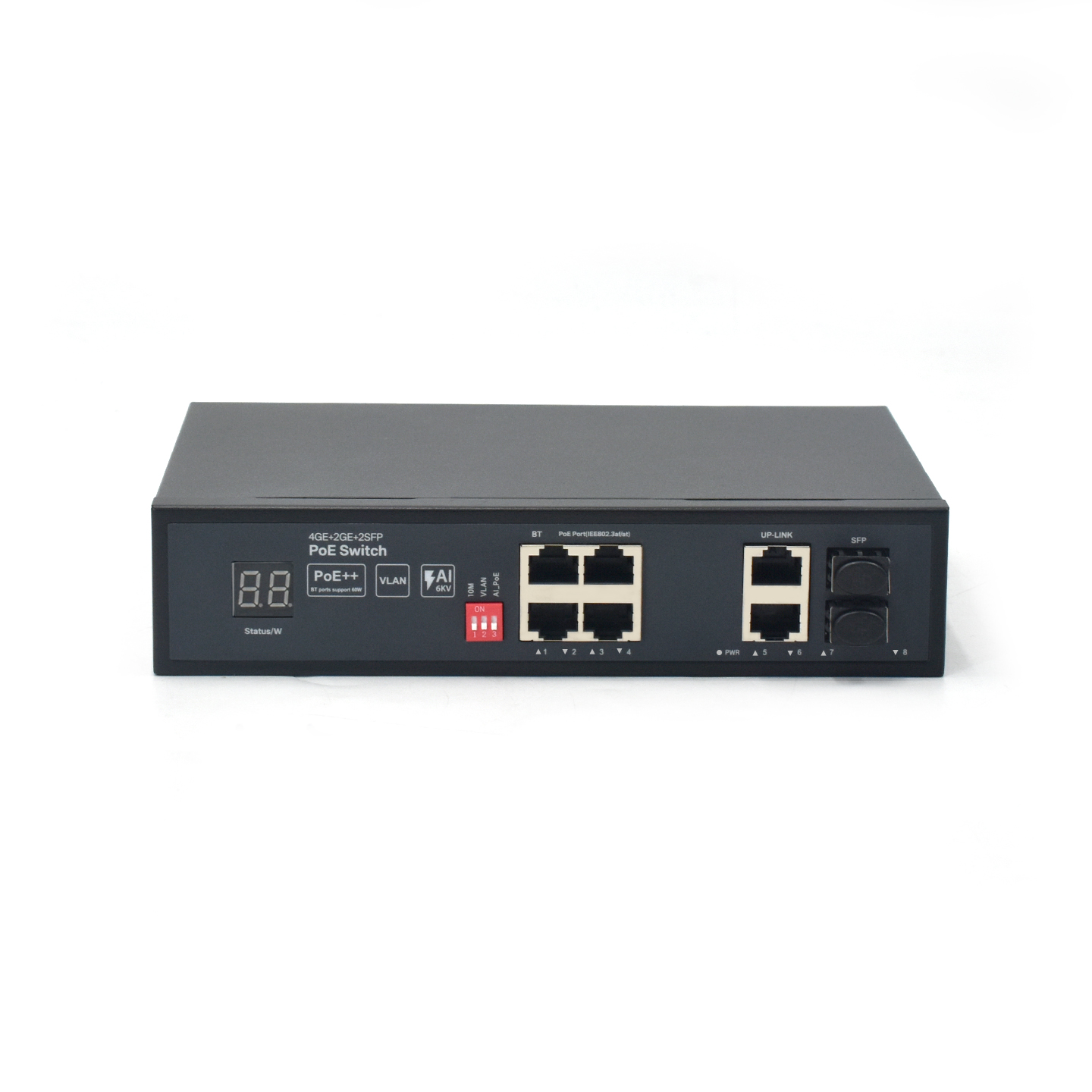
Digital Power Meter PoE Switches
4 x 10/100/1000Base-T PoE ports (Port 1: 60W, Ports 2-4: 30W each), 2 x 10/100/1000Base-T uplink RJ45 ports, 2 x 1000Base-X SFP slots
Unmanaged 4 Port PoE Gigabit Switch, 2 RJ45 Uplink + 2 SFP Slots, 60W PoE++, VLAN/Extend Mode, Desktop & Wall Mount for IP Surveillance
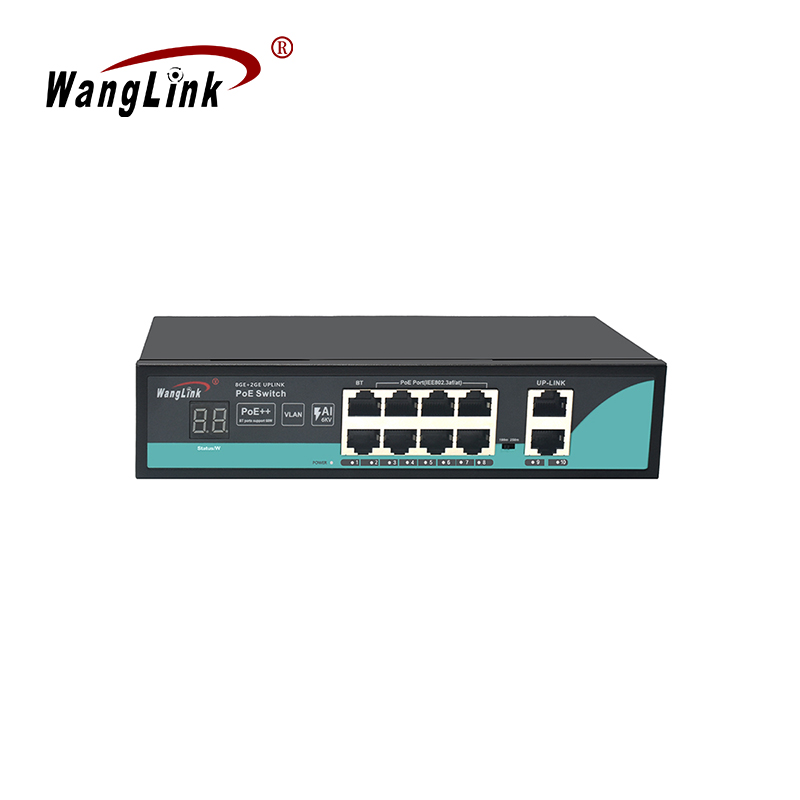
Digital Power Meter PoE Switches
8 × 10/100/1000BASE-T PoE ports (port 1: PoE++ up to 60W; ports 2-8: PoE+ up to 25.4W each) + 2 × 10/100/1000BASE-T uplink ports (ports 9-10). Total PoE budget: 120W.
Unmanaged 8 Port PoE Switch Gigabit, 2 RJ45 Uplink, 120W PoE Budget, 250m Long Distance, Metal Case for IP Camera & Small Business
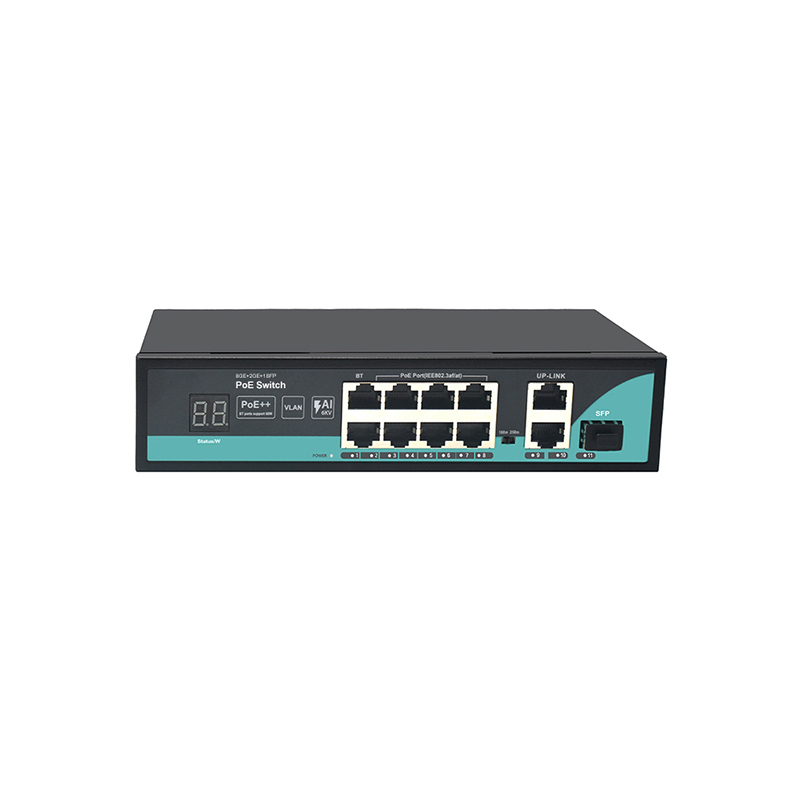
Digital Power Meter PoE Switches
8 x 10/100/1000Base-T PoE ports (ports 2-8: af/at, max 25.4W; port 1: af/at/bt, max 60W), 2 x 10/100/1000Base-T uplink RJ45 ports, 1 x 1000Base-X SFP uplink slot.
Unmanaged 8 Port PoE Switch with Fiber Uplink, Gigabit, 2 RJ45 Uplink, 1 SFP Slot, 120W Budget, Metal Desktop for Surveillance & Small Business
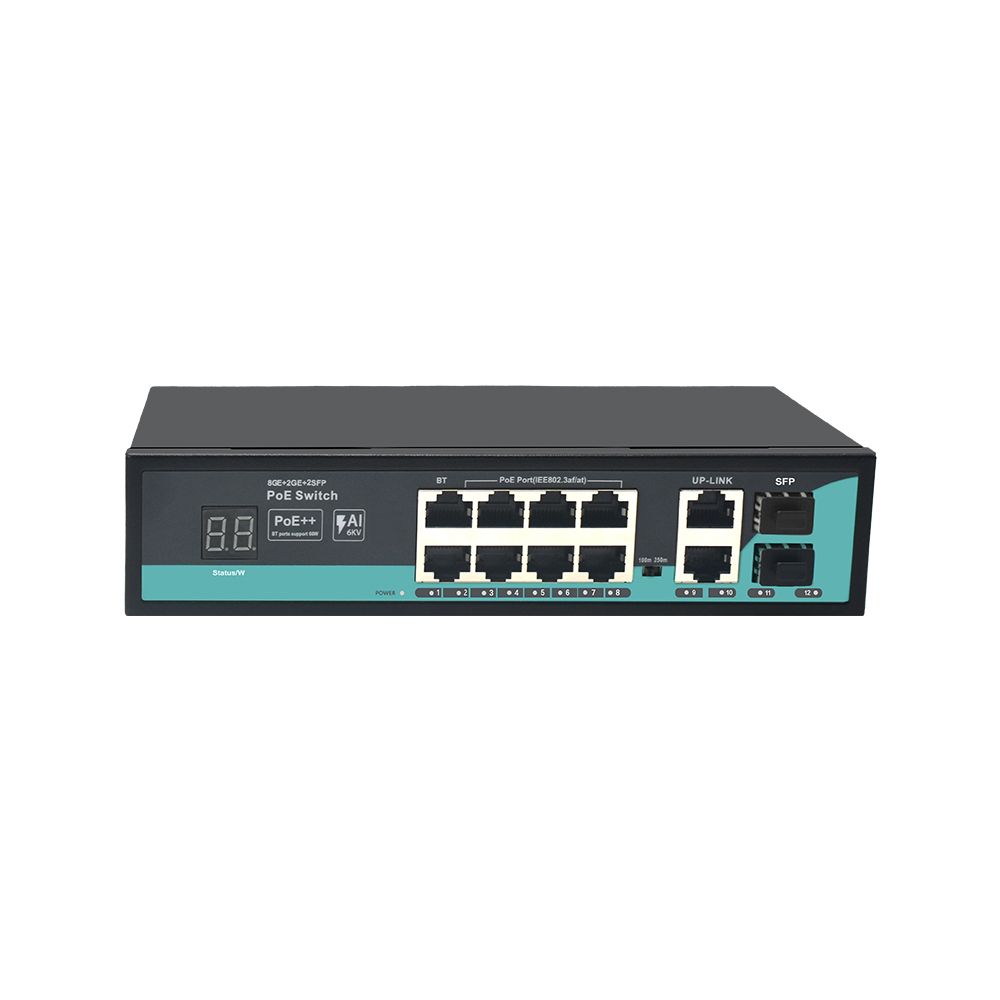
Digital Power Meter PoE Switches
8 Gigabit PoE ports (1x PoE++ 60W, 7x PoE+/PoE 25.4W), 2 Gigabit RJ45 uplink ports, 2 1000Base-X SFP slots
Unmanaged 8 Port PoE Switch with SFP, Gigabit Ethernet, 2 Uplink Ports, 120W Budget, Metal Case for Surveillance & SME
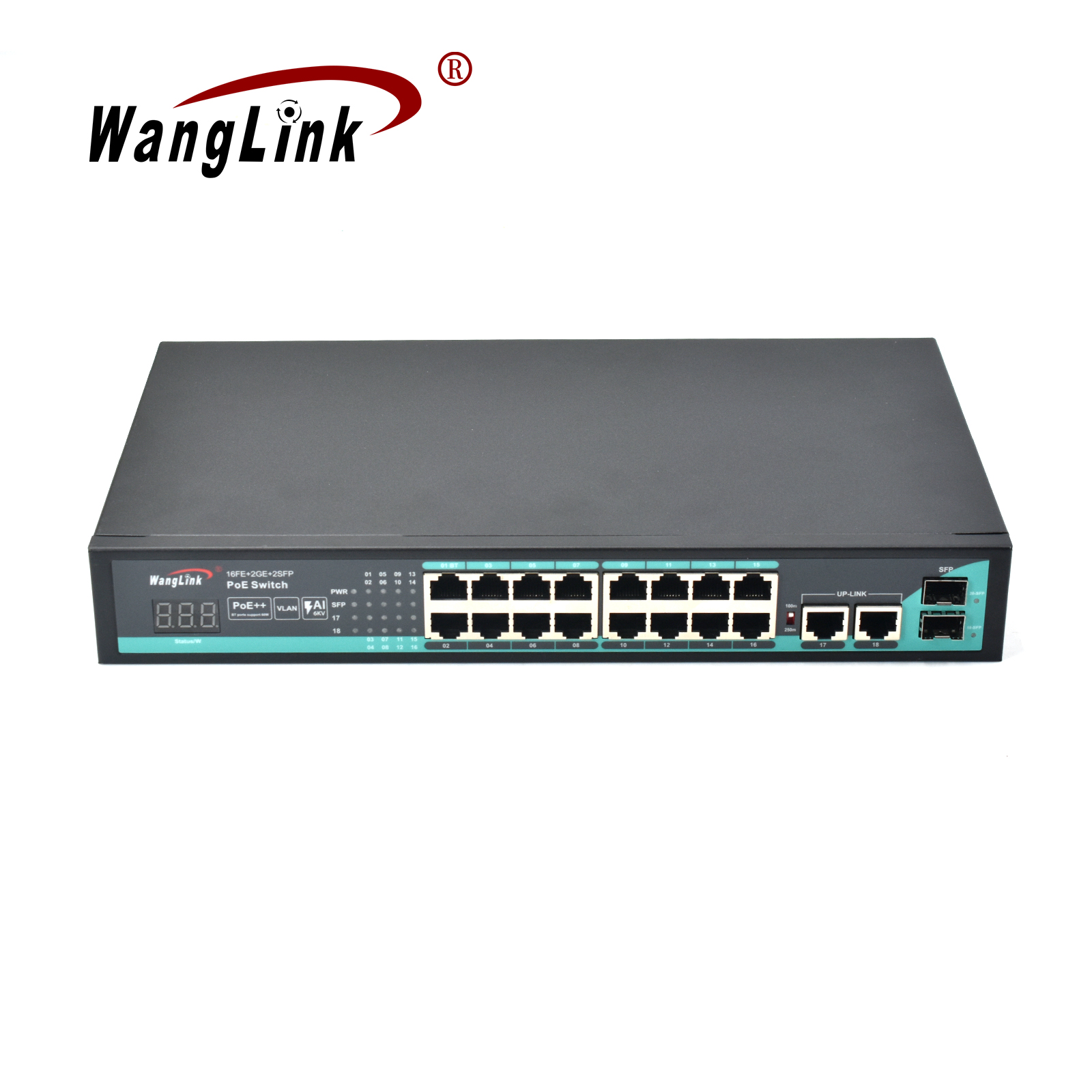
Digital Power Meter PoE Switches
16 x 10/100Base-T PoE ports (up to 60W each on port 1, 25.4W on others), 2 x 10/100/1000Base-T uplink ports, 2 x 1000Base-X SFP slots.
16 Port PoE Smart Switch, 2 SFP Slots, 2 Gigabit Uplink, VLAN & 250m Extend, Desktop/Wall Mount for Surveillance & SMB
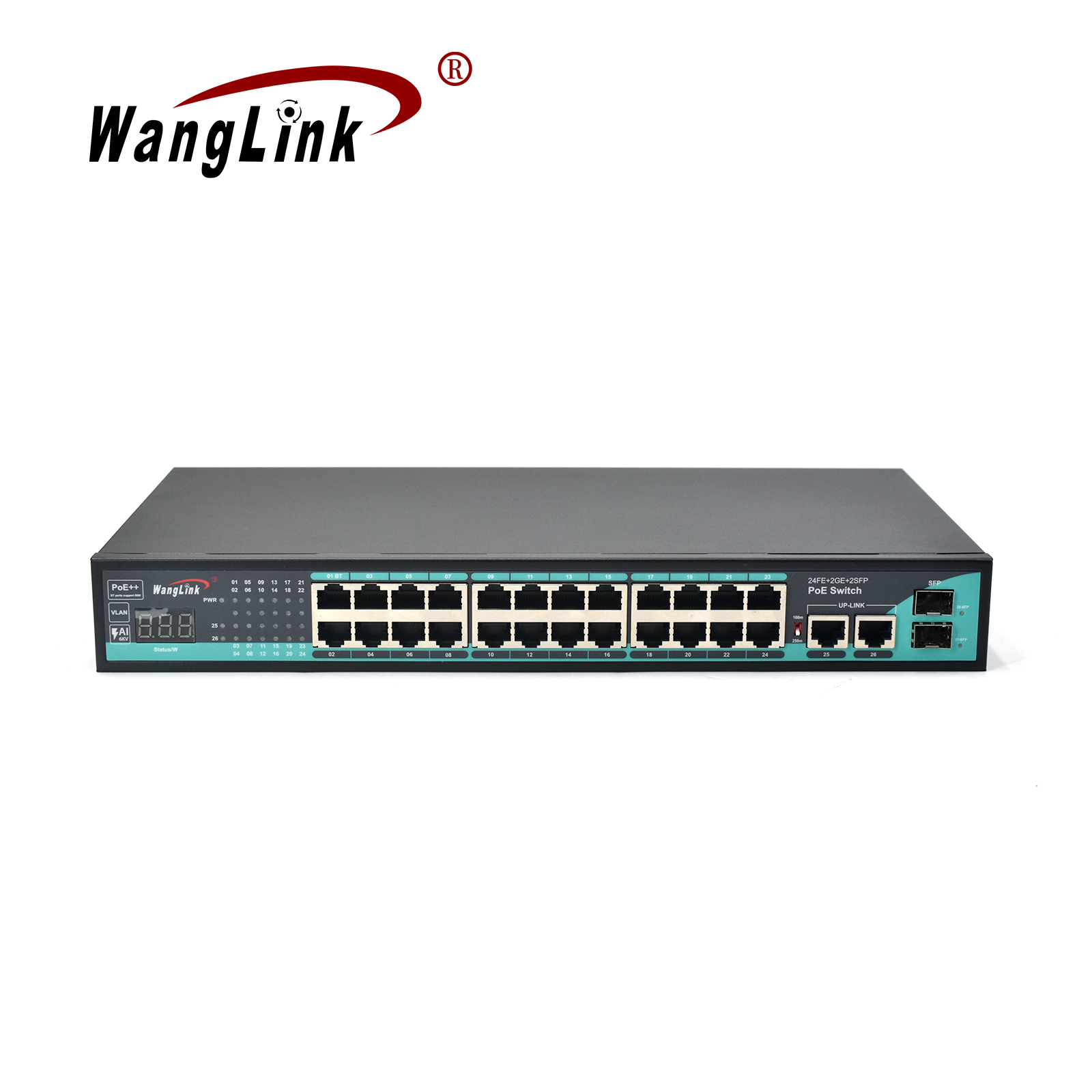
Digital Power Meter PoE Switches
24 10/100Base-T PoE ports (23 PoE+, 1 PoE++), 2 10/100/1000Base-T uplink copper ports, 2 1000Base-X SFP slots (1.25G line rate). All downstream ports support auto MDI/MDI-X and half/full duplex.
Unmanaged 24 Port Fanless PoE Switch, 2 Gigabit RJ45 Uplink + 2 SFP Slots, 250m Long Distance, Metal Desktop for Surveillance & SME Networks
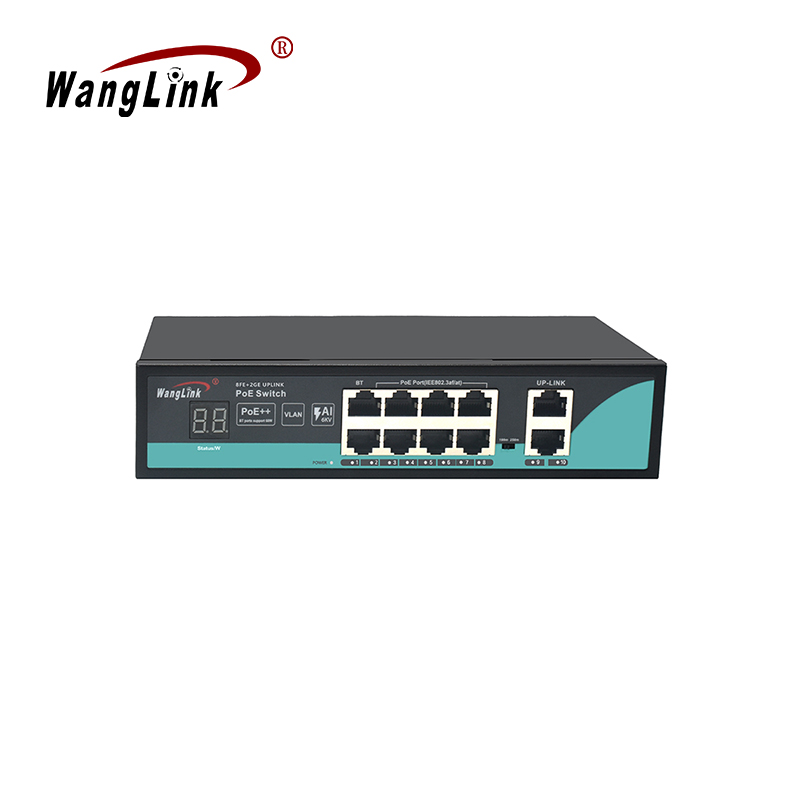
Digital Power Meter PoE Switches
8×10/100Base-TX PoE ports (Port1: PoE++ 60W, Port2-8: PoE+ 25.4W) + 2×10/100/1000Base-T copper uplink ports
Unmanaged 10 Port PoE Switch, 8 Fast Ethernet PoE Ports (1 PoE++ 60W), 2 Gigabit Uplink, 250m Extension & VLAN Isolation, Desktop/Wall-Mount for IP Camera Surveillance
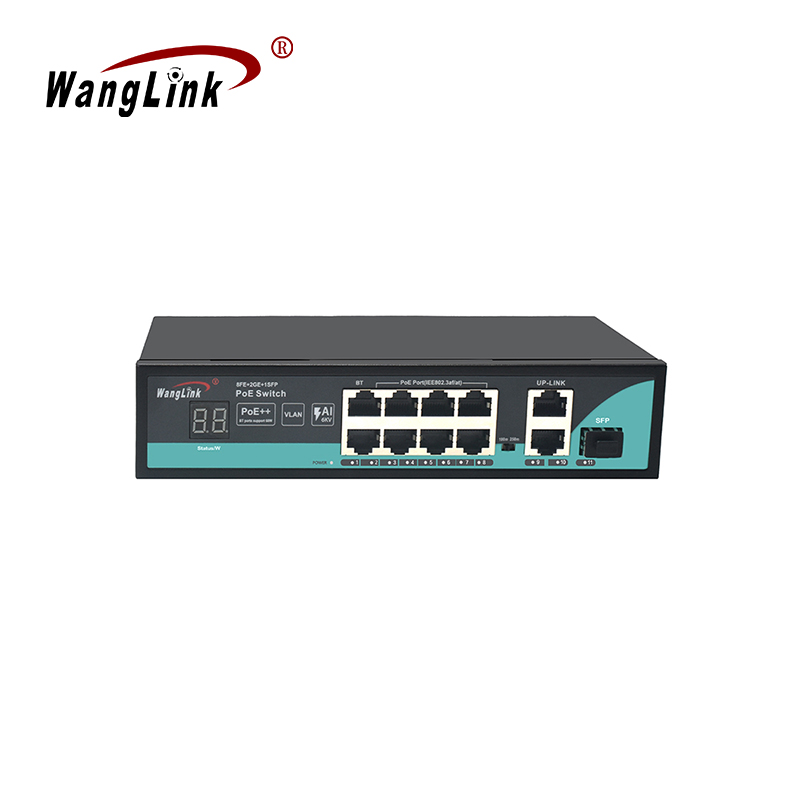
Digital Power Meter PoE Switches
8 x 10/100Base-TX PoE ports (ports 2-8: af/at, max 25.4W; port 1: af/at/bt, max 60W), 2 x 10/100/1000Base-T uplink ports, 1 x 1000Base-X SFP slot
Unmanaged 8 Port PoE Switch with Uplink, 2 Gigabit RJ45 + 1 SFP, 250m Long Distance, VLAN Isolation, Metal Desktop for IP Camera Surveillance
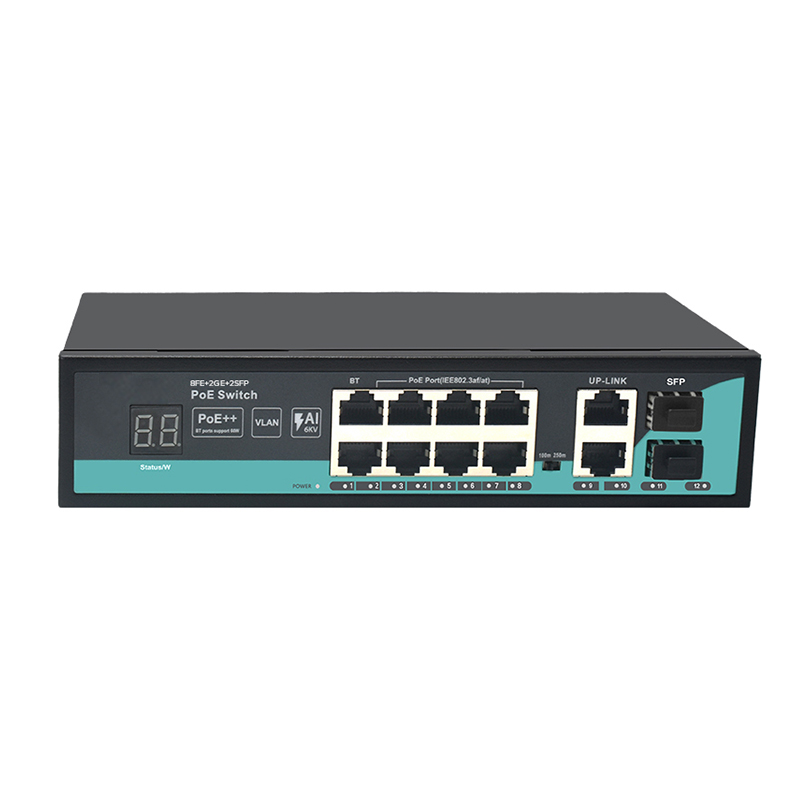
Digital Power Meter PoE Switches
8 x 10/100Base-TX PoE ports (Ports 1–8: Port 1 supports PoE++ up to 60W, Ports 2–8 support af/at up to 25.4W), 2 x 10/100/1000Base-T uplink ports (Ports 9–10), 2 x 1000Base-X SFP slots (Ports 11–12).
Unmanaged 8ch PoE Switch, 8 Ports Fast Ethernet, 2 Gigabit Uplink + 2 SFP, 250m Long Distance, VLAN, Desktop/Wall Mount for Surveillance
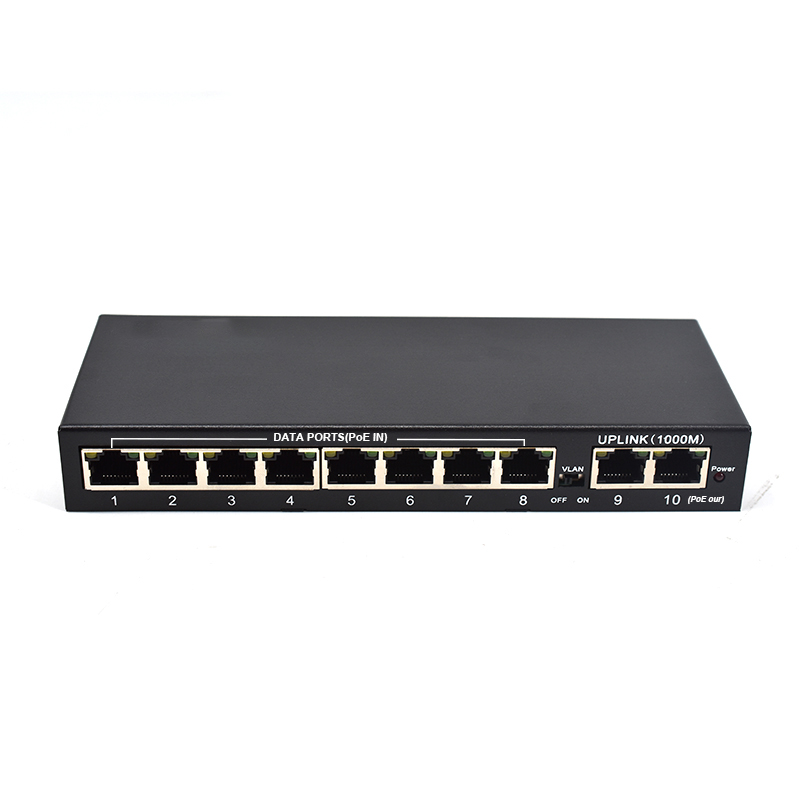
Reverse PoE Switches
8 × 10/100Base-TX PoE input ports (ports 1-8), 1 × 10/100/1000Base-T PoE input port (port 9), 1 × 10/100/1000Base-T PoE output port (port 10)
Unmanaged 8-Port Gigabit Switch, PoE Powered, 2 Gigabit Uplink, Reverse PoE, Desktop, Plug and Play
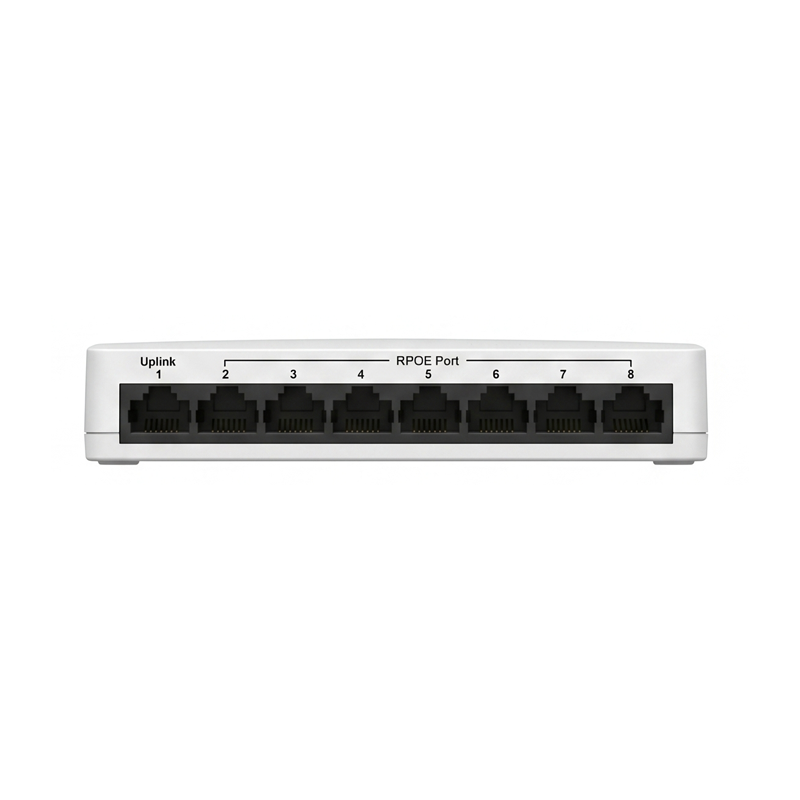
Reverse PoE Switches
7 ports 10/100Base-TX (PoE out) + 1 port 10/100/1000Base-T (PoE in). All RJ45, auto-MDI/MDI-X, half/full duplex.
Unmanaged 24V PoE Powered Switch, 7-Port Fast Ethernet + 1 Gigabit Uplink, Reverse PoE, Desktop/Wall-Mount for IP Cameras and Remote Sites
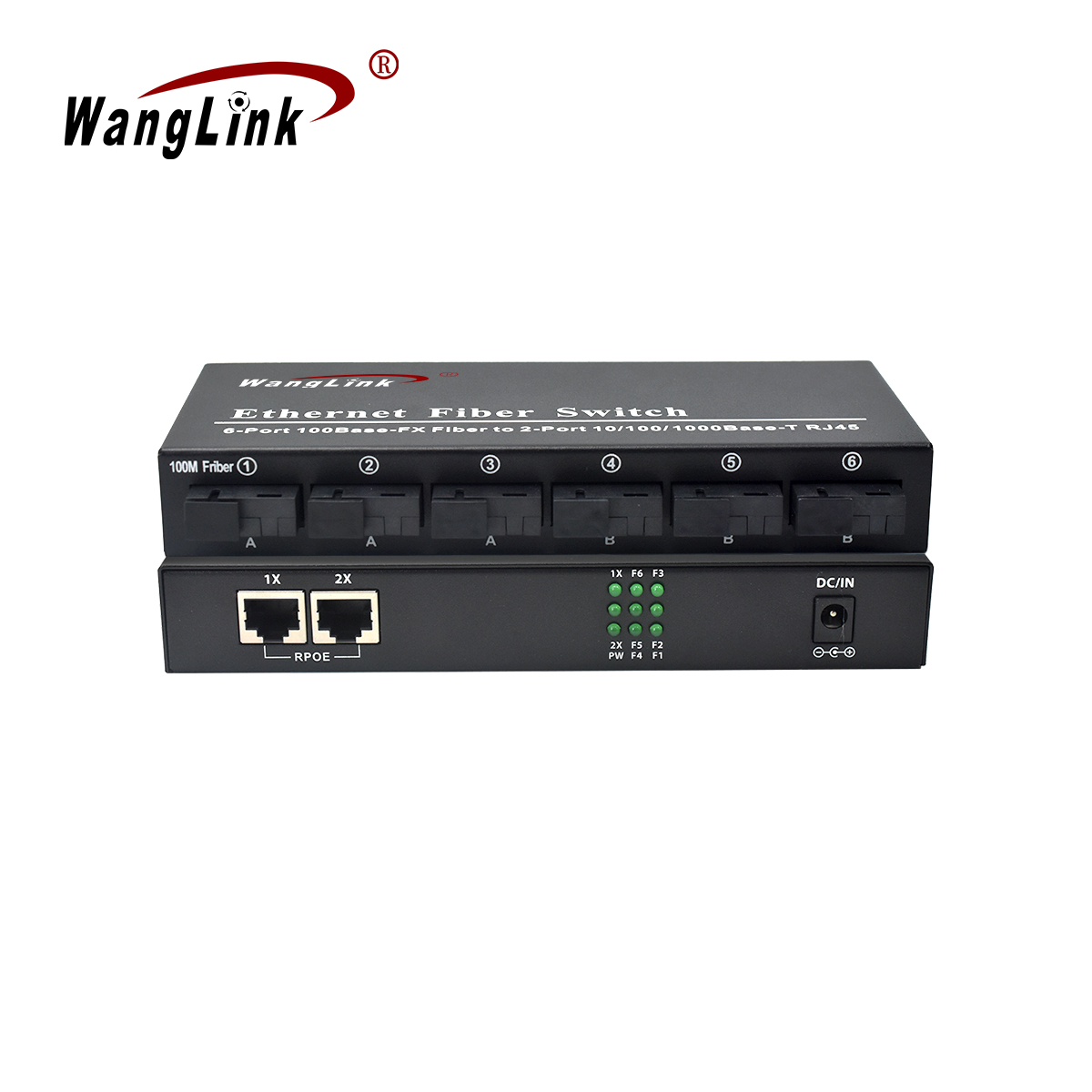
Reverse PoE Switches
2 x 10/100/1000Mbps RJ45 (PoE input) + 6 x 10/100Base-SX/LX fiber ports (SC/FC/ST, 155Mbps, multi/single-mode up to 100km)
Unmanaged PoE Powered Switch 2 Port Gigabit Uplink, 6 Fast Ethernet Fiber Ports, Reverse PoE, Metal Housing for Remote Sites
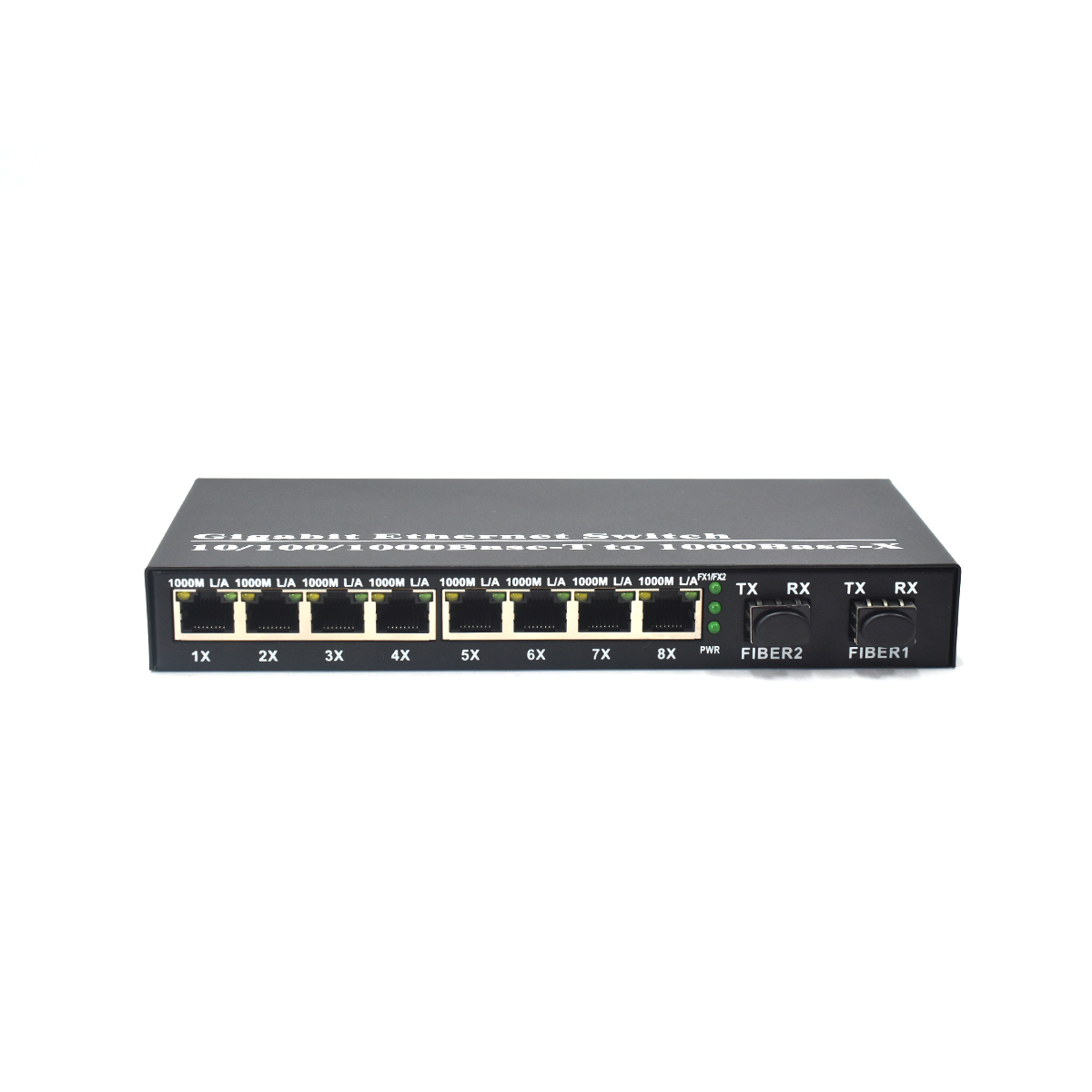
Reverse PoE Switches
8x 10/100/1000Base-T RJ45 (ports 1‑7 PoE input, port 8 PoE output) + 2x 1.25G SC fiber uplink ports + 1 DC jack (12V/1A).
Unmanaged PoE Powered 8 Port Network Switch, 2 SC Fiber Ports, Gigabit, Desktop for Industrial and Commercial Environments
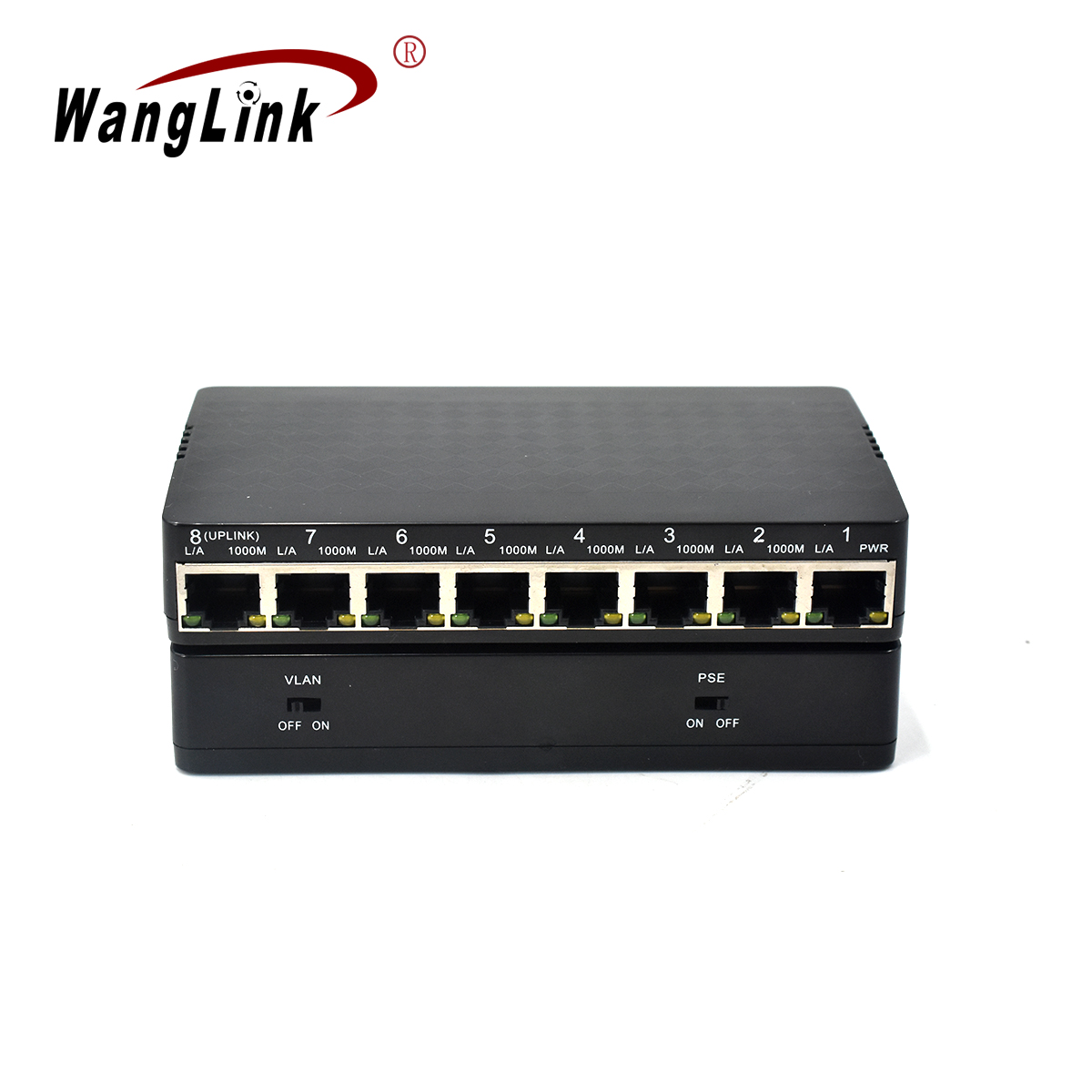
Reverse PoE Switches
8x 10/100/1000Base-T RJ45 ports; Ports 1-7 support PoE input (4/5+,7/8-); Port 8 supports PoE output (4/5+,7/8-); All ports auto-negotiate half/full duplex and MDI/MDI-X.
Unmanaged PoE Powered Switch with PoE Out, 8-Port Gigabit, Reverse PoE, Desktop & Wall Mount for ONU and Access Switch
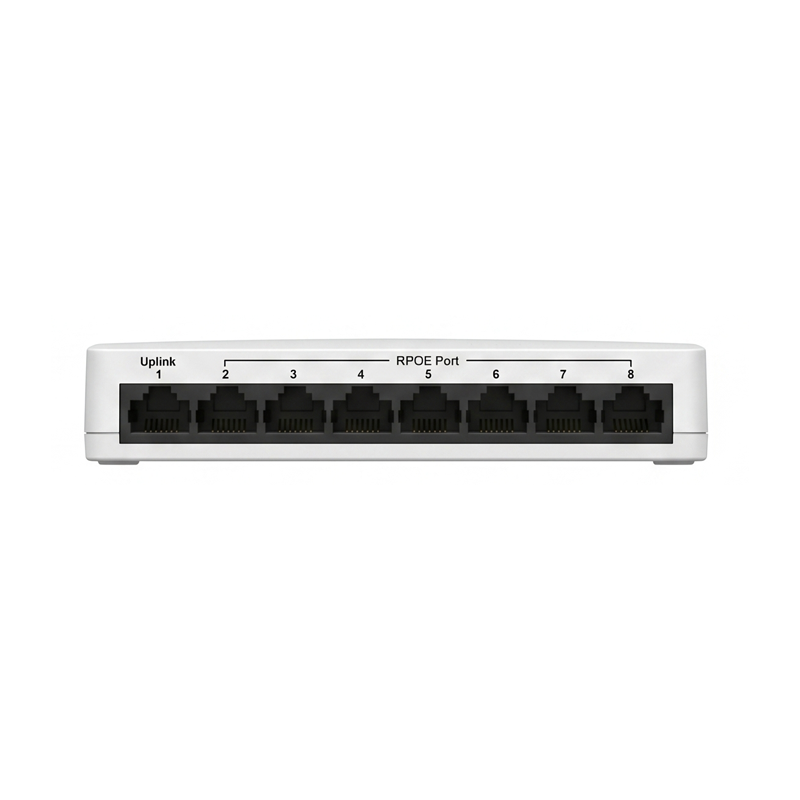
Reverse PoE Switches
8× 10/100/1000Base-T RJ45 ports; Ports 2–8 support PoE input (idle pairs 4/5+, 7/8-); Port 1 provides PoE output (idle pairs 4/5+, 7/8-).
Unmanaged 8-Port PoE Powered Switch, Gigabit, Reverse PoE, Desktop/Wall-Mount for Remote Power Delivery
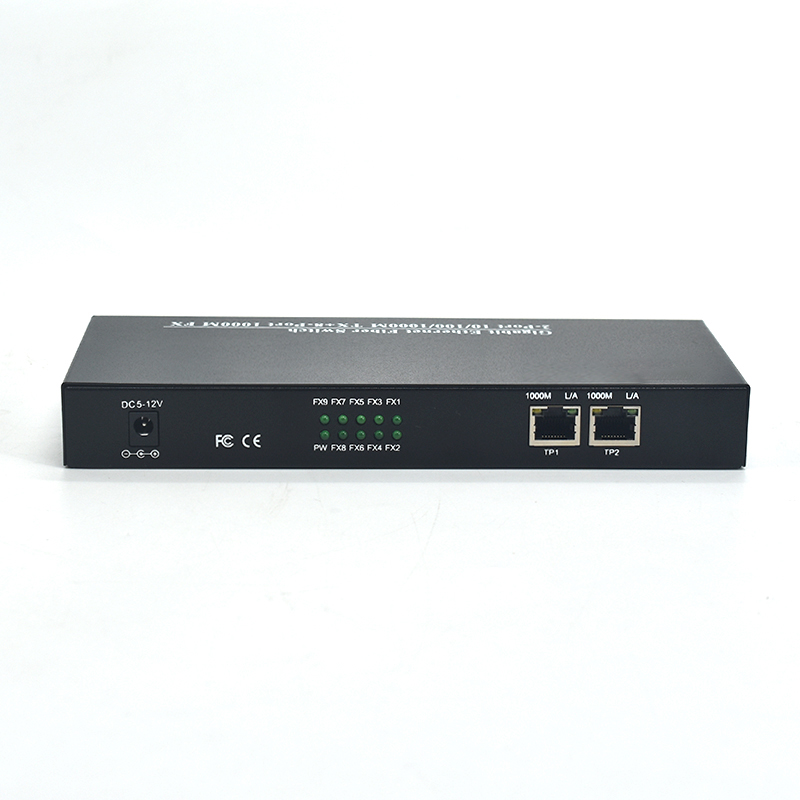
Reverse PoE Switches
2 x 10/100/1000Base-T RJ45 ports with PoE input (12-24V), 8 x 1000Base-X SC fiber ports
Unmanaged Gigabit 2 Port PoE Powered Switch, 8 SC Fiber Ports, Plug and Play, Metal Housing for Remote Network Extension
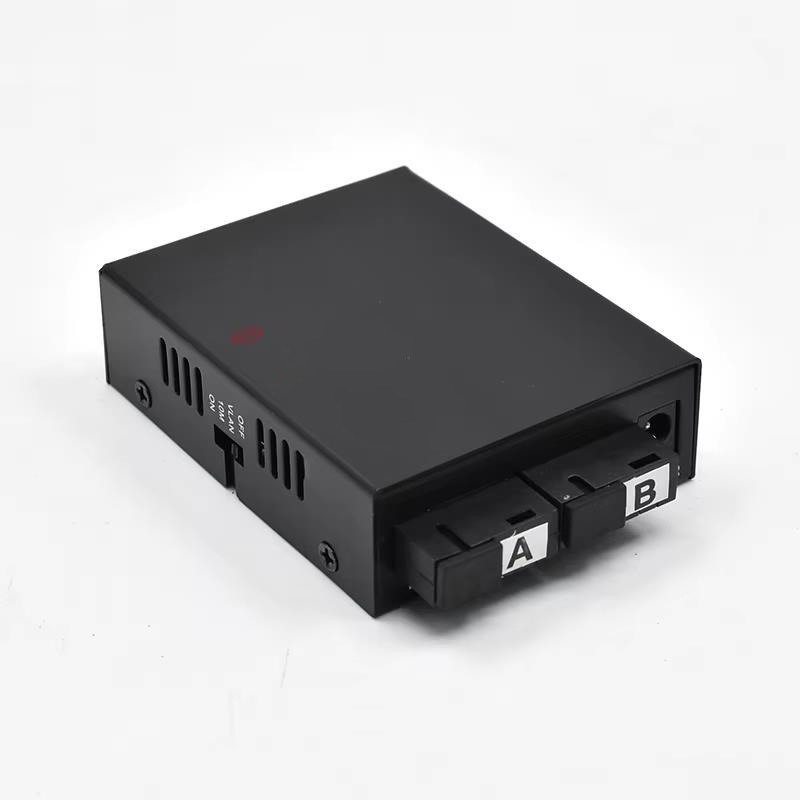
Reverse PoE Switches
4 x RJ45 10/100/1000M (ports 1-3 support PoE input 9-52V, port 4 supports PoE output 9-52V) + 2 x SC 1.25G fiber ports
Unmanaged PoE Powered Switch 4 Port Gigabit with 2 SC Fiber Ports, Reverse PoE Input/Output, for Remote Power Extension
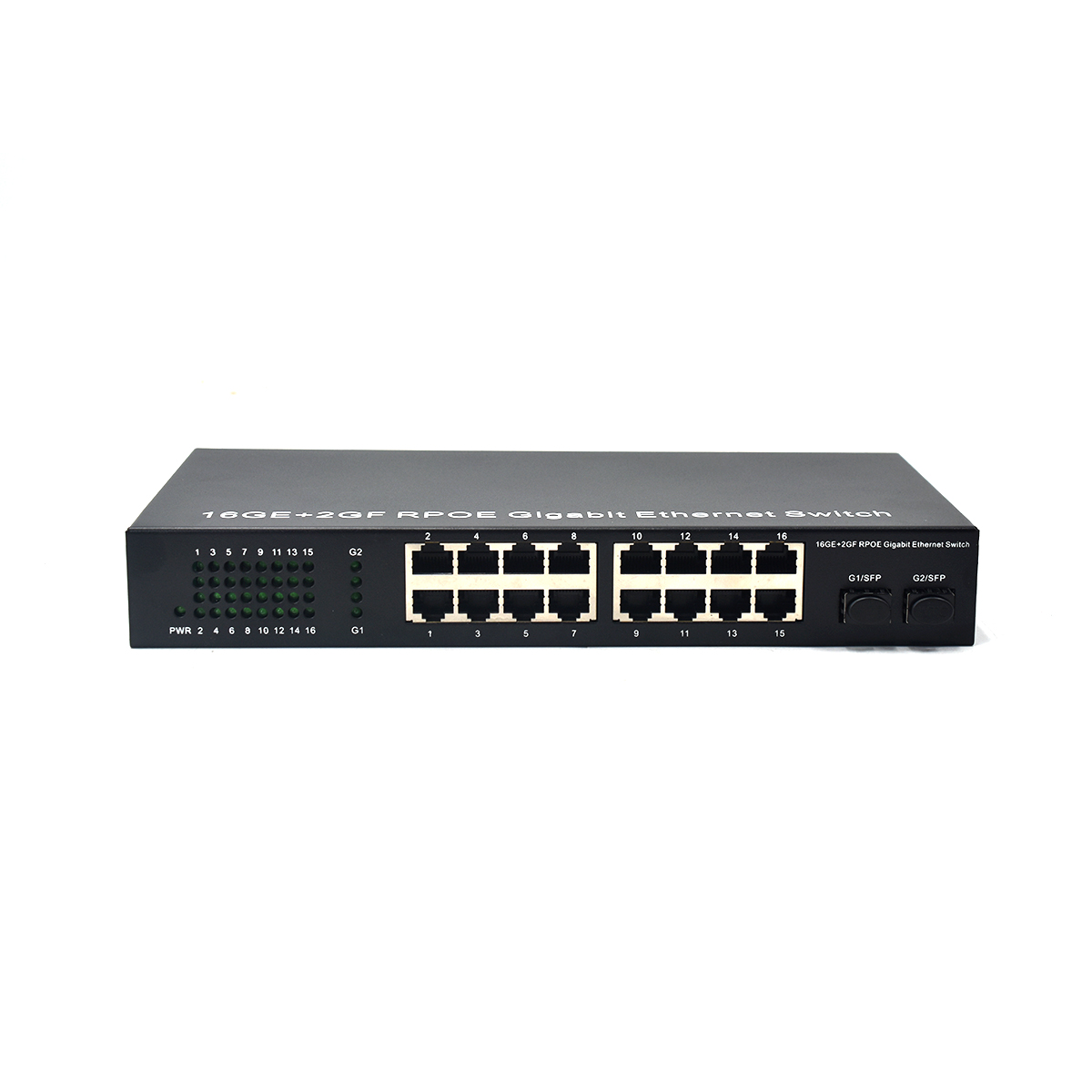
Reverse PoE Switches
16 Gigabit ports (ports 1-15: PoE input; port 16: PoE output), 2 SFP fiber slots (1.25G), 1 DC 12V output jack
Unmanaged PoE Powered Network Switch, 16 Gigabit Ports with 2 SFP Fiber Uplinks, Desktop Metal Case for Remote Power Input
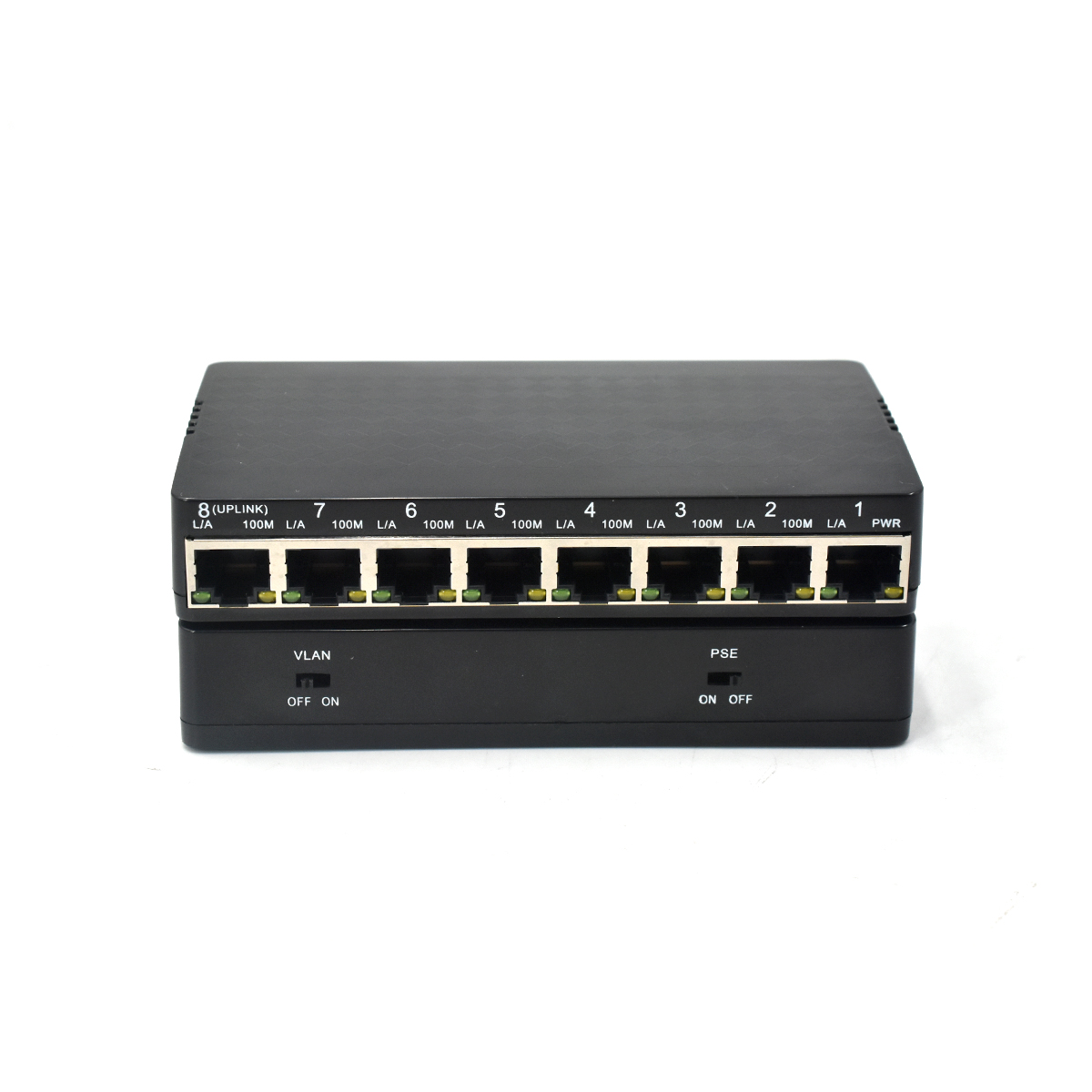
Reverse PoE Switches
8x 10/100Base-TX RJ45 ports: Ports 1-7 support PoE input (receive power over idle pairs 4/5+, 7/8-); Port 8 supports PoE output (delivers power over idle pairs 4/5+, 7/8-).
Unmanaged 8-Port Reverse PoE Switch, 7 PoE Input + 1 PoE Output, Fast Ethernet 10/100Mbps, Desktop/Wall-Mount for Remote Power Supply
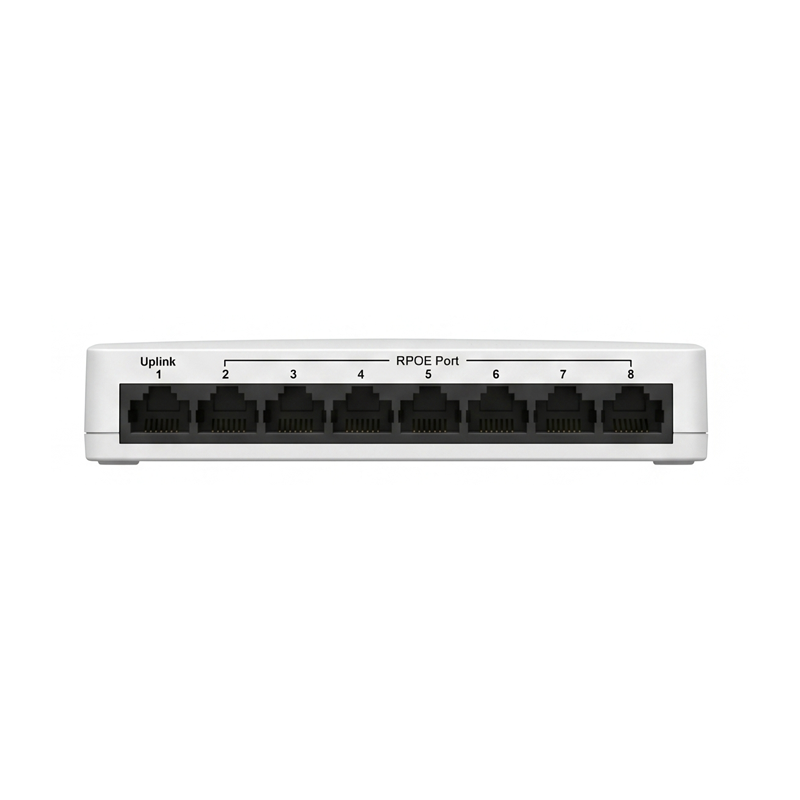
Reverse PoE Switches
Ports 1-7: PoE input (24-48V passive); Port 8: PoE output. All ports 10/100Mbps RJ45. Pin assignment: 4/5+ 7/8-.
Unmanaged PoE Powered Switch with PoE Passthrough, 8-Port Fast Ethernet, Reverse PoE, Desktop Metal for IP Camera & Network Extension
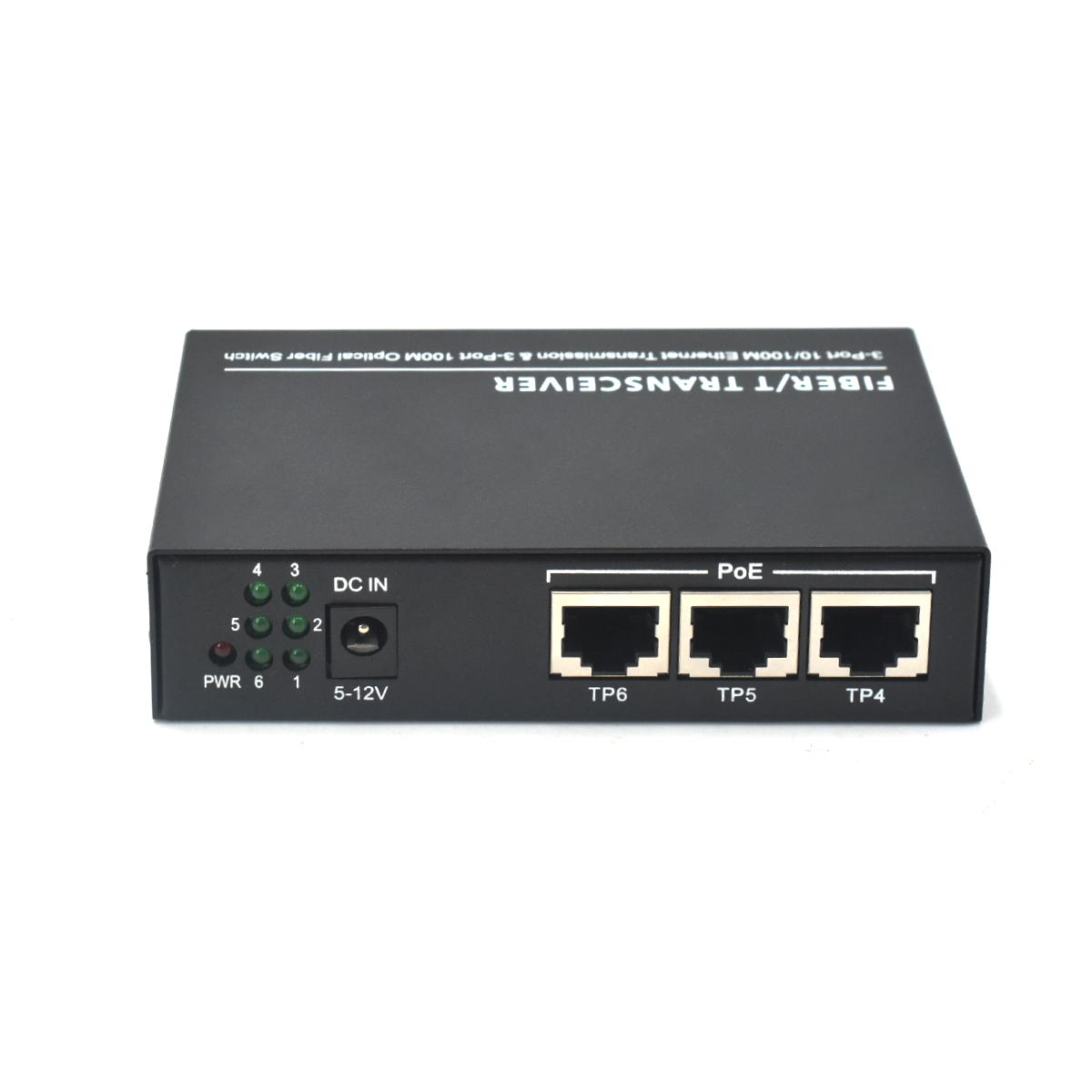
Reverse PoE Switches
3 x 10/100Mbps RJ45 PoE ports (reverse PoE via idle pairs), 3 x 155Mbps fiber ports (SC/FC/ST/SFP slot)
Unmanaged 3 Port PoE Powered Switch, Fast Ethernet, 3 Fiber Uplink SFP, Reverse PoE, Wall Mount for Industrial & Commercial Use
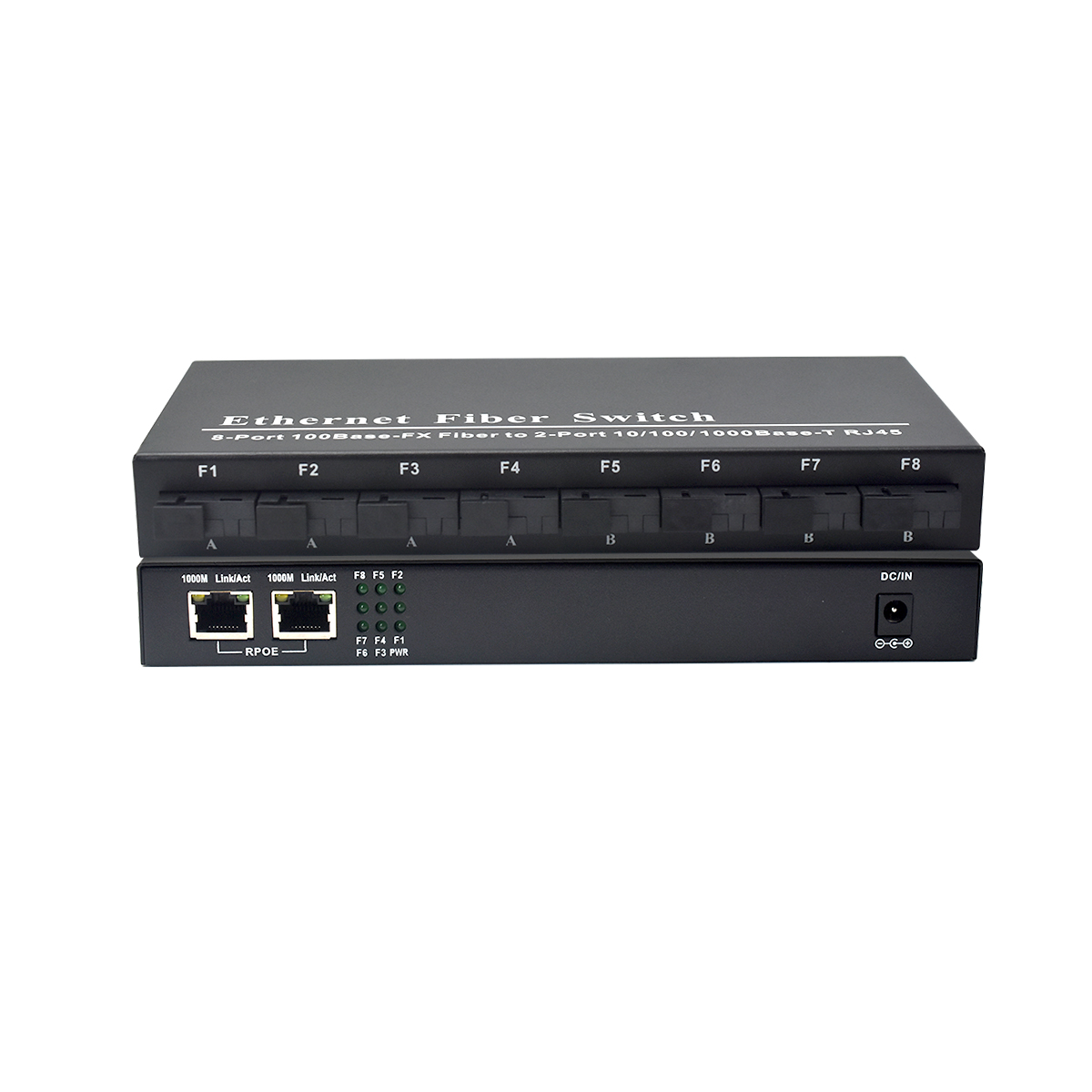
Reverse PoE Switches
8 optical ports (100Base-SX/LX, SC/FC/ST) plus 2 RJ45 10/100/1000Mbps ports with PoE input. Fiber extends up to 100 km; copper up to 100 m.
Unmanaged 2 Port PoE Powered Switch, 8 Fiber SC/ST/FC Ports, 155Mbps, 2 Gigabit RJ45 Uplink, Desktop Wall Mount for Remote Access
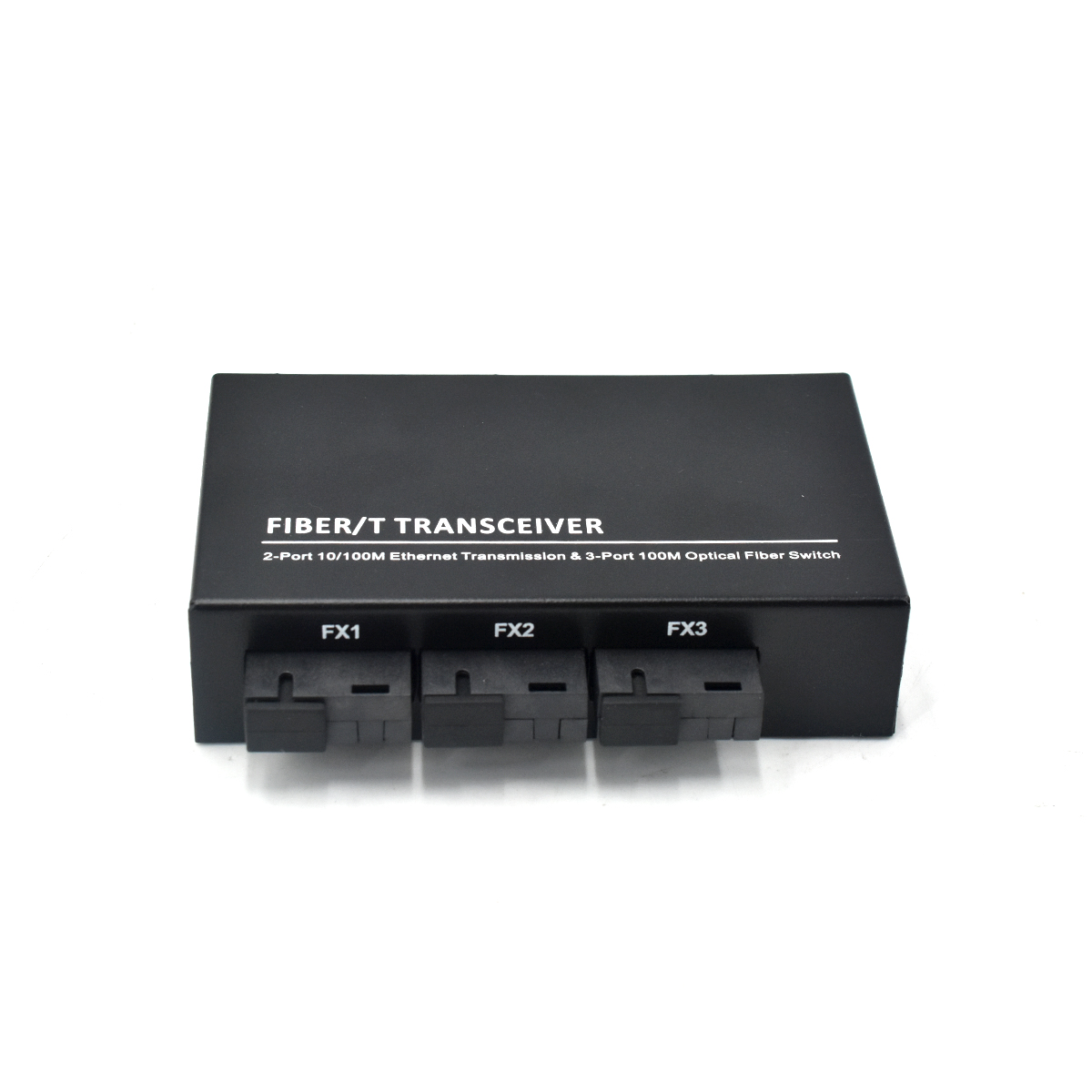
Reverse PoE Switches
3 fiber SC/FC/ST/SFP slots at 155Mbps; 2 RJ45 10/100Mbps Ethernet ports with PoE output (idle pairs 4/5+,7/8-); 1 DC output socket 12V/1A
Mini Switch PoE Powered, Unmanaged 5-Port with 3 Fiber 155Mbps & 2 PoE Ethernet, Desktop/Wall Mount for Commercial & Industrial Use
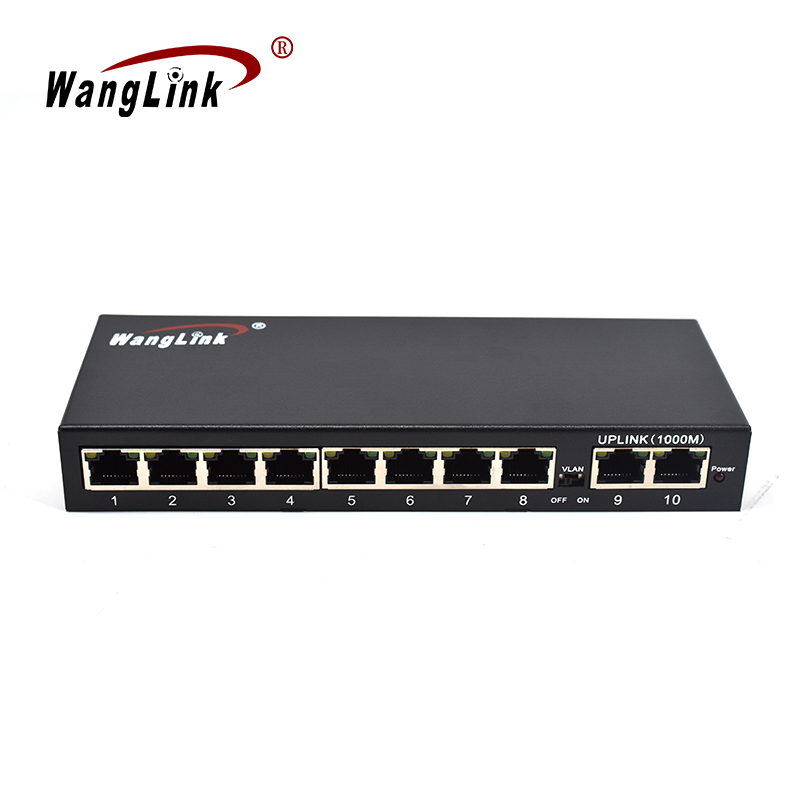
Passive PoE Switches
8 10/100Base-TX PoE ports (passive, 12/24V), 2 10/100/1000Base-T uplink ports
8 Port Passive PoE Switch, Unmanaged Fast Ethernet, 2 Gigabit Uplink Ports, 250m Long Range, Desktop for Surveillance
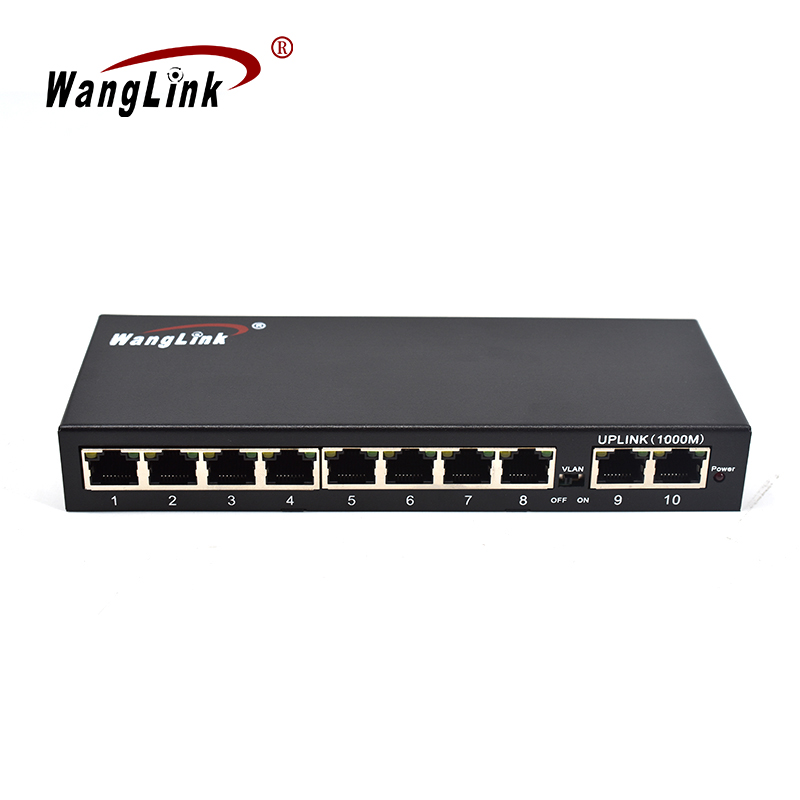
Passive PoE Switches
8 x 10/100/1000Base-T PoE downlink ports (passive PoE, 12/24V selectable, max 1A per port) + 2 x 10/100/1000Base-T uplink copper ports
Unmanaged 8 Port Gigabit Switch PoE, 2 RJ45 Uplink, Non-Standard 12/24V Passive PoE, 250m Long Range, VLAN Isolation, Desktop Metal for IP Camera & Surveillance
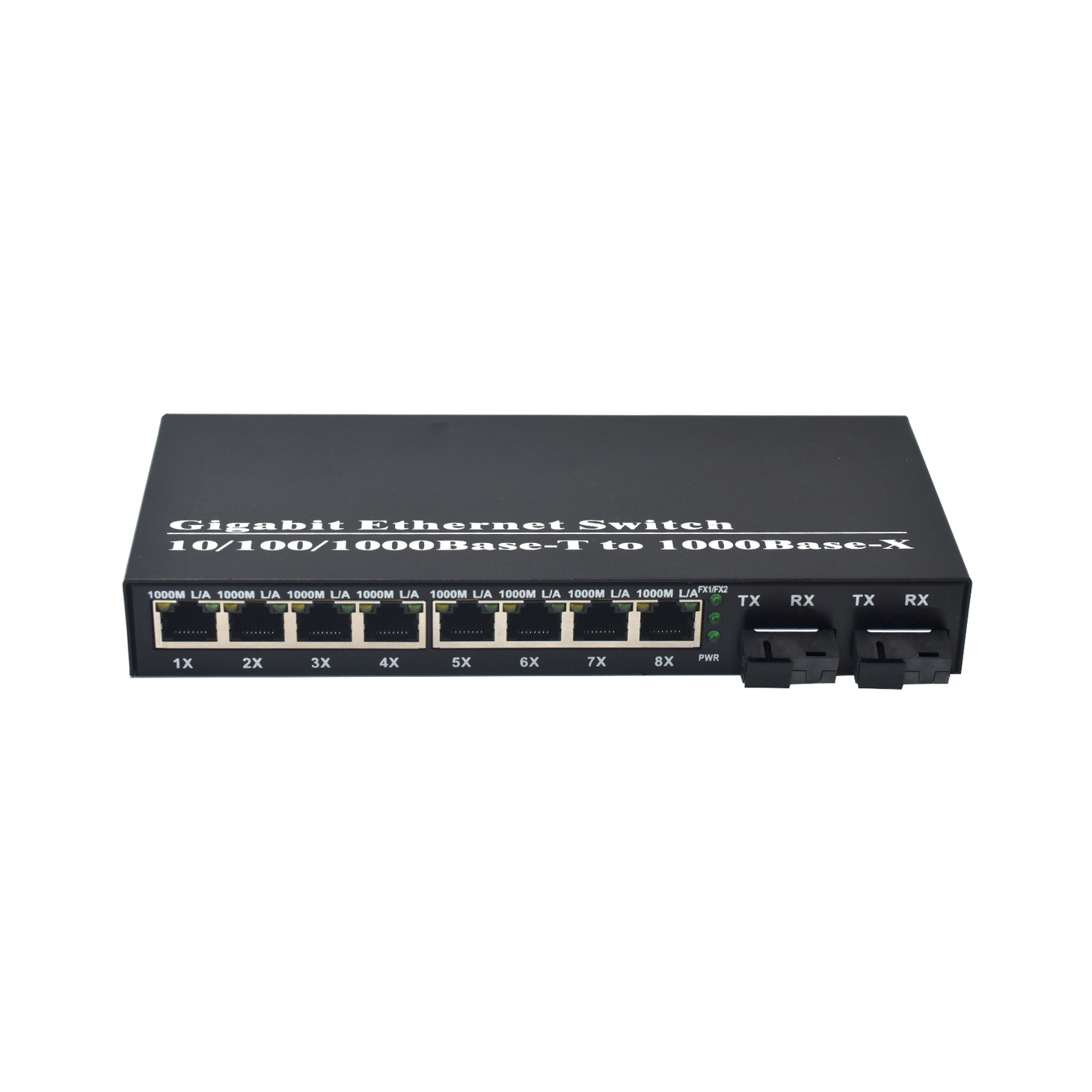
Passive PoE Switches
8 x RJ45 10/100/1000Mbps PoE ports (auto-negotiation), 2 x SFP slots for 1.25Gbps fiber connection (SC/LC multi/single-mode).
Unmanaged 8 Port Gigabit PoE Switch, 2 SFP Slots, 12-48VDC Wide Input, Desktop/Wall Mount for IP Camera & ONU
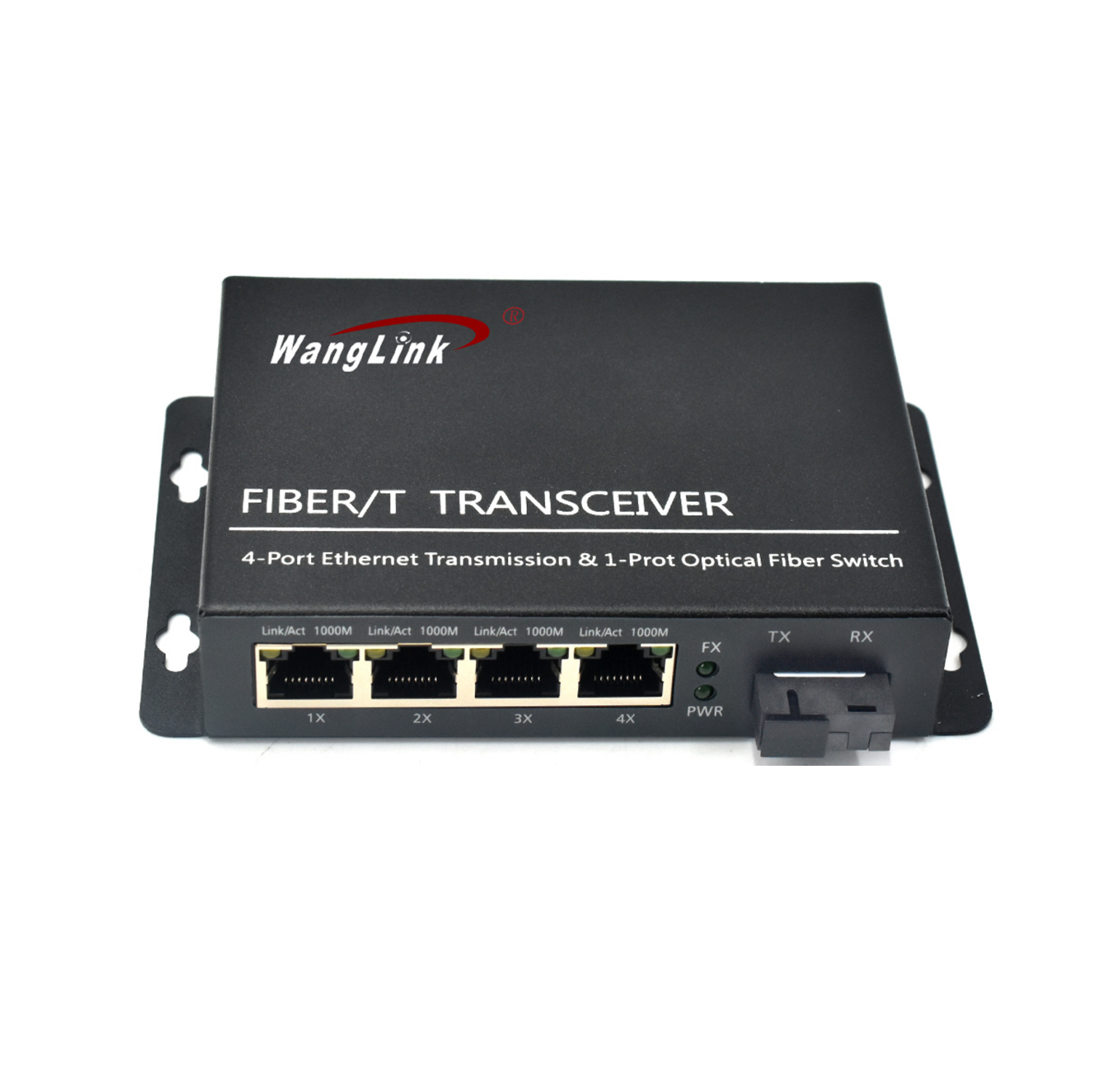
Passive PoE Switches
4 × 10/100/1000Base‑T PoE ports (pins 4/5+ and 7/8‑ for power) and 1 × 1000Base‑SX/LX SFP fiber uplink port.
4 Port Unmanaged PoE Switch, Gigabit, 1 SFP Uplink, Desktop/Wall Mount for IP Cameras and ONU
Passive PoE Switches
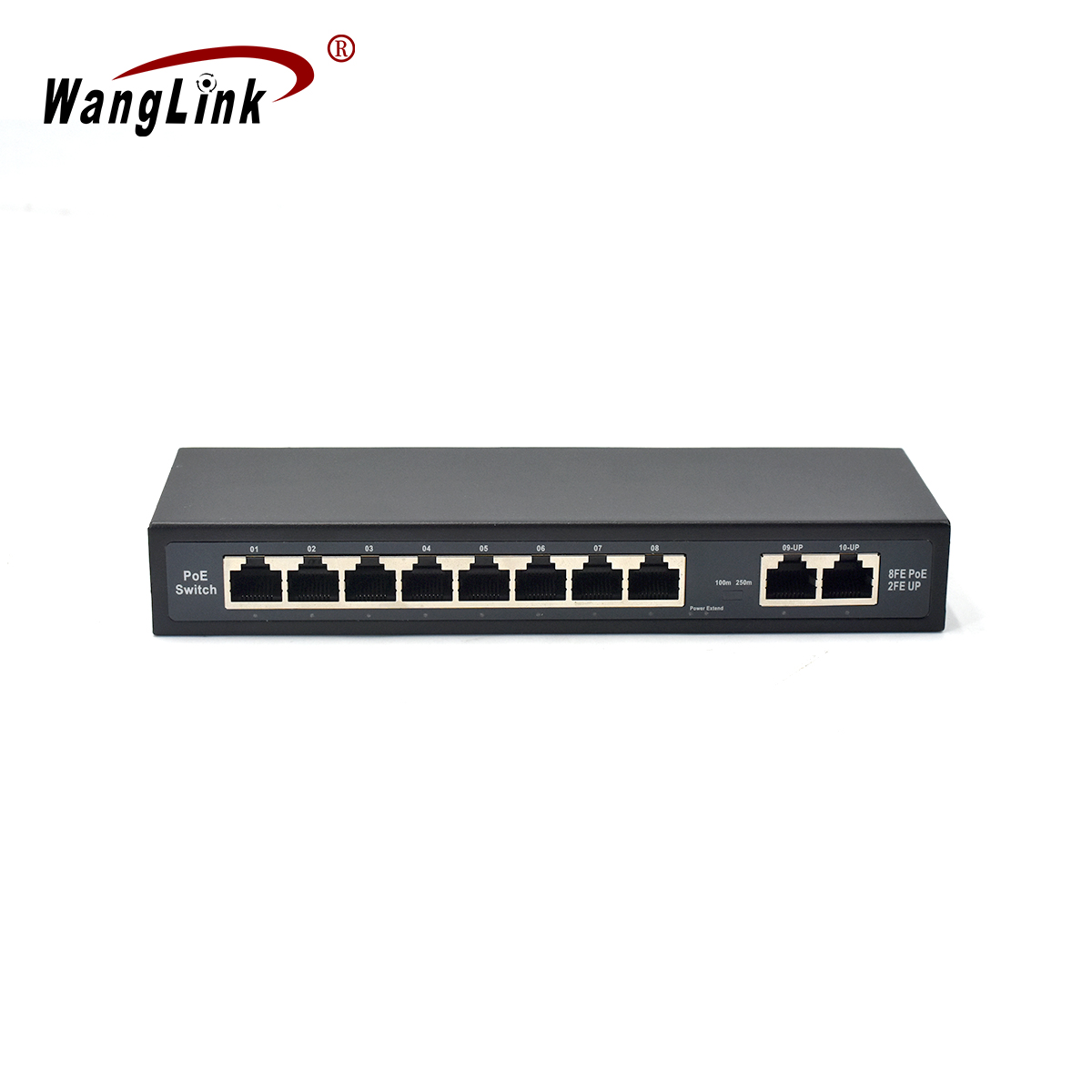
8 10/100Base-TX PoE ports (ports 1-8) + 2 10/100Base-TX uplink ports (ports 9-10), all RJ45 with auto-negotiation and MDI/MDI-X.
Unmanaged 24V Passive PoE Switch 10 Ports Fast Ethernet, 8 PoE + 2 Uplink, Metal Housing, Desktop & Wall Mount for Small Business IP Surveillance & Office Network
Passive PoE Switches
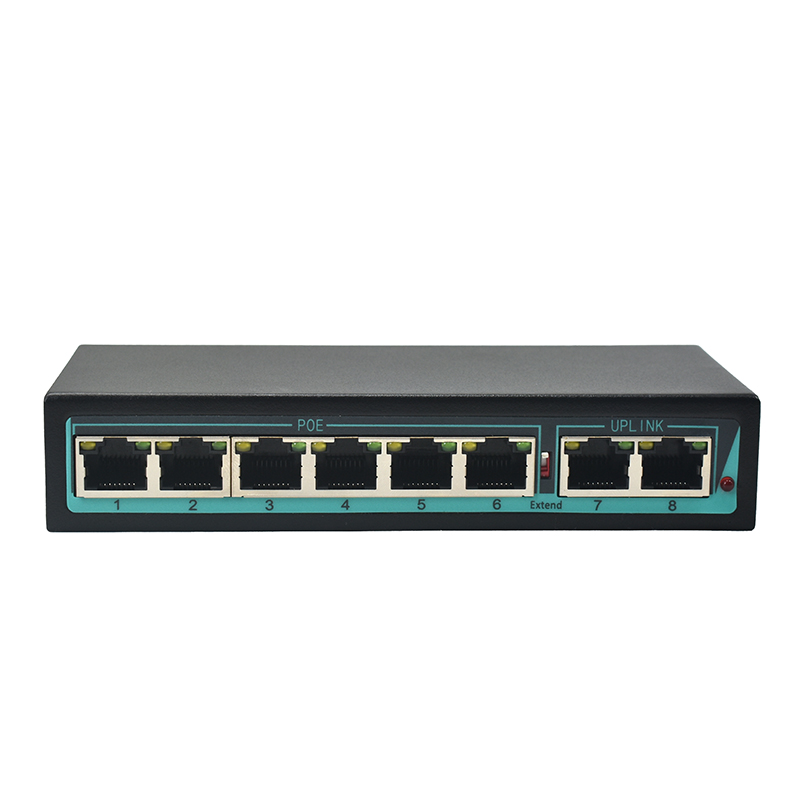
6 x 10/100Base-TX PoE ports (1-6) + 2 x 10/100Base-TX uplink ports (7-8); all RJ45, auto MDI/MDI-X
Unmanaged 24 Volt PoE Switch, 6 Ports Fast Ethernet, 2 RJ45 Uplink, VLAN & 250m Extension Mode, Metal Desktop for IP Camera Surveillance
Passive PoE Switches
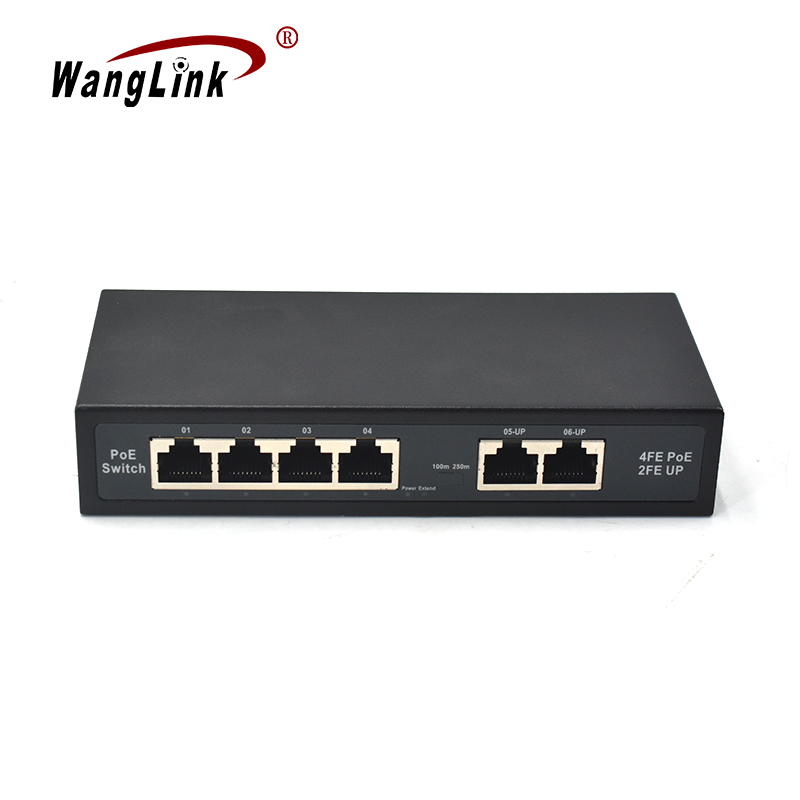
4 x 10/100Base-TX PoE ports (45+/78-) with up to 0.75A per port + 2 x 10/100Base-TX uplink ports, total 6 RJ45 auto-negotiating ports.
Unmanaged 24 Volt Passive PoE Switch, 4 Ports Fast Ethernet, 2 Uplink RJ45, Desktop for IP Cameras and VoIP
Unmanaged PoE Switches
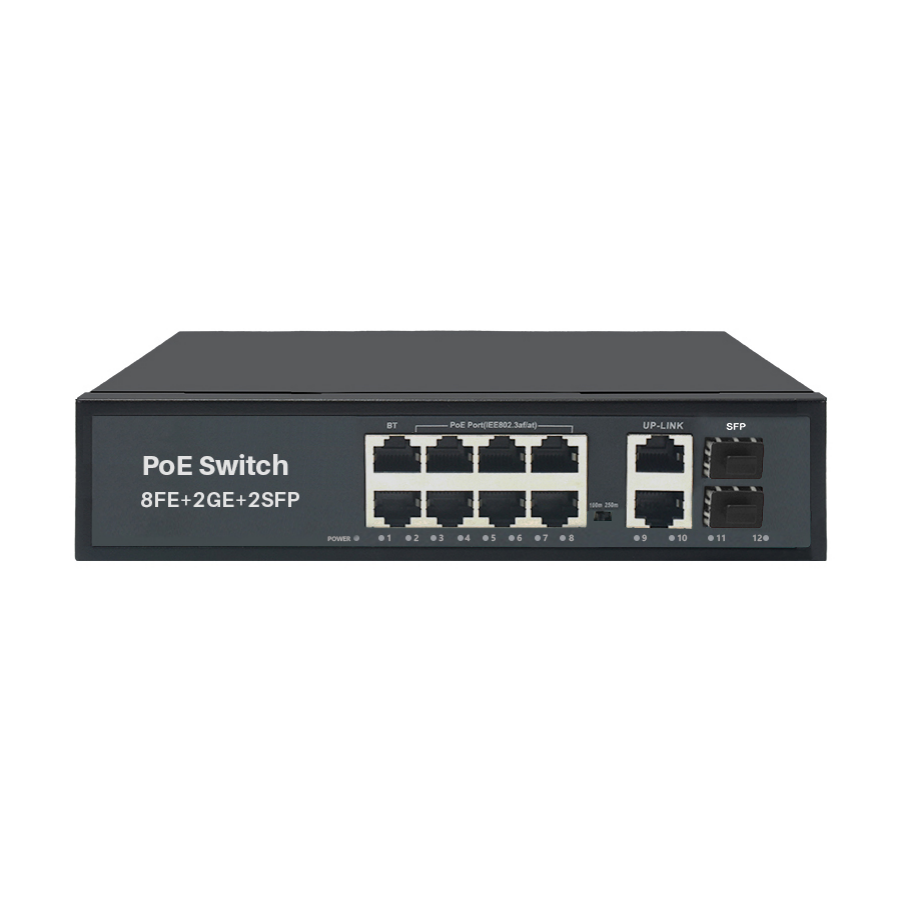
8 x 10/100Base-TX PoE ports (port1 max 60W, ports 2-8 max 30W each), 2 x 10/100/1000Base-T uplink ports, 2 x 1000Base-X SFP slots
Unmanaged 8 Port PoE Switch SFP, 2 Gigabit Uplink, 120W, VLAN & 250m Extension for Surveillance
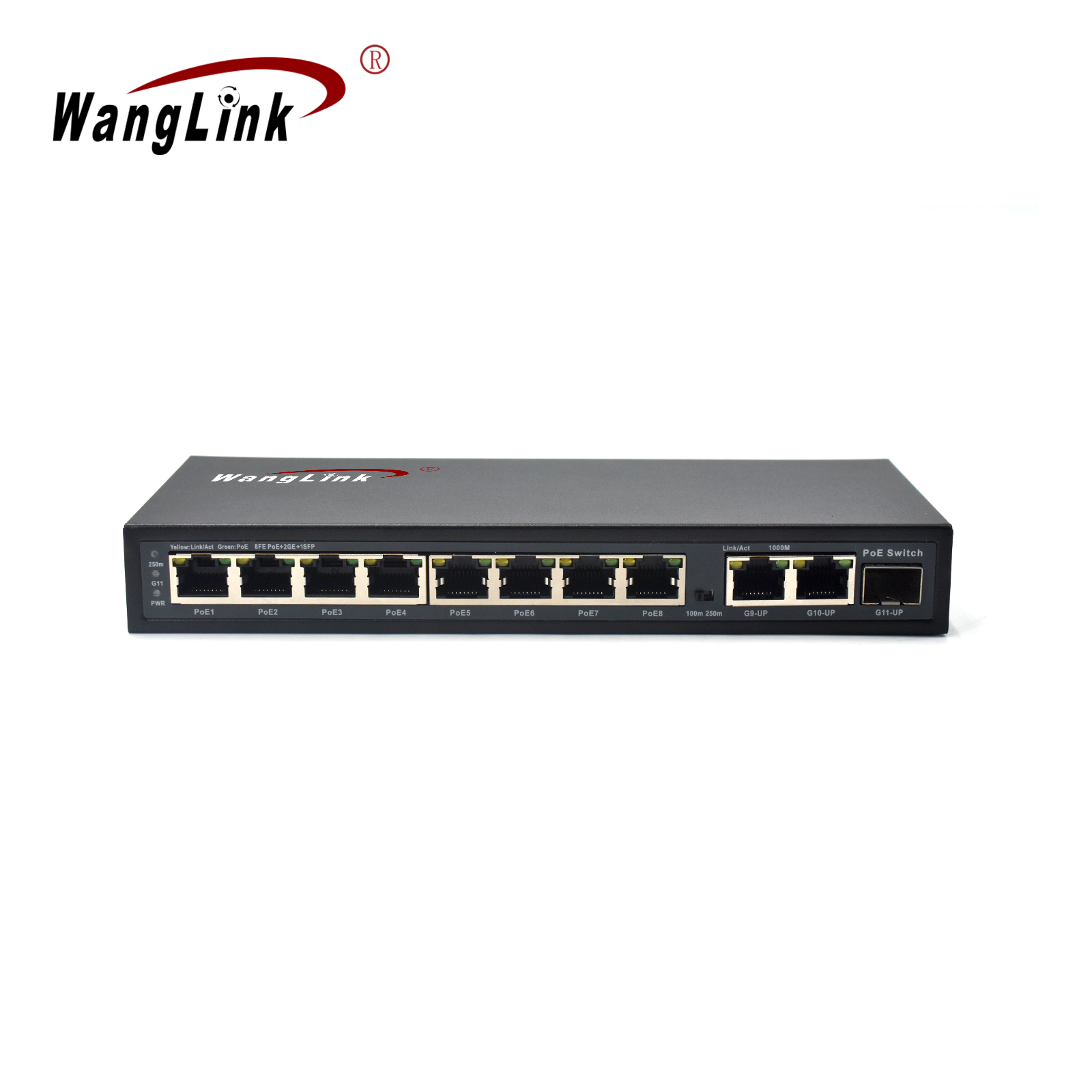
Unmanaged PoE Switches
8× 10/100Base-TX PoE ports (auto MDI/MDI-X), 2× 10/100/1000Base-T uplink ports, 1× 1000Base-X SFP slot
Unmanaged DC Input 8 PoE Network Switch, 10/100Mbps Fast Ethernet, 2 Gigabit Uplink, 1 SFP Slot, Metal Case for IP Camera Surveillance & Small Business
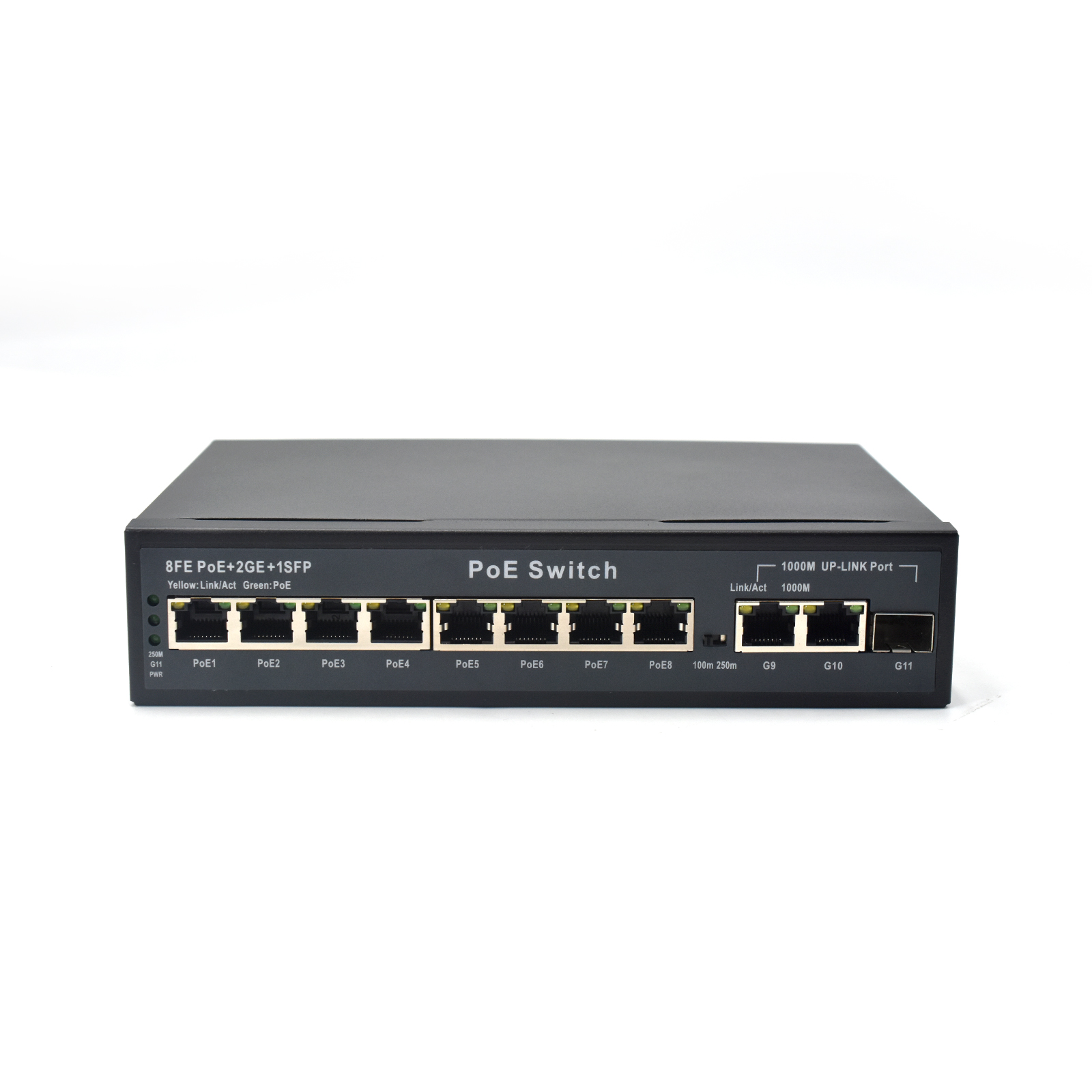
Unmanaged PoE Switches
8 × 10/100Base-TX PoE ports (ports 1-8), 2 × 10/100/1000Base-T uplink ports (ports 9-10), 1 × 1000Base-X SFP slot
Unmanaged 8 Port PoE Switch with Fiber Uplink, 2 Gigabit RJ45, 1 SFP Slot, 250m Extend Mode for Long-Distance Surveillance
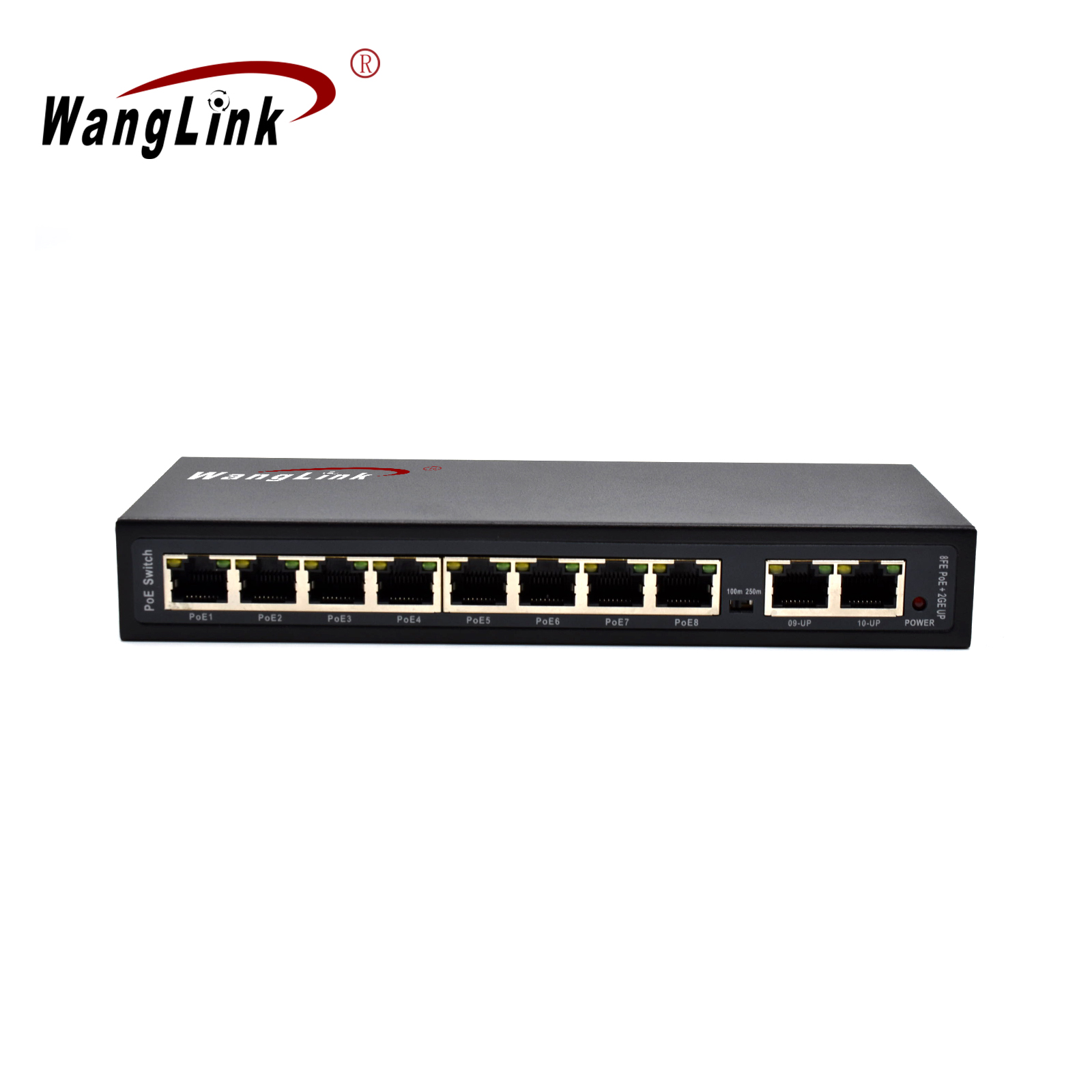
Unmanaged PoE Switches
8× 10/100Base-TX PoE ports (802.3af/at, up to 25.4W each), 2× 10/100/1000Base-T copper uplink ports
Unmanaged DC Input 8 Port PoE Switch, Fast Ethernet, 2 Gigabit Uplink, VLAN & 250m Long Distance, Metal Case for Surveillance
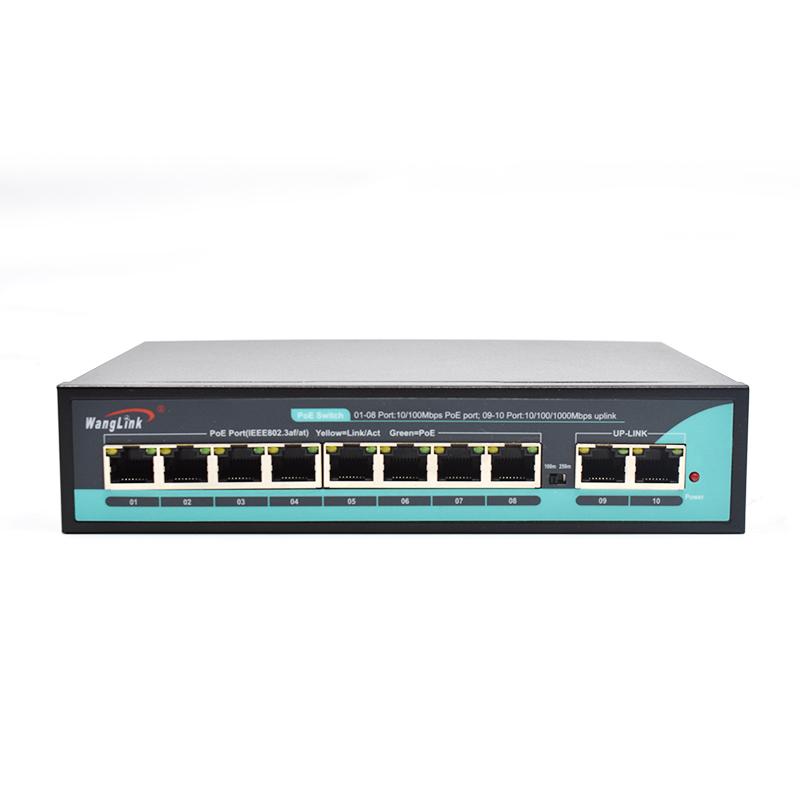
Unmanaged PoE Switches
8x 10/100Base-TX PoE ports (IEEE 802.3af/at, up to 25.4W each), 2x 10/100/1000Base-T auto-sensing uplink ports
Unmanaged 8 Port PoE Switch with 2 Uplink, 10/100Mbps Fast Ethernet, 2 Gigabit Copper Ports, 96W PoE Budget, Desktop/Wall-Mount for IP Camera Surveillance & Small Business Network
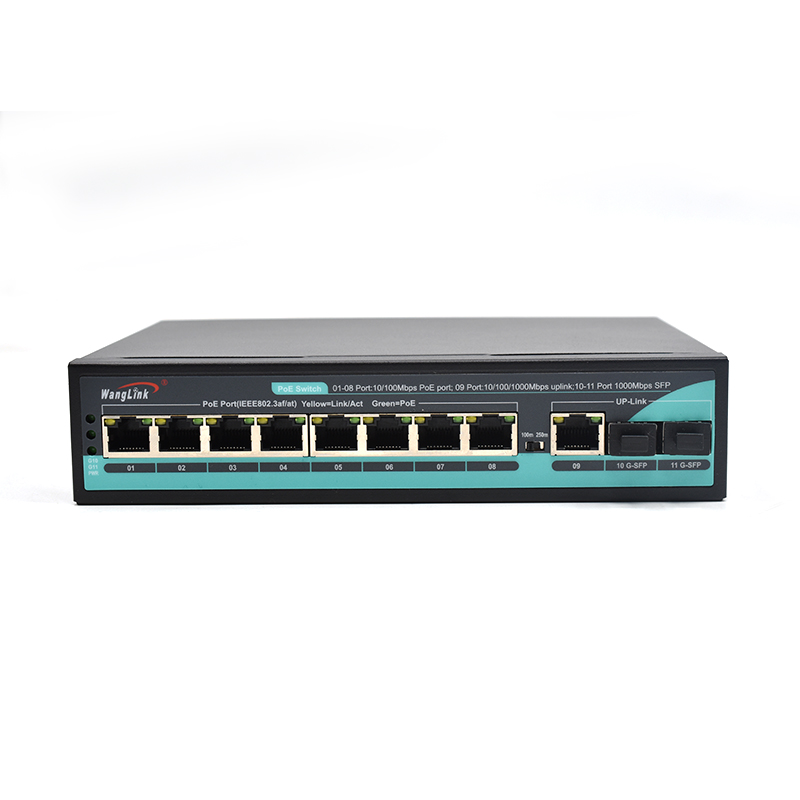
Unmanaged PoE Switches
8 x 10/100Base-TX PoE RJ45 ports (25.4W max each, 96W total PoE budget), 1 x 10/100/1000Base-T RJ45 uplink, 2 x 1000Base-X SFP slots (1.25Gbps per slot).
8 Port PoE Smart Switch, 8×10/100Base-TX PoE, 1×10/100/1000Base-T Uplink, 2x1000Base-X SFP, 250m Extend & VLAN Isolation, Desktop/Wall Mount for IP Camera Surveillance
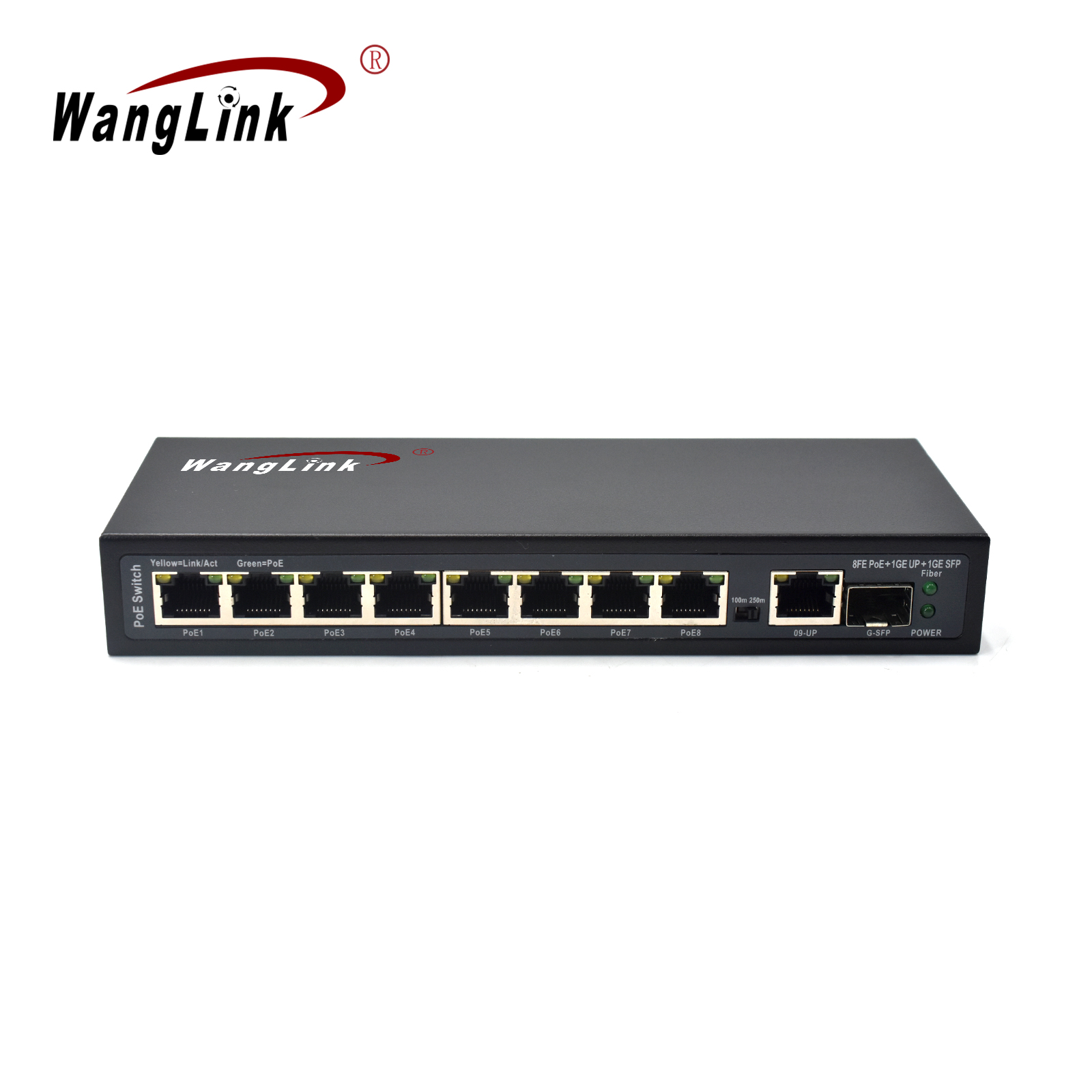
Unmanaged PoE Switches
8x 10/100Base-TX PoE ports (max 25.4W each per IEEE802.3 af/at), 1x 10/100/1000Base-T uplink RJ45, 1x 1000Base-X SFP slot (1.25Gbps)
Unmanaged 8 Port PoE Switch, 1 Gigabit Uplink & 1 SFP Slot, 10/100Mbps, Desktop/Wall Mount for Surveillance
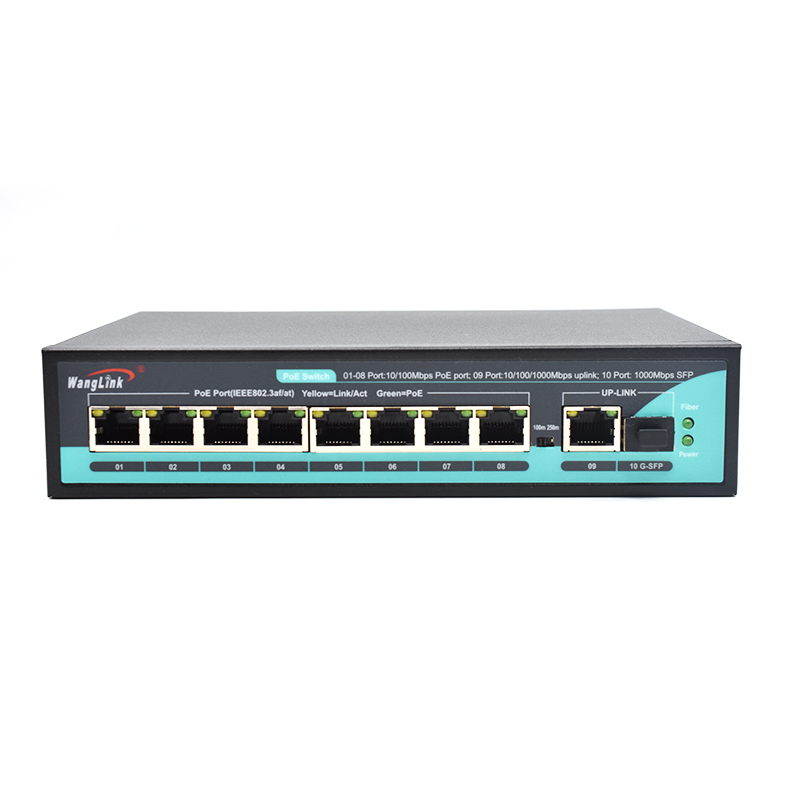
Unmanaged PoE Switches
8 x 10/100Base-TX PoE ports (max 25.4W per port), 1 x 10/100/1000Base-T uplink, 1 x 1000Base-X SFP slot
Unmanaged 8 Port PoE Ethernet Switch, 10/100Mbps Fast Ethernet, 1 Gigabit Uplink & 1 SFP Slot, Desktop/Wall Mount for Small Business & IP Surveillance
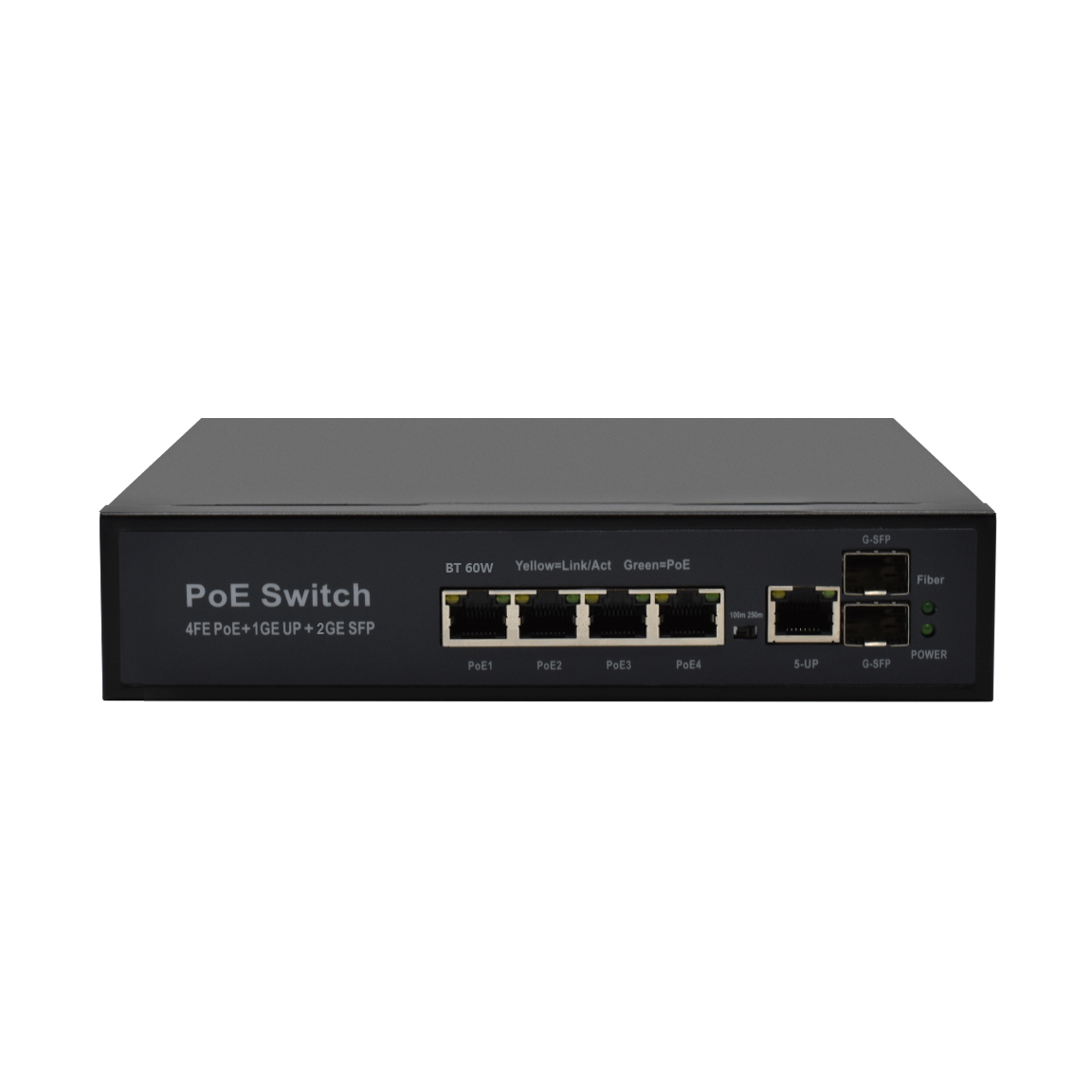
Unmanaged PoE Switches
4 x 10/100Base-TX PoE ports (ports 1-4), 1 x 10/100/1000Base-T uplink port (port 5), 2 x 1000Base-X SFP uplink slots (ports 6-7).
Unmanaged 802.3 bt PoE Switch, 4 PoE+ Ports, 1 Gigabit RJ45 & 2 SFP Uplink, 60W per Port, 250m Long Distance, VLAN Isolation, Metal Case for Surveillance & SMB Networks
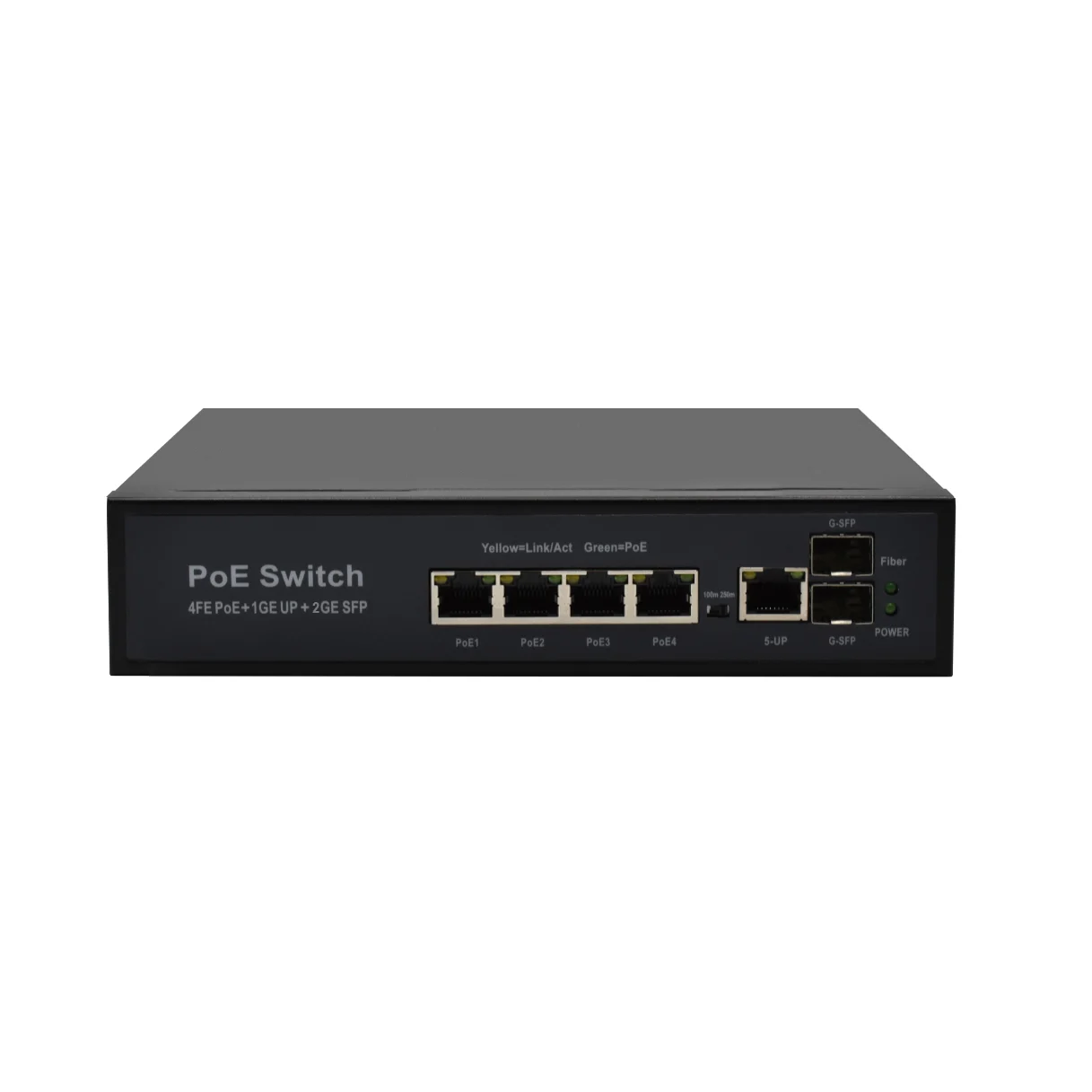
Unmanaged PoE Switches
4× RJ45 10/100Base-TX PoE ports (ports 1-4), 1× RJ45 10/100/1000Base-T uplink port, 2× 1000Base-X SFP slots.
Unmanaged 4 Port PoE Switch for CCTV, Fast Ethernet + Gigabit Uplink, 2 SFP Slots, 250m Long Reach & VLAN Isolation, Metal Desktop / Wall Mount
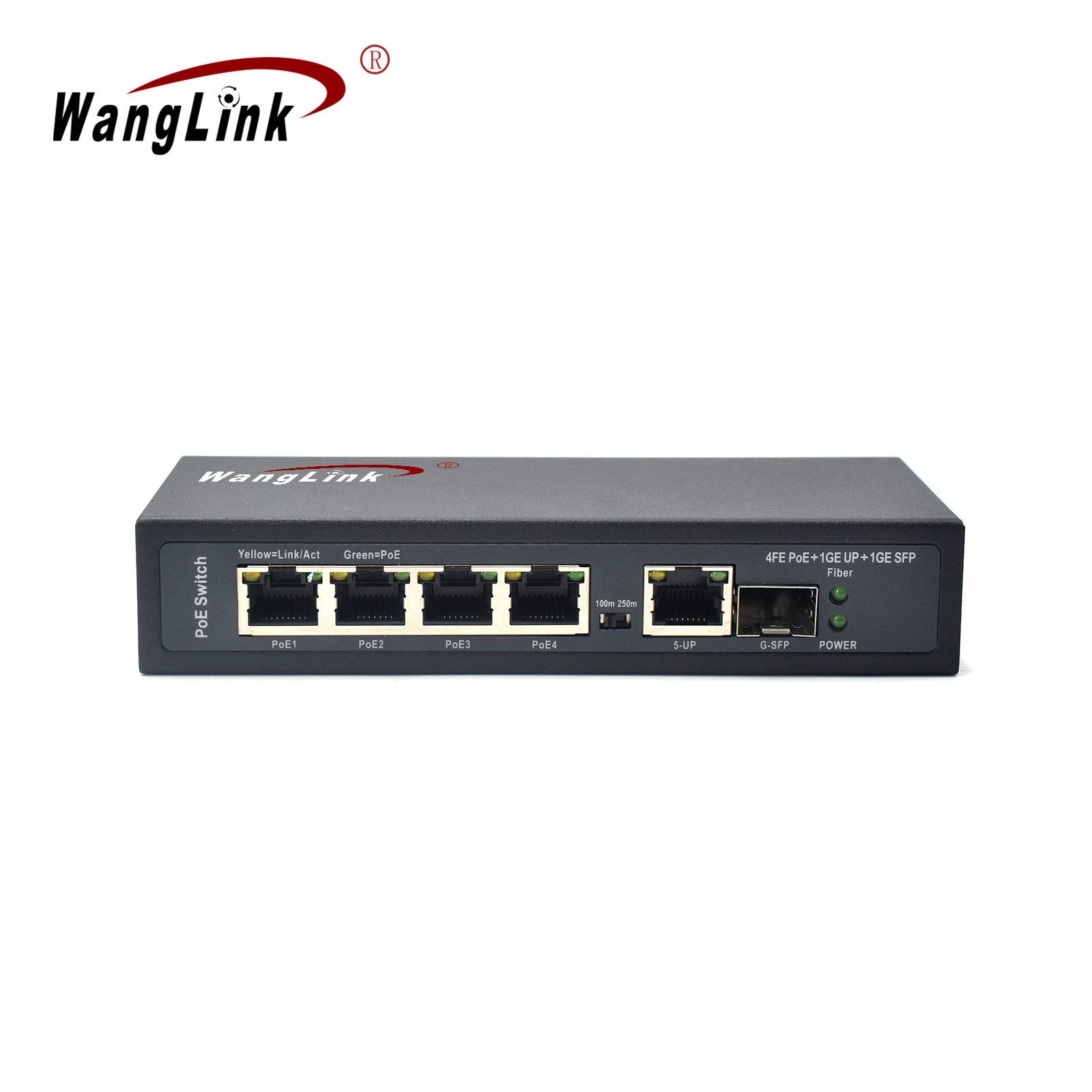
Unmanaged PoE Switches
4 x 10/100M PoE ports (max 25.4W each), 1 x 10/100/1000M uplink RJ45, 1 x 1000Base-X SFP slot
Unmanaged 4 Port PoE Switch for IP Cameras, Fast Ethernet, 1 Gigabit Uplink & 1 SFP Slot, Metal Case, Wall Mount, 250m Extend Mode
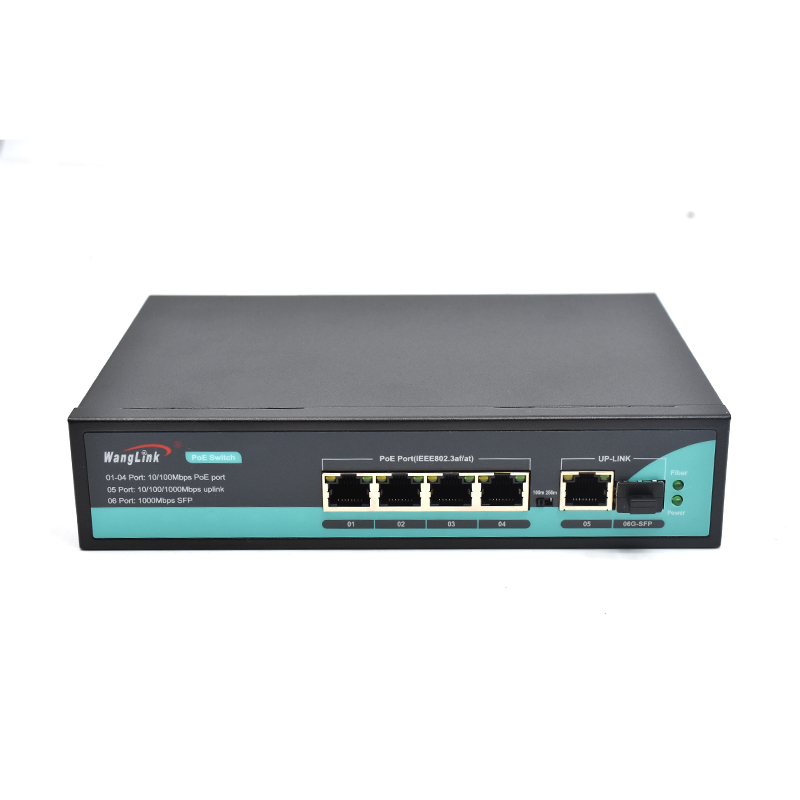
Unmanaged PoE Switches
4 x 10/100Base-TX PoE ports (802.3af/at, max 25.4W each), 1 x 10/100/1000Base-T uplink RJ45, 1 x 1000Base-X SFP slot (1.25Gbps).
Unmanaged 4 Port PoE Switch with Fiber Uplink, Fast Ethernet, 1 Gigabit RJ45 Uplink & 1 SFP Slot, 250m Extend Mode, VLAN Isolation, Desktop/Wall Mount for IP Camera Surveillance
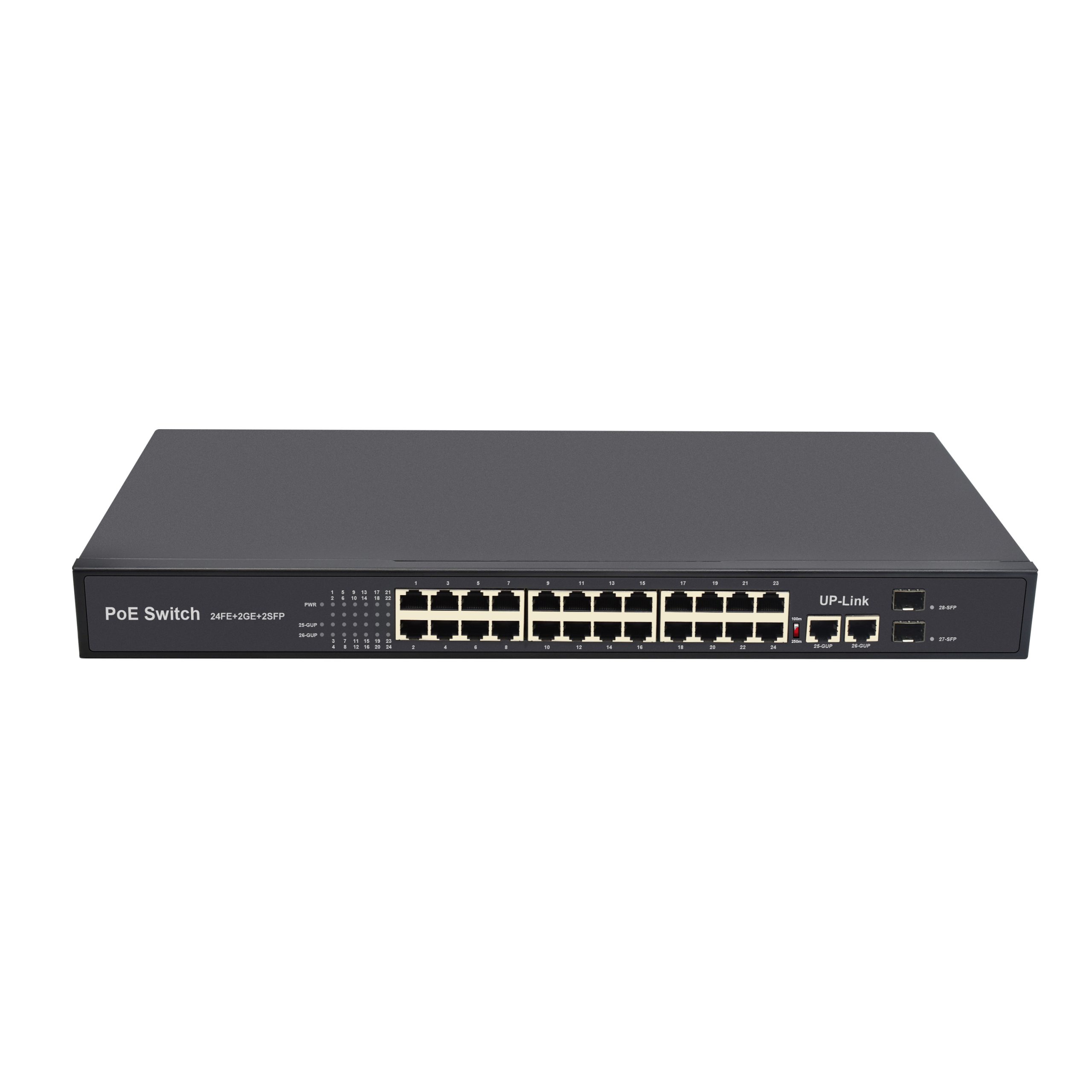
Unmanaged PoE Switches
24 x 10/100Base-TX PoE ports (RJ45), 2 x 10/100/1000Base-T uplink ports (RJ45), 2 x 1000Base-X SFP slots
Unmanaged 24-Port PoE Network Switch, 2 Gigabit Uplink & 2 SFP Slots, 250m Long Distance, VLAN Mode, Metal Case for Surveillance & SMB
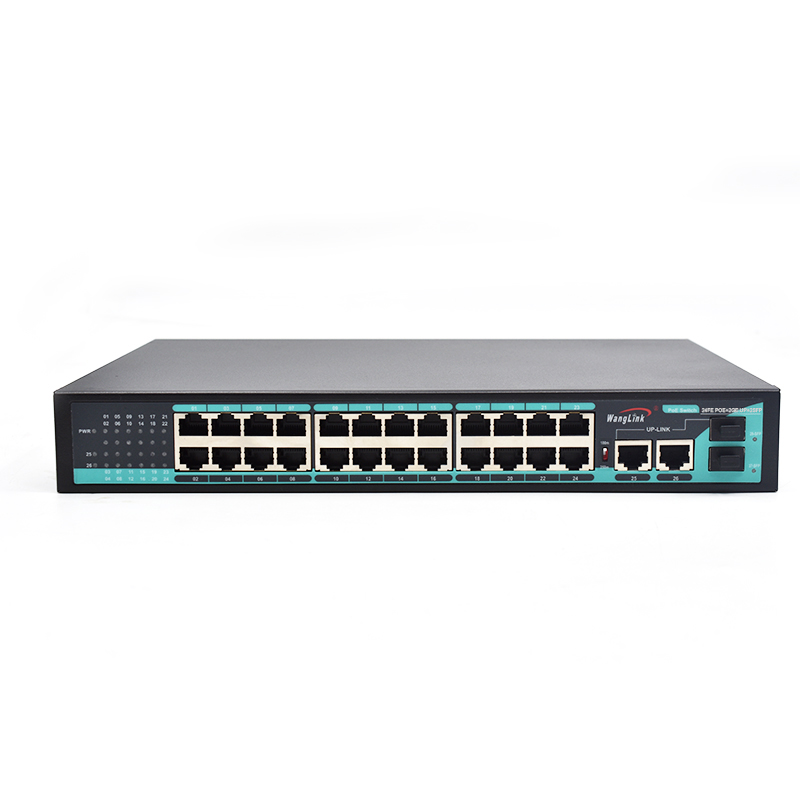
Unmanaged PoE Switches
24 x 10/100Base-TX PoE ports, 2 x 10/100/1000Base-T uplink ports, 2 x 1000Base-X SFP slots
Unmanaged 24-Port PoE Switch for CCTV, 2 Gigabit RJ45 Uplink + 2 SFP Slots, 250m Long Distance, Desktop/Wall/Rack Mount
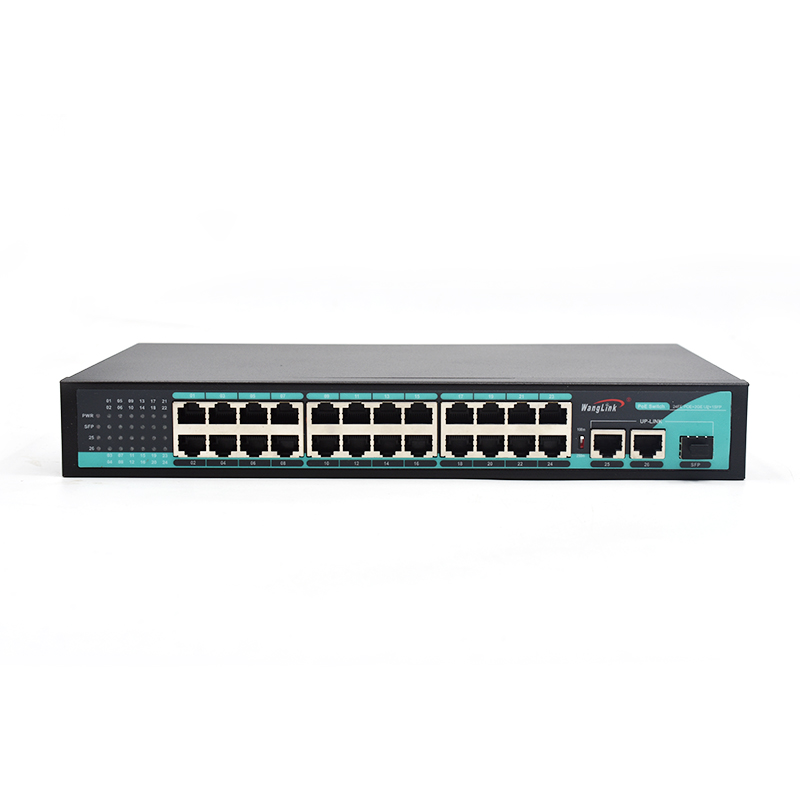
Unmanaged PoE Switches
24 ports 10/100Base-TX PoE (ports 1-24), 2 ports 10/100/1000Base-T uplink (ports 25-26), 1 port 1000Base-X SFP slot (port 27).
Smart PoE Switch 24 Ports Fast Ethernet, 2 Gigabit Uplink & 1 SFP Slot, 250m Long Distance, VLAN Isolation, Metal Case for IP Surveillance
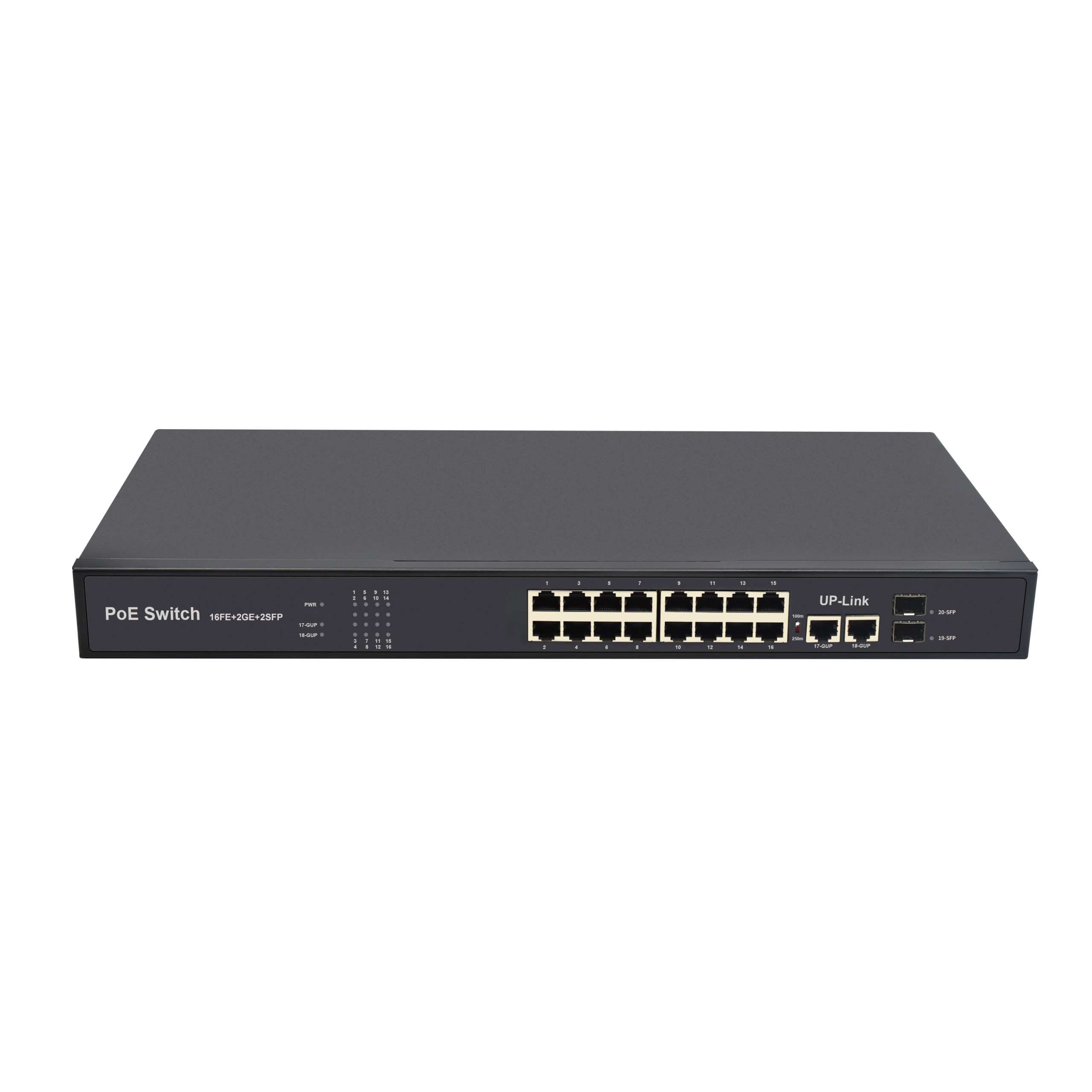
Unmanaged PoE Switches
16× 10/100Base-TX PoE ports (RJ45), 2× 10/100/1000Base-T uplink ports (RJ45), 2× 1000Base-X SFP slots
Unmanaged 16 PoE Port Switch, 2 Gigabit RJ45 Uplink & 2 SFP Slots, 200W Budget, VLAN & 250m Extend Mode, Metal Case for Surveillance & SMB
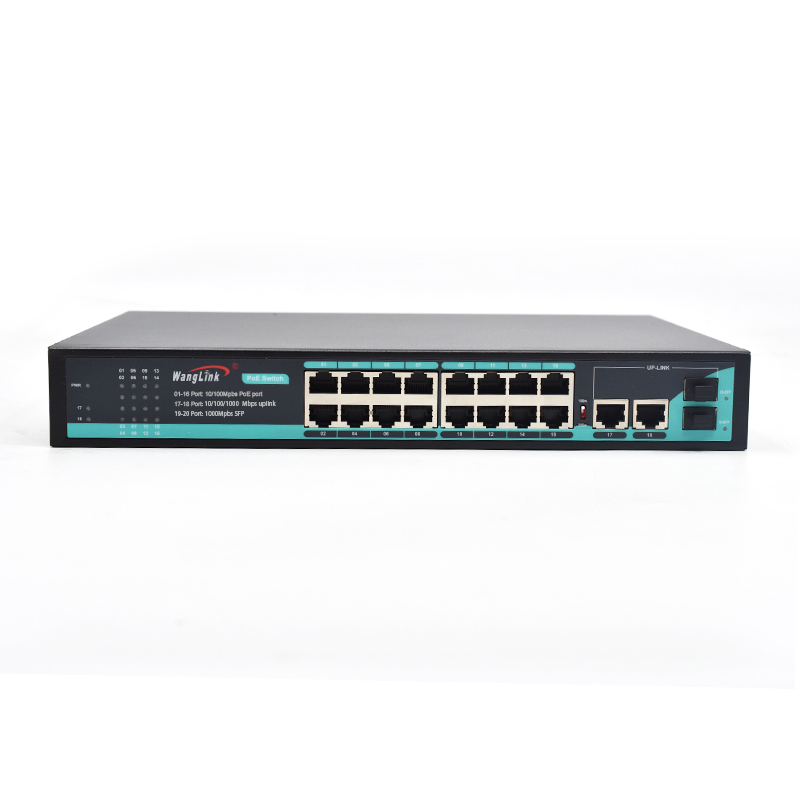
Unmanaged PoE Switches
16 x 10/100Base-TX PoE ports (IEEE802.3 af/at, up to 25.4W each), 2 x 10/100/1000Base-T uplink RJ45, 2 x 1000Base-X SFP slots (1.25Gbps, single/multi-mode).
Unmanaged 16 Channel PoE Switch, 16 PoE+2 Gigabit RJ45+2 SFP, VLAN & 250m Extend, Metal, for Surveillance & SMB
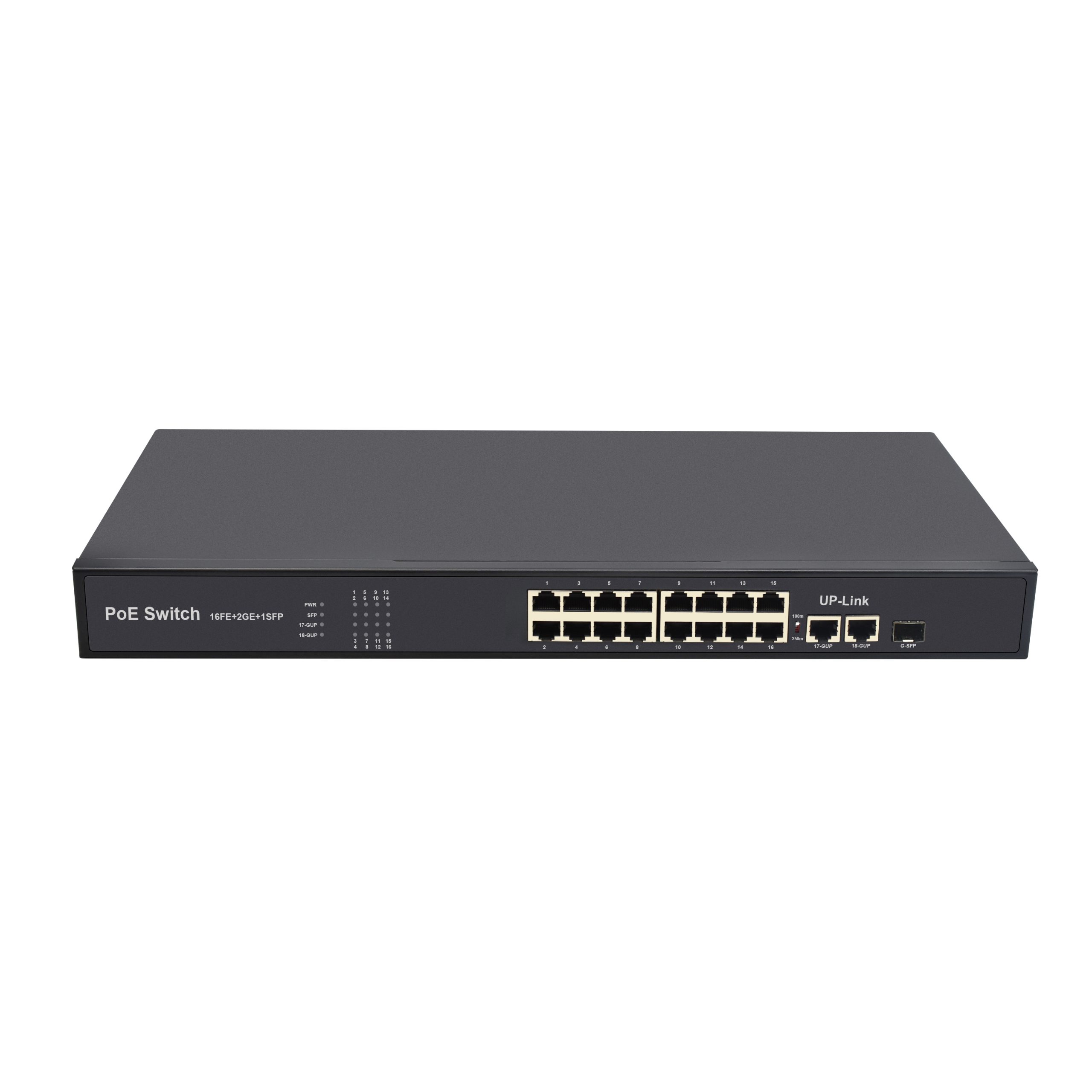
Unmanaged PoE Switches
16 x 10/100Base-TX PoE ports (up to 25.4W each), 2 x 10/100/1000Base-T uplink ports, 1 x 1000Base-X SFP slot
Unmanaged 16 Port PoE Switch with 2 Gigabit Uplink and SFP Slot, Fast Ethernet, VLAN & 250m Extend Mode for Surveillance
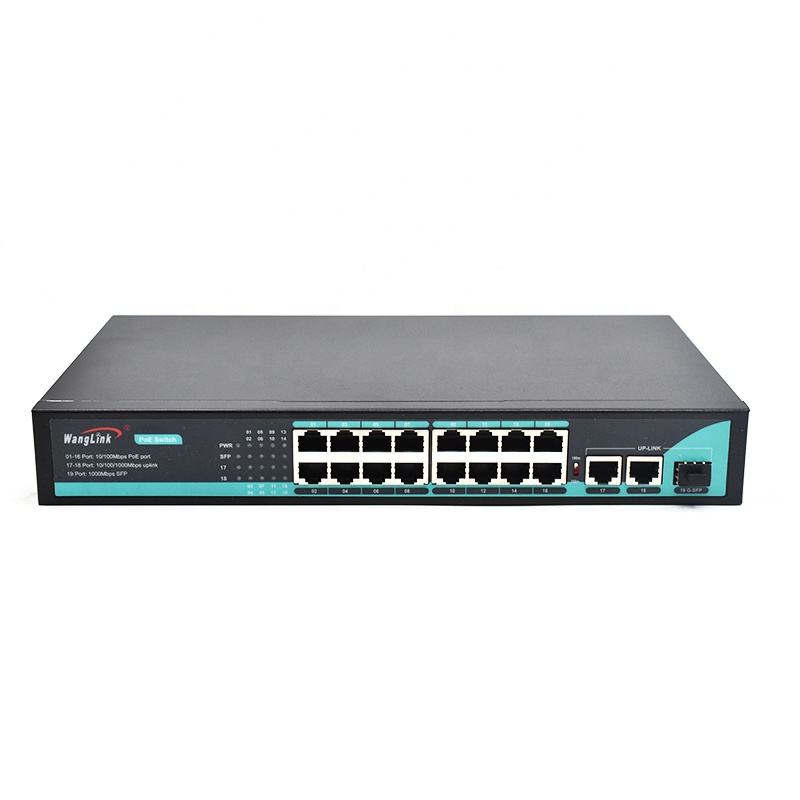
Unmanaged PoE Switches
16 x 10/100Base-TX PoE ports (ports 1-16), 2 x 10/100/1000Base-T uplink ports (ports 17-18), 1 x 1000Base-X SFP slot (port 19).
Unmanaged PoE Switch 16 Port 10/100Mbps, 2 Gigabit Uplink + SFP, 250m Extend Mode, Metal Case for IP Camera & Surveillance
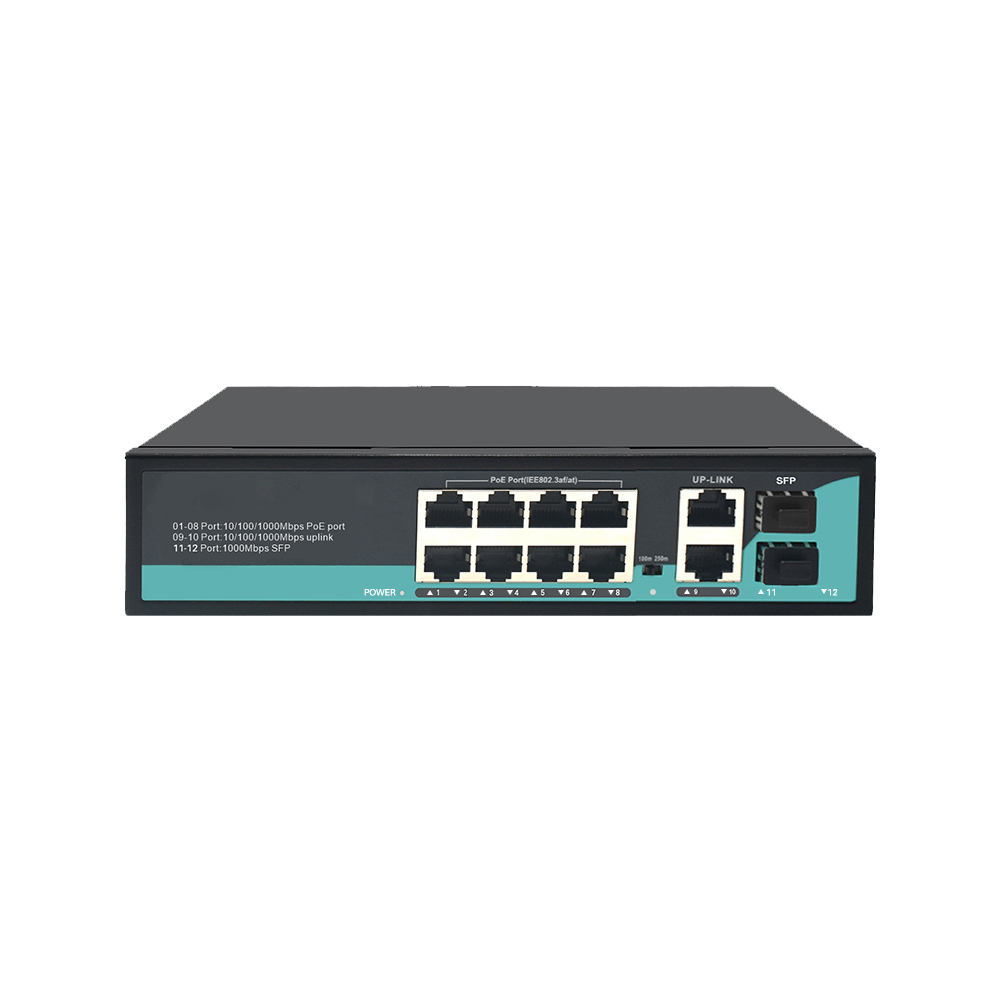
Unmanaged PoE Switches
8 PoE RJ45 ports (10/100/1000Mbps), 2 non-PoE RJ45 uplink ports (10/100/1000Mbps), 2 Gigabit SFP slots.
Unmanaged PoE Switch 8 Port Gigabit, 2 RJ45 Uplink + 2 SFP Slots, Desktop/Wall Mount for IP Surveillance & Small Business Network
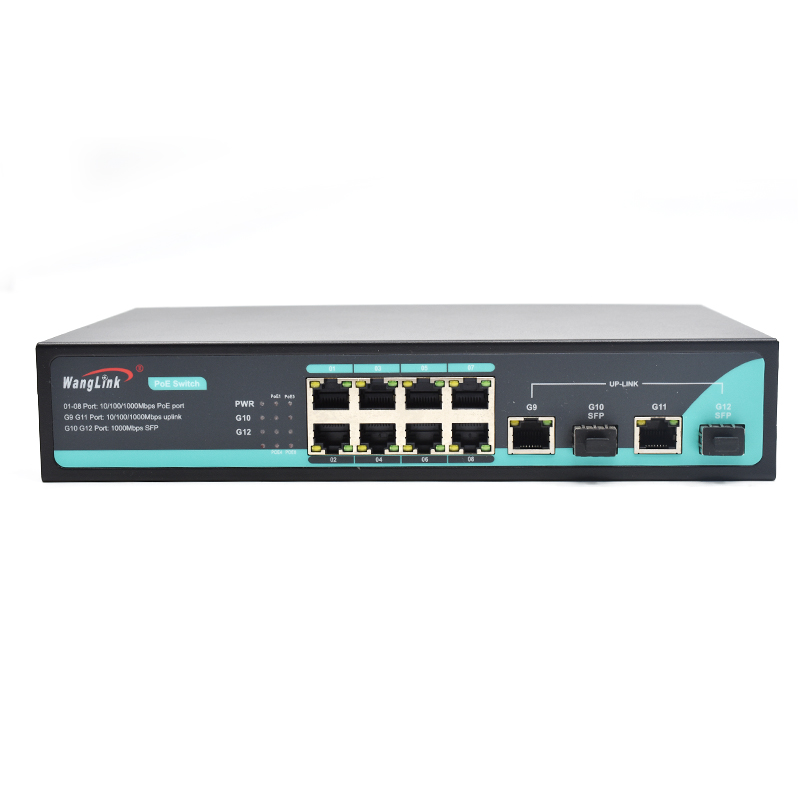
Unmanaged PoE Switches
10 x 10/100/1000Base-T RJ45 (ports 1-8 PoE, ports 9-10 Gigabit uplink) + 2 x 1000Base-X SFP slots
Unmanaged 8 Port PoE Switch with 2 SFP, Gigabit, 96W Budget, Metal Case, Desktop/Wall/Rack Mount for IP Cameras & Small Office
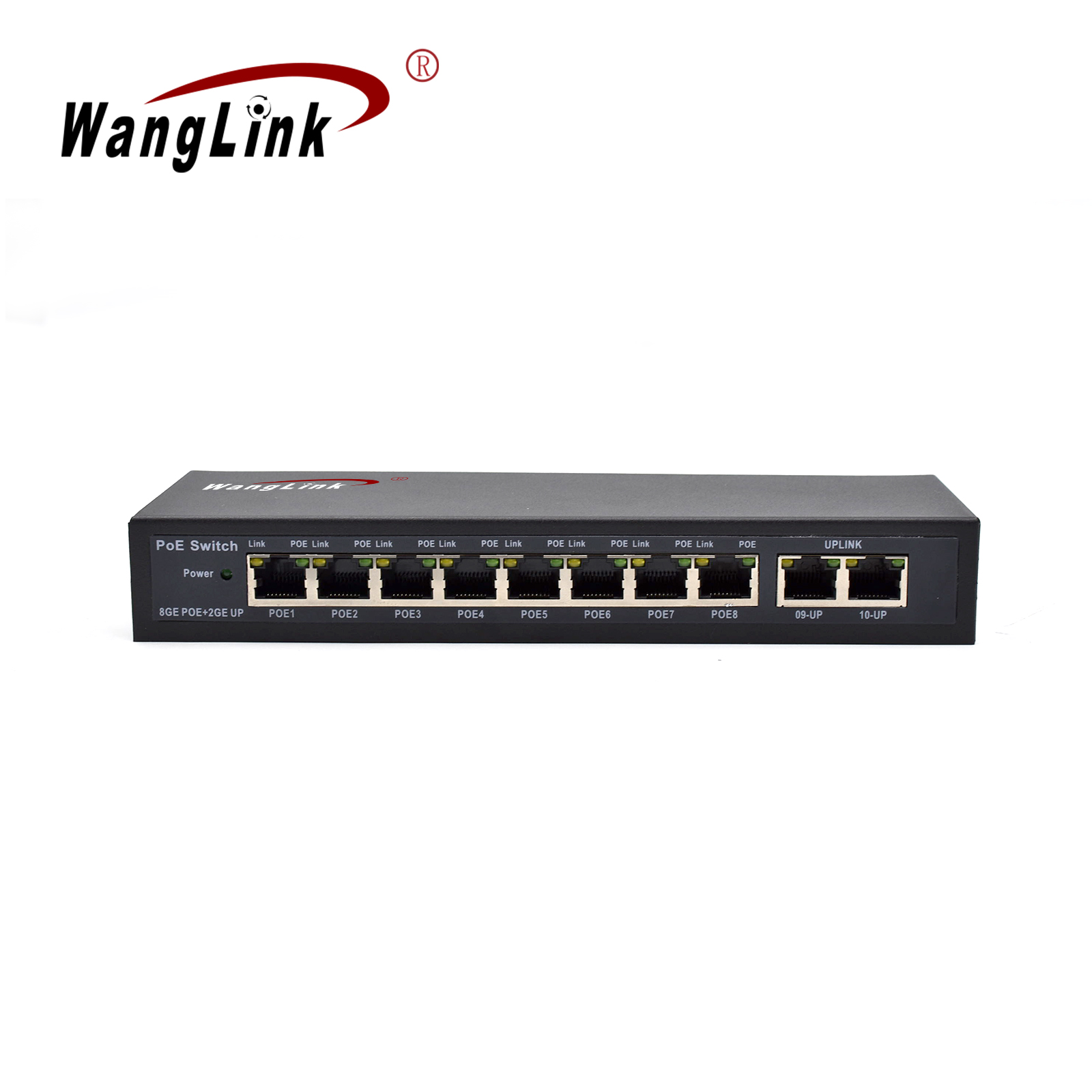
Unmanaged PoE Switches
8 x 10/100/1000Base-T PoE ports (ports 1-8, IEEE 802.3af/at, up to 25.4W each) + 2 x 10/100/1000Base-T uplink ports
8 Port PoE Switch for IP Cameras, Unmanaged Gigabit, 2 RJ45 Uplink, Desktop/Wall Mount, for Video Surveillance & Small Office
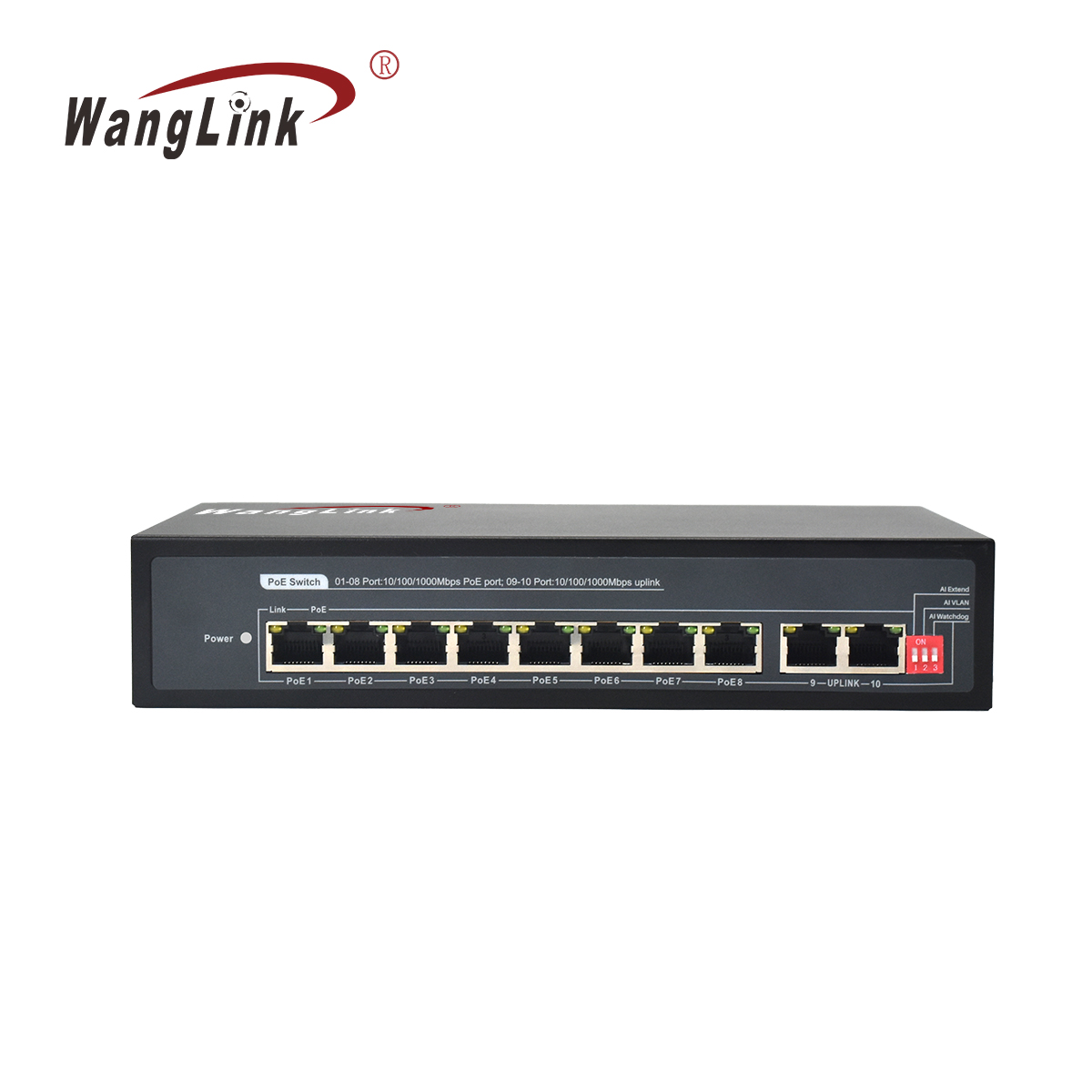
Unmanaged PoE Switches
8 PoE ports (10/100/1000Base-T, max 30W per port), 2 uplink ports (10/100/1000Base-T), with illuminated RJ45 connectors
Unmanaged AI PoE Switch 8 Port Gigabit, 2 RJ45 Uplink, 250m Extend, VLAN Isolation, Wall Mount for Surveillance & SMB
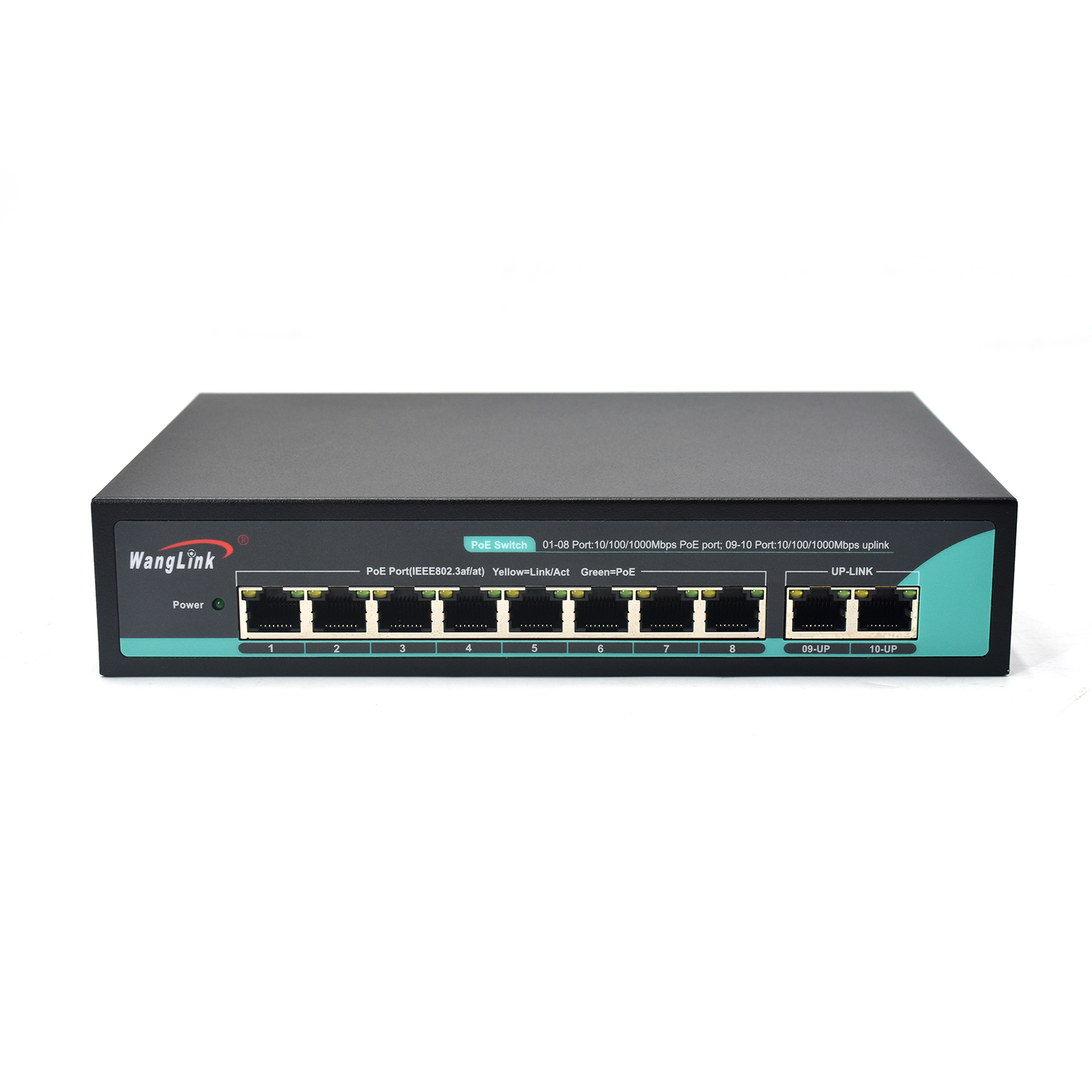
Unmanaged PoE Switches
8 x 10/100/1000Base-T PoE ports (ports 1-8) + 2 x 10/100/1000Base-T uplink ports (ports 9-10).
8 Port Gigabit Unmanaged PoE Switch, 10/100/1000Mbps, 2 RJ45 Uplink, 96W PoE Budget, Metal Case, Wall Mount & Desktop for Small Business Surveillance
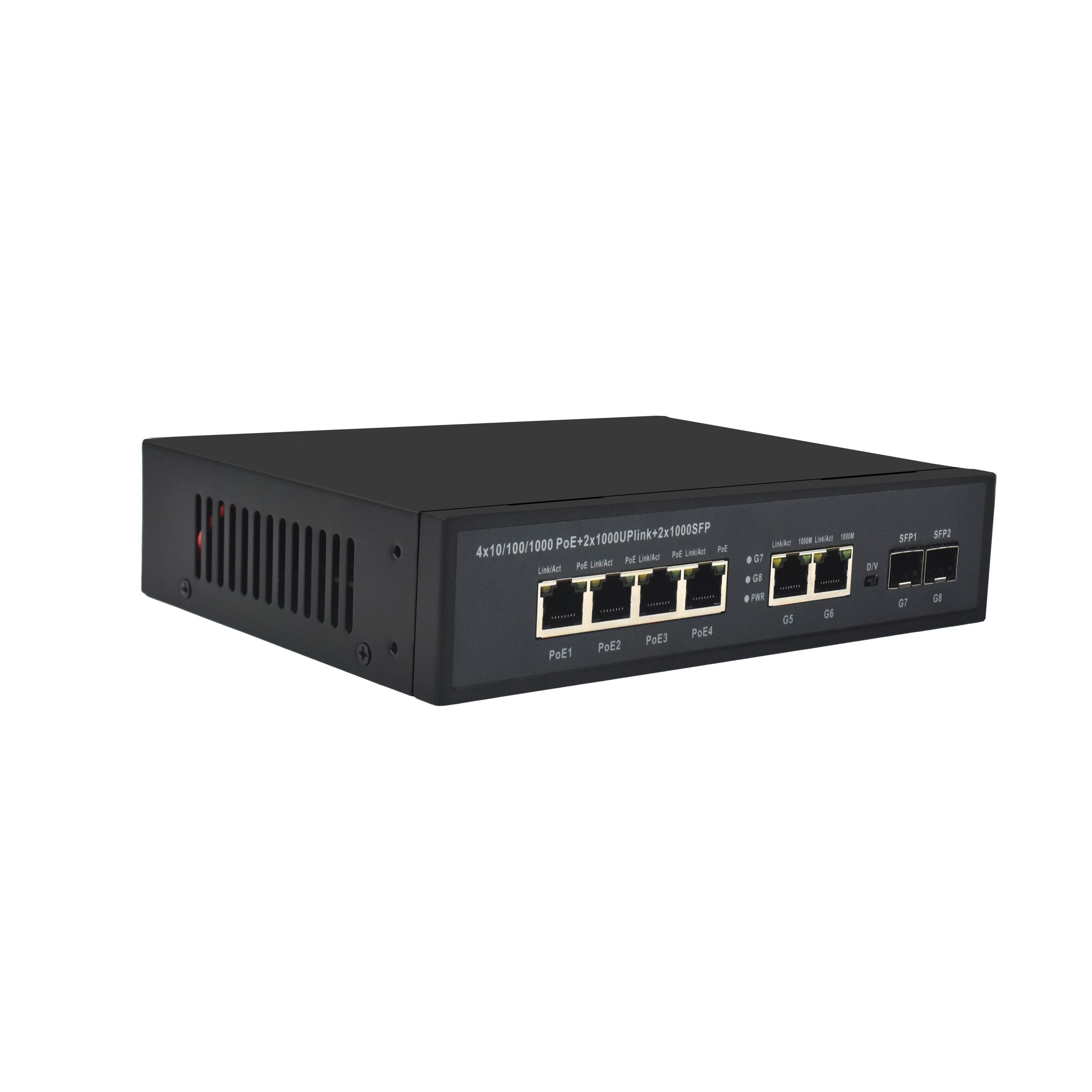
Unmanaged PoE Switches
6 x 10/100/1000Base-T RJ45 ports (ports 1–4 support PoE+ IEEE802.3af/at), 2 x 1000Base-X SFP slots (ports 7–8).
Unmanaged PoE Switch for IP Camera, 6 Gigabit Ports, 2 SFP Uplink, VLAN Mode, Desktop/Wall Mount
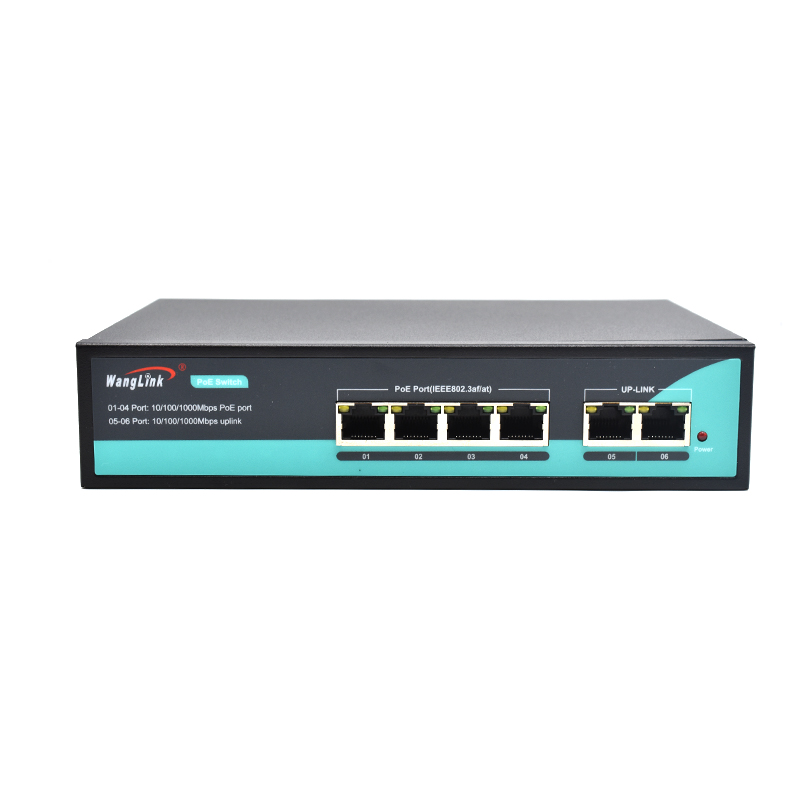
Unmanaged PoE Switches
6 RJ45 Gigabit ports (4 PoE, 2 uplink); PoE ports 1-4 support IEEE802.3af/at, max 25.4W each; uplink ports 5-6 are standard Gigabit; auto MDI/MDI-X and half/full duplex on all ports.
Unmanaged CCTV PoE Network Switch, 4 Gigabit PoE Ports + 2 Uplink RJ45, 65W Budget, Desktop/Wall Mount for IP Camera Deployment
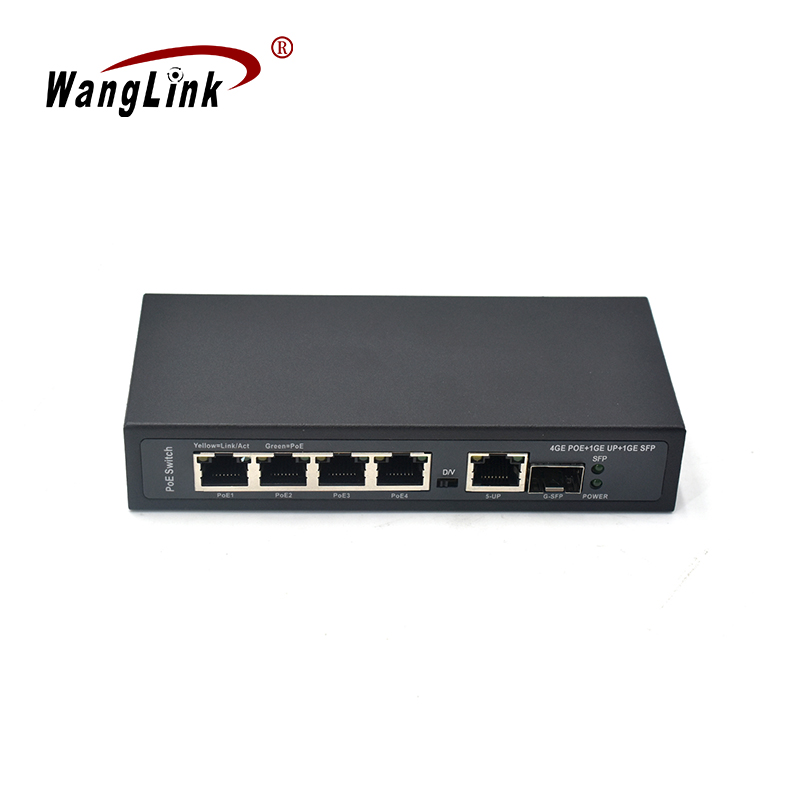
Unmanaged PoE Switches
5 RJ45 ports (1-4 PoE, 1 uplink) + 1 SFP slot; PoE ports deliver up to 25.4W each; all RJ45 ports auto-negotiate 10/100/1000M; SFP supports 1.25Gbps fiber link.
Unmanaged Ethernet Switch with PoE, 5-Port Gigabit, 1 SFP Uplink, VLAN Isolation, Metal Housing for Hotel & Small Business Surveillance
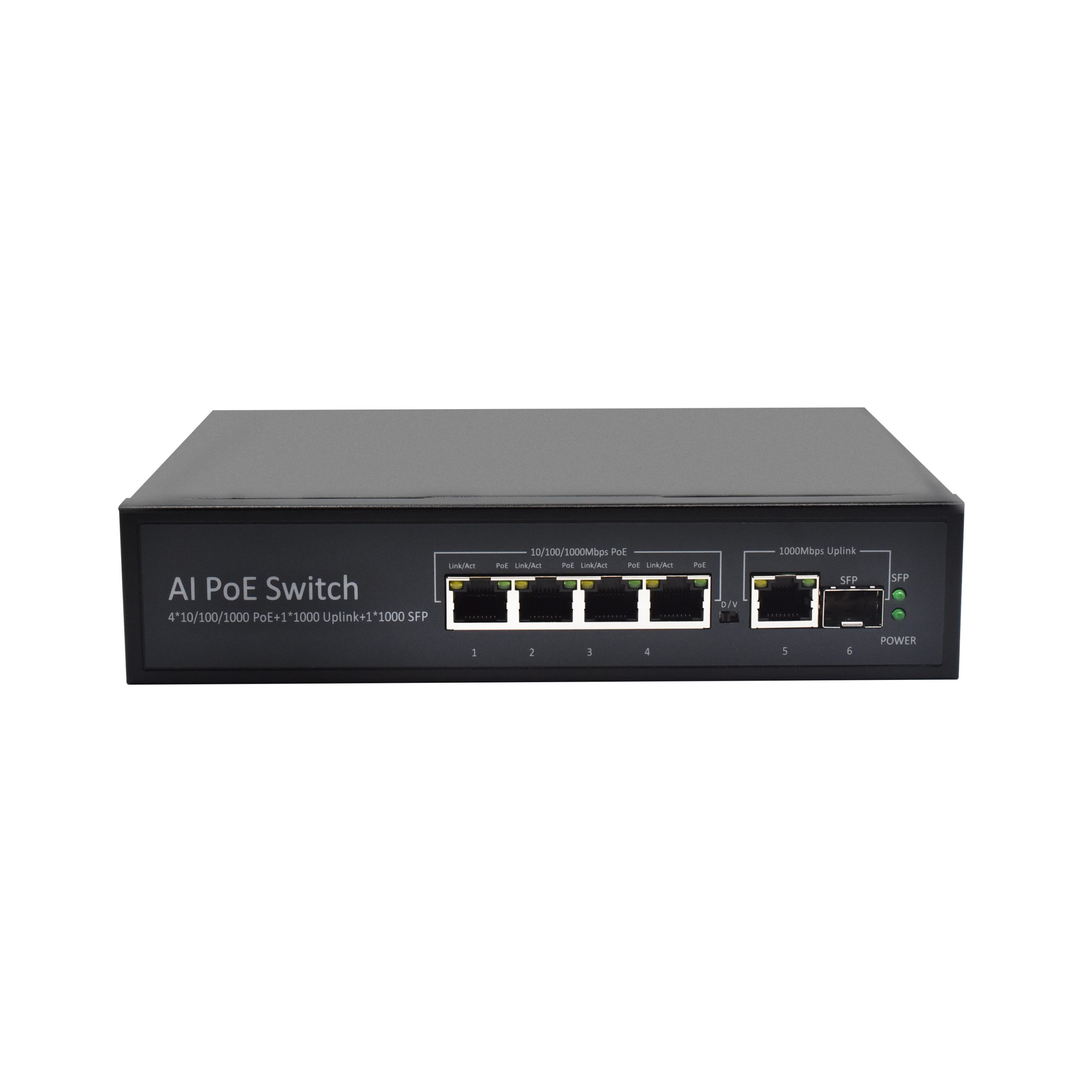
Unmanaged PoE Switches
4 x 10/100/1000Mbps PoE RJ45 ports (802.3af/at, max 25.4W each, total 96W) + 1 x 1000Base-X SFP uplink slot
Unmanaged 4 Port PoE Gigabit Ethernet Switch, 1 SFP Uplink, 96W Budget, Desktop/Wall Mount for IP Surveillance & Small Business
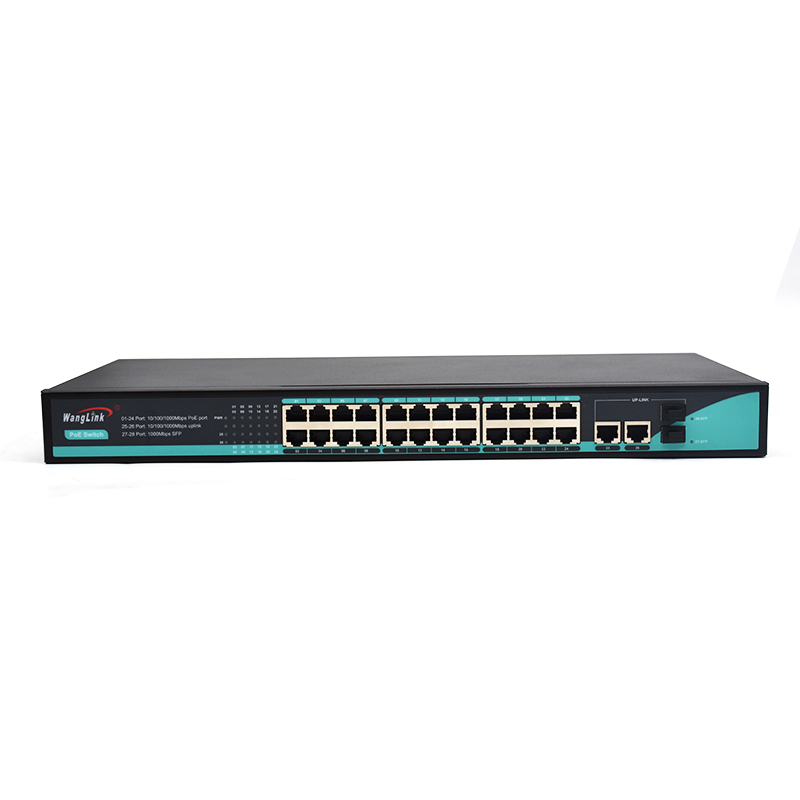
Unmanaged PoE Switches
24 x 10/100/1000Base-T PoE+ ports (max 25.4W each), 2 x 10/100/1000Base-T uplink ports, 2 x 1000Base-X SFP slots (1.25G). All RJ45 ports auto-negotiate and support MDI/MDI-X.
Unmanaged 24 Port PoE Switch Rack Mount, 2 Gigabit RJ45 Uplink & 2 SFP Slots, 250W PoE Budget, Metal Case for Office Surveillance
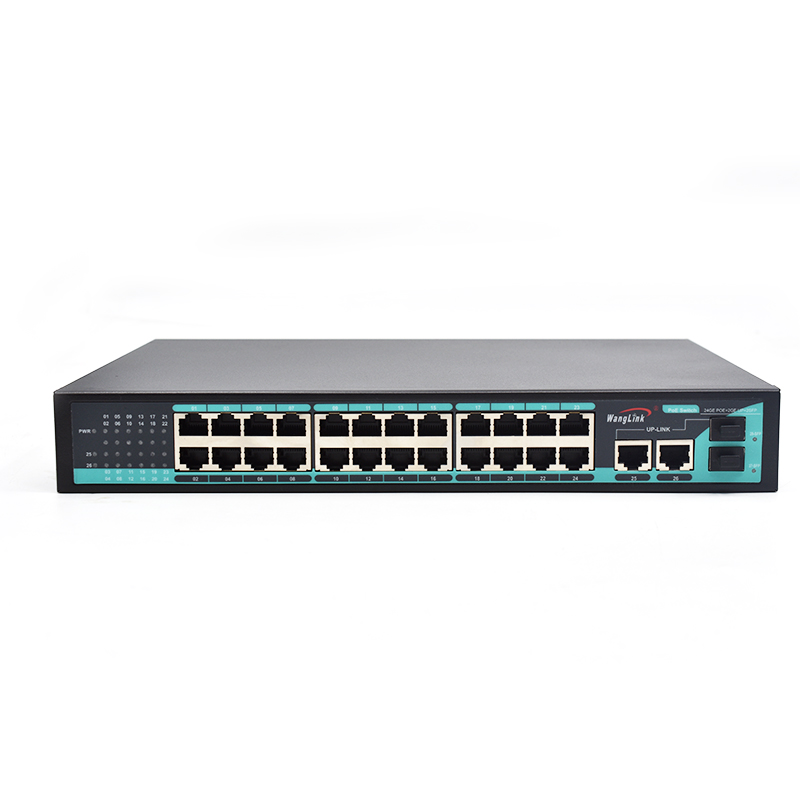
Unmanaged PoE Switches
24 x 10/100/1000Base-T PoE+ RJ45 ports (port 1‑24), 2 x 1000Base-X SFP uplink slots (port 25‑26).
Unmanaged 24 Port Gigabit PoE Switch, 2 SFP Uplink, 360W Budget, Rack-Mountable for IP Surveillance & Small Business Network
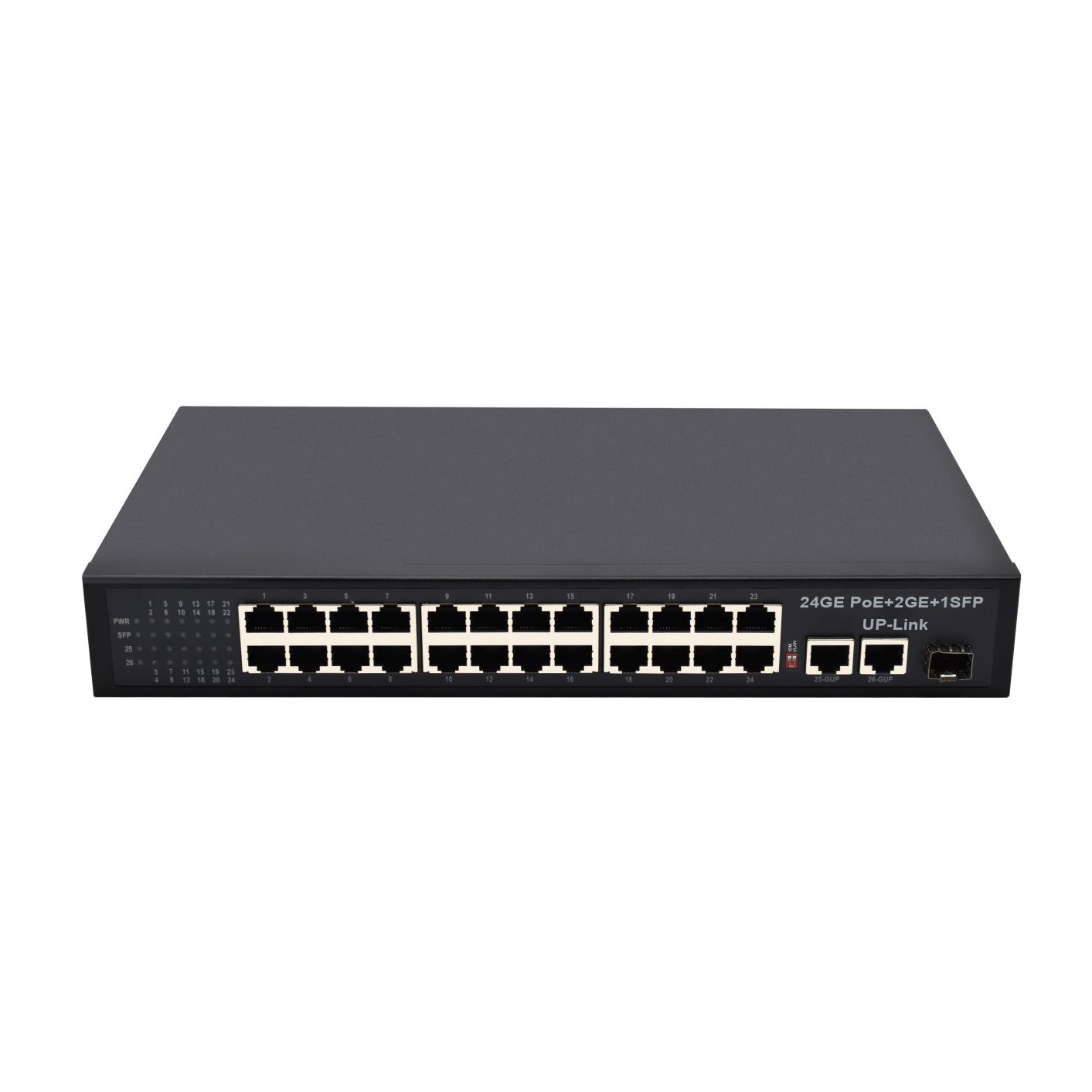
Unmanaged PoE Switches
24 PoE Gigabit ports (1-16 PoE, 17-24 non-PoE but gigabit), 2 Gigabit RJ45 uplink ports, 1 Gigabit SFP uplink slot. Ports 1-16 support 802.3af/at PoE with up to 25.4W each.
Unmanaged 24 Port PoE Switch Gigabit with 2 RJ45 Uplink and 1 SFP Slot, 250m Long Reach, VLAN Isolation for Surveillance & Office
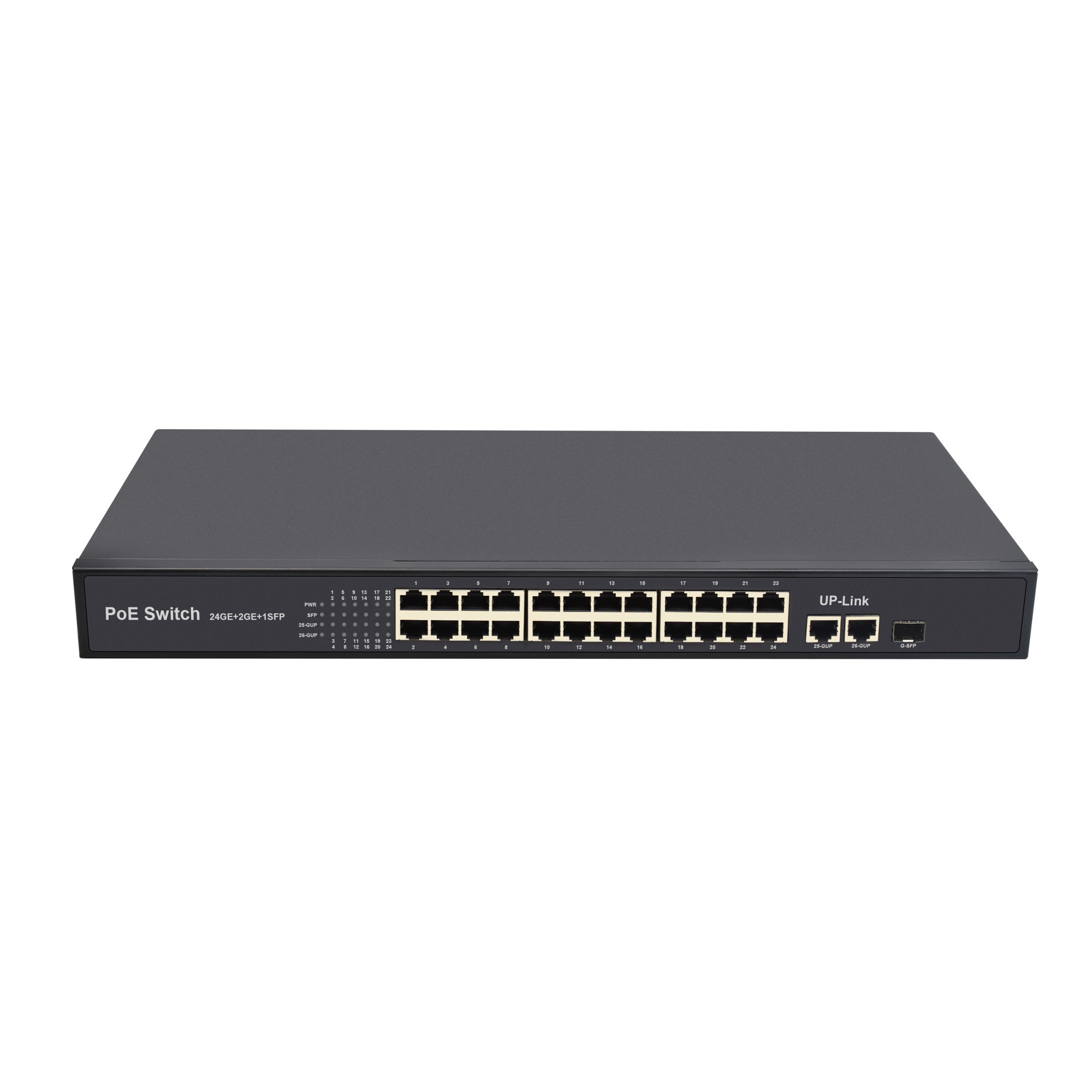
Unmanaged PoE Switches
24 x Gigabit PoE+ RJ45 ports (25.4W max each), 2 x Gigabit RJ45 uplink ports, 1 x 1000Base-X SFP slot for fiber extension.
Unmanaged 24-Port Gigabit PoE Network Switch, 2 RJ45 Uplink + 1 SFP Slot, Desktop/Wall Mount for IP Surveillance & Office
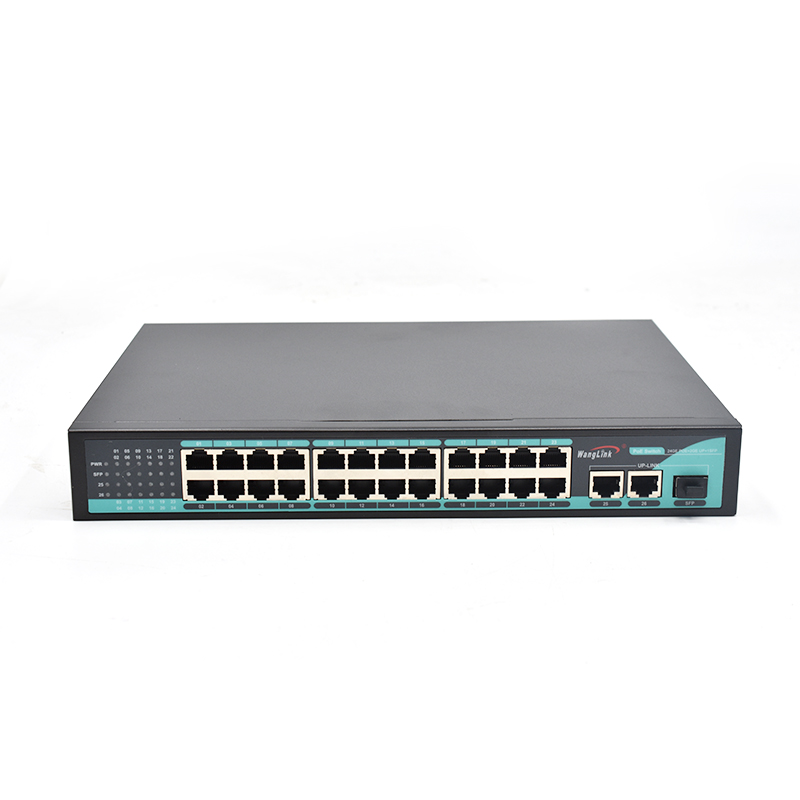
Unmanaged PoE Switches
24x PoE+ 10/100/1000Mbps RJ45 ports (Ports 1-24), 2x additional Gigabit RJ45 ports (Ports 25-26), 1x 1000Base-X SFP slot
Unmanaged 24-Port Gigabit PoE Switch with 1 SFP Slot, 360W Budget, Metal Case, Desktop/Wall/Rack Mount for IP Cameras & Office Network
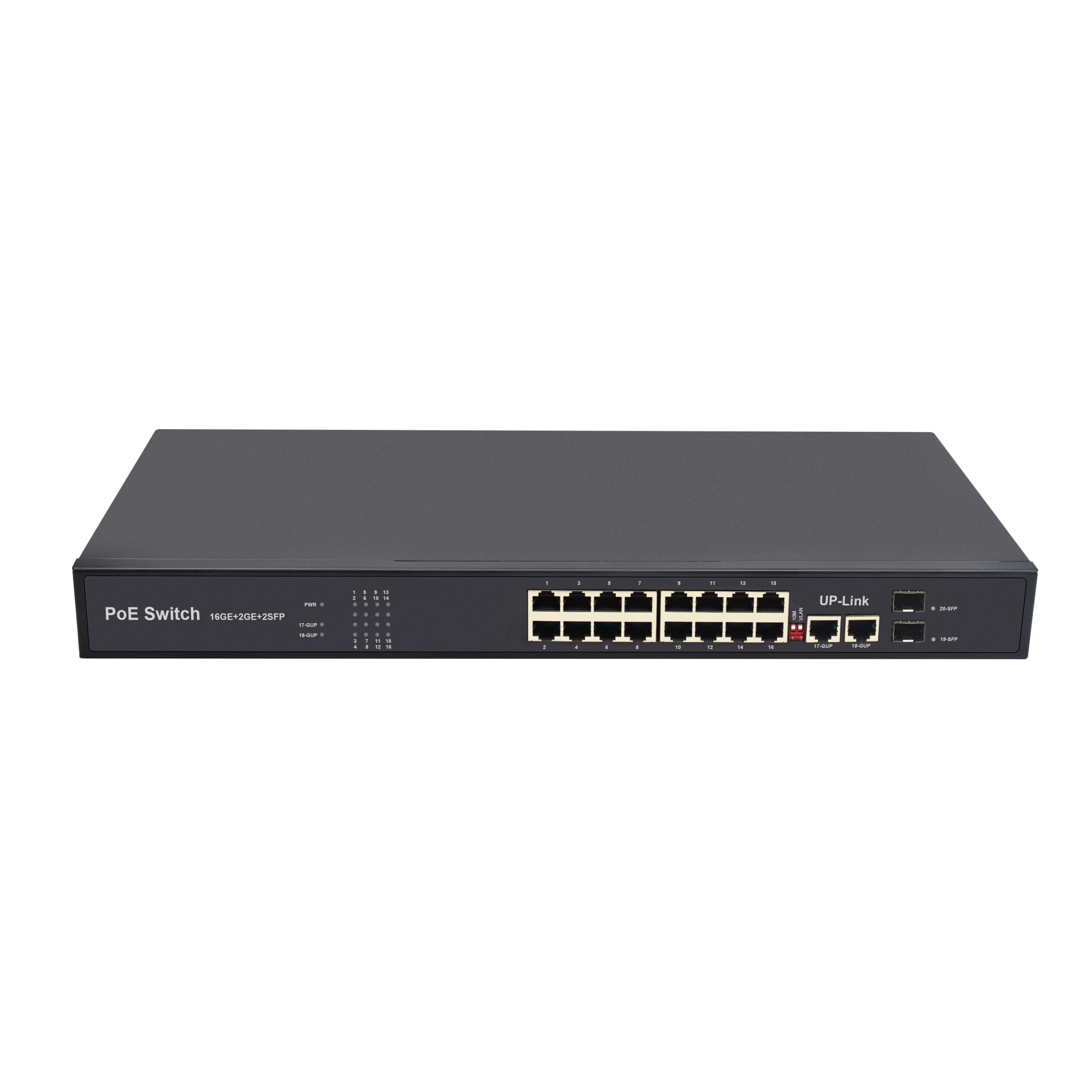
Unmanaged PoE Switches
16 x 10/100/1000Base-T PoE ports (802.3af/at, up to 25.4W each), 2 x 10/100/1000Base-T uplink ports, 2 x 1000Base-X SFP slots (1.25G, multimode/singlemode).
Unmanaged PoE Ethernet Switch 16 Port Gigabit, 2 SFP Slots, Desktop/Wall/Rack Mount for Surveillance & Office
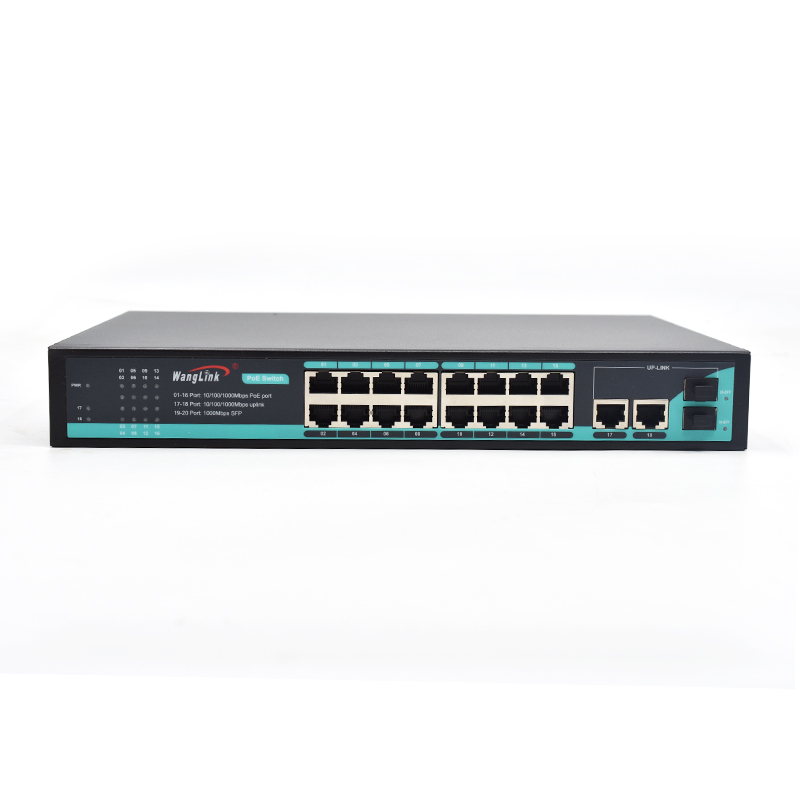
Unmanaged PoE Switches
18x Gigabit RJ45 ports (16 PoE+), 2x 1.25G SFP slots
Unmanaged 16-Port PoE Switch Gigabit, 2 SFP Slots, 320W Budget, Desktop/Wall/Rack Mount for Surveillance & Office Network
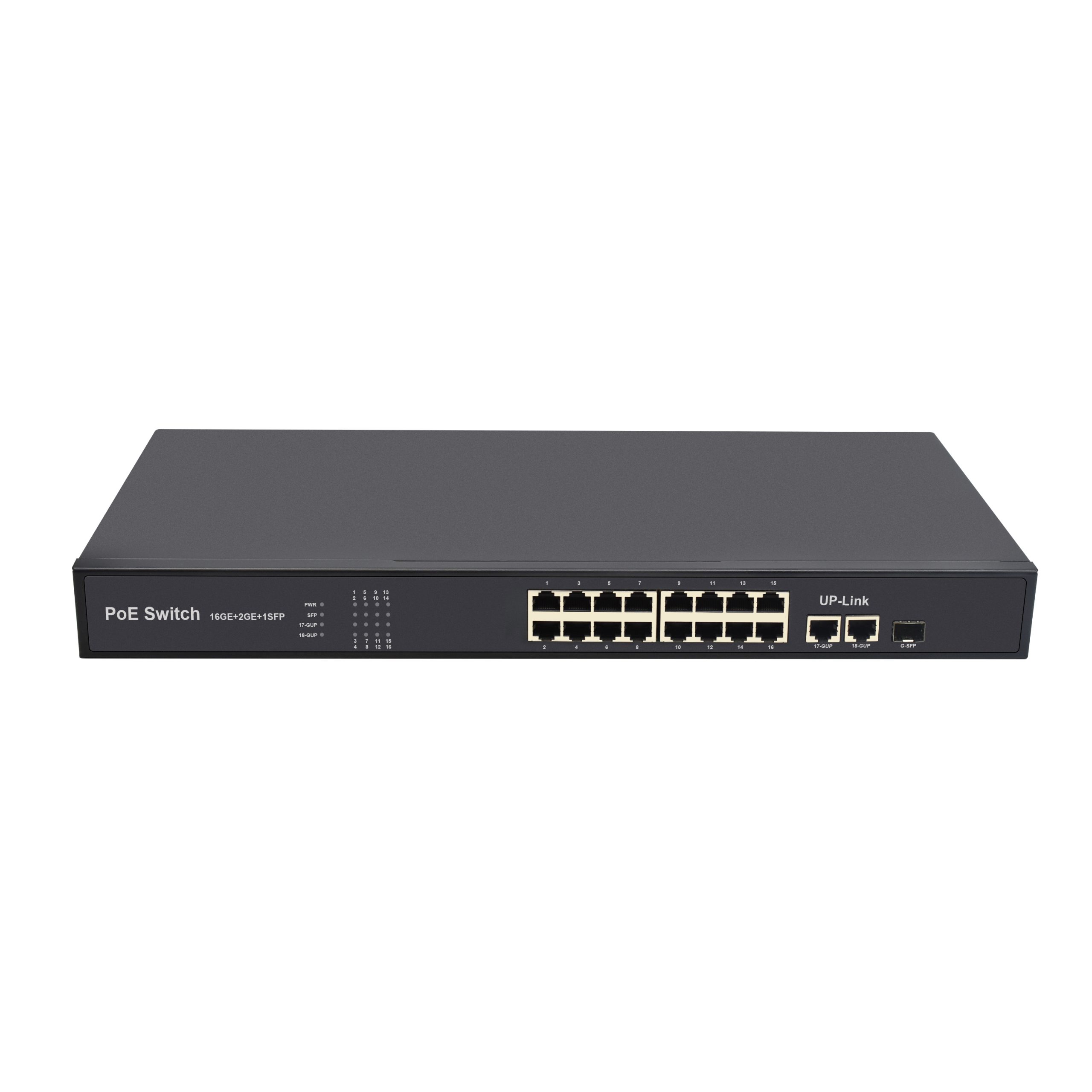
Unmanaged PoE Switches
16 PoE+ Gigabit RJ45 ports (802.3af/at), 2 non-PoE Gigabit uplink RJ45 ports, 1 Gigabit SFP uplink slot (1000Base-X).
Unmanaged 16-Port Gigabit PoE Switch, 2 RJ45 Uplink + 1 SFP Slot, 300W Budget, Desktop/Wall Mount for Surveillance & Office Networks
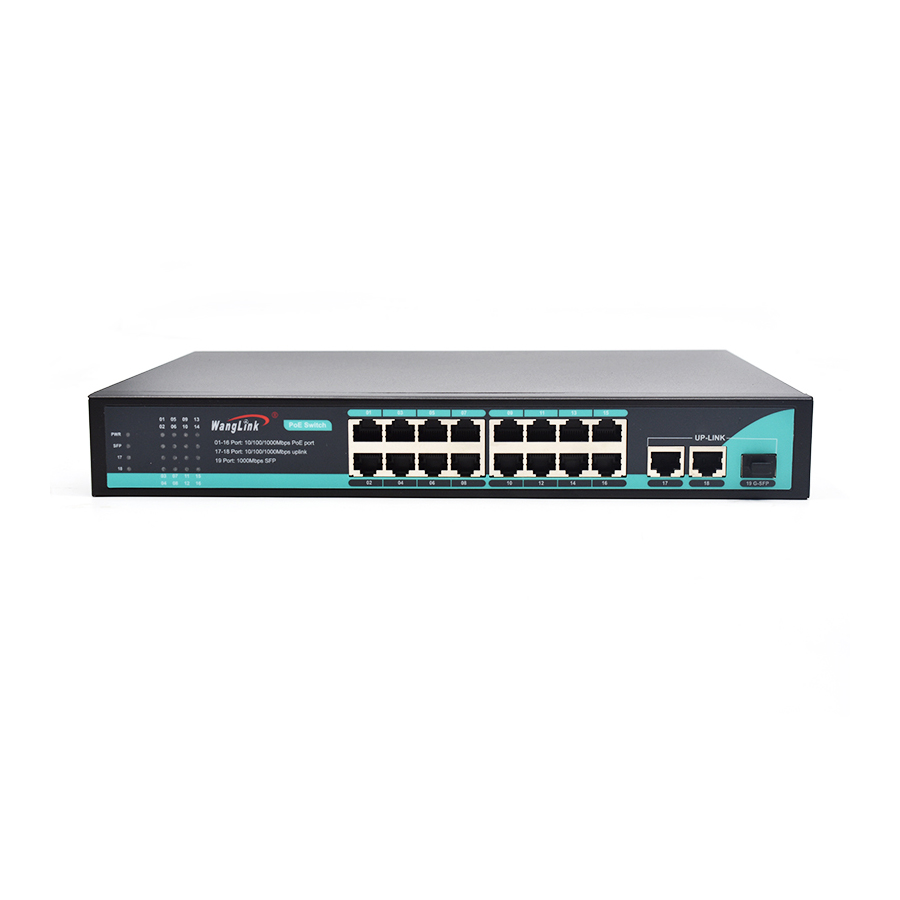
Unmanaged PoE Switches
16× 10/100/1000Base-T PoE ports (max 25.4W each), 2× 10/100/1000Base-T uplink ports, 1× 1000Base-X SFP slot.
Unmanaged 16 Port PoE Network Switch, Gigabit, 2 RJ45 Uplink + 1 SFP Slot, 250m Long Distance, Metal Housing for Surveillance
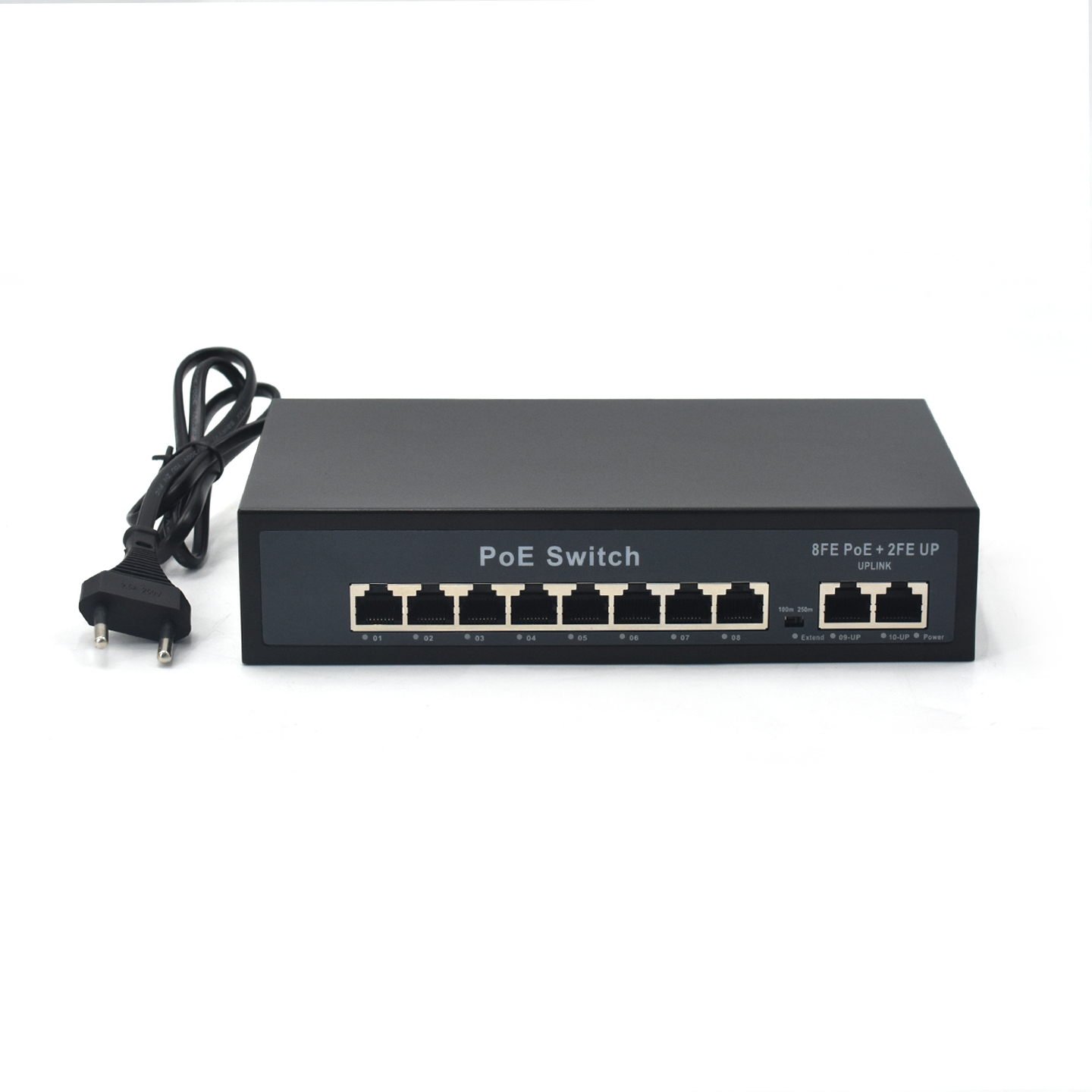
Unmanaged PoE Switches
8 x 10/100Base-TX PoE ports (1-8) + 2 x 10/100Base-TX uplink ports (9-10); all RJ45, auto MDI/MDI-X, half/full duplex
Unmanaged 8 Port PoE Network Switch, 10/100Mbps Fast Ethernet, 2 RJ45 Uplink, 250m Extend Mode, Desktop Wall Mount for IP Camera Surveillance
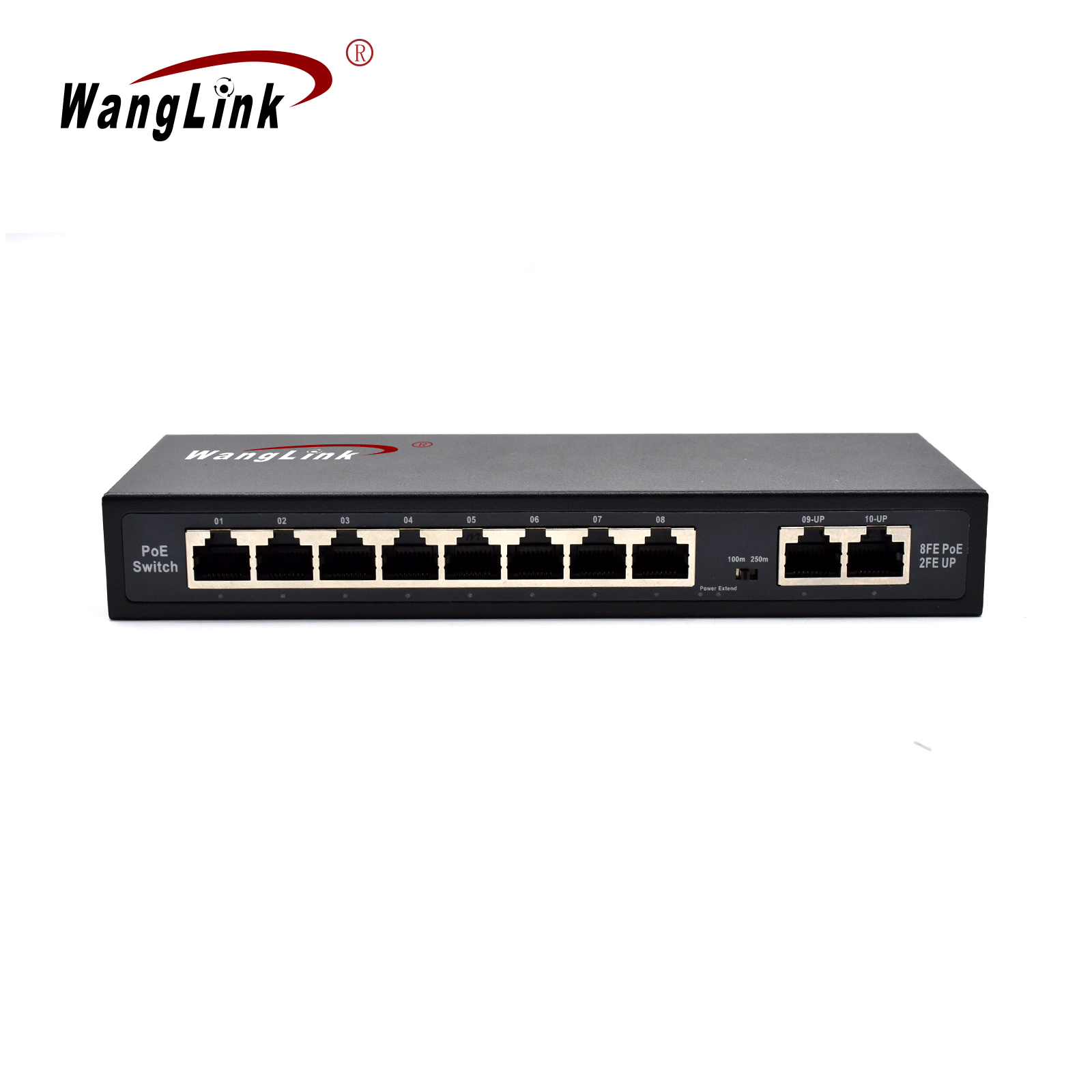
Unmanaged PoE Switches
8 x 10/100Base-TX PoE ports (1-8), 2 x 10/100Base-TX uplink ports (9-10)
Unmanaged 48V PoE Switch 8 Ports Fast Ethernet 2 Uplink VLAN Extend Mode 250m Transmission Desktop Metal Case for Surveillance
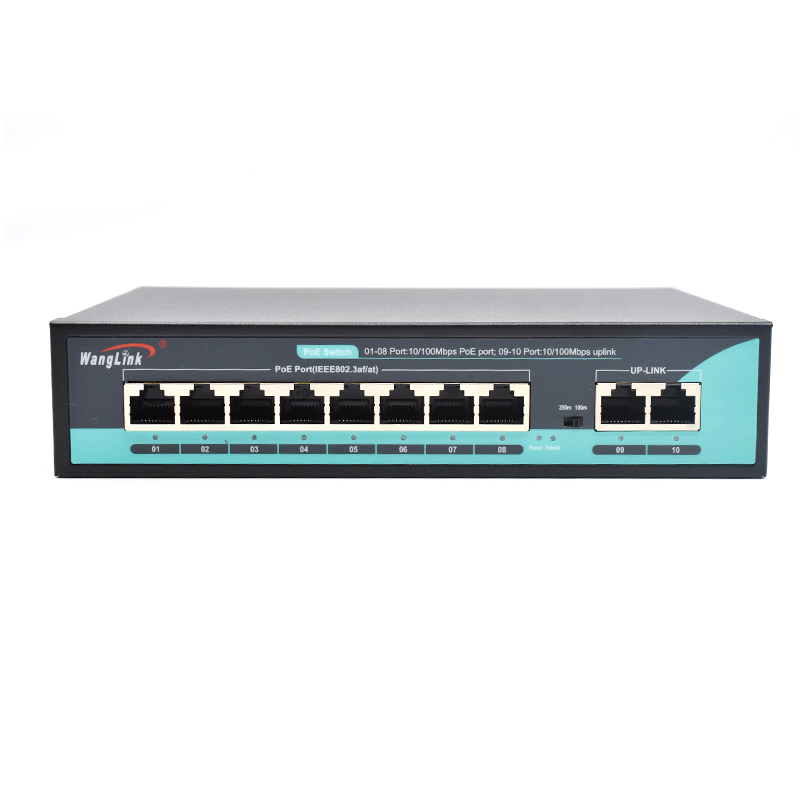
Unmanaged PoE Switches
8x 10/100Base-TX PoE ports (Port 1-8), 2x 10/100Base-TX uplink ports (Port 9-10)
Unmanaged PoE Switch 8 Port, 10/100Mbps Fast Ethernet, 2 RJ45 Uplink, 96W Budget, Desktop/Wall Mount for Surveillance
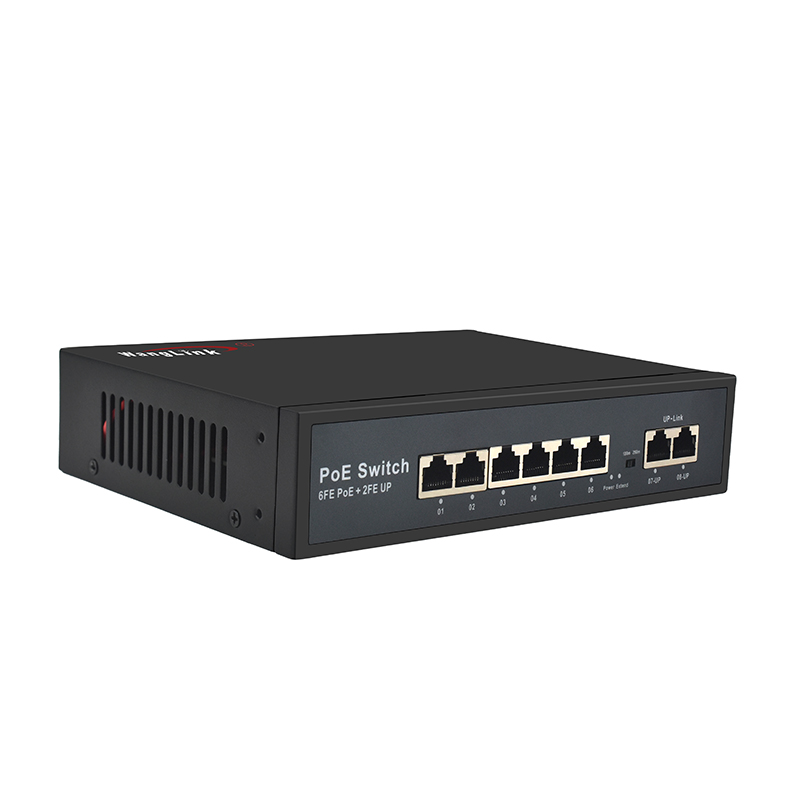
Unmanaged PoE Switches
6 x 10/100Base-TX PoE ports (ports 1–6) + 2 x 10/100Base-TX uplink ports (ports 7–8). RJ45 connectors, auto-MDI/MDI-X, half/full duplex auto-negotiation.
Unmanaged PoE Switch 6 Port Fast Ethernet, 2 RJ45 Uplink, 250m Extend Mode, VLAN Isolation, Metal Case for IP Cameras & Small Business
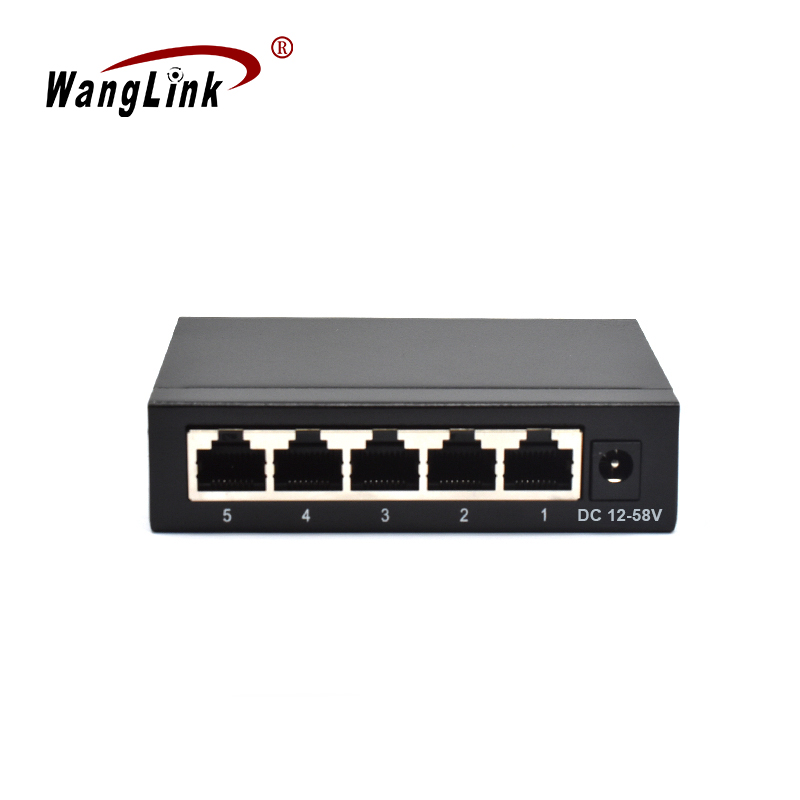
Unmanaged PoE Switches
5 x 10/100Base-TX RJ45 PoE ports (auto-negotiation, auto-MDI/MDIX)
Unmanaged PoE Switch 5 Port Fast Ethernet 10/100Mbps Metal Housing Desktop DIN-Rail for IP Camera & Office Network
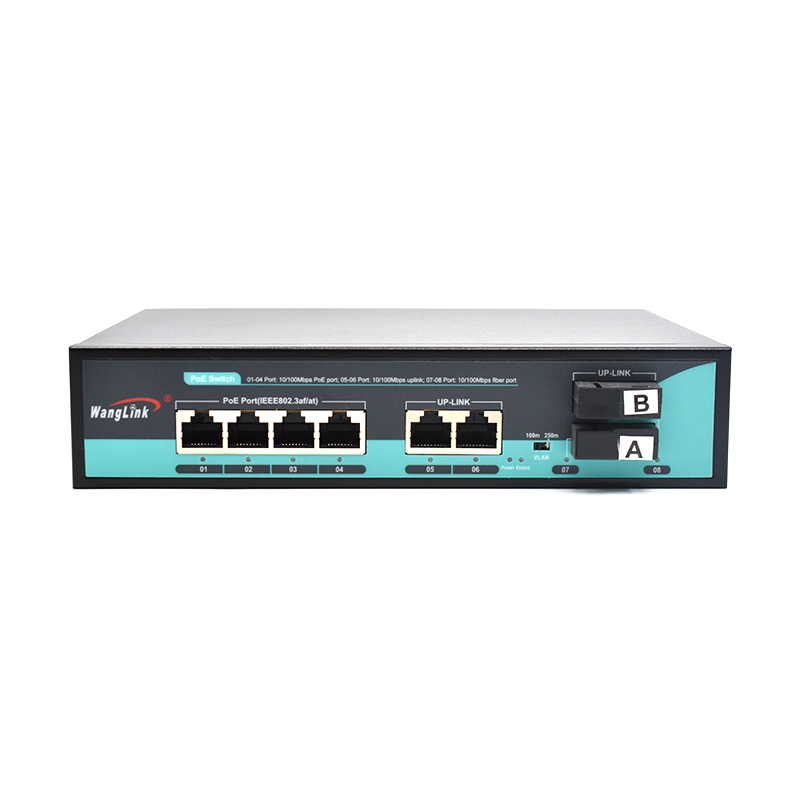
Unmanaged PoE Switches
4 PoE RJ45 (10/100M, 25.4W each), 2 non-PoE RJ45 uplinks (10/100M), 2 fiber ports (100Base-FX, SC/ST/FC up to 120km).
Unmanaged 4-Port PoE Fast Ethernet Switch with 2 Fiber Ports, 10/100Mbps, 250m Long Distance, VLAN Isolation, Wall Mount for Small Business Surveillance
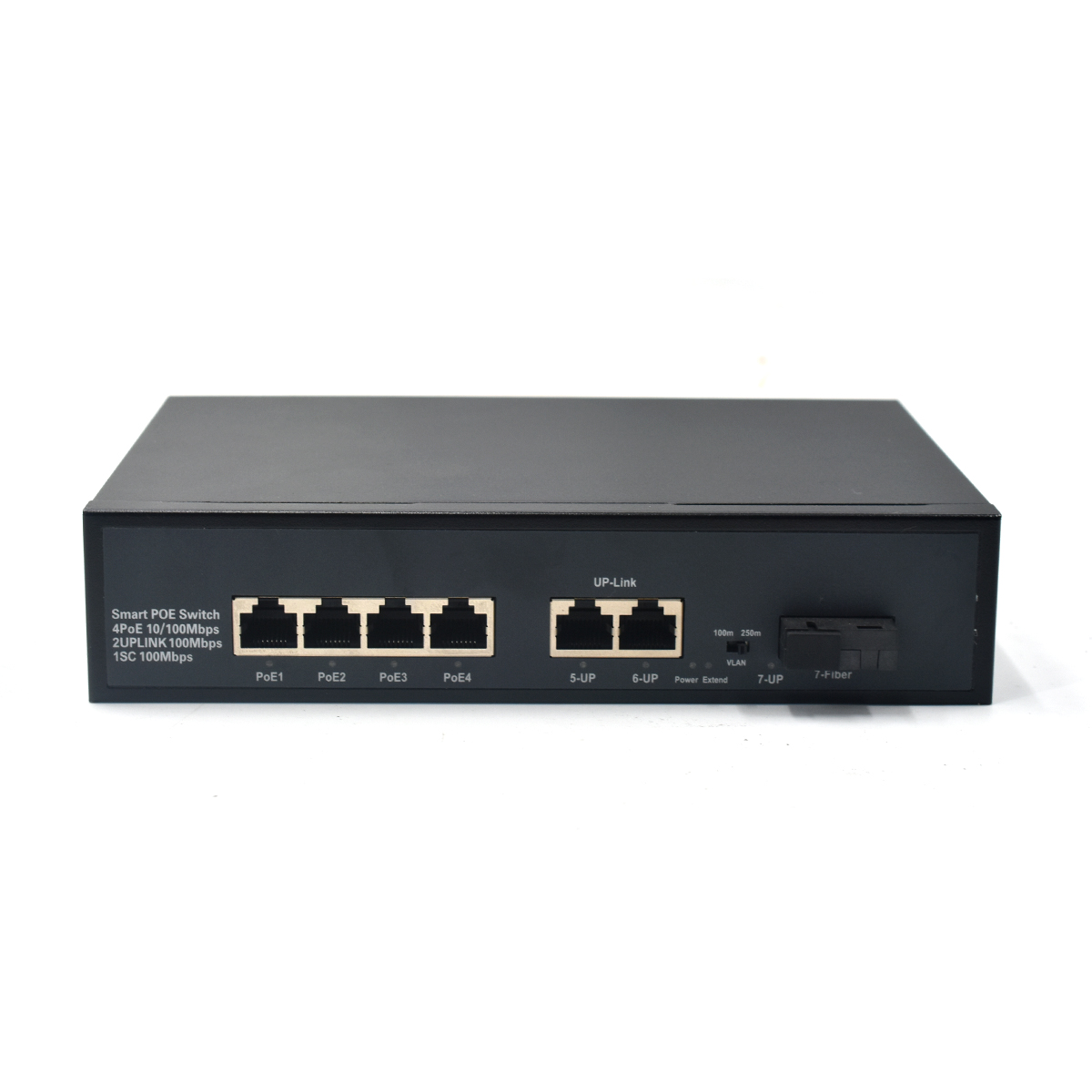
Unmanaged PoE Switches
4 PoE ports (10/100M) + 2 uplink ports (10/100M) + 1 fiber port (100M)
Unmanaged PoE Network Switch 4 Port Fast Ethernet, 2 Uplink RJ45, 1 Fiber Port, 250m Extend Mode, VLAN Isolation, Desktop/Wall Mount
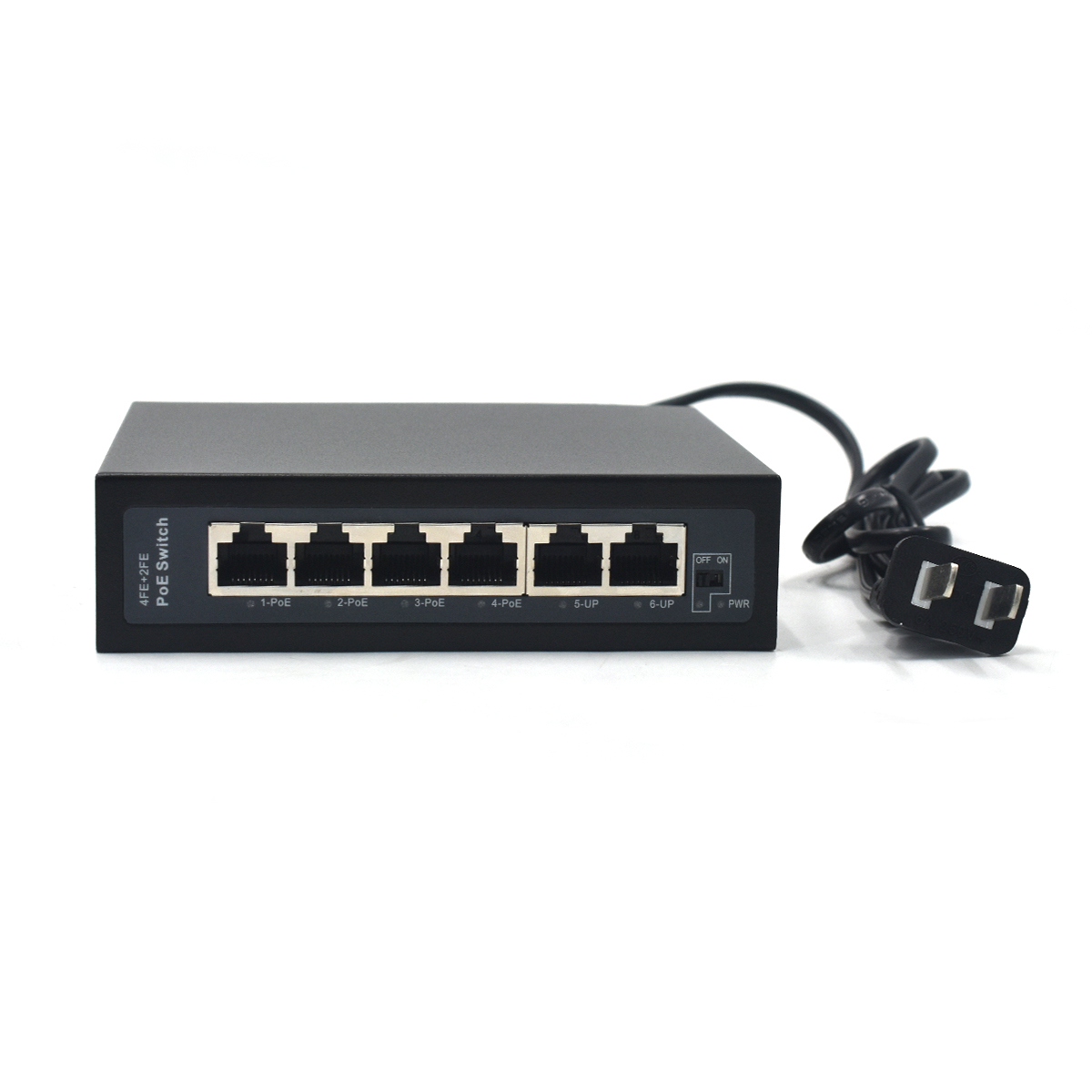
Unmanaged PoE Switches
4 x 10/100Base-TX PoE ports (30W each, IEEE 802.3af/at) + 2 x 10/100Base-TX uplink ports; total 6 RJ45 ports.
Unmanaged Small PoE Powered Switch, 6-Port 10/100Mbps Fast Ethernet, 4 PoE Ports 30W, 250m Extend Mode, VLAN Isolation, Desktop/Wall Mount for Surveillance & SME
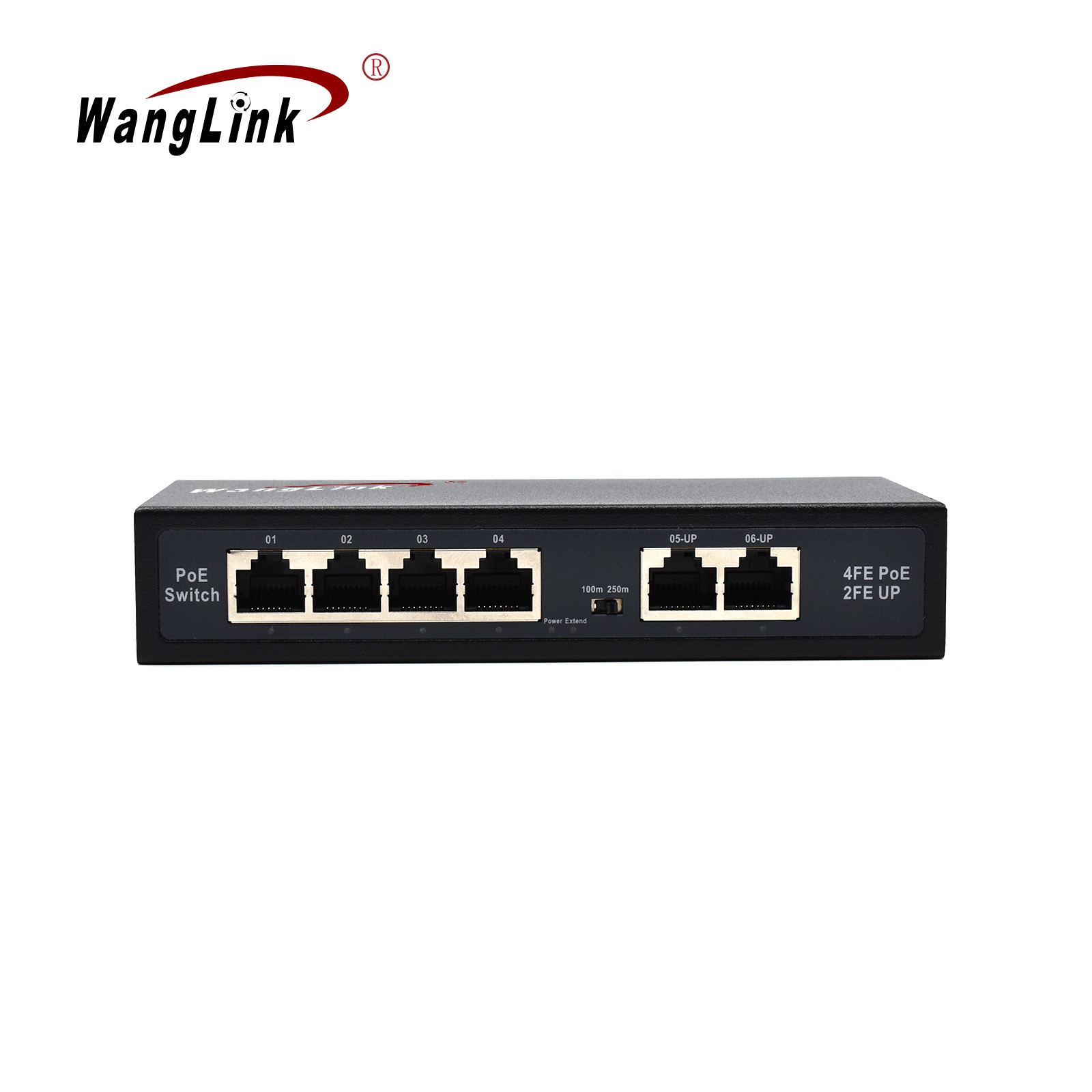
Unmanaged PoE Switches
4 PoE 10/100Base-TX ports (ports 1-4) + 2 uplink 10/100Base-TX ports (ports 5-6). PoE ports support IEEE802.3 af/at up to 25.4W each.
Unmanaged PoE Network Switch for IP Cameras, 6 Ports Fast Ethernet, 4 PoE Ports, 2 Uplink, 250m Long Distance, VLAN Isolation, Wall Mount
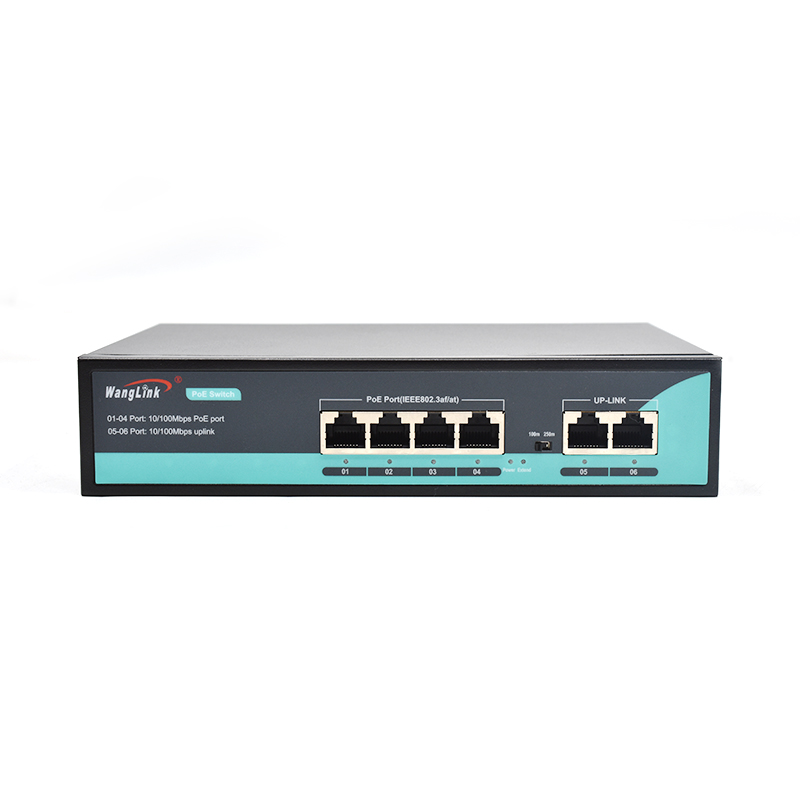
Unmanaged PoE Switches
4 PoE ports (10/100Base-TX) + 2 uplink ports (10/100Base-TX)
Unmanaged 4 Port PoE Switch, 6-Port Fast Ethernet with 2 RJ45 Uplink, 65W Budget, VLAN & 250m Extend Mode for IP Surveillance and Small Business
No matching products
| Product Category | PoE Standard | Power Architecture | Power Monitoring | Management | Primary Application |
|---|---|---|---|---|---|
| DPM Series PoE Digital Power Display | IEEE 802.3af/at/bt | Standard PSE (Output to PDs) |
Digital Tube LED
Real-time dynamic wattage reading
|
Unmanaged / Smart | CCTV Surveillance, engineering projects requiring instant on-site load audits. |
| Reverse PoE Switch FTTB/MDU Multi-tenant | Passive / 802.3af |
Reverse PD Input
Powered by end-users via uplink
|
Port Power LEDs | Unmanaged / Managed | ISP corridor distribution where local AC grid power is unavailable or costly. |
| Passive PoE Switch Fixed Voltage Direct Feed | Non-Standard (12V/24V/48V) | Always-on DC output (No handshake) | Basic Power/Link LEDs | Unmanaged | Low-cost wireless CPEs, proprietary 24V APs, fixed-voltage embedded devices. |
| Managed PoE Switch L2/L3 Enterprise Tier | IEEE 802.3af/at/bt | Standard PSE with remote scheduling |
Software-based
SNMP, Web GUI, CLI telemetry
|
Full L2 / L2+ / L3
VLAN, QoS, PoE Watchdog, RSTP
|
Enterprise campuses, hotels, hospitals, centralized network management. |
| Unmanaged PoE Switch Plug-and-Play Basic | IEEE 802.3af/at | Standard PSE Auto-negotiation | Basic Power Budget LEDs |
Plug-and-Play
Optional DIP Switch (VLAN/Extend)
|
SOHO, small IP camera deployments, smart home, zero-configuration nodes. |
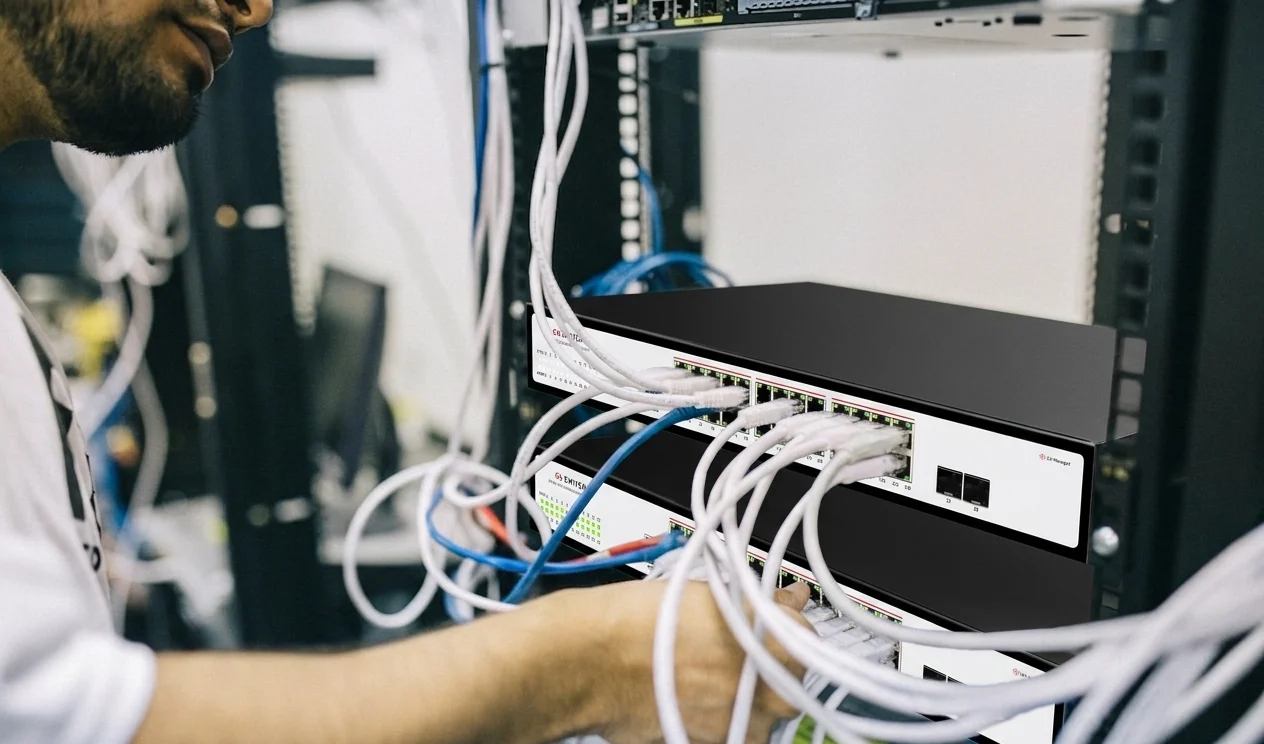
Learn how a network switch forwards Ethernet frames, builds MAC tables, supports VLANs, PoE, redundancy, and connects modern business networks.
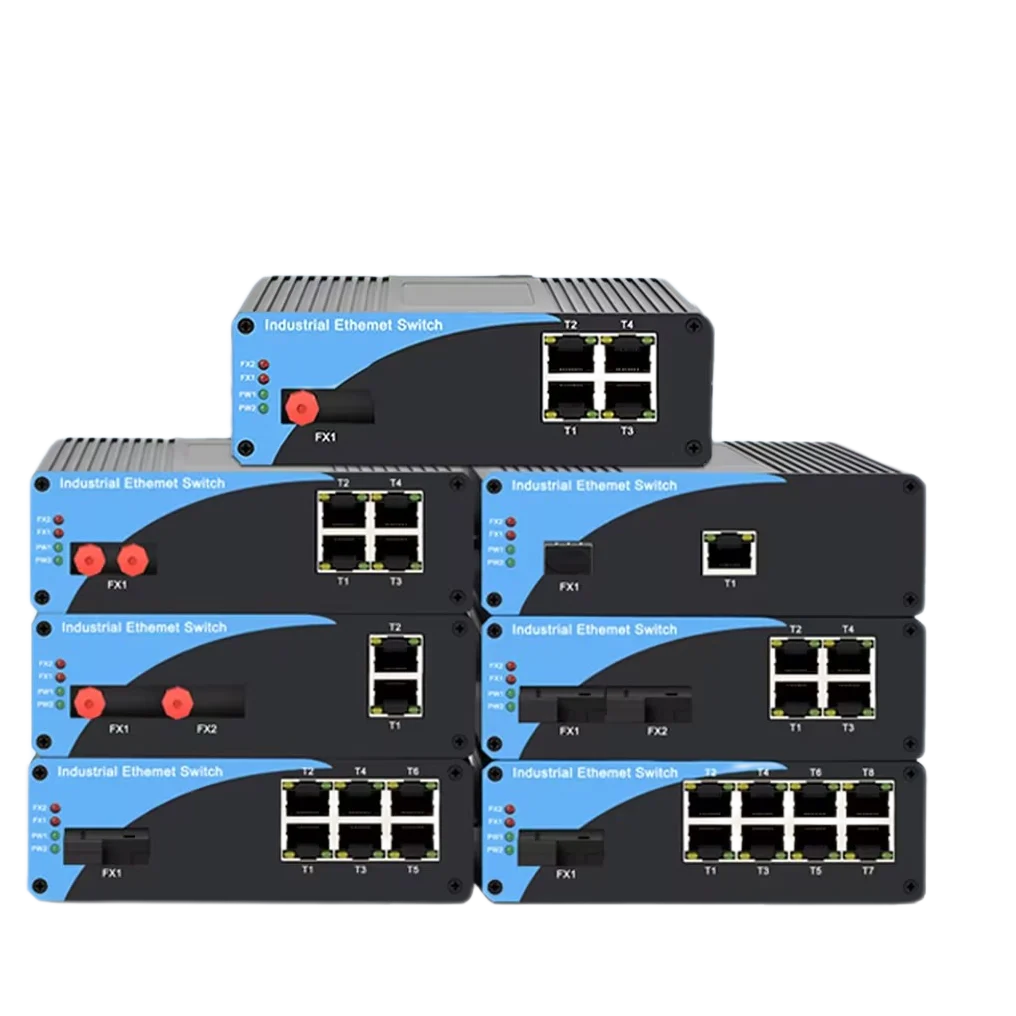
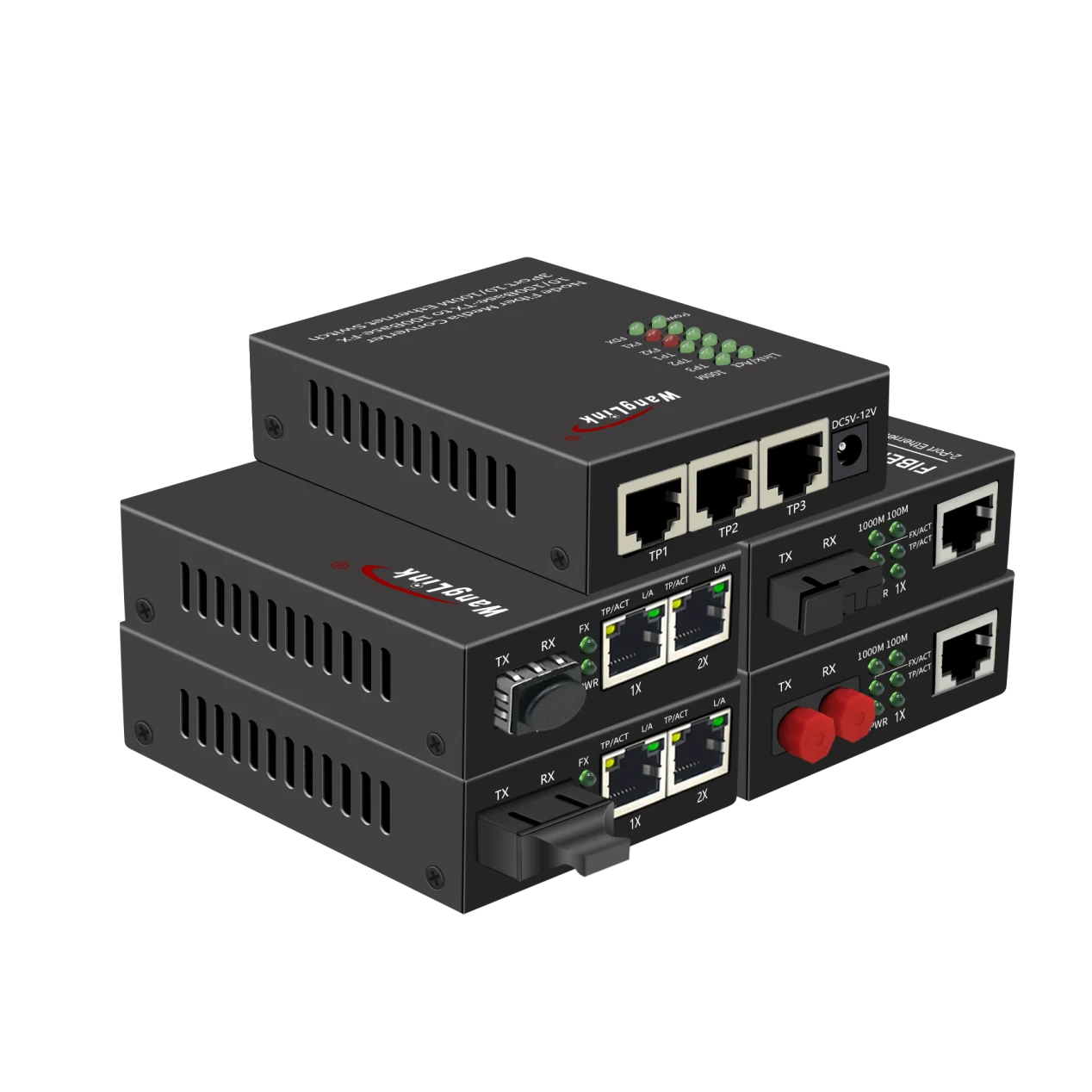
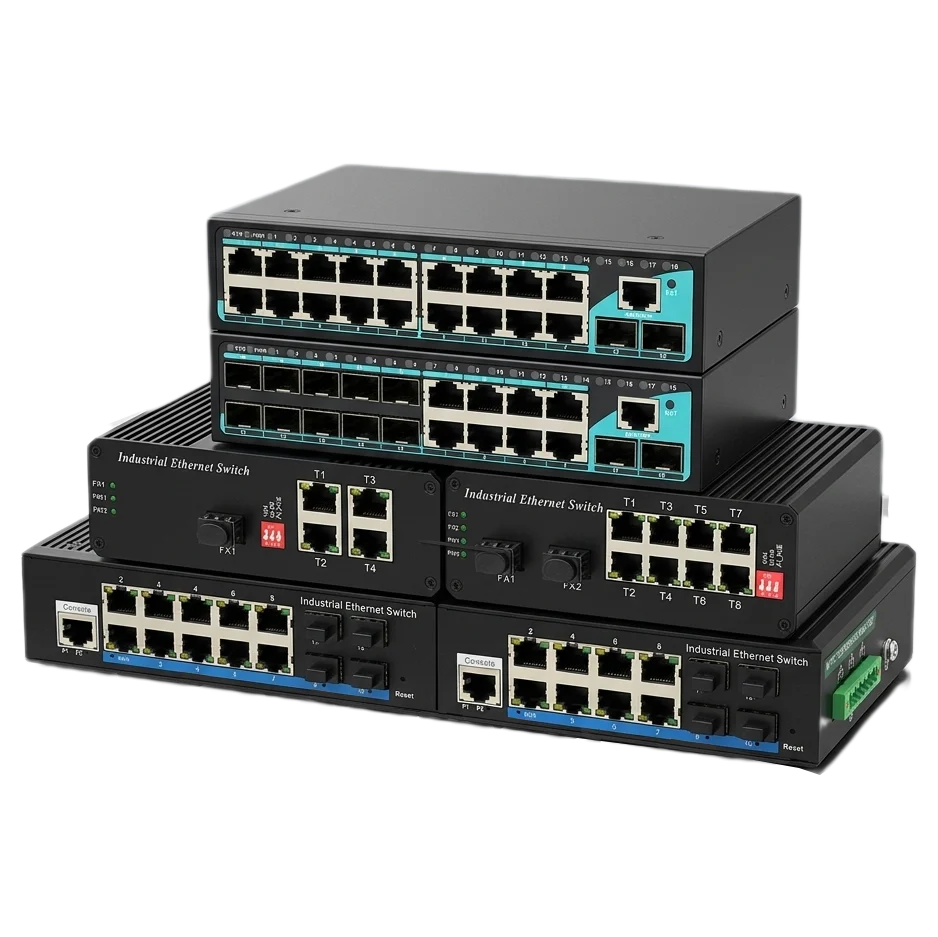
Learn what a network switch does, how it connects devices, and the differences between managed, unmanaged, PoE, and industrial Ethernet switches.

Dear Valued Customers, Thank you for your continuous support and trust in WangLink (Shenzhen Wanglink Communication Equipment Technology Co., Ltd.). We are writing to inform you of our office closure schedule for the upcoming Mid-Autumn Festival and National Day holidays, arranged in accordance with the official notice of the General Office of the State Council…
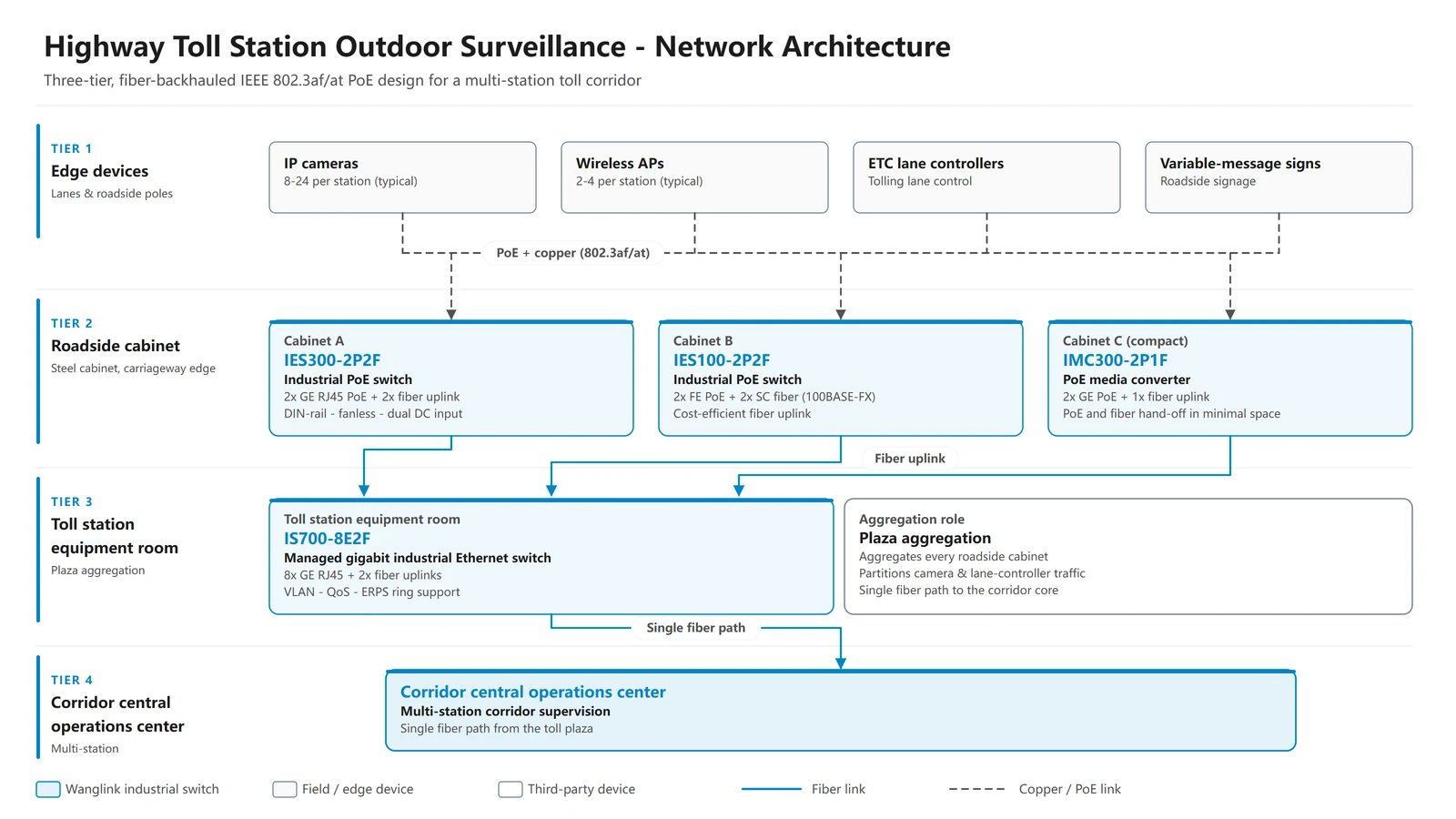
Outdoor toll-station networks place cameras and wireless equipment in roadside cabinets where heat, moisture, electrical transients and distance affect uptime. This case study explains the PoE, uplink and cabinet checks behind a resilient highway surveillance design.
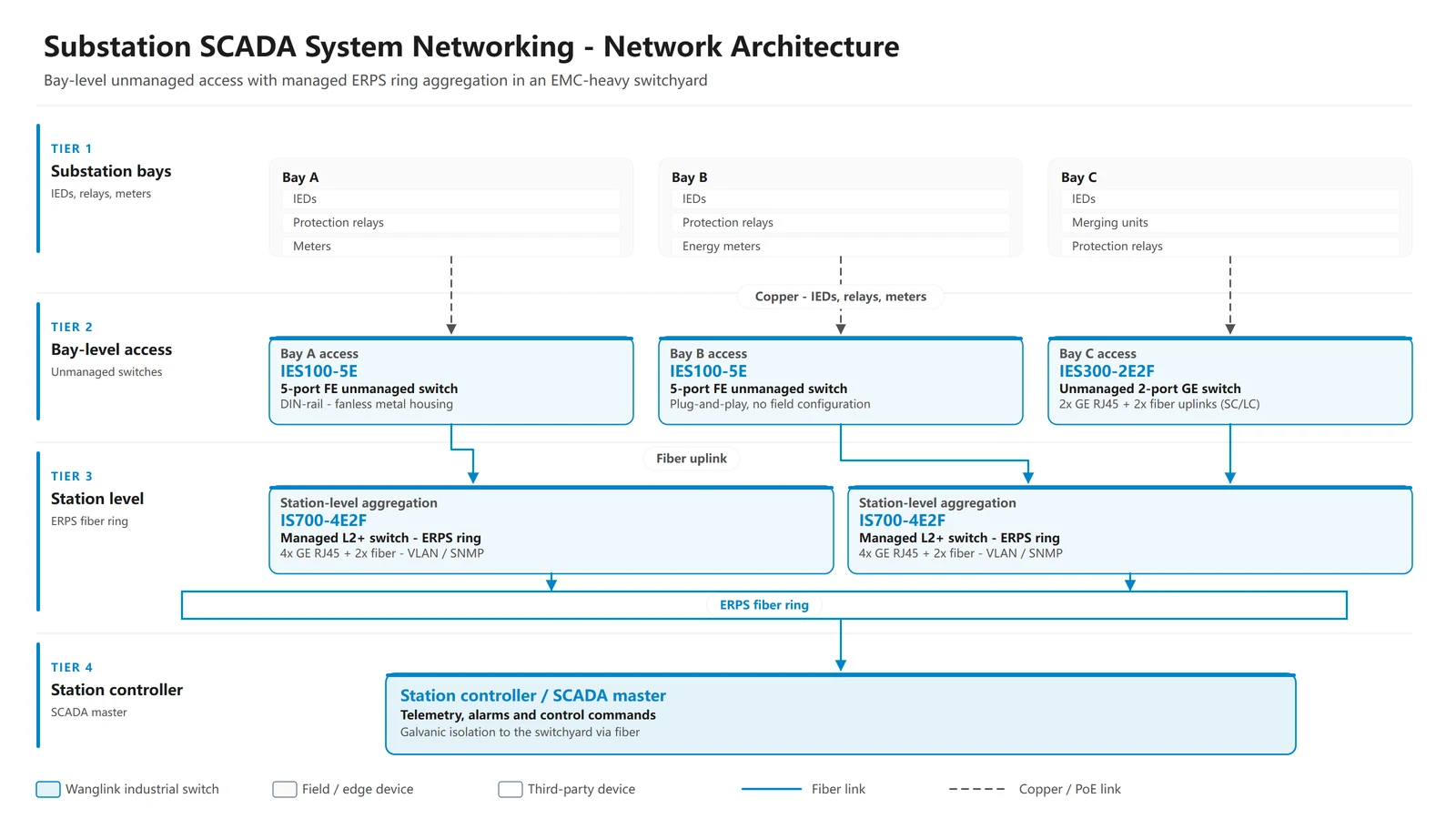
A substation network must carry protection, measurement and control traffic through an electrically harsh environment. This case study explains the topology, switch-selection criteria and evidence required for an industrial SCADA deployment.
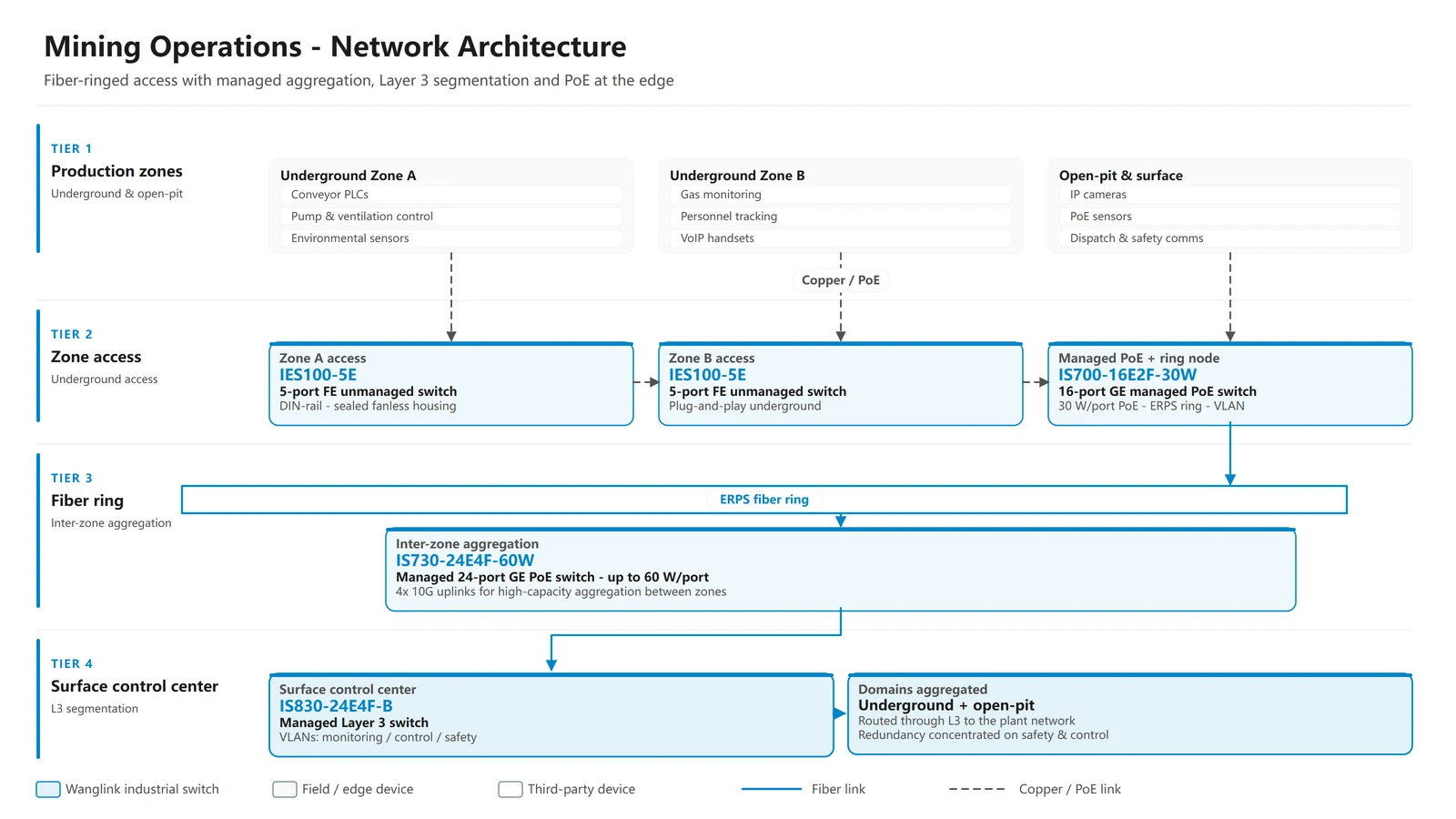
Mining networks connect control, monitoring and safety systems across areas that may be dusty, hot, cold or difficult to access. This case study explains how to document the environment, topology and validation evidence before selecting an industrial switch.
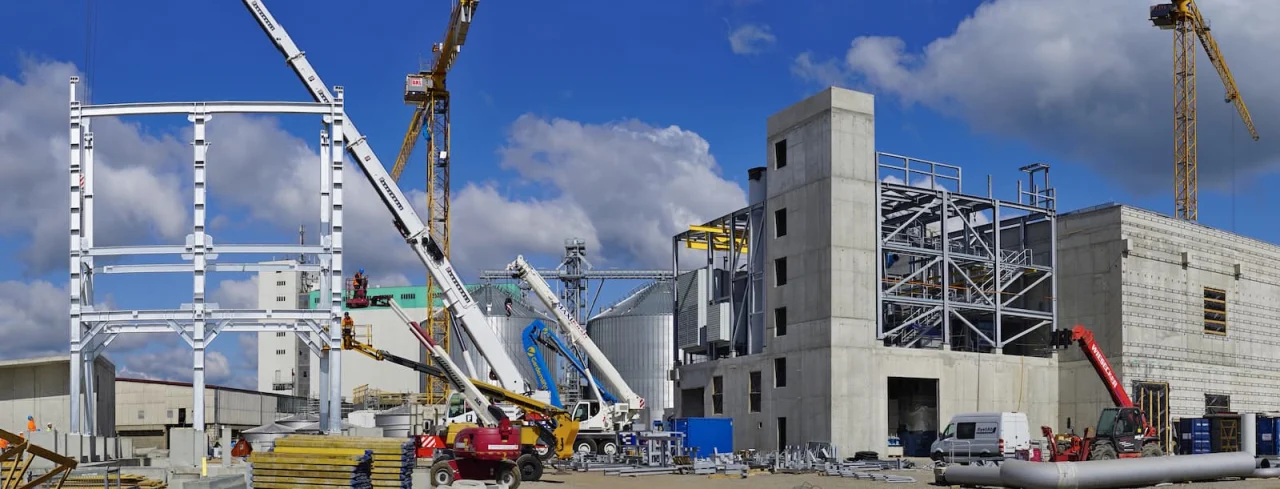
Real deployments, real results. Explore how Wanglink PoE switches power surveillance, wireless coverage, and industrial networks across active sites worldwide—with topologies, configurations, and measurable outcomes you can reference for your own project.